
Navigating the financial landscape of a foreign country requires more than just knowing the name of the legal tender. For anyone planning to visit, relocate to, or invest in the Netherlands, understanding the mechanics of the Dutch monetary system is essential. Since January 1, 2002, the official currency of the Netherlands has been the Euro (€).
While the Euro is a familiar sight across much of the European continent, the way money moves within the Netherlands—from the nuances of digital payments to the historical legacy of the Dutch Guilder—offers a unique study in modern personal finance and economic stability.
Understanding the Eurozone and the Dutch Monetary System
The Netherlands was one of the founding members of the Eurozone, a group of European Union nations that adopted a single currency to foster economic integration and eliminate exchange rate volatility. This transition was not merely a change in banknotes but a massive shift in the country’s fiscal policy and international trade strategy.
The Transition from the Guilder to the Euro
Before the Euro, the Netherlands used the Dutch Guilder (NLG), a currency with roots stretching back to the 17th century. The Guilder was known for its stability and was often pegged to the German Mark. When the transition occurred in 2002, the exchange rate was locked at 2.20371 Dutch Guilders to 1 Euro.
For the Dutch people, this was a significant cultural shift. The Guilder was a symbol of the country’s “Golden Age” of trade. However, the move to the Euro allowed the Netherlands to solidify its position as a logistical and financial gateway to Europe. Today, the De Nederlandsche Bank (DNB), the central bank of the Netherlands, operates as part of the European System of Central Banks, focusing on price stability and the smooth operation of payment systems.
The Role of the Euro in the Dutch Economy
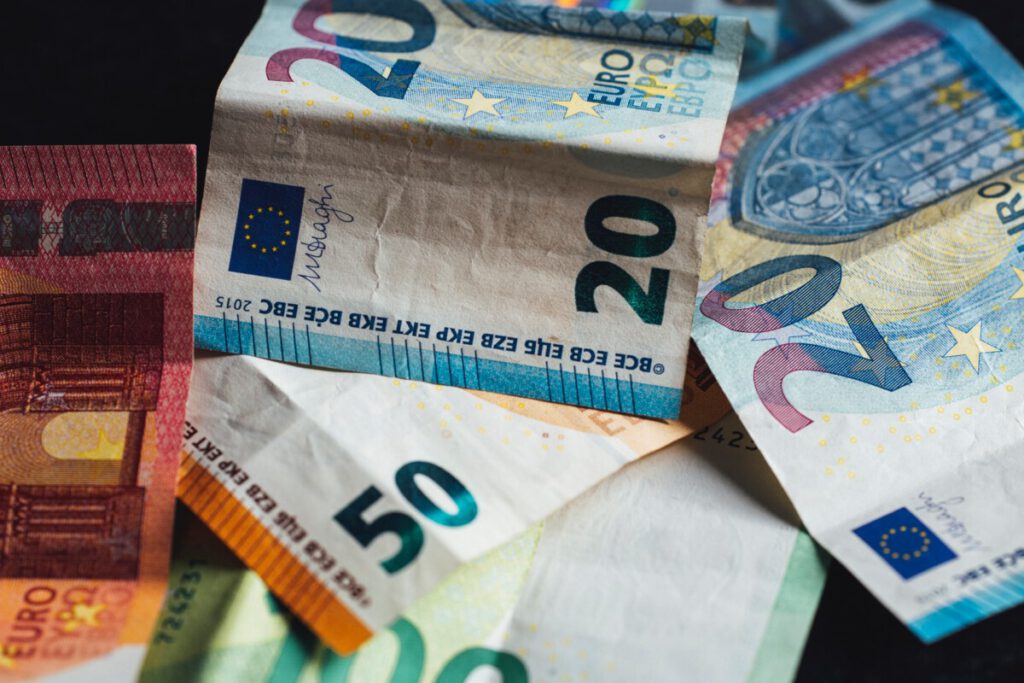
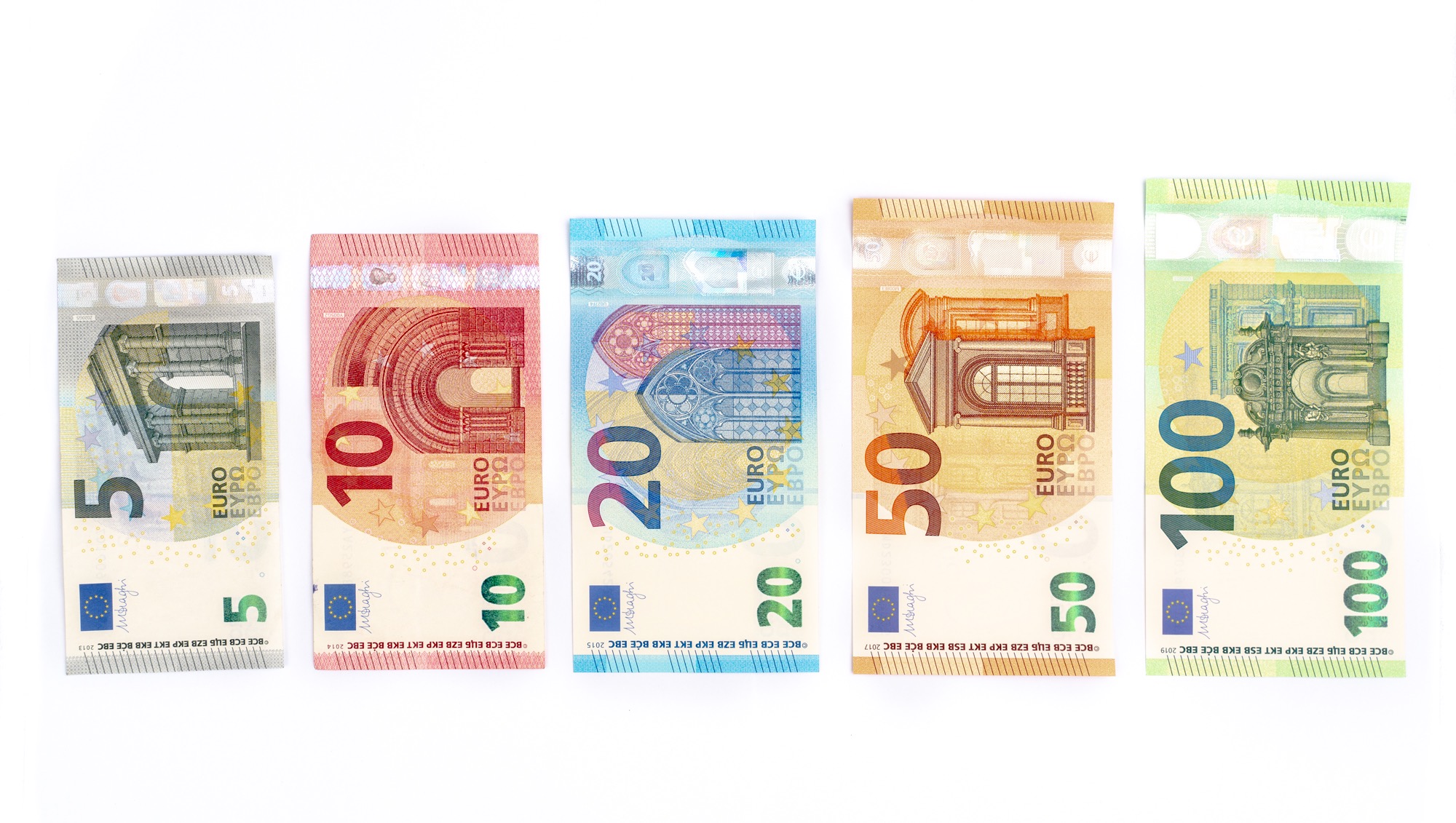
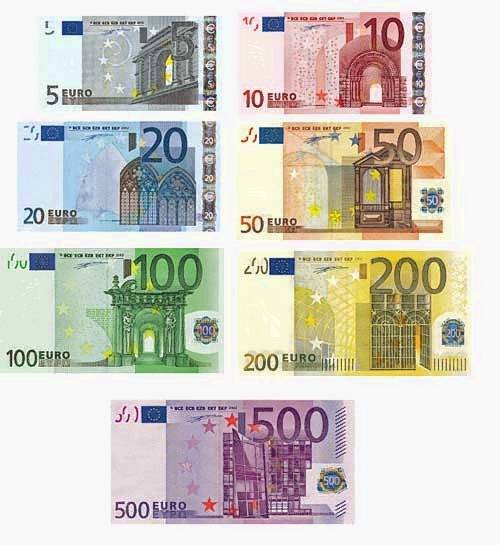
The Euro is issued in both coins and banknotes. Banknotes are identical across the Eurozone and come in denominations of €5, €10, €20, €50, €100, €200, and €500. It is important to note that many shops in the Netherlands refuse to accept €100, €200, or €500 bills due to security concerns and lack of change.
Coins have a common European side and a national side. Dutch Euro coins currently feature the profile of King Willem-Alexander. Despite these national variations, all Euro coins and notes are legal tender throughout the Eurozone. From a financial perspective, the Netherlands benefits from the Euro’s status as the world’s second-largest reserve currency, providing a layer of protection against the hyperinflation seen in smaller, isolated economies.
Practical Money Management: Payments, Banking, and ATMs
The Netherlands is one of the most digitally advanced financial landscapes in the world. For a traveler or a new resident, the traditional concept of “carrying cash” is rapidly becoming obsolete, replaced by a sophisticated infrastructure of electronic payments.
Cash vs. Card: The Dominance of Debit
While the Euro is the official currency, the way you spend it in the Netherlands might surprise you. The country is heavily reliant on the “Pin” system—a local term for debit card transactions. For years, the Netherlands used the Maestro and V-Pay protocols almost exclusively.
This creates a common pitfall for international visitors: many Dutch supermarkets (like Albert Heijn) and smaller boutiques traditionally did not accept major credit cards like Visa or Mastercard. However, as of 2023 and 2024, the Dutch banking system has been transitioning toward Mastercard Debit and Visa Debit, making it easier for foreigners to use their cards. Nonetheless, it is always wise to carry a small amount of cash or ensure your card is a “Debit” card rather than a “Credit” card to avoid being declined at the checkout counter.
The “Tikkie” Culture and Peer-to-Peer Payments
In the niche of personal finance, the Netherlands has popularized a unique phenomenon known as the “Tikkie.” Tikkie is a payment app owned by ABN AMRO that allows users to send payment requests via WhatsApp. Whether you are splitting a bill at a café or selling a second-hand bike, the phrase “Send me a Tikkie” is ubiquitous. This highlights the Dutch preference for immediate, transparent, and digital-first financial interactions. For expats, opening a local bank account with providers like ING, ABN AMRO, or Rabobank is essential to access these local financial tools.
Withdrawing Funds: Understanding ATM Fees and Exchange Rates
ATMs in the Netherlands are known as Geldautomaten. You will often see yellow “Geldmaat” machines, which are a joint initiative by the major banks to provide a unified ATM network.
From a financial strategy standpoint, always choose to be charged in the local currency (Euro) rather than your home currency when using an ATM. This avoids “Dynamic Currency Conversion” (DCC), a practice where the ATM provider applies a significantly marked-up exchange rate. By choosing Euros, you allow your home bank to handle the conversion, which is almost always cheaper.
Cost of Living and Budgeting in the Netherlands
The Netherlands is generally considered a mid-to-high-cost country within Europe. Budgeting correctly requires an understanding of how the Euro stretches across different sectors of the economy.
Average Daily Expenses for Travelers
For a traveler, the cost of living varies significantly between Amsterdam and the rest of the country.
- Accommodation: A mid-range hotel in Amsterdam can cost between €150 and €250 per night, whereas in cities like Utrecht or Rotterdam, prices may drop by 20-30%.
- Dining: A lunch at a standard café will cost around €15–€20, while a three-course dinner at a mid-range restaurant averages €40–€60 per person, excluding alcohol.
- Transport: The Netherlands uses a unified chip-card system (OV-chipkaart) for all public transport. A train journey from Schiphol Airport to Amsterdam Central costs roughly €5.90.
Long-term Financial Planning for Expats
For those moving to the Netherlands, the “30% Ruling” is a critical financial concept to understand. This is a tax advantage for highly skilled migrants, where 30% of their gross salary is paid tax-free for a period of five years. This significantly increases the purchasing power of the Euro for foreign professionals.
Housing is the largest expense for residents. In the current market, rent for a one-bedroom apartment in the Randstad area (the urban strip including Amsterdam, The Hague, and Utrecht) can range from €1,500 to €2,500. When budgeting, one must also account for mandatory private health insurance, which costs approximately €140–€160 per month.
Investment and Tax Implications in the Dutch Economy
The Netherlands is not just a place to spend money; it is a sophisticated hub for capital growth and tax efficiency. Its financial system is transparent, highly regulated, and integrated into the global market.
Value Added Tax (VAT) and Refund Processes
In the Netherlands, Value Added Tax is known as BTW (Belasting over de Toegevoegde Waarde). There are two primary rates:
- 21% Standard Rate: Applied to most goods and services.
- 9% Reduced Rate: Applied to food, books, and certain services like hairdressing or public transport.
For non-EU residents, there is an opportunity for a “Money Back” strategy. If you spend more than €50 in a single store, you may be eligible for a VAT refund upon leaving the EU. This can result in a significant return on luxury purchases, though it requires keeping original receipts and getting them stamped at customs at Schiphol Airport.
The Strength of the Euro as an Investment Vehicle
Investing in the Netherlands often means investing in Euro-denominated assets. The Amsterdam Stock Exchange (Euronext Amsterdam) is one of the oldest in the world and hosts global giants like ASML, Shell, and Unilever.
For the conservative investor, the Dutch economy offers a “AAA” credit rating from most major agencies. This makes Dutch government bonds a “safe haven” asset. However, the interest rates on savings accounts in the Netherlands have historically been low, leading many residents to pivot toward low-cost Index Funds or Real Estate as a means of wealth preservation.
Wealth Tax (Box 3)
A unique aspect of Dutch finance is the “Box 3” tax on savings and investments. Rather than taxing actual capital gains, the Dutch government assumes a certain rate of return on your net assets and taxes that “notional” profit. For those with significant Euro holdings, understanding the annual threshold for tax-free savings (heffingvrij vermogen) is essential for effective tax planning.
In conclusion, while the answer to “what currency is used in the Netherlands” is simply the Euro, the financial reality is much richer. From the transition away from the Guilder to the high-tech “Pin” and “Tikkie” ecosystem, the Netherlands represents a bridge between historical monetary stability and future-facing digital finance. Whether you are tapping a debit card for a stroopwafel or calculating the tax implications of a high-skilled migrant visa, understanding the Dutch approach to money ensures you can navigate this prosperous nation with confidence.
aViewFromTheCave is a participant in the Amazon Services LLC Associates Program, an affiliate advertising program designed to provide a means for sites to earn advertising fees by advertising and linking to Amazon.com. Amazon, the Amazon logo, AmazonSupply, and the AmazonSupply logo are trademarks of Amazon.com, Inc. or its affiliates. As an Amazon Associate we earn affiliate commissions from qualifying purchases.