
The allure of the unknown, the thrill of the hunt, and the potential for unexpected profit – these are the elements that have made “Storage Wars” a captivating reality television phenomenon. Beyond the dramatic negotiations and the sometimes-surprising discoveries, the show offers a fascinating glimpse into a niche but lucrative business: self-storage auctions. For those curious about how to watch this popular program and, perhaps more importantly, what it reveals about the financial opportunities within the storage industry, understanding its broadcasting details is the first step.
The Business of Storage Wars: More Than Just a Game Show
“Storage Wars” isn’t simply about people rummaging through discarded belongings. It’s a deep dive into a business model that relies on unpaid storage unit rentals. When tenants fail to pay their monthly fees, storage facility owners are legally permitted to auction off the contents of these abandoned units to recoup their losses. This process, while seemingly straightforward, involves a complex interplay of legalities, market dynamics, and the sharp business acumen of the bidders. The show, in its essence, showcases the entrepreneurial spirit and risk-taking involved in this unique marketplace.

Understanding the Storage Unit Auction Process
At its core, a storage unit auction is a form of liquidation. Storage facility owners are bound by specific state laws that dictate how abandoned units must be handled. These laws generally require that the contents be advertised and then sold to the highest bidder. The key element that makes “Storage Wars” so compelling is that bidders are only allowed to look inside the units from the open door; they cannot enter or touch the items within. This creates a high-stakes environment where intuition, experience, and a bit of educated guesswork are paramount to success.
The process typically begins with the facility manager posting a notice of the auction, often at the facility itself and sometimes in local newspapers. On the day of the auction, potential buyers gather. The auctioneer will then open the unit door, usually just a few feet, allowing the bidders a limited but crucial visual inspection. Bidding then commences, and the highest bidder wins the right to empty the unit within a specified timeframe, often 24 to 48 hours. They purchase the unit “as is,” meaning they are responsible for all the contents, whether they are valuable treasures or worthless junk.
The Financial Underpinnings: From Unpaid Rent to Potential Profit
The financial motivation behind participating in storage unit auctions is simple: profit. While some bidders are driven by a passion for collecting unique or vintage items, the vast majority are looking to acquire goods at a wholesale price and then resell them for a profit. This can be achieved through various avenues:
- Resale on Online Platforms: E-commerce giants like eBay, Amazon, and Facebook Marketplace have become indispensable tools for storage unit auction winners. These platforms provide a massive reach to potential buyers for a wide array of items, from furniture and electronics to collectibles and fashion.
- Flea Markets and Garage Sales: For bulkier items or for sellers who prefer in-person transactions, traditional flea markets and setting up their own garage sales remain viable options.
- Specialized Dealers: Certain items discovered in storage units might be of interest to specialized dealers, such as antique furniture restorers, vintage clothing boutiques, or rare book collectors. Building relationships with these professionals can lead to quick and profitable sales.
- Scrap and Recycling: Even items that don’t have significant resale value can sometimes be broken down for scrap metal or recycled materials, offering a small but consistent return on investment.
The profitability of a storage unit auction hinges on several factors: the initial purchase price of the unit, the ability to identify valuable items within the limited viewing period, the cost of labor and transportation to remove the contents, and the effectiveness of the resale strategy. The show often highlights the risks involved – the potential for a seemingly promising unit to be filled with nothing but trash, leading to a financial loss for the bidder. This inherent risk is what fuels the drama and the financial intrigue of “Storage Wars.”
Where to Tune In: The Broadcast Channels of Storage Wars
For fans eager to witness the high-stakes world of self-storage auctions, knowing where to find “Storage Wars” is essential. The show has aired on various networks over its extensive run, making its accessibility dependent on current broadcasting rights and syndication.
The Original Home: A&E Network
“Storage Wars” first premiered on the A&E Network in 2010 and quickly became a flagship program for the channel. A&E, which has a history of broadcasting reality shows focused on compelling characters and unique subcultures, provided the perfect platform for the show’s blend of drama, humor, and entrepreneurial spirit. For many years, new episodes and reruns were consistently available on A&E. Understanding this original broadcast history is crucial, as many viewers associate the show with this network.
Syndication and Spinoffs: Expanding the Reach
As “Storage Wars” gained popularity, its reach extended beyond its original network through syndication and the creation of spinoff series.
- “Storage Wars: Texas”: This regional spinoff, which aired from 2013 to 2014, focused on a group of bidders operating in Texas, offering a slightly different regional flavor to the established format.
- “Storage Wars: New York”: Similarly, this iteration, which ran for one season in 2013, brought the “Storage Wars” concept to the bustling market of New York City.
- “Storage Wars: Miami”: Another regional variant, “Storage Wars: Miami,” explored the unique treasures and challenges of the South Florida storage auction scene.
These spinoffs, while having shorter runs, demonstrated the broad appeal of the core concept and allowed viewers to experience the storage auction dynamic in different geographical settings.
Current Viewing Options: Streaming and Reruns
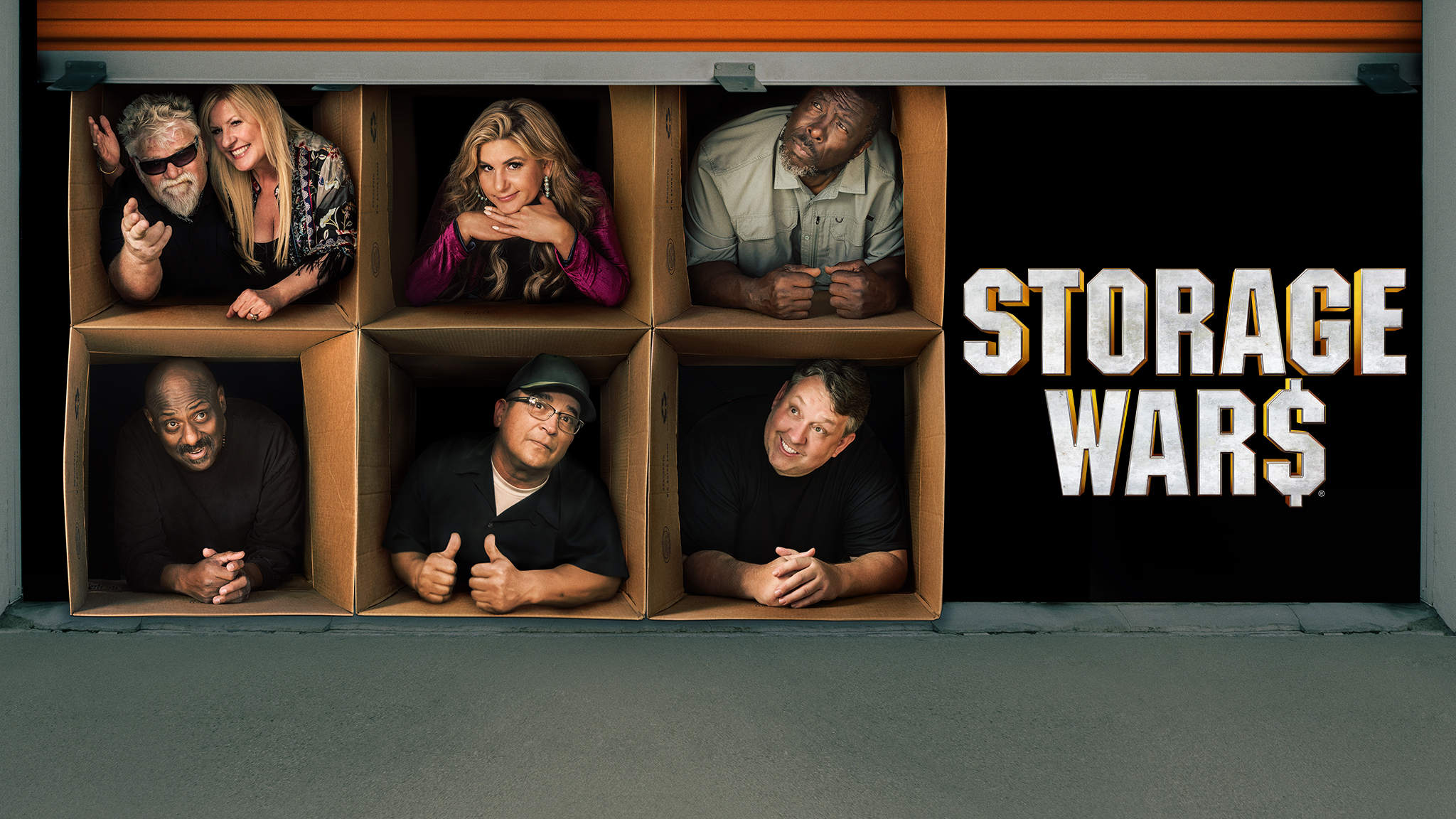
For contemporary viewers looking to catch up on “Storage Wars” or watch current episodes, the landscape has evolved beyond traditional cable television.
- Cable and Satellite Providers: While A&E remains the primary network for new episodes and a significant portion of reruns, checking your local cable or satellite TV guide is always recommended. The channel schedule can vary, and specific times for “Storage Wars” broadcasts are subject to change.
- Streaming Services: The availability of “Storage Wars” on major streaming platforms can fluctuate due to licensing agreements. Historically, seasons have been available for purchase or streaming on platforms like Amazon Prime Video, Hulu, and Apple TV. It is advisable to search directly on your preferred streaming service or on platforms like JustWatch.com, which aggregates content availability across various streaming providers.
- A&E App and Website: Many cable networks offer their own apps and websites where viewers with a valid cable subscription can stream episodes. Checking the official A&E app or website might provide access to current or past seasons.
The dynamic nature of television broadcasting means that the exact channel and platform for watching “Storage Wars” can change. However, by understanding its history on A&E and the general availability through cable, streaming services, and network-specific platforms, dedicated fans can usually find a way to tune into the action.
The Financial Landscape of Storage Unit Flipping
The participants of “Storage Wars” are not merely hobbyists; they are entrepreneurs operating within a distinct market. Their success, or failure, is a direct reflection of their understanding of this niche business.
Identifying Value: The Art of the Quick Assessment
The limited viewing time in a storage auction is the primary hurdle. Bidders must develop an almost instinctive ability to spot potential value amidst a sea of seemingly ordinary items. This skill is honed over time and through experience, involving:
- Recognizing Brands: Familiarity with reputable brands in electronics, furniture, collectibles, and tools can be a significant advantage. A well-known brand often indicates higher resale potential.
- Understanding Market Trends: Knowing what items are currently in demand, whether it’s vintage fashion, retro video games, or specific types of art, allows bidders to prioritize units that might contain such goods.
- Assessing Condition: Even valuable items can lose their worth if they are in poor condition. Bidders must learn to quickly assess the general state of items, looking for obvious damage or signs of wear.
- The “X-Factor” Items: Sometimes, the most valuable finds are unexpected – a rare piece of art, a collection of valuable coins, or a forgotten antique. These are the treasures that keep bidders coming back, hoping for that one big score.
Risk vs. Reward: The Calculation of Every Bid
Every bid placed on a storage unit is a calculated risk. The purchase price is only the beginning of the potential investment. The costs associated with Storage Wars participants include:
- Purchase Price of the Unit: This is the most direct expense, and it can range from a few dollars for a nearly empty unit to thousands for a potentially loaded one.
- Transportation Costs: Hauling the contents of a storage unit, especially large furniture or heavy items, requires a truck or van and the associated fuel costs.
- Labor: Many bidders enlist the help of friends, family, or hired hands to clear out units, adding to the expense.
- Cleaning and Repair: Items often require cleaning, minor repairs, or restoration to maximize their resale value.
- Selling Fees and Marketing: Online platforms and auction houses often charge fees, and time spent marketing and listing items is also an investment.
The ultimate goal is to ensure that the revenue generated from selling the contents significantly outweighs these expenses. A successful storage unit auctioneer is a master of both acquisition and liquidation, demonstrating a keen understanding of the market and efficient operational practices. The show, in its dramatic presentation, often emphasizes the moments of financial triumph and the sting of costly miscalculations, offering valuable lessons in entrepreneurial risk management.
Beyond the Screen: Real-World Storage Unit Businesses
The popularity of “Storage Wars” has undoubtedly brought increased attention to the self-storage industry and the world of auctioning abandoned units. While the show highlights the more dramatic and financially rewarding aspects, it’s important to recognize that this is a legitimate business for many.
The Role of Storage Facility Owners
Storage facility owners play a crucial role in this ecosystem. They provide the space for individuals to store their belongings and, when tenants default on payments, they facilitate the auctions to recover their losses and keep their businesses running. The legal framework surrounding these auctions ensures fair practice and provides a clear process for both the facility owner and potential buyers.

The Professional Buyer’s Perspective
For many individuals and small businesses, participating in storage unit auctions is a primary source of income. These professional buyers often specialize in certain types of goods, developing deep knowledge in areas like antiques, collectibles, or even specific types of tools. They have established networks for selling their finds, from online marketplaces to local flea markets and auction houses.
The strategies employed by these professionals often go beyond what is depicted on television. They might have dedicated storage spaces for sorting, cleaning, and repairing items. They invest in tools and equipment necessary for appraisal and resale. Their success is a testament to hard work, business acumen, and a deep understanding of the market for secondhand goods.
“Storage Wars” serves as both entertainment and an inadvertent educational tool, demystifying a segment of the business world that many may have never considered. It showcases the potential for profit, the risks involved, and the entrepreneurial spirit that drives individuals to seek out opportunities in unexpected places. For those who find themselves captivated by the show, the journey from the television screen to understanding the underlying financial realities of self-storage auctions can be as rewarding as the discovery of a hidden gem in a forgotten unit.
aViewFromTheCave is a participant in the Amazon Services LLC Associates Program, an affiliate advertising program designed to provide a means for sites to earn advertising fees by advertising and linking to Amazon.com. Amazon, the Amazon logo, AmazonSupply, and the AmazonSupply logo are trademarks of Amazon.com, Inc. or its affiliates. As an Amazon Associate we earn affiliate commissions from qualifying purchases.