
For any traveler, investor, or business professional looking toward the Mediterranean, understanding the financial landscape of Italy begins with a single, fundamental question: what type of currency does Italy use? While the short answer is the Euro (€), the financial reality of Italy is a complex tapestry of historical transition, modern digital shifts, and specific fiscal regulations that govern one of Europe’s largest economies.
In the realm of personal finance and international business, currency is more than just a medium of exchange; it is a reflection of a nation’s economic stability, its integration into global markets, and its domestic purchasing power. Italy, as a founding member of the European Union and the third-largest economy in the Eurozone, offers a fascinating case study in monetary evolution and financial management.

The Evolution of Italian Currency: From the Lira to the Euro
To understand Italy’s current financial status, one must look back at the monumental shift that occurred at the turn of the millennium. The transition from the Italian Lira to the Euro was not merely a change in banknotes; it was a total overhaul of the country’s monetary policy and economic identity.
The Historical Significance of the Lira
Before 1999, the Italian Lira (plural: Lire) was the official currency. Established in 1861 following the unification of Italy, the Lira saw the country through World Wars, the “Economic Miracle” of the 1950s and 60s, and periods of significant inflation in the 1970s and 80s. For many Italians, the Lira represented national sovereignty. However, the currency was often volatile, frequently devalued to make Italian exports more competitive on the global stage. This volatility made long-term financial planning and international trade more complex for the average citizen and business owner.
The Transition to the Eurozone
Italy was among the first group of nations to adopt the Euro for accounting purposes in 1999, with physical coins and banknotes entering circulation on January 1, 2002. The exchange rate was locked at 1,936.27 Lira to 1 Euro. This transition was designed to provide price stability, eliminate exchange rate fluctuations within Europe, and lower interest rates. From a personal finance perspective, the Euro brought a new level of transparency, allowing Italians to easily compare prices across the continent and fostering a more stable environment for savings and investment.
Navigating the Modern Italian Financial Landscape
Today, Italy is fully integrated into the Eurozone’s financial infrastructure. However, the way money moves within the country—from the bustling fashion houses of Milan to the rustic vineyards of Tuscany—retains unique cultural and logistical characteristics that every visitor and expatriate should understand.
Cash vs. Digital Payments: The Cultural Shift
Historically, Italy has been a cash-centric society. For decades, “Contanti” (cash) was king, driven by a cultural preference for tangible assets and, in some sectors, a desire to avoid the digital paper trails of the tax authorities. However, the last five years have seen a radical transformation.
The Italian government has implemented various “Cashless Italy” initiatives to combat the shadow economy and modernize the financial system. As of 2022, Italian law mandates that all merchants, professionals, and businesses must accept electronic payments (credit cards, debit cards, or mobile wallets) regardless of the transaction amount. While small villages might still see a preference for cash in tiny “Tabacchi” shops, the financial reality is now decidedly digital. For those managing personal finances in Italy, using contactless payments and mobile banking apps has become the standard.
Banking Infrastructure and ATM (Bancomat) Usage
In Italy, the term “Bancomat” is synonymous with both the ATM machine and the domestic debit card system. Italy’s banking sector is robust, featuring major institutions like UniCredit and Intesa Sanpaolo. For those withdrawing Euro, it is essential to understand the fee structures associated with these machines.
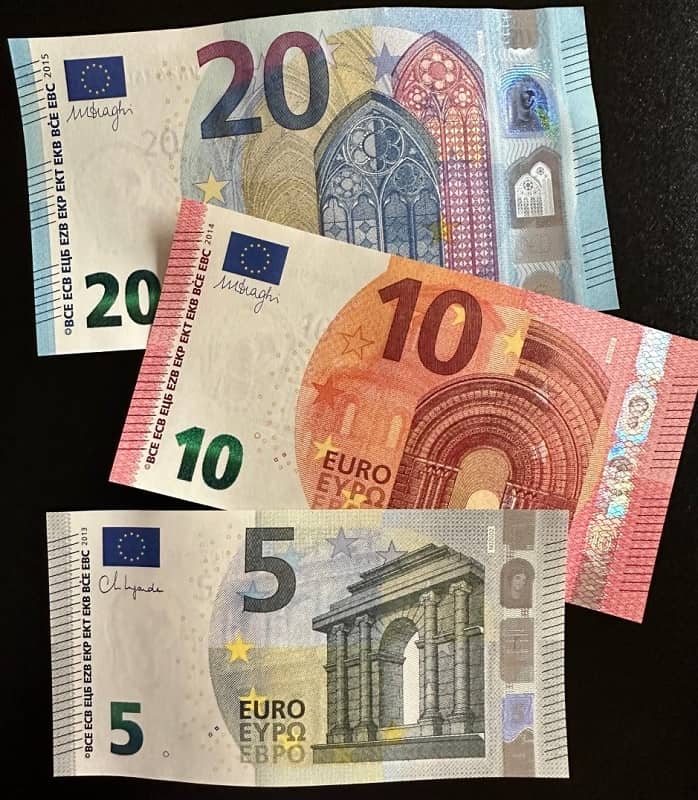
From a financial management perspective, using an ATM attached to a reputable bank is always preferable to using independent, high-fee kiosks found in high-traffic tourist areas. These independent machines often use “Dynamic Currency Conversion” (DCC), a financial trap where the machine offers to charge you in your home currency at an abysmal exchange rate. Staying within the traditional banking infrastructure ensures that you receive the interbank rate, which is the most efficient way to access Euro.
Smart Financial Management for Travelers and Expats
Managing money in a foreign currency requires a strategic approach to minimize loss and maximize purchasing power. Whether you are dealing with a short-term stay or long-term relocation to Italy, the way you handle the Euro can significantly impact your bottom line.
Minimizing Currency Exchange Fees
One of the most common pitfalls in personal finance is the “hidden” cost of currency exchange. Traditional exchange booths at airports often charge commissions or bake 5–10% margins into their exchange rates. To manage your money wisely in Italy, financial experts recommend using “neo-banks” or fintech tools like Revolut, Wise, or Monzo. These platforms allow users to hold Euro balances and convert currency at the mid-market rate with minimal fees. By bypassing traditional wire transfers and high-street bank exchanges, individuals can save hundreds of Euros on large transactions, such as paying for a long-term rental or purchasing Italian real estate.
Understanding VAT and Tax Refunding
For those engaged in high-end commerce or business procurement in Italy, understanding the Imposta sul Valore Aggiunto (IVA), or Value Added Tax, is crucial. The standard IVA rate is currently 22%. From a business finance standpoint, this tax is often recoverable for registered businesses. For non-EU residents, personal shopping for items over a certain threshold (usually €154.94) allows for a tax refund upon departure from the country. Managing these receipts and understanding the “Tax-Free” shopping process is a simple but effective way to optimize personal spending while in the country.
Italy’s Role in the Global Economy and the Future of Money
Italy’s use of the Euro ties its fate to the broader European Central Bank (ECB) policies. As the third-largest economy in the bloc, Italy’s fiscal health directly influences the strength and stability of the Euro on the global stage.
The Impact of European Monetary Policy
Decisions made in Frankfurt by the ECB regarding interest rates and inflation targets have a direct impact on the Italian wallet. For example, when the ECB raises rates to combat inflation, the cost of mortgages and business loans in Italy rises accordingly. For investors looking at the Italian market, keeping a close eye on the spread between Italian government bonds (BTPs) and German bonds (Bunds) is a primary indicator of market confidence in Italy’s financial management. This “spread” is a vital metric in the world of finance, signaling the perceived risk of the Italian economy.
The Rise of Digital Currencies and Fintech Innovation
Looking toward the future, Italy is not immune to the global shift toward decentralized finance (DeFi) and digital assets. While the Euro remains the only legal tender, the Italian government and the Bank of Italy have been proactive in exploring a “Digital Euro.” This Central Bank Digital Currency (CBDC) would aim to combine the efficiency of digital payments with the security of central bank backing.
Furthermore, Italy has seen a surge in fintech startups focused on “Buy Now, Pay Later” (BNPL) services and automated wealth management. This innovation is changing how Italians save and spend, moving away from traditional “under-the-mattress” savings toward diversified digital portfolios. For the modern financial observer, Italy represents a unique blend of old-world fiscal tradition and a rapid, tech-driven sprint toward the future of money.
Conclusion
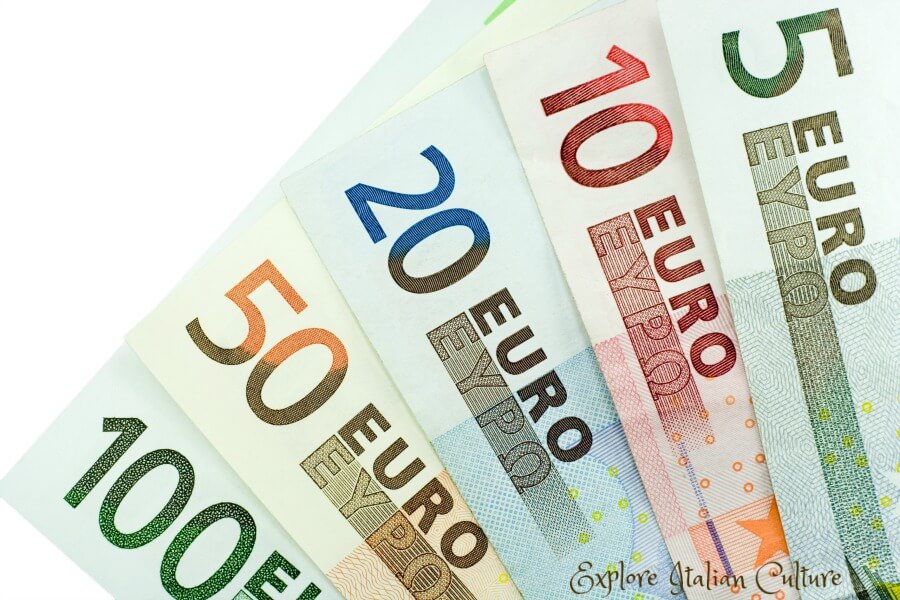
Understanding what type of currency Italy uses is the gateway to understanding the broader Italian economy. While the Euro is the tool of daily life, the nuances of its application—from the historical shadow of the Lira to the modern mandate for digital payments—define the financial experience in Italy.
For the savvy individual, managing money in Italy is about more than just having the right coins in your pocket; it is about navigating the banking systems, leveraging fintech to avoid unnecessary fees, and understanding the macroeconomic forces that dictate the value of the Euro. Whether you are sipping an espresso in Rome or analyzing market trends in Milan, a sophisticated approach to Italy’s currency is the foundation of financial success in the Bel Paese.
aViewFromTheCave is a participant in the Amazon Services LLC Associates Program, an affiliate advertising program designed to provide a means for sites to earn advertising fees by advertising and linking to Amazon.com. Amazon, the Amazon logo, AmazonSupply, and the AmazonSupply logo are trademarks of Amazon.com, Inc. or its affiliates. As an Amazon Associate we earn affiliate commissions from qualifying purchases.