
In the rapidly evolving landscape of telecommunications, the lines between traditional cellular providers and cable companies have blurred. One of the most prominent players in this hybrid space is Xfinity Mobile. For tech enthusiasts and consumers looking to optimize their mobile experience, understanding the underlying infrastructure of a service provider is paramount. The question “What towers does Xfinity Mobile use?” leads us into a sophisticated discussion about Mobile Virtual Network Operators (MVNOs), network architecture, and the convergence of cellular and Wi-Fi technologies.
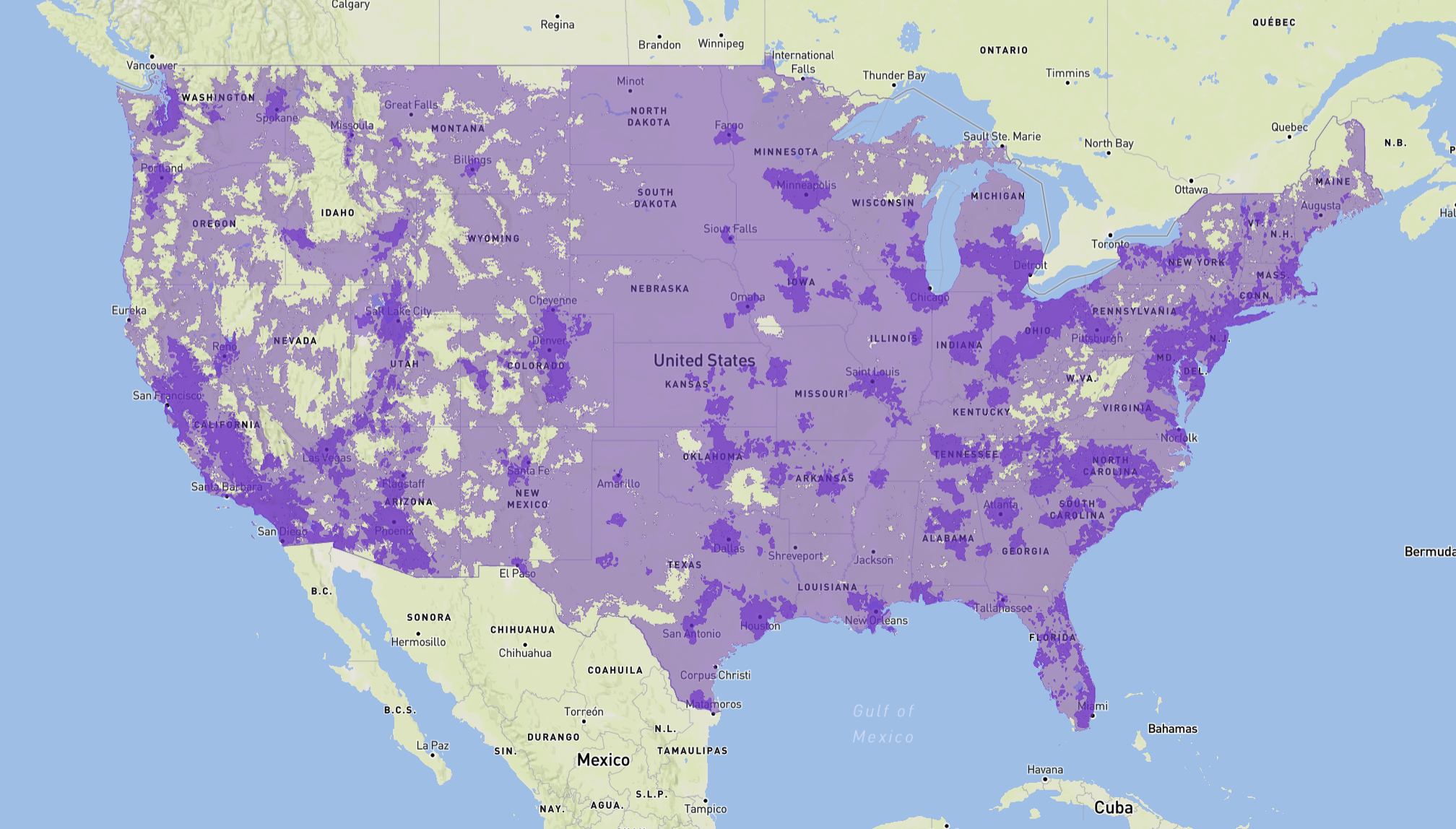
Xfinity Mobile does not own its own cellular towers. Instead, it operates as a high-tier MVNO, leveraging a strategic partnership with one of the nation’s most robust infrastructures while simultaneously utilizing a proprietary network of millions of Wi-Fi hotspots. This dual-network approach represents a significant shift in how digital connectivity is delivered and managed in the modern era.
The Backbone of Xfinity Mobile: Understanding the Verizon Partnership
At the core of Xfinity Mobile’s cellular service is the Verizon Wireless network. To understand why this choice is significant from a technical standpoint, one must look at the capital expenditure and spectral efficiency that Verizon has maintained over decades.
The Mechanics of a High-Tier MVNO
Xfinity Mobile operates through a sophisticated wholesale agreement with Verizon. Unlike smaller MVNOs that may only lease a fraction of a network’s capacity, Xfinity (owned by Comcast) leverages a long-standing “spectrum-for-service” agreement. This allows Xfinity to provide its users with access to Verizon’s 4G LTE and 5G networks.
From a technical perspective, when your phone displays the Xfinity Mobile logo, it is communicating with Verizon’s macro cells and small cells. The “Virtual” in MVNO refers to the fact that while Xfinity manages the billing, customer service, and SIM card provisioning, the physical radio waves travel over Verizon’s hardware.
Why Verizon? The Reliability and Coverage Factor
Verizon has historically invested heavily in the 700 MHz Upper Block C spectrum. In the world of RF (Radio Frequency) engineering, lower frequencies are prized for their ability to penetrate buildings and travel long distances. By using Verizon’s towers, Xfinity Mobile inherits a network built on a foundation of wide-area coverage and high-density urban penetration. This provides Xfinity users with a level of reliability that matches the “Big Three” carriers, particularly in rural or obstructed environments where higher-frequency signals (like those often used by competitors) might struggle.
Leveraging the Xfinity Wi-Fi Ecosystem for Seamless Connectivity
What separates Xfinity Mobile from a standard MVNO is its integration with Comcast’s massive terrestrial footprint. This is where the “Tech” aspect of the service truly shines, as it utilizes a hybrid connectivity model.
Wi-Fi Offloading: The Hybrid Connectivity Strategy
Xfinity Mobile is designed to prioritize Wi-Fi over cellular data. This process, known as Wi-Fi offloading, is managed by specialized firmware on the device. Comcast has deployed over 20 million Wi-Fi hotspots across the United States. These aren’t just home routers; they include outdoor hotspots and business-class access points.
When an Xfinity Mobile device detects a verified Xfinity Wi-Fi hotspot, it automatically establishes a secure connection and routes data traffic away from the cellular towers. This reduces the load on the Verizon network and, for users on metered plans, preserves cellular data. The technical challenge here is the “handover”—the ability of the software to transition a data session from a Wi-Fi signal to a 4G/5G signal without dropping a call or interrupting a stream.
Secure Auto-Connect and Data Optimization
Security is a primary concern when dealing with millions of hotspots. Xfinity employs a protocol known as Passpoint (or Hotspot 2.0). This technology allows the mobile device to automatically identify and authenticate with a secure Wi-Fi network using encrypted credentials stored on the SIM card. Unlike “open” public Wi-Fi, these connections utilize WPA2 or WPA3 enterprise-level encryption, ensuring that the transition from a Verizon tower to an Xfinity hotspot does not compromise user data integrity.
The Evolution of 5G and Ultra-Wideband Performance
As the industry shifts toward the 5G standard, the technology behind Xfinity Mobile’s towers has become significantly more complex. Xfinity users have access to Verizon’s various 5G tiers, which are categorized by their frequency and throughput capabilities.
Spectrum Management: Sub-6GHz vs. mmWave
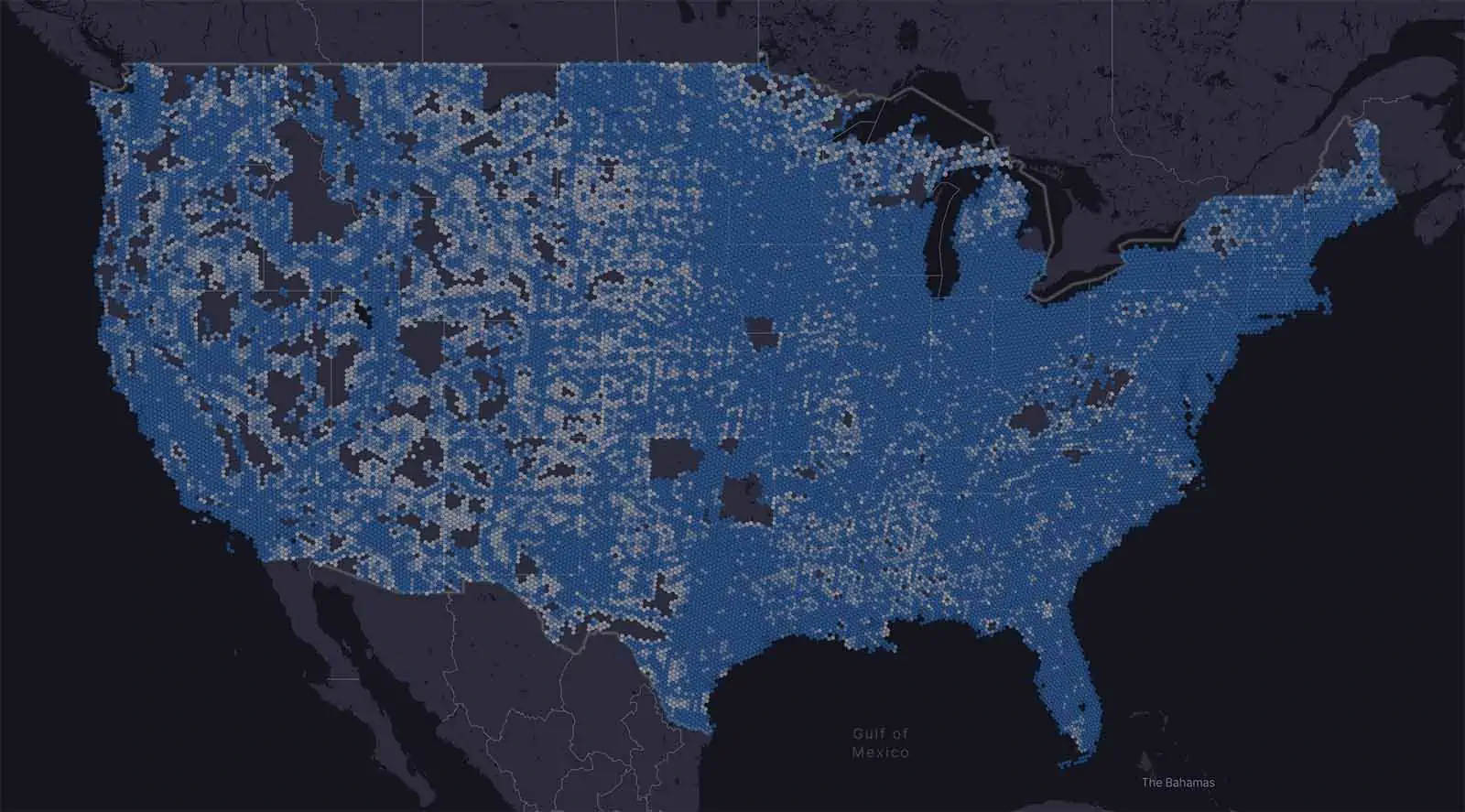
Verizon’s 5G strategy, which Xfinity inherits, relies on a “layer cake” of spectrum.
- Low-Band 5G: Uses frequencies similar to 4G LTE, offering broad coverage but speeds only marginally faster than LTE.
- C-Band (Mid-Band): This is the “sweet spot” of 5G. It offers a balance of significant range and multi-hundred-megabit speeds.
- mmWave (Ultra Wideband): These are extremely high frequencies (24GHz and above). While the range is limited to a few city blocks, the bandwidth is massive, often exceeding 1 Gbps.
Xfinity Mobile customers with 5G-capable devices can utilize all three tiers. This is critical for high-bandwidth applications like cloud gaming, 4K video editing on the go, and AR/VR applications that require low latency.
Network Congestion and Deprioritization
A technical reality of MVNOs is the concept of Quality of Service (QoS) and Data Prioritization. In the networking world, this is often managed via QCI (Quality Class Identifier) levels. During times of extreme network congestion—such as at a crowded stadium—Verizon may prioritize its own direct subscribers over MVNO subscribers.
However, Xfinity Mobile has navigated this by offering “By the Gig” and “Unlimited” tiers that often include a set amount of “Premium Data.” Technically, this means Xfinity users are assigned a higher QCI level, putting them on equal footing with Verizon’s own customers until a certain data threshold is met. Understanding these backend priority tags is essential for users who rely on their mobile devices for mission-critical professional tasks.
Hardware Integration and Device Compatibility
The relationship between the towers and the device is governed by hardware compatibility—specifically, the radio bands supported by the smartphone’s modem.
Band Support and Firmware Optimization
Because Xfinity Mobile utilizes Verizon’s towers, the devices must support specific LTE and 5G NR (New Radio) bands. For LTE, this includes primary bands like 2, 4, 5, 13, and 66. For 5G, it includes n260 and n261 for mmWave and n77 for C-Band.
Xfinity-branded devices come with optimized firmware that is specifically tuned for the Verizon/Xfinity handoff. This firmware handles the “Carrier Settings” updates, which tell the phone which towers have priority and how to manage the transition between different generations of cellular technology. For “Bring Your Own Device” (BYOD) users, the tech hurdle involves ensuring the device is “carrier-unlocked” and possesses the necessary antennae to communicate with Verizon’s specific frequency allocations.
The Future of eSIM and Provisioning Technologies
We are seeing a shift toward eSIM (embedded SIM) technology, and Xfinity Mobile has embraced this. From a technical standpoint, eSIM allows for the over-the-air (OTA) provisioning of the network profile. This eliminates the need for a physical piece of plastic and allows the device to download the cryptographic keys necessary to authenticate with Verizon’s towers and Xfinity’s secure Wi-Fi nodes. This move toward software-defined networking makes the transition between towers and hotspots even more fluid for the end-user.
Security Protocols in the Modern Mobile Landscape
Connecting to a network involves more than just speed; it involves the secure transmission of packets across a vast web of infrastructure.
Encrypting Data Over Public Hotspots
As mentioned earlier, Xfinity’s heavy reliance on Wi-Fi hotspots necessitates a robust security architecture. When a device moves from a Verizon tower to an Xfinity Wi-Fi node, the technical “tunnel” must remain secure. Xfinity utilizes a combination of EAP-TTLS (Extensible Authentication Protocol – Tunneled Transport Layer Security) to ensure that even if a user is in a public space, their connection to the Xfinity backbone is encrypted.
Network-Level Protections and Privacy
Behind the scenes, the data moving through the towers is subject to rigorous network-level security. Verizon’s infrastructure includes advanced firewalling and DDoS (Distributed Denial of Service) mitigation. Because Xfinity Mobile data is routed through Verizon’s core network before hitting the broader internet, users benefit from the enterprise-grade security protocols implemented at the macro-network level.
Conclusion
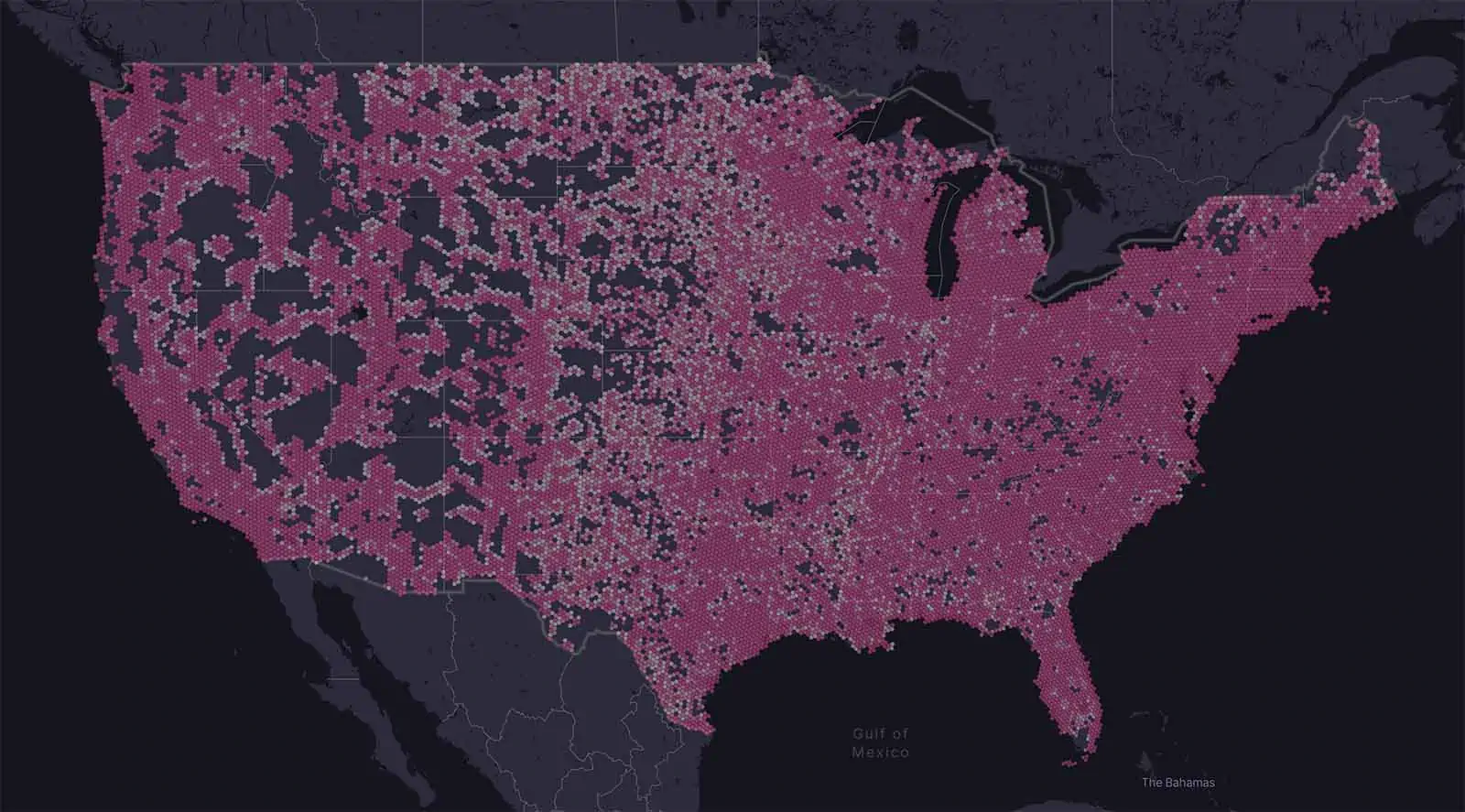
When we ask “What towers does Xfinity Mobile use?”, the answer is a fascinating look at modern technological synergy. It is not a simple story of leasing space on a tower; it is a sophisticated integration of Verizon’s expansive cellular infrastructure and Comcast’s pervasive Wi-Fi ecosystem.
For the tech-savvy user, Xfinity Mobile represents a masterclass in hybrid networking. By combining the long-range reliability of Verizon’s low-band spectrum with the high-speed potential of C-Band and mmWave 5G—and supplementing all of it with a massive, secure Wi-Fi offloading network—Xfinity has created a resilient digital fabric. As we move further into the era of 5G and eventually 6G, the ability to switch seamlessly between diverse radio technologies will be the hallmark of a premium mobile experience. Understanding this underlying tech ensures that users can make informed decisions about their connectivity in an increasingly wireless world.
aViewFromTheCave is a participant in the Amazon Services LLC Associates Program, an affiliate advertising program designed to provide a means for sites to earn advertising fees by advertising and linking to Amazon.com. Amazon, the Amazon logo, AmazonSupply, and the AmazonSupply logo are trademarks of Amazon.com, Inc. or its affiliates. As an Amazon Associate we earn affiliate commissions from qualifying purchases.