
Purchasing a home is arguably the most significant financial commitment an individual will make in their lifetime. While it is easy to get swept up in the aesthetic appeal of a modern kitchen or the charm of a well-manicured lawn, a house is, first and foremost, a massive asset—and occasionally a massive liability. From a personal finance and investment perspective, “what to look out for” transcends the physical structure. It involves a deep dive into debt structures, long-term valuation trends, and the “phantom costs” that can erode personal wealth. To make a prudent decision, one must approach the home-buying process with the rigor of an institutional investor.

Assessing Your Financial Readiness and Mortgage Strategy
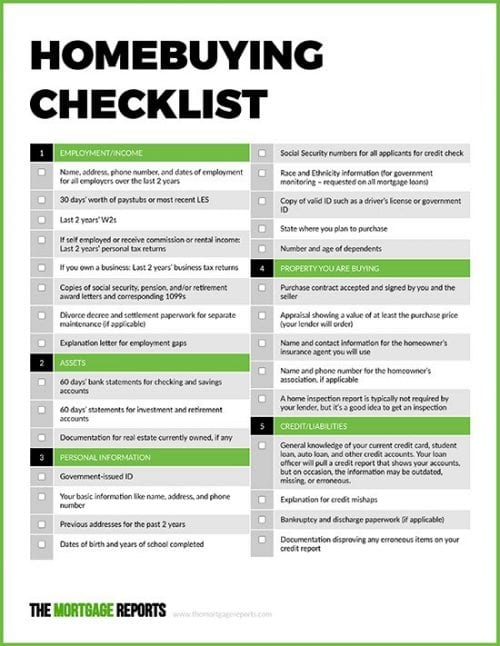
Before even stepping foot into an open house, your financial foundation must be scrutinized. The mortgage you choose will dictate your cash flow for the next 15 to 30 years. Looking out for the right financial markers ensures that your home remains an engine for wealth creation rather than a drain on your net worth.
Understanding the Debt-to-Income (DTI) Ratio
Lenders use the Debt-to-Income ratio to determine how much they are willing to lend you, but their limit is often higher than what is comfortable for a healthy personal budget. Generally, your total monthly debt payments (including the prospective mortgage, car loans, and student loans) should not exceed 36% of your gross monthly income. Looking out for a lower DTI gives you a “margin of safety,” allowing you to weather economic downturns or periods of unemployment without risking foreclosure.
Fixed-Rate vs. Adjustable-Rate Mortgages
In a fluctuating interest rate environment, choosing the right mortgage product is a critical financial maneuver. A Fixed-Rate Mortgage (FRM) offers predictability, locking in your interest rate for the duration of the loan. Conversely, an Adjustable-Rate Mortgage (ARM) might offer lower initial rates but carries the risk of significant increases later. When buying a house, look out for “teaser rates” that may appear affordable today but could lead to payment shocks five years down the line if market rates climb.
The Impact of Credit Scores on Long-Term Interest Costs
A difference of even 0.5% in an interest rate can result in tens of thousands of dollars in extra interest over the life of a loan. Before applying, it is essential to look out for discrepancies in your credit report. Boosting your score into the “Excellent” range (740+) can significantly lower your cost of capital, making the investment far more profitable over time.
Beyond the Sticker Price: Uncovering Hidden and Ongoing Costs
The “price” of a house is a deceptive figure. Many first-time buyers fall into the trap of calculating affordability based solely on the mortgage principal and interest. To protect your financial health, you must look out for the secondary costs that accumulate silently.
Property Taxes and Neighborhood Valuations
Property taxes are a significant recurring expense that can fluctuate wildly based on local government decisions and school district funding. When evaluating a property, look out for recent tax reassessments. If a house has been owned by the same person for 30 years, the tax bill might jump significantly once the sale triggers a new valuation. Researching the local municipality’s history of tax hikes is vital for long-term budget planning.
Homeowners Association (HOA) Fees and Special Assessments
If the property is part of a managed community or a condominium, HOA fees can add hundreds or even thousands of dollars to your monthly expenses. Beyond the standard monthly fee, you must look out for “special assessments”—one-time charges for major repairs like roof replacements or parking lot repaving. Reviewing the HOA’s financial reserves is a mandatory step; if the association is underfunded, you are essentially buying into a future financial liability.
Maintenance Reserves and the 1% Rule
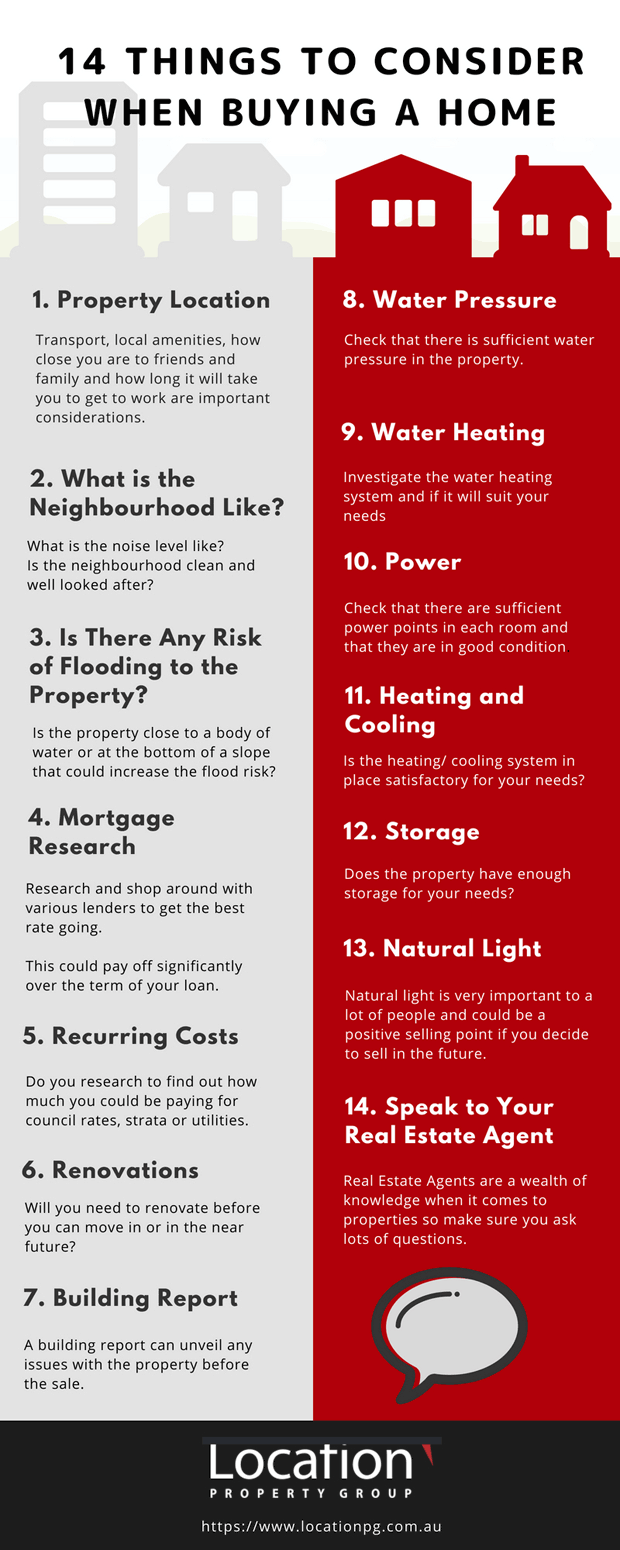
A house is a depreciating physical structure sitting on appreciating land. To maintain the value of the structure, regular capital expenditures are required. Financial experts often suggest the “1% Rule,” which dictates that you should set aside 1% of the home’s purchase price annually for maintenance and repairs. When inspecting a house, look out for the age of major systems like the HVAC, roof, and water heater. If these are near the end of their lifecycle, they represent a deferred cost that should be factored into your negotiation or your initial cash reserves.
Analyzing the Property as a Financial Investment
Even if you intend to live in the house for decades, you should view the purchase through the lens of an investor. A home is often a primary component of an individual’s net worth, and its ability to appreciate determines your future mobility and retirement security.
Location, Gentrification, and Appreciation Potential
The old adage “location, location, location” is actually a risk management strategy. You want to look out for indicators of economic growth in the surrounding area. Are new businesses moving in? Is there investment in public infrastructure? Buying the least expensive house in a high-growth neighborhood is often a better financial move than buying the most expensive house in a stagnant area. Appreciation is where the real wealth is built in real estate, often outpacing the equity gained through monthly payments.
Rental Yield and Secondary Income Streams (House Hacking)
A savvy financial move is to look out for properties with “house hacking” potential. This involves buying a property that has an accessory dwelling unit (ADU), a finished basement, or a layout that allows for a roommate. By generating rental income from your primary residence, you can offset your mortgage costs, effectively lowering your cost of living and increasing your ability to invest in other assets like stocks or bonds.
Resale Value and Liquidity Considerations
Real estate is an illiquid asset; it takes time and money (commissions and closing costs) to sell. Therefore, you must look out for features that might hurt your resale value. Homes with “unique” floor plans, proximity to noisy highways, or lack of a second bathroom might be cheaper now, but they will also be harder to sell in a down market. To maximize your financial flexibility, choose a property that appeals to the broadest possible buyer pool.
The Role of Contingencies and Protections in Your Contract
The legal contract of a home purchase is where financial ruin can be avoided or invited. Looking out for the right clauses ensures that you have an “exit ramp” if the deal turns sour or if the property’s value is brought into question.
The Appraisal Gap and Financing Contingencies
In competitive markets, houses often sell for more than their appraised value. However, banks will only lend based on the appraisal. If there is a “gap,” you must cover the difference in cash. When buying, look out for your exposure to an appraisal gap. A financing contingency protects you, allowing you to withdraw from the deal without losing your earnest money deposit if the bank refuses to fund the loan at the agreed-upon price.
Inspection Clauses as Financial Safeguards
An inspection contingency is your primary tool for uncovering “money pits.” You are looking out for structural issues, mold, or outdated electrical systems that could require tens of thousands of dollars to fix. From a money management perspective, the inspection report is a negotiation tool. You can ask for a price reduction or a seller credit at closing, which keeps more cash in your pocket for future investments.
Title Insurance and Preventing Costly Legal Disputes
One of the most overlooked financial risks is a clouded title. Liens from unpaid contractors, back taxes, or inheritance disputes can threaten your ownership of the property. When buying a house, look out for the quality of the title search and ensure you have comprehensive title insurance. This one-time fee protects your entire investment from legal challenges that could otherwise result in total financial loss.
Conclusion: The Holistic Financial View
Buying a house is not merely a lifestyle choice; it is a complex financial transaction that requires a balance of micro-level budgeting and macro-level economic forecasting. By looking out for debt-to-income ratios, hidden maintenance costs, appreciation potential, and contractual protections, you transform a potentially emotional purchase into a strategic financial win.
In the modern economy, homeownership should serve as a pillar of your financial portfolio. Whether it is through the tax advantages of mortgage interest deductions or the long-term compounding of land value, a well-vetted property is a powerful tool for building generational wealth. Always remember: you make your money when you buy, not when you sell. Diligence during the acquisition phase is the best way to ensure your home remains an asset that works for you, rather than you working for your home.
aViewFromTheCave is a participant in the Amazon Services LLC Associates Program, an affiliate advertising program designed to provide a means for sites to earn advertising fees by advertising and linking to Amazon.com. Amazon, the Amazon logo, AmazonSupply, and the AmazonSupply logo are trademarks of Amazon.com, Inc. or its affiliates. As an Amazon Associate we earn affiliate commissions from qualifying purchases.