
Buying a home is rarely just a lifestyle choice; for the vast majority of individuals, it represents the single largest financial transaction of their lives. While it is easy to get swept up in the aesthetic appeal of a modern kitchen or the charm of a landscaped backyard, a savvy buyer must view the property through the lens of an investor. A home is a complex asset that carries significant implications for your net worth, cash flow, and long-term financial security.
To navigate the current real estate market effectively, one must look beyond the surface level. This guide examines the critical financial markers and strategic considerations that should dictate your decision-making process when acquiring real estate.

The Financial Foundation: Assessing Your Budget and Mortgage Viability
Before the first open house, the most critical “look” is an internal one—specifically, at your balance sheet. The financial architecture of your home purchase determines whether the asset will build wealth or become a “money pit” that drains your monthly liquidity.
Understanding Debt-to-Income (DTI) Ratios
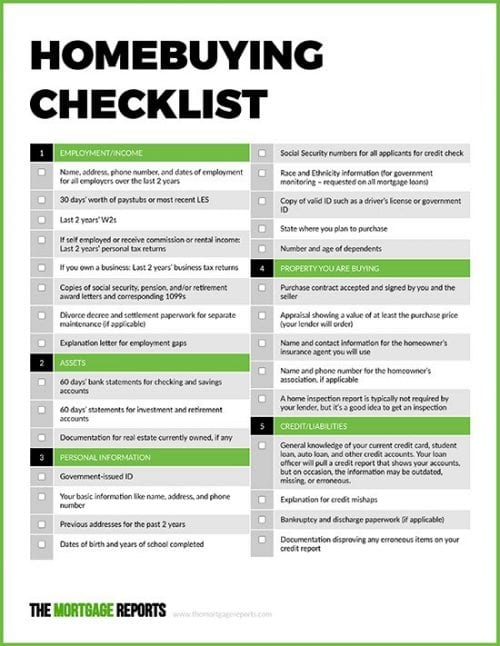
Lenders primarily use the Debt-to-Income ratio to determine your borrowing capacity, but as a buyer, you should use it to determine your comfort level. There are two types: the “front-end” ratio (the percentage of income going toward housing costs) and the “back-end” ratio (total debt obligations). While many lenders allow a back-end DTI of up to 43%, financial prudence often suggests keeping your total housing costs—including principal, interest, taxes, and insurance (PITI)—under 28% of your gross monthly income. This buffer ensures that a temporary dip in income or an unexpected repair doesn’t lead to financial insolvency.
The Nuance of Pre-Approval vs. Pre-Qualification
In a competitive market, looking for a home without a robust pre-approval is a tactical error. While a pre-qualification is a surface-level estimate based on self-reported data, a pre-approval involves a rigorous verification of your tax returns, W-2s, and bank statements. This not only clarifies your exact budget but also positions you as a “cash-like” buyer in the eyes of the seller, potentially allowing you to negotiate a lower purchase price or better terms.
Factoring in Closing Costs and “Hidden” Entry Fees
A common oversight for first-time buyers is failing to account for the immediate liquidity required at the closing table. Beyond the down payment, closing costs—ranging from loan origination fees and title insurance to appraisal fees and prepaid taxes—typically account for 2% to 5% of the home’s purchase price. Looking for a home means looking at your total liquid reserves to ensure you aren’t “house poor” the moment you receive the keys.
Market Analysis: Location and Appreciation Potential
In the world of personal finance, a home is an investment in land and location. The structure itself is a depreciating asset that requires constant maintenance, while the land beneath it is what appreciates. Therefore, identifying the right market conditions is paramount.
Researching Local Market Cycles and Trends
Real estate markets are hyper-local. When evaluating a property, look at the “Days on Market” (DOM) for the surrounding area. A low DOM suggests a seller’s market where you may have less room for negotiation, whereas a high DOM might indicate an opportunity to acquire an undervalued asset. Furthermore, examine the historical appreciation rates of the specific zip code compared to the national average. A home in a stagnant market may offer stability, but a home in a growth corridor offers wealth acceleration.
The Impact of School Districts and Infrastructure
Even if you do not have children, the quality of the local school district is a primary driver of home value and liquidity. Homes in high-performing districts tend to hold their value better during economic downturns and appreciate faster during upswings. Similarly, look for planned infrastructure projects. Proximity to new transit hubs, major corporate headquarters, or revitalized commercial zones can provide a significant boost to a property’s “exit value” five to ten years down the line.
Identifying “Up-and-Coming” Indicators
Wealth is often built by “buying the worst house on the best block” or identifying neighborhoods on the cusp of gentrification. Look for signs of institutional investment: are national retailers or high-end coffee chains moving into the area? Is there a high volume of permits being pulled for home renovations in the neighborhood? These are leading indicators that the area is attracting capital, which will eventually translate into higher residential property values.
Evaluating the Property as a Tangible Asset
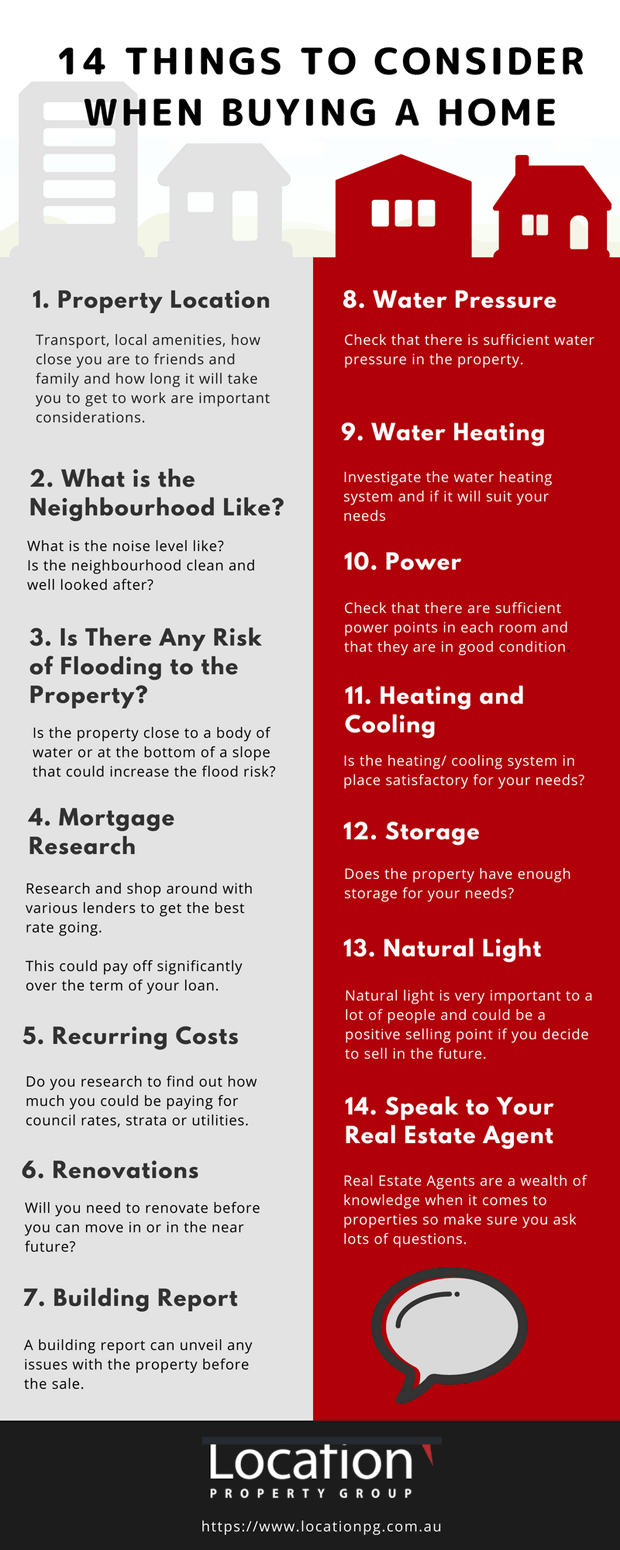
Once the macro-financials are in place, the focus shifts to the micro-level evaluation of the physical asset. A professional home inspection is a financial tool used to mitigate risk and negotiate credits.
Structural Integrity and Deferred Maintenance
The most expensive components of a home are the foundation, the roof, and the mechanical systems (HVAC, plumbing, electrical). When viewing a home, look for signs of “deferred maintenance.” If a seller has neglected minor issues like leaky faucets or peeling paint, it is highly probable they have neglected major systems as well. Replacing a roof or repairing a cracked foundation can cost tens of thousands of dollars, immediately eroding the equity you put into the home.
Energy Efficiency and Operational Costs
A home’s purchase price is only one part of the cost of ownership. High-performance homes with modern insulation, energy-efficient windows, and updated HVAC systems offer lower monthly operational costs. In an era of rising utility prices, an energy-efficient home is a more sustainable financial asset. Conversely, a drafty older home with an inefficient heating system represents a recurring “tax” on your monthly cash flow.
Layout and Functional Obsolescence
“Functional obsolescence” is a term used by appraisers to describe a property feature that is no longer desirable or useful, which can negatively impact value. For example, a four-bedroom home with only one bathroom or a kitchen that is isolated from the living areas may be harder to resell. When looking at a home, consider how the floor plan aligns with modern buyer preferences. A layout that facilitates “open concept” living or provides dedicated home office space is currently a high-value asset in the professional market.
The Investment Strategy: ROI and Tax Implications
Finally, a sophisticated buyer looks at a home not just as a residence, but as a vehicle for tax optimization and potential income generation.
The Potential for Passive Income
One of the most effective ways to offset a mortgage is “house hacking.” Look for properties with features that allow for secondary income, such as an Accessory Dwelling Unit (ADU), a finished basement with a separate entrance, or a layout that easily accommodates a long-term renter or short-term Airbnb guest. Transforming a portion of your primary residence into an income-producing asset can significantly accelerate your path to financial independence.
Navigating Tax Deductions and Capital Gains
Real estate offers some of the most favorable tax treatments in the financial world. In many jurisdictions, mortgage interest and property taxes are deductible up to certain limits. More importantly, when it comes time to sell, many countries offer a capital gains exclusion for primary residences (such as the Section 121 exclusion in the U.S., which allows individuals to exclude up to $250,000 of gain). When looking for a home, consider the holding period required to maximize these tax advantages.
Long-Term Equity Growth and Refinancing Options
Buying a home is a hedge against inflation. While rent prices tend to rise with inflation, a fixed-rate mortgage stays the same, meaning your “real” housing cost actually decreases over time. Furthermore, look at the property’s potential for a “cash-out refinance” or a Home Equity Line of Credit (HELOC). These tools allow you to tap into the home’s equity to fund further investments, such as purchasing a second rental property or investing in a business venture, making your home the cornerstone of a broader financial portfolio.
Conclusion
Looking for a home requires a dual-track mindset: one that appreciates the emotional value of a sanctuary and another that rigorously audits the financial viability of an investment. By focusing on debt ratios, market trends, structural integrity, and tax-efficient strategies, you ensure that your home purchase serves your long-term wealth goals. In the realm of personal finance, the best home is not necessarily the one with the grandest view, but the one that provides the greatest margin of safety and the highest potential for equity growth.
aViewFromTheCave is a participant in the Amazon Services LLC Associates Program, an affiliate advertising program designed to provide a means for sites to earn advertising fees by advertising and linking to Amazon.com. Amazon, the Amazon logo, AmazonSupply, and the AmazonSupply logo are trademarks of Amazon.com, Inc. or its affiliates. As an Amazon Associate we earn affiliate commissions from qualifying purchases.