
The age-old adage “money can’t buy happiness” has been debated in ivory towers and around dinner tables for centuries. However, modern financial psychology and behavioral economics are beginning to paint a more nuanced picture. While a stack of banknotes cannot directly manufacture a smile, the way individuals manage, perceive, and utilize their financial resources plays a definitive role in their overall life satisfaction. What makes happy people happy, from a financial perspective, is not necessarily the size of their bank account, but the level of autonomy and security that their money provides.
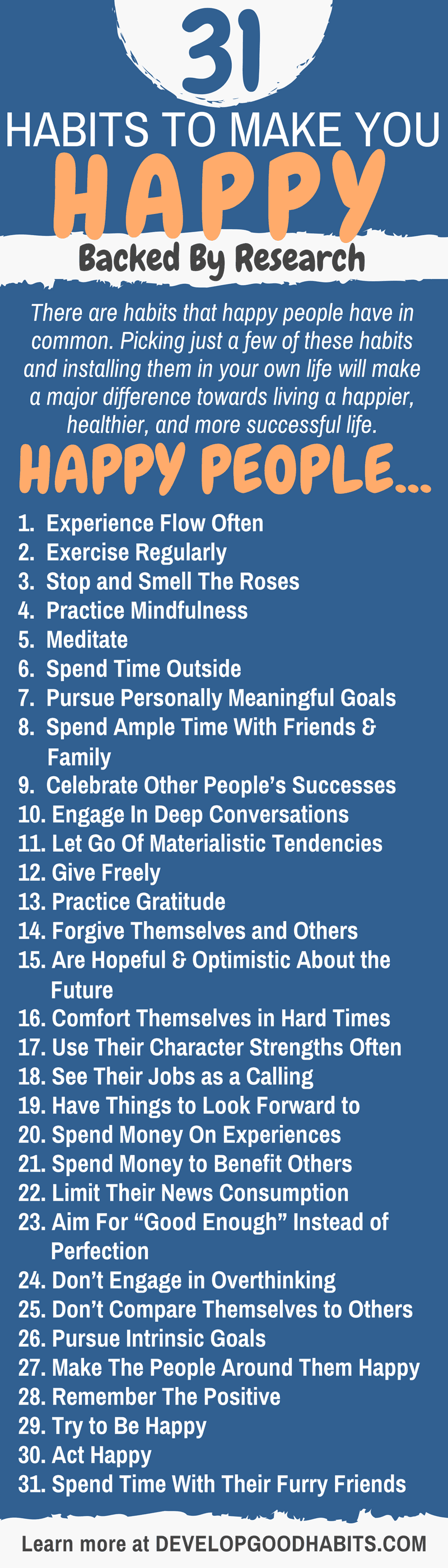
In the realm of personal finance, happiness is rarely about the pursuit of luxury for luxury’s sake. Instead, it is about the strategic orchestration of capital to eliminate stress and maximize “time affluence.” This article explores the financial structures and mindsets that contribute to a fulfilling life, moving beyond the superficial metrics of net worth to the deeper mechanics of financial well-being.
The Foundation of Financial Autonomy
At the core of a happy person’s financial life is the concept of autonomy. Research consistently shows that a sense of control over one’s life is one of the most reliable predictors of positive mental health. In a financial context, this translates to the ability to make choices without being coerced by economic desperation.
Breaking the Cycle of Living Paycheck to Paycheck
The primary thief of happiness is chronic stress, and few things are more stressful than the “paycheck to paycheck” cycle. Happy people—or those who report high levels of life satisfaction—often prioritize the creation of a “buffer.” This isn’t about being wealthy; it’s about being liquid. When an individual is no longer tethered to the immediate arrival of next month’s salary to cover this month’s rent, their psychological baseline shifts from “survival” to “thriving.” This shift reduces cortisol levels and opens up mental bandwidth for creativity, relationships, and personal growth.
The Security Blanket: Building an Emergency Fund
What makes happy people happy is often the absence of “catastrophic anxiety.” By establishing a robust emergency fund—typically three to six months of living expenses—individuals create a private insurance policy against the unpredictability of life. Knowing that a job loss, a medical emergency, or a major home repair will not lead to financial ruin provides a “peace of mind” dividend that no high-yield investment can match. This fund acts as a shock absorber, allowing the individual to navigate life’s inevitable bumps with grace rather than panic.
Investing in Experiences Over Possessions
One of the most significant findings in the study of “happy money” is the superiority of experiential spending over material acquisition. While the thrill of a new car or a designer handbag fades quickly due to a phenomenon known as hedonic adaptation, the value of experiences tends to appreciate over time in the form of memories and social connection.
The Diminishing Returns of Material Wealth
Material goods are subject to “the hedonic treadmill.” We buy something new, we get a dopamine hit, and then we quickly adapt to the new object as our “new normal.” To get the same hit again, we must buy something even more expensive. Happy people recognize this trap. They understand that after a certain threshold of comfort is met, additional physical possessions often bring more clutter and maintenance stress than actual joy. By consciously opting out of the “arms race” of consumerism, they free up capital for more meaningful pursuits.
Buying Time: The Ultimate Luxury
Perhaps the most sophisticated use of money in the pursuit of happiness is “buying time.” Whether it is paying for a cleaning service, using a grocery delivery app, or living closer to work to shorten a commute, using money to eliminate tasks that one finds soul-crushing is a direct investment in happiness. Happy people view money as a tool to reclaim their hours. By outsourcing the mundane, they protect their “time affluence,” allowing them to spend their most valuable resource—time—on hobbies, family, and rest.
Strategic Income Diversification and the Pursuit of Passion
In the modern economy, the traditional “one job for forty years” model is vanishing. Happy people have adapted to this by viewing their income through the lens of diversification and agency. Financial happiness is often found in the gap between “having to work” and “wanting to work.”
Diversifying Income for Peace of Mind
Relying on a single source of income is a high-risk strategy that breeds underlying anxiety. Happy people often engage in creating multiple streams of income, whether through dividend-investing, rental properties, or digital side hustles. This diversification provides a “Financial Fortress” effect. When your income is diversified, the power dynamic between you and your employer shifts. You are no longer a “hostage” to a single manager’s whims; you have the “walk-away power” that is essential for professional self-respect and emotional well-being.
Transforming Hobbies into Value-Driven Assets
The rise of the creator economy and online platforms has allowed happy people to monetize their passions in a way that feels like play rather than work. When a side hustle is born out of genuine interest, the income it generates is “high-quality” income. It provides a sense of purpose and achievement. The goal here isn’t necessarily to become a billionaire, but to create a financial ecosystem where one’s creative output provides both intellectual stimulation and a secondary layer of financial security.
The Psychology of “Enough” and Mindful Spending
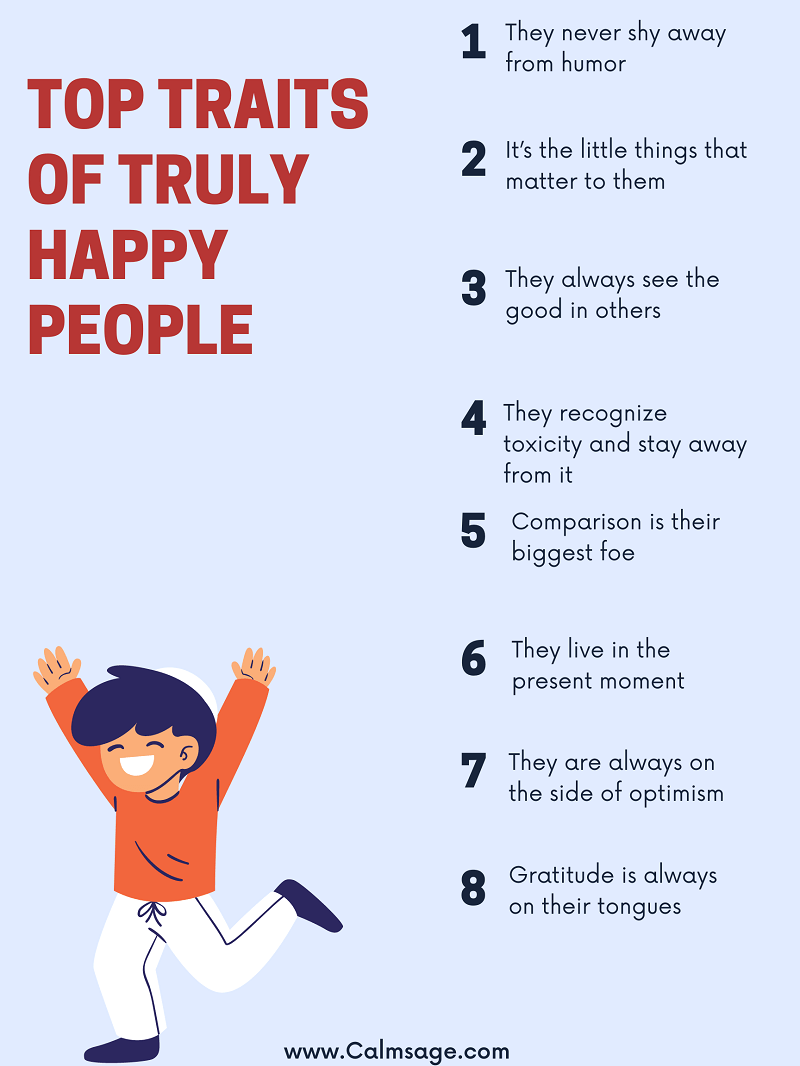
Ultimately, what makes happy people happy is the ability to define their own version of “enough.” In a world designed to make us feel perpetually inadequate, the decision to be satisfied is a radical act of financial rebellion.
Avoiding Lifestyle Creep
“Lifestyle creep” is the tendency for spending to rise in tandem with income. When people get a raise, they often immediately upgrade their house, their car, and their wardrobe. This keeps them on the treadmill, regardless of how much they earn. Happy people practice “lifestyle capping.” They allow their income to grow while keeping their expenses relatively stable. The surplus is directed toward investments or philanthropy, rather than inflated overhead. This creates a widening gap of “margin” in their lives, which is where true freedom resides.
Value-Based Budgeting: Spending Where It Counts
Happy people do not necessarily follow restrictive, “no-coffee” style budgets. Instead, they practice value-based budgeting. They are ruthlessly frugal on things that don’t matter to them so that they can be extravagantly generous on things that do. If travel is their passion, they might live in a modest apartment and drive an older car to afford two months of international exploration. By aligning their spending with their core values, they ensure that every dollar spent is an investment in their personal identity and joy.
Conclusion: The Wealth of a Well-Lived Life
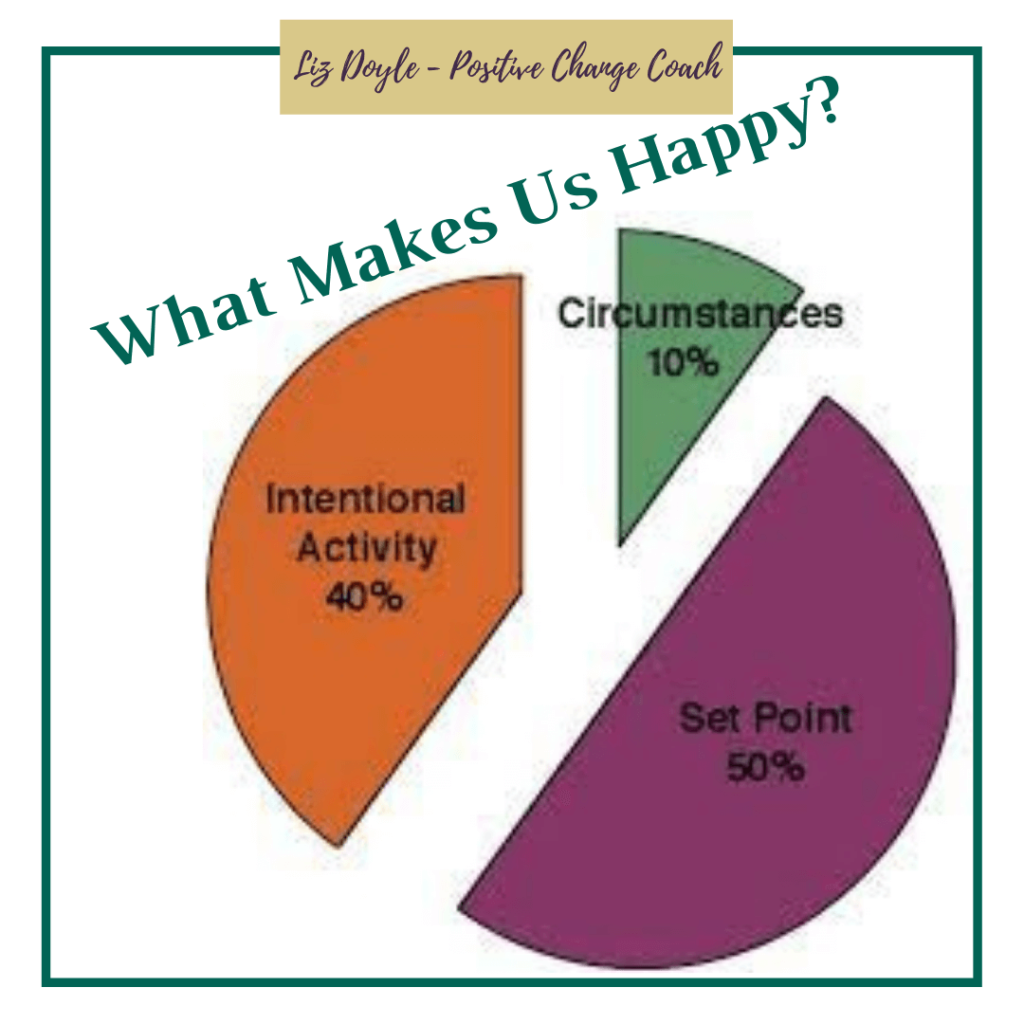
The secret to what makes happy people happy in the context of money is the realization that wealth is a means, not an end. True financial success is not measured by the numbers on a balance sheet, but by the number of mornings you wake up with the freedom to decide how your day will unfold.
By building a foundation of autonomy, prioritizing experiences over things, diversifying income to reduce fear, and mastering the psychology of “enough,” anyone can leverage their financial resources to build a more joyful life. Money may not buy happiness directly, but when managed with intention and wisdom, it provides the soil in which happiness can most easily grow. Happy people are not those who have the most, but those who need the least and use what they have to design a life of purpose, security, and time-rich freedom.
aViewFromTheCave is a participant in the Amazon Services LLC Associates Program, an affiliate advertising program designed to provide a means for sites to earn advertising fees by advertising and linking to Amazon.com. Amazon, the Amazon logo, AmazonSupply, and the AmazonSupply logo are trademarks of Amazon.com, Inc. or its affiliates. As an Amazon Associate we earn affiliate commissions from qualifying purchases.