
In the modern digital economy, the physical toll of technology is often overshadowed by its cognitive demands. Among the most prevalent physiological challenges facing software developers, data analysts, and digital creators today is cervical radiculopathy—a condition where a nerve root in the cervical spine becomes compressed or inflamed. While traditionally viewed through a purely medical lens, the progression and exacerbation of this condition are increasingly tied to our interaction with hardware, software design, and the evolving landscape of digital work environments. Understanding what makes cervical radiculopathy worse requires a deep dive into the technological habits and ergonomic failures that define the 21st-century workstation.
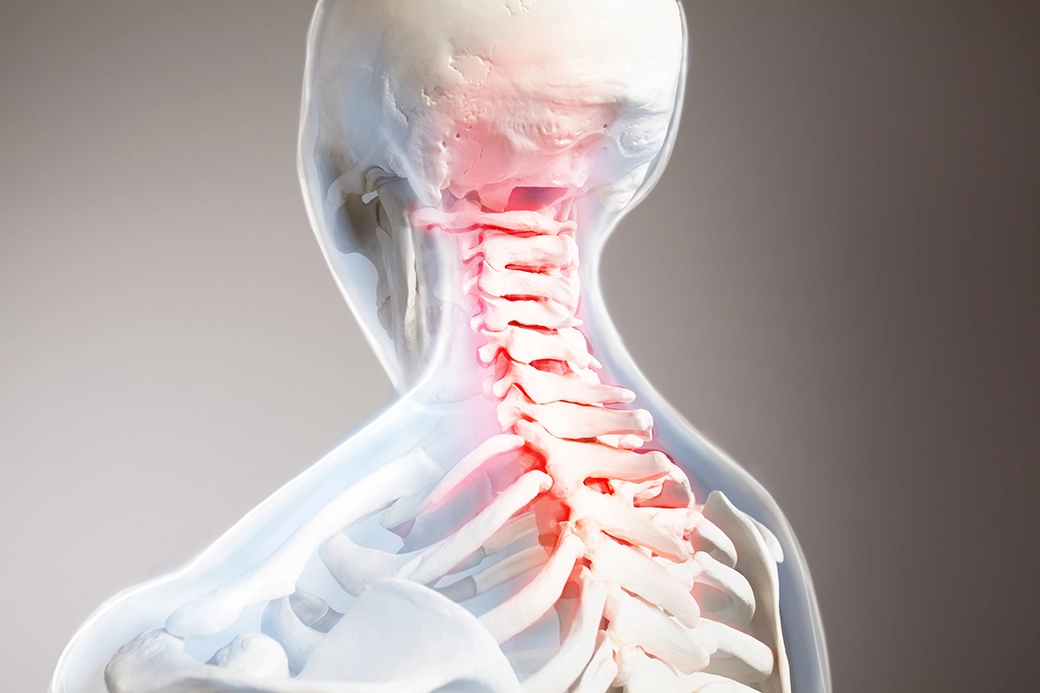
The “Tech Neck” Crisis: How Modern Hardware Design Exacerbates Nerve Compression
The primary catalyst for worsening cervical radiculopathy in the tech sector is the misalignment between human anatomy and hardware ergonomics. As devices have become more portable, they have simultaneously become more detrimental to spinal health when used without proper intervention.
Mobile Devices and the Geometry of Strain
The “smartphone lean” is perhaps the most significant technological factor in aggravating nerve compression. When a user tilts their head forward to look at a mobile device, the effective weight of the head on the cervical spine increases from approximately 10–12 pounds at a neutral position to nearly 60 pounds at a 60-degree angle. For a professional already suffering from cervical radiculopathy, this mechanical leverage puts immense pressure on the intervertebral discs. This persistent downward gaze, necessitated by small screen sizes and high-resolution displays that encourage close inspection, creates a repetitive strain environment that prevents nerve inflammation from subsiding.
The Pitfalls of Non-Ergonomic Remote Workstations
The shift toward hybrid and remote work has democratized the office, but it has also led to a decline in standardized ergonomic hardware. Many tech professionals have traded calibrated office setups for “laptop-only” configurations on kitchen tables or couches. Laptops are inherently non-ergonomic because the keyboard and screen are joined; if the keyboard is at the correct height for the hands, the screen is too low for the eyes, and vice versa. Using a laptop without a riser or external monitor forces a protracted “C-curve” in the neck, which is a primary driver in making radiculopathy symptoms transition from intermittent tingling to chronic, debilitating pain.
Peripheral Design and Upper Extremity Tension
Hardware isn’t limited to screens. The use of non-ergonomic mice and keyboards contributes significantly to the worsening of cervical issues. When a developer uses a standard mouse that requires constant pronation of the forearm, the tension often radiates upward through the trapezius muscles into the neck. This “upstream” tension tightens the scalene muscles, which can further impinge the nerves exiting the cervical spine. High-actuation-force mechanical keyboards, while popular for tactile feedback, can also contribute to peripheral nerve tension that exacerbates the underlying cervical pathology if the user’s posture is compromised.
Software Habits and the Sedentary Trap: Digital Factors That Aggravate Symptoms
While hardware provides the physical framework for injury, software design often dictates the behavioral patterns that make cervical radiculopathy worse. The “flow state” sought by many in tech is often a double-edged sword for spinal health.
Gamification of Overwork: The Role of Productivity Apps
The modern software ecosystem is designed to keep users engaged for maximum periods. Productivity tools, project management software (like Jira or Asana), and “deep work” timers often encourage users to remain in a static position for hours. For an individual with a compressed nerve, static loading is a major aggravator. When the body remains still, blood flow to the spinal discs decreases, and the muscles supporting the neck fatigue, causing the structural load to shift entirely onto the vertebrae and nerves. Software that does not integrate “movement prompts” or eye-level focus shifts contributes directly to the worsening of radiculopathy.
Continuous Scrolling and Micro-Repetitive Motion
UX/UI design trends like “infinite scroll” and “pull-to-refresh” have psychological implications, but they also have physical ones. These features encourage a fixed head position while the eyes and fingers perform micro-movements. For a tech professional, this leads to “locked-in” posture. The neck muscles enter a state of tonic contraction to stabilize the head during these micro-tasks, which increases the compressive force on the cervical nerve roots. The lack of natural “break points” in modern software interfaces means there are fewer opportunities for the neck to return to a neutral, decompressed state.

High-DPI Displays and Visual Strain
Advancements in display technology, such as 4K and 5K monitors, allow for incredible detail, but they can unintentionally worsen neck health. To read small text or inspect high-resolution code, users often jut their chin forward—a movement known as “forward head carriage.” This specific motion narrows the space where the nerves exit the spine (the neural foramina). Software environments that do not scale UI elements appropriately for high-DPI displays force users into this “turtle” posture, which is one of the fastest ways to aggravate an existing cervical radiculopathy.
Tech-Enabled Solutions: Using AI and Wearables to Prevent Deterioration
While technology has contributed to the rise of cervical issues, it also offers the most sophisticated tools for managing and preventing the worsening of the condition. The “Digital Health” sector is currently innovating at the intersection of biofeedback and ergonomics.
Posture-Correction Wearables and Real-Time Biofeedback
A new generation of IoT devices is designed specifically to combat the “slump” that worsens radiculopathy. Wearable sensors placed on the upper back or integrated into “smart” clothing use haptic feedback (small vibrations) to alert the user when their posture deviates from a neutral spine alignment. By providing real-time data, these devices help tech workers rebuild their proprioception—the body’s internal sense of position. This prevents the long bouts of poor posture that lead to acute nerve flare-ups, effectively using tech to solve a tech-induced problem.
AI-Driven Ergonomic Assessment Tools
Artificial Intelligence is now being used to analyze workstations through standard webcams. AI software can track a user’s joints in real-time, identifying if their monitor is too low or if their shoulders are hunched. These tools provide personalized “ergonomic scores” and suggest adjustments based on the user’s specific body proportions. For someone with cervical radiculopathy, this level of precision is vital. By automating the identification of postural triggers, AI helps users eliminate the subtle habits that make their condition worse throughout the workday.
Computer Vision for Eye-Tracking and Focal Breaks
Some advanced software solutions use computer vision to track eye movement and blink rates. When the system detects “visual fatigue”—a precursor to the forward-leaning posture—it can automatically adjust screen brightness, color temperature, or even blur the screen temporarily to force a “20-20-20” break (looking 20 feet away for 20 seconds every 20 minutes). This technological intervention breaks the cycle of static loading, which is the single most effective way to prevent the progression of nerve compression.
The Future of Digital Wellness: Building Healthy Tech Ecosystems
As we look toward the future of work, the focus must shift from reactive ergonomics to proactive “Digital Wellness” ecosystems. The goal is to design tech environments where health and productivity are not in conflict.
Virtual Reality (VR) and the Shift in Spatial Computing
The rise of spatial computing, led by devices like the Apple Vision Pro and Meta Quest, presents a unique inflection point for cervical health. Unlike traditional monitors, VR and AR (Augmented Reality) allow for a “floating” interface. In theory, this could allow users to work in reclined or standing positions that decompress the spine. However, the weight of the headsets themselves presents a new risk. If not balanced correctly, the front-heavy nature of these devices could significantly worsen cervical radiculopathy. The future of tech-based work will depend on the engineering of ultra-lightweight optics that minimize the torque on the neck.
Integrating “Break Tech” into Daily Workflows
The next evolution in enterprise software is the integration of physical wellness into the core user experience. Imagine a code editor that pauses execution or a Slack interface that enters “Do Not Disturb” mode specifically to facilitate a stretching interval. By building these “health checkpoints” into the software we use for eight hours a day, the industry can address the root cause of radiculopathy: the habit of ignoring the body’s signals in favor of the screen’s demands.

The Role of Smart Desks and Adaptive Environments
The “Internet of Things” (IoT) is moving into office furniture. Smart standing desks that automatically change height throughout the day—without the user having to remember to do so—are becoming more common. These desks can be synced with a user’s calendar or heart rate monitor to ensure that movement is integrated during natural lulls in the workday. For those managing cervical radiculopathy, these adaptive environments ensure that the spine is never subjected to the same pressure point for too long, effectively mitigating the environmental factors that make the condition worse.
In conclusion, cervical radiculopathy in the tech age is not merely a biological failure, but a symptom of an unoptimized relationship with our tools. By identifying how hardware geometry, software behavior, and sedentary work cultures aggravate nerve compression, tech professionals can take control of their digital environments. The same innovation that brought us high-speed computing and infinite connectivity must now be applied to the preservation of the human frame, ensuring that the workers of the future are as resilient as the systems they build.
aViewFromTheCave is a participant in the Amazon Services LLC Associates Program, an affiliate advertising program designed to provide a means for sites to earn advertising fees by advertising and linking to Amazon.com. Amazon, the Amazon logo, AmazonSupply, and the AmazonSupply logo are trademarks of Amazon.com, Inc. or its affiliates. As an Amazon Associate we earn affiliate commissions from qualifying purchases.