
In the modern digital landscape, the “What kind of dog should I get?” quiz has evolved far beyond the simple personality tests found in legacy print magazines. What was once a subjective series of questions has been transformed into a sophisticated application of data science, recommendation engines, and user experience (UX) design. For technology enthusiasts and software developers, these tools represent a fascinating intersection of niche-specific databases and complex algorithmic filtering.
As the pet technology (PetTech) industry continues its rapid expansion, the software driving these quizzes provides a masterclass in how machine learning and logic-based programming can solve real-world logistical problems—specifically, the high rate of pet surrenders due to breed-owner mismatch.

The Evolution of Recommendation Systems in Pet Tech
The transition from static questionnaires to dynamic recommendation engines marks a significant milestone in specialized software development. Early iterations of pet-matching tools relied on simple “if-then” logic branches. If a user checked “Small Apartment,” the software would filter out “Great Dane.” However, modern applications utilize sophisticated frameworks that mirror the recommendation logic used by giants like Netflix or Amazon.
From Static Questionnaires to Machine Learning
Traditional quizzes operated on rigid decision trees, which often failed to account for the nuances of human lifestyle. Today’s high-end “What kind of dog should I get” platforms utilize machine learning (ML) models trained on vast datasets of canine behavior and owner satisfaction surveys. By analyzing thousands of successful matches, these ML models can identify patterns that a human programmer might miss. For instance, the software might discover a statistical correlation between users who prioritize “low noise levels” and specific high-intelligence breeds that are typically overlooked in basic filters.
Collaborative Filtering vs. Content-Based Filtering
Developers in the PetTech space generally employ two primary types of filtering. Content-based filtering analyzes the “attributes” of the dog—energy level, shedding, size, and trainability—and matches them against the user’s stated preferences. Collaborative filtering, on the other hand, looks at “users like you.” If users with similar living situations and schedules have reported high satisfaction with a Portuguese Water Dog, the algorithm will prioritize that breed for the current user, even if the user didn’t explicitly search for those specific traits.
Data Points and Feature Engineering: How the Software Thinks
To the end-user, the quiz is a series of friendly questions. To the developer, it is a process of feature engineering. Every response is converted into a numerical value or a boolean, which is then fed into a weighted scoring system.
Quantitative Lifestyle Analysis
The core of a successful matching engine lies in how it quantifies lifestyle variables. A “What kind of dog should I get” quiz must translate a phrase like “I enjoy weekend hikes” into a data point that correlates with a breed’s metabolic needs and stamina levels. Advanced software uses weighted averages to ensure that “deal-breaker” traits (like severe allergies) carry more influence in the final output than “nice-to-have” traits (like coat color). This prioritization ensures that the technical output remains practical and life-centric.
Natural Language Processing (NLP) in User Input
The latest generation of pet-matching tools has begun integrating Natural Language Processing (NLP) to allow for open-ended user input. Rather than selecting from a dropdown menu, users can describe their ideal day in a text box. The AI analyzes the sentiment and keywords—identifying terms like “cuddly,” “protective,” or “independent”—and maps them to a behavioral database. This adds a layer of sophistication to the UI/UX, making the digital tool feel more like a consultative expert than a static database query.
The Role of AI in Predicting Breed Compatibility
Artificial Intelligence has revolutionized the accuracy of breed recommendations by moving beyond the “idealized” version of a breed and looking at real-world data.

Neural Networks and Behavioral Prediction
Some high-end PetTech startups are experimenting with neural networks to predict compatibility. By feeding the system data from rescue organizations regarding why certain dogs were returned, the AI can develop a “predictive risk model.” If a user’s data profile matches the profile of previous owners who struggled with a specific breed’s high prey drive, the algorithm will automatically de-prioritize that breed, even if the user thinks they want it. This proactive technical approach aims to increase the long-term success rate of pet adoptions.
Managing Large Datasets of Breed Characteristics
The backend of a “What kind of dog should I get” quiz requires a robust, frequently updated database. Breed standards are not static; they evolve, and mixed-breed data (designer dogs) adds a layer of complexity. Managing these relational databases requires efficient API integrations that can pull real-time data from kennel clubs, veterinary databases, and rescue registries. The challenge for developers is ensuring that the data remains “clean” and that the algorithm can handle the high dimensionality of comparing 200+ breeds across 50+ unique behavioral traits.
Ethics, Bias, and Digital Security in Pet Matching Apps
As with any software that collects personal lifestyle data, the development of breed-matching quizzes must address critical issues of algorithmic bias and data security.
Ensuring Algorithmic Neutrality
One of the hidden challenges in building recommendation tech is “algorithm bias.” If a developer unconsciously favors certain breeds, the code may reflect that bias, leading to skewed results. In a professional tech environment, this is mitigated through rigorous A/B testing and “blind” data sets where the algorithm must predict breed satisfaction without knowing the breed names beforehand. Ensuring that the software remains objective is vital for maintaining the integrity of the tool and the welfare of the animals involved.
Data Privacy and the Protection of User Information
While a dog quiz might seem harmless, it collects highly granular personal data: your home size, your activity levels, the presence of children, and your geographic location. Modern PetTech applications must adhere to stringent data protection regulations like GDPR or CCPA. Developers must implement robust encryption for data in transit and at rest. Furthermore, the monetization of this data—often through targeted advertising for pet food or insurance—must be handled transparently to maintain user trust in the digital ecosystem.
Future Trends: AR and Real-Time Behavioral Integration
The future of the “What kind of dog should I get” quiz lies in the integration of Augmented Reality (AR) and wearable tech data. We are moving toward a reality where the “quiz” is no longer a series of questions but an immersive analysis.
Augmented Reality (AR) Previews
Imagine a software feature where, after completing the quiz, the user can use their smartphone camera to place a life-sized, 3D-rendered model of the recommended breed in their actual living room. This uses ARCore or ARKit frameworks to help the user visually grasp the spatial requirements of a specific dog, bridging the gap between digital data and physical reality.
Wearable and IoT Data Integration
The next logical step for these recommendation engines is the integration of data from the user’s own wearable devices (like an Apple Watch or Garmin). Instead of asking the user “How active are you?”, the software could, with permission, analyze the user’s average daily step count and heart rate variability over the last six months. This provides an objective, data-driven foundation for breed matching that far surpasses the accuracy of self-reported surveys.
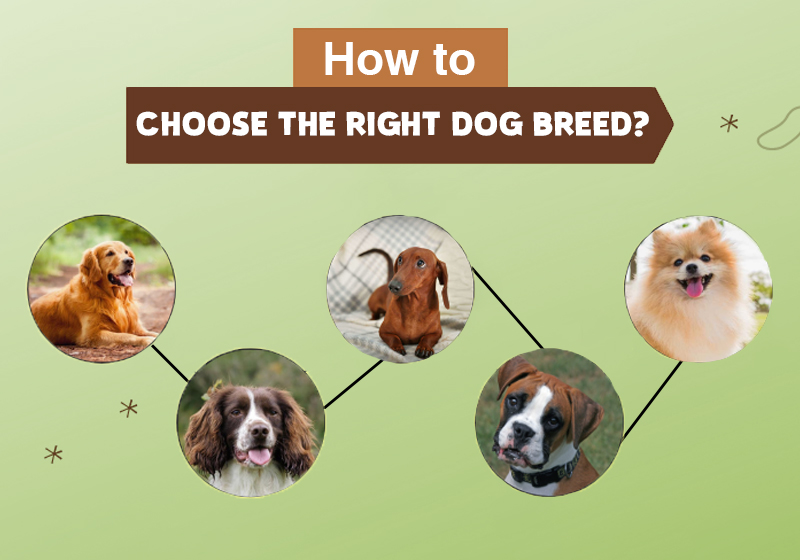
Conclusion: The Synergy of Tech and Animal Welfare
The evolution of the “What kind of dog should I get” quiz into a high-tech recommendation engine is a testament to the power of specialized software. By leveraging machine learning, sophisticated data structures, and intuitive UX design, developers are doing more than just building a fun tool—they are creating a digital solution to a complex biological and social challenge.
As we look forward, the continued integration of AI and real-time data will only refine these matches, ensuring that the bond between humans and their canine companions is supported by the most accurate technological frameworks available. In the world of PetTech, the goal is clear: using code to foster the perfect companionship.
aViewFromTheCave is a participant in the Amazon Services LLC Associates Program, an affiliate advertising program designed to provide a means for sites to earn advertising fees by advertising and linking to Amazon.com. Amazon, the Amazon logo, AmazonSupply, and the AmazonSupply logo are trademarks of Amazon.com, Inc. or its affiliates. As an Amazon Associate we earn affiliate commissions from qualifying purchases.