
In the landscape of modern investment and sustainable business, few sectors have shown as much resilient growth as the organic agricultural market. While many investors look toward digital assets or high-frequency trading, a burgeoning group of entrepreneurs is looking closer to the ground—specifically, at “Black Gold.” Worm castings, the byproduct of vermicomposting, have transitioned from a niche gardening hobby into a sophisticated revenue stream within the multi-billion-dollar organic fertilizer industry.
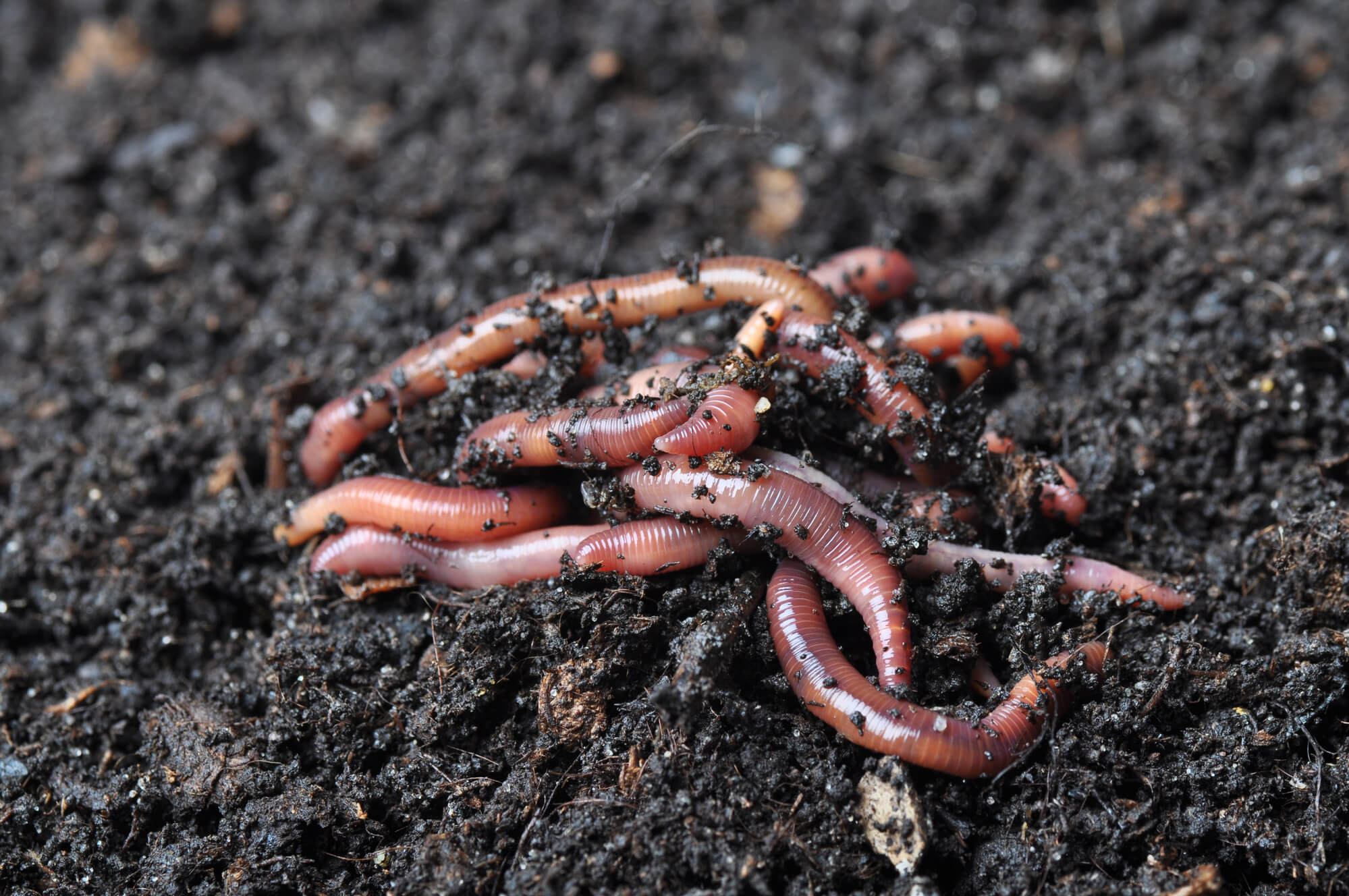
Understanding “what is worm castings” from a financial perspective requires looking beyond the biological process. In business terms, worm castings represent a high-margin, value-added product derived from waste reclamation. It is a cornerstone of the circular economy, where organic “waste” is transformed into a premium commodity. This article explores the financial viability of worm castings as a business model, the scaling strategies for side hustles, and the long-term investment potential of the vermiculture industry.

The Financial Viability of “Black Gold”: Understanding Market Value
The term “Black Gold” is not used lightly in the agricultural sector. Worm castings are arguably the most nutrient-dense, microbially rich soil amendment available today. Unlike synthetic fertilizers, which are subject to the volatile pricing of natural gas and global supply chain disruptions, worm castings are a localized, sustainable product with an increasingly high market ceiling.
The Rising Demand for Sustainable Agriculture
The global push toward Environmental, Social, and Governance (ESG) standards has funneled significant capital into sustainable farming. Consumers are increasingly willing to pay a premium for organic produce, which in turn drives commercial farmers to seek out high-quality organic inputs. Worm castings offer a unique value proposition: they improve soil structure, increase water retention, and provide bio-available nutrients that synthetic alternatives cannot replicate. For the savvy entrepreneur, this represents a classic supply-and-demand opportunity. As chemical fertilizers face tighter regulations and rising costs, the market for biological soil enhancers is projected to grow at a compound annual growth rate (CAGR) of over 13% through the next decade.
Pricing Models and Profit Margins
From a business finance perspective, the profit margins in vermiculture are exceptionally attractive. The “raw materials” for worm castings are often organic waste streams—food scraps, cardboard, and agricultural leftovers—which can frequently be sourced at zero cost or even through “tipping fees” where businesses pay you to take their waste.
Retail pricing for high-quality, screened worm castings can range from $2.00 to $5.00 per pound when sold in small quantities, or $400 to $900 per cubic yard for bulk orders. When you factor in that the primary “labor force” (the worms) reproduces exponentially, the internal rate of return (IRR) for a well-managed vermiculture operation can significantly outperform traditional agricultural investments.
Starting a Vermicomposting Side Hustle: Initial Capital and ROI
One of the most appealing aspects of the worm casting business is its scalability. It is one of the few “Money” niches that allows for a low-barrier-to-entry “garage startup” phase before transitioning into a capital-intensive industrial operation.
Scaling from Hobby to Micro-Enterprise
Most successful worm casting businesses begin as a side hustle. The initial capital expenditure (CAPEX) is remarkably low. A basic setup requiring high-quality Red Wiggler worms (Eisenia fetida), ventilated bins, and a bedding substrate can be established for under $500.
In the first six to twelve months, the focus is typically on biomass accumulation—growing the worm population. Because the worm population can double every 60 to 90 days under optimal conditions, the “biological capital” of the business grows automatically. A side hustle that starts with 10 pounds of worms can, within two years, provide the inventory necessary to supply local nurseries and farmers’ markets consistently.
Equipment and Operational Expenses
As the business moves from a micro-enterprise to a professional level, the financial focus shifts to efficiency and labor costs. To maintain high margins, automation becomes necessary.
- Continuous Flow Reactors (CFRs): These are high-end systems that allow for the continuous harvesting of castings from the bottom of a raised bed while adding new feed to the top. While a CFR might cost several thousand dollars, it drastically reduces the man-hours required for harvesting, thereby improving the net profit margin.
- Screening and Bagging: Professional-grade trommel screens ensure a consistent particle size, which is a requirement for premium pricing. Packaging design and branding also require an initial investment but allow the product to sit on retail shelves at a 300% markup over bulk prices.

Revenue Streams and Distribution Strategies
A robust business model in the worm casting niche does not rely on a single sales channel. Diversifying revenue streams is essential for mitigating market risk and ensuring steady cash flow throughout the year.
Direct-to-Consumer (DTC) vs. Wholesale
The highest margins are found in the Direct-to-Consumer (DTC) market. By leveraging platforms like Shopify, Amazon, or Etsy, producers can reach home gardeners and “houseplant parents”—a demographic that grew significantly during the digital-nomad boom. This segment values convenience and brand story, allowing for premium “boutique” pricing.
Conversely, wholesale distribution involves selling to local nurseries, landscape contractors, and organic farms. While the price per pound is lower in wholesale, the volume is significantly higher, providing the “bread and butter” income that covers operational overhead. A balanced portfolio—perhaps 40% DTC and 60% wholesale—often provides the best blend of high margins and reliable volume.
Diversifying Income through Education and Consultation
In the “Money” niche, knowledge is often as valuable as the physical product. Many vermiculture entrepreneurs supplement their casting sales with:
- Live Worm Sales: Selling the worms themselves to other aspiring hobbyists or businesses.
- Compost Tea Kits: Selling “teas” (a liquid extract of the castings) which are easier to ship and have a high perceived value for specialized horticulture like cannabis cultivation or high-end landscaping.
- Workshops and Consulting: As urban farming and corporate sustainability initiatives rise, companies are willing to pay for “circular economy” consulting to help them manage their own organic waste on-site.
Navigating Regulatory and Financial Risk
No high-yield investment is without risk. For the worm casting entrepreneur, the risks are primarily biological and regulatory. Proper financial planning must account for these variables to ensure long-term solvency.
Quality Control and Brand Integrity
In the fertilizer market, reputation is everything. If a batch of worm castings is not properly processed and contains weed seeds or pathogens, the brand damage can be terminal. Financially, this necessitates an investment in periodic laboratory testing to certify nutrient levels (NPK) and microbial activity. While this adds to the operational expense, it justifies a premium price point and protects the business against liability.
Furthermore, different regions have varying regulations regarding the sale of soil amendments. Obtaining the necessary state licenses and ensuring compliance with organic certification standards (such as OMRI listing) is a prerequisite for scaling. These certifications act as a “moat” around the business, preventing low-quality competitors from undercutting prices.
Future-Proofing the Business in a Circular Economy
As we look toward the future of business finance, the trend toward “impact investing” is undeniable. Worm casting operations are prime candidates for green grants and low-interest “sustainability” loans. Because these businesses actively sequester carbon and divert waste from landfills, they may also eventually benefit from carbon credit markets.
The long-term play for a worm casting business is to integrate into the local municipal or corporate infrastructure. By becoming the primary processor for a city’s organic waste, a vermiculture company secures its raw materials for free while simultaneously generating multiple revenue streams from the finished product.
Conclusion: The Bottom Line on Vermiculture
So, what is worm castings in the context of wealth creation? It is more than just an organic fertilizer; it is a scalable, sustainable, and high-margin business opportunity that aligns with the global shift toward a greener economy.
For the entrepreneur willing to manage the biological complexities, the financial rewards are significant. By starting with low overhead, scaling through automated systems, and diversifying revenue streams across retail and wholesale markets, the “worm business” offers a unique path to financial independence. In an era of digital volatility, there is profound stability in an asset class that literally grows in value every day, turning the world’s waste into the most coveted resource in agriculture.
aViewFromTheCave is a participant in the Amazon Services LLC Associates Program, an affiliate advertising program designed to provide a means for sites to earn advertising fees by advertising and linking to Amazon.com. Amazon, the Amazon logo, AmazonSupply, and the AmazonSupply logo are trademarks of Amazon.com, Inc. or its affiliates. As an Amazon Associate we earn affiliate commissions from qualifying purchases.