
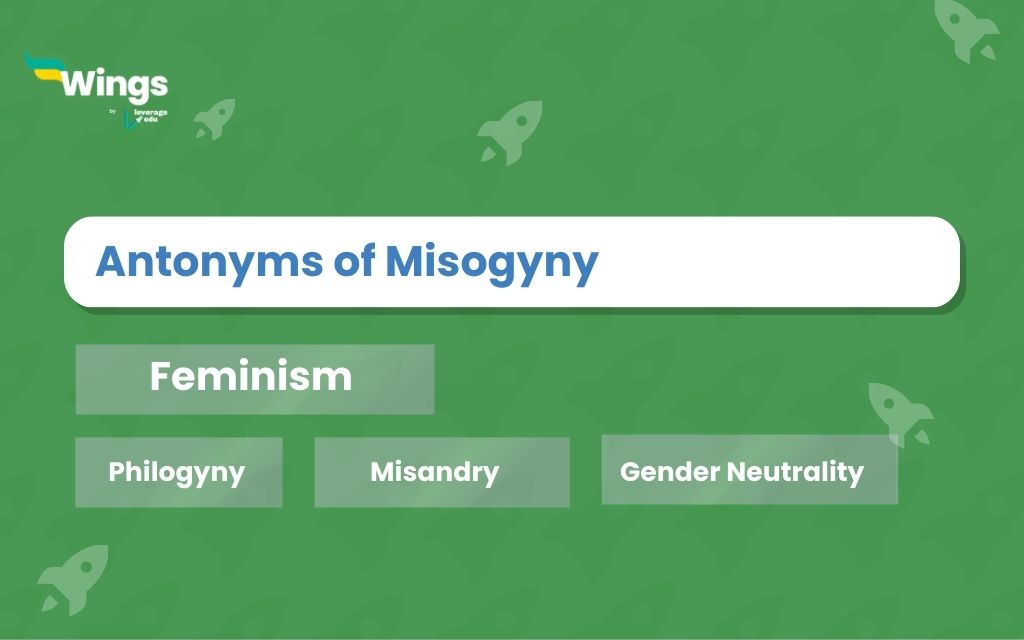
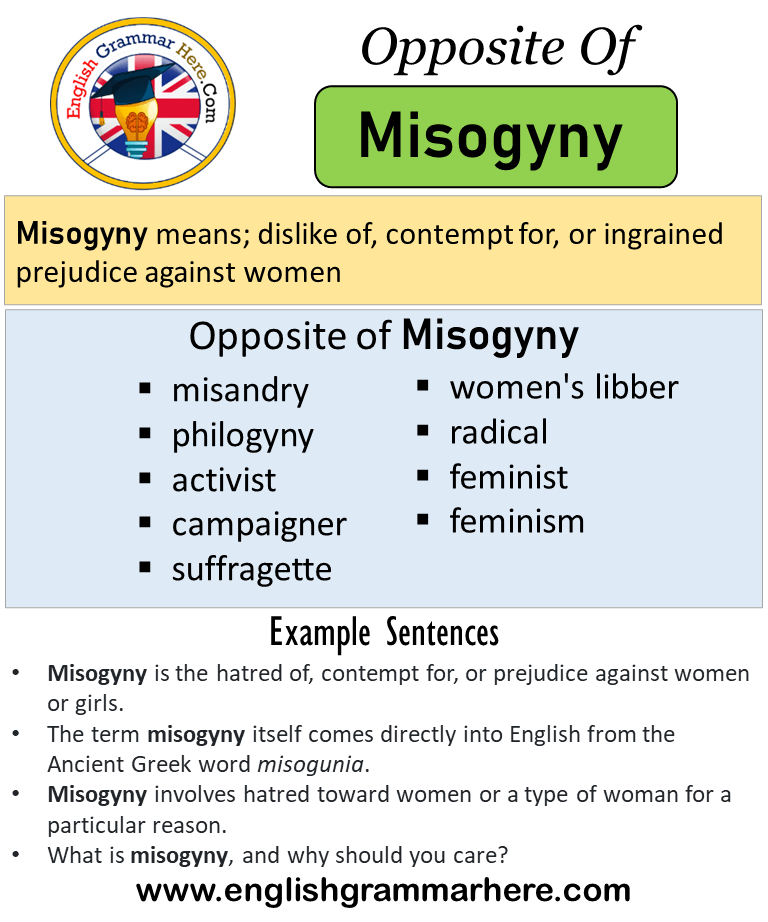
In the lexicon of modern social dynamics, the term “misogyny”—defined as the dislike of, contempt for, or ingrained prejudice against women—is frequently analyzed. However, when we shift the lens toward the corporate world and brand architecture, a critical question arises for strategists and identity designers: What is the true opposite of misogyny in a brand context?
While the linguistic opposite might be misandry (the hatred of men) or philogyny (the love and admiration of women), in the realm of brand strategy, the opposite of misogyny is something far more constructive. It is “Radical Gender Equity”—the deliberate, strategic practice of building brands that not only respect women but actively dismantle the historical biases that have characterized marketing for decades. For a brand to occupy the space opposite to misogyny, it must move beyond “not being sexist” and into the territory of active, structural empowerment.

From Exclusion to Empowerment: The Evolution of Gender in Branding
To understand where we are going, we must first identify where we have been. For the better part of the 20th century, brand strategy was often built on the foundations of patriarchal norms. Marketing frequently relied on stereotypes, where women were either objectified as decorative elements to sell products to men or pigeonholed into restrictive roles as domestic caregivers.
Identifying the Historical Legacy of Misogynistic Marketing
The legacy of misogyny in branding isn’t always overt hatred; it is often found in “benevolent sexism” or erasure. Historically, brands sold products to women by weaponizing their insecurities. Whether it was the fear of aging, the pressure to maintain a perfect household, or the need to shrink one’s body to fit an aesthetic ideal, the underlying message was that the female consumer was “less than” or “incomplete” without the product. This creates a brand-to-consumer relationship built on a power imbalance—the very hallmark of misogyny.
The Rise of Philogyny as a Strategic Pivot
The opposite of this approach is philogyny—the appreciation and respect for women. In brand strategy, this manifests as a “partnership model.” Instead of preying on insecurities, modern philogynist brands treat the female consumer as a collaborator and an autonomous decision-maker. This shift represents a move from “selling to” toward “building with.” When a brand adopts this stance, it stops viewing women as a monolithic demographic and starts recognizing the multifaceted identities they inhabit. This is the first step in creating a brand identity that stands in total opposition to traditional exclusionary practices.
Building a Philogynist Brand Identity
Creating a brand that embodies the opposite of misogyny requires more than just a change in visual aesthetics or a supportive slogan. It requires a deep dive into the brand’s core values and its “Brand DNA.” If the opposite of misogyny is empowerment, then the brand must be built on the principles of agency, autonomy, and authentic representation.
Authentic Representation vs. Performative “Femvertising”
In the mid-2010s, many brands attempted to pivot toward empowerment through what critics called “femvertising”—advertising that uses pro-female messaging to sell products. However, if the brand’s internal structure or product design remains rooted in old biases, this comes across as performative.
The opposite of misogyny in branding is authenticity. This means representing women in all their diversity—across age, race, body type, and professional status—without resorting to tropes. A brand like Dove, for instance, fundamentally changed its trajectory by rejecting airbrushed standards of beauty. By choosing to represent “real” women, the brand didn’t just change its ads; it changed its strategic position from a judge of beauty to a champion of confidence.
Internal Culture as the Foundation of External Brand Equity
A brand cannot truly be the opposite of misogynistic if its internal corporate culture does not reflect those same values. Brand strategy and corporate identity are two sides of the same coin. For a brand to project equity, it must practice equity. This involves gender parity in leadership, closing the wage gap, and fostering an environment where women’s voices shape the product development lifecycle.
When a brand’s internal culture is misaligned with its external “pro-women” messaging, it creates a “reputation gap.” In the age of digital transparency, consumers are quick to identify this hypocrisy. Therefore, the strategic opposite of misogyny is a “Whole-Brand Approach,” where the commitment to gender equity is baked into the supply chain, the boardroom, and the marketing department simultaneously.
Designing for Equity: Case Studies in Inclusive Brand Architecture
How does the opposite of misogyny look in practice? It looks like a rejection of the “pink it and shrink it” philosophy—the outdated practice of taking a product designed for men, making it smaller, coloring it pink, and charging more for it (the “pink tax”). True brand equity involves rethinking product design and brand narrative from the ground up.
Case Study: Rethinking Beauty and Wellness Standards
For decades, the beauty industry was arguably the most significant perpetrator of misogynistic brand narratives. The “opposite” approach was pioneered by brands like Fenty Beauty. By launching with 40 (and later 50) shades of foundation, Fenty Beauty didn’t just sell makeup; it challenged the exclusionary “standard” of beauty. This was a strategic move that recognized women who had been ignored by the industry for decades. The brand’s identity is the opposite of misogyny because it is rooted in radical inclusion and the validation of every woman’s existence.
Case Study: Disrupting Male-Centric Product Design
In the tech and hardware space, “misogyny” often manifests as the assumption that the “default” user is male. The opposite of this is “Inclusive Design.” Take the brand Bumble, for example. By designing a dating app where women must make the first move, the brand’s entire architecture is a response to the toxic dynamics often found in digital dating spaces. The brand strategy wasn’t just to be “nice to women”; it was to redesign the power structure of the interaction itself. This is a prime example of using brand strategy to create a space that is the functional opposite of a misogynistic environment.
The Economic and Social ROI of Pro-Women Branding
Some might argue that focusing on the “opposite of misogyny” is a purely social or political endeavor. However, from a brand strategy perspective, it is a massive economic opportunity. Women control or influence over 80% of consumer spending globally. Aligning a brand with the values of equity and respect is not just “the right thing to do”—it is a competitive necessity in a values-driven economy.
Consumer Loyalty and the Values-Driven Economy
Modern consumers—particularly Gen Z and Millennials—view their purchases as an extension of their identity. They are increasingly boycotting brands that uphold regressive values and rewarding those that champion progress. A brand that successfully positions itself as the opposite of misogyny builds a “Moat of Trust.” This loyalty is far more durable than the fleeting attention gained through a provocative or controversial ad campaign. When consumers feel seen, respected, and empowered by a brand, they become brand advocates, driving organic growth and long-term brand equity.
Mitigating Brand Risk in a Post-Misogyny Marketplace
In the current cultural climate, the cost of being perceived as misogynistic—even accidentally—is astronomical. Social media allows for the rapid deconstruction of brand campaigns, and a single tone-deaf advertisement can result in millions of dollars in lost market value and decades of reputational damage.
Strategic philogyny serves as a risk mitigation tool. By embedding equity into the brand’s core, companies create a “sanity check” for their creative output. It ensures that the brand remains relevant in a world that is increasingly intolerant of outdated power dynamics. The opposite of misogyny, therefore, is not just a moral stance; it is a future-proofing strategy.
Conclusion: The Future of Brand Identity
What is the opposite of misogyny? In the context of brand strategy, it is the transition from exploitation to elevation. It is the movement from using women’s insecurities as a sales tactic to using a brand’s platform to celebrate their agency.
The brands that will win the next decade are those that understand that gender equity is not a “segment” or a “niche”—it is a fundamental shift in how value is created and communicated. By building brands that are authentically inclusive, internally equitable, and strategically respectful, businesses can move past the shadows of the past and create a new standard of excellence. The opposite of misogyny in branding is, quite simply, the future of branding itself.
aViewFromTheCave is a participant in the Amazon Services LLC Associates Program, an affiliate advertising program designed to provide a means for sites to earn advertising fees by advertising and linking to Amazon.com. Amazon, the Amazon logo, AmazonSupply, and the AmazonSupply logo are trademarks of Amazon.com, Inc. or its affiliates. As an Amazon Associate we earn affiliate commissions from qualifying purchases.