
For the uninitiated, the stock market appears to operate on a strictly traditional schedule, opening its doors at 9:30 AM ET and closing them at 4:00 PM ET. However, in the modern financial landscape, the “opening bell” is more of a ceremonial landmark than a functional start line. For seasoned investors and professional traders, the real action often begins hours before the general public logs into their brokerage accounts.
Understanding when the pre-market opens and how it functions is a vital component of a sophisticated investment strategy. It is during these early hours that news is digested, earnings are priced in, and the day’s primary trends are often established. In this guide, we will explore the nuances of pre-market trading, the hours you need to know, and the strategic considerations of trading in the “gray hours” of the morning.
Understanding the Timeline: When Does Pre-Market Trading Begin?
The official pre-market session in the United States is broader than many retail investors realize. While your specific brokerage might limit your access, the infrastructure for trading is active long before the sun rises over Wall Street.
Standard Pre-Market Hours for Major US Exchanges
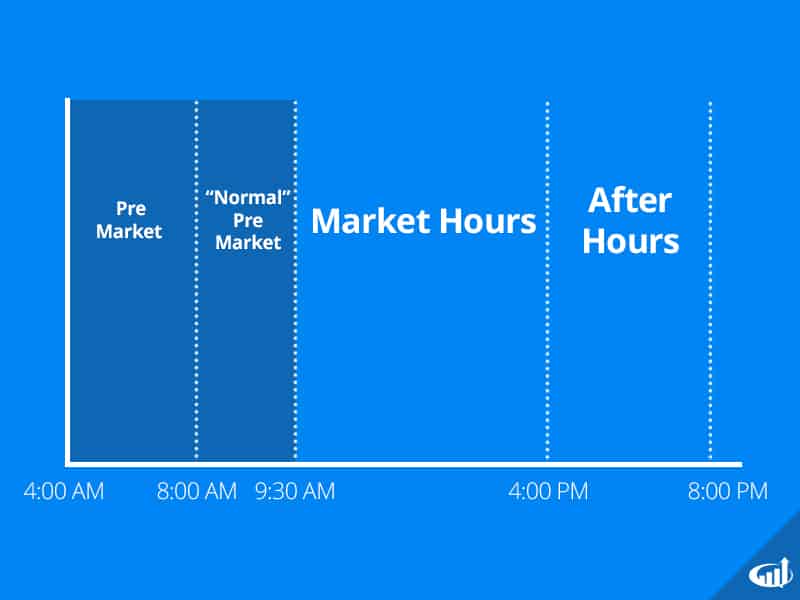
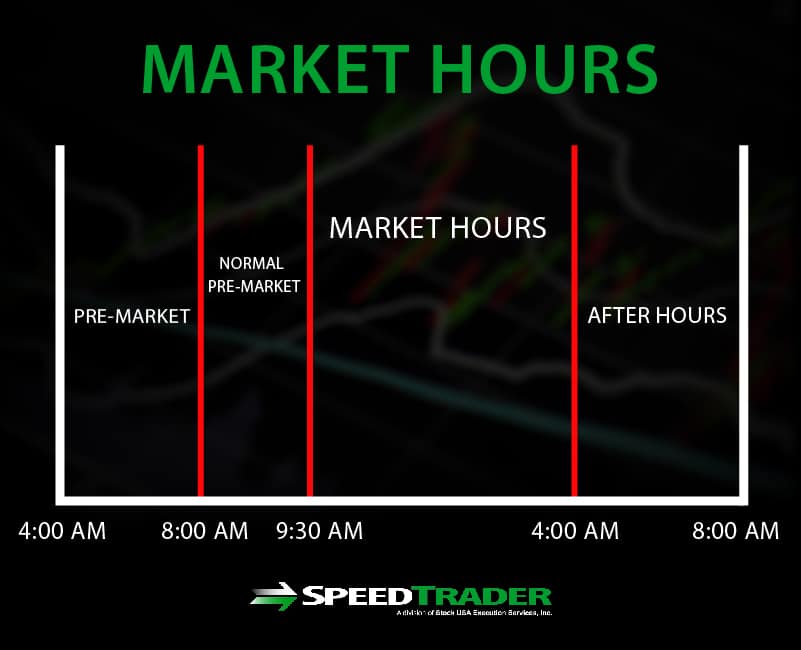
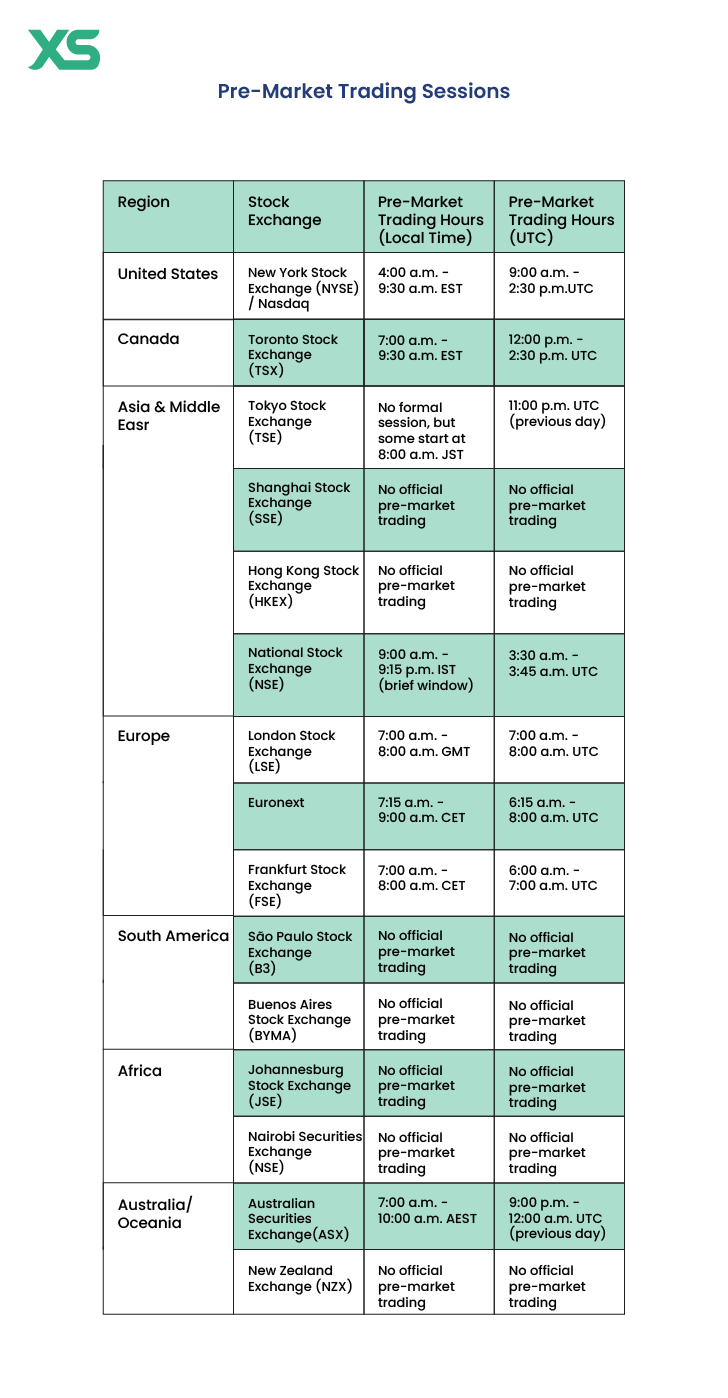
Technically, the pre-market session for major US exchanges like the New York Stock Exchange (NYSE) and the NASDAQ begins as early as 4:00 AM ET. This session runs until the official market opens at 9:30 AM ET.
However, it is important to distinguish between when the exchange is open and when a trader can participate. Most retail brokerage firms—such as Charles Schwab, Fidelity, or E*TRADE—typically allow their clients to begin trading at 7:00 AM ET or 8:00 AM ET. Some newer fintech platforms and specialized direct-access brokers allow participation starting right at the 4:00 AM mark, though liquidity at that hour is famously thin.
Regional Differences and Global Market Overlap
The 4:00 AM ET start time is not arbitrary. It is designed to overlap with the closing hours of the European markets and the late-afternoon sessions in Asia. For global investors, this overlap is crucial for “price discovery.” If the London Stock Exchange sees a massive sell-off in a multinational corporation like BP or HSBC, the US pre-market allows domestic investors to react to that information immediately rather than waiting for the 9:30 AM opening, by which time the stock may have already “gapped down” significantly.
The Mechanics of Pre-Market Trading: How It Works
Trading during the pre-market is fundamentally different from trading during the standard session. During the day, market makers and specialists help facilitate trades to ensure a smooth flow of liquidity. In the pre-market, these stabilizers are largely absent.
Electronic Communication Networks (ECNs)
Pre-market trading is conducted entirely through Electronic Communication Networks (ECNs). An ECN is an automated system that matches buy and sell orders directly. Because there is no central “floor” or human intermediary managing the flow, your order will only execute if the ECN can find another investor whose price exactly matches yours.
This mechanical nature of ECNs is why you might see a stock “ticking” at a certain price for several minutes without a trade occurring; if the bid (what buyers want to pay) and the ask (what sellers want) don’t meet, the system remains stagnant.
Accessing the Early Session via Brokerage Platforms
To participate, investors must usually enable “extended hours trading” through their brokerage settings. This often involves signing a disclosure agreement acknowledging the risks of low liquidity and high volatility. Furthermore, not all securities are available for pre-market trading. While most large-cap stocks listed on the NYSE and NASDAQ are fair game, many over-the-counter (OTC) stocks and certain penny stocks are restricted to regular market hours.
Why Investors Trade Before the Opening Bell
If the pre-market is more volatile and harder to navigate, why do so many people participate? The answer lies in the speed of information. In the modern economy, news doesn’t wait for 9:30 AM.
Reacting to Overnight Earnings Reports
The most common catalyst for pre-market activity is the corporate earnings report. Most public companies release their quarterly results either after the market closes (4:00 PM) or before it opens (usually between 6:30 AM and 8:30 AM).
If a major tech giant like NVIDIA or Apple releases stellar earnings at 7:00 AM, the stock will begin moving instantly. Investors who wait until 9:30 AM to buy might find that the stock has already jumped 10%. By trading in the pre-market, investors attempt to capture these moves early, though they take on the risk that the move might reverse once the broader public begins trading.
Capitalizing on Global Economic News
Economic indicators—such as the Consumer Price Index (CPI), Unemployment numbers, and GDP growth—are typically released by the US government at 8:30 AM ET. These reports have a massive impact on the entire market, particularly on Exchange Traded Funds (ETFs) like the SPY (S&P 500) or QQQ (Nasdaq 100). The hour between the 8:30 AM announcement and the 9:30 AM open is often the most intense period of “money flow” as institutional investors reposition their portfolios based on the new data.
Risks and Limitations of the Pre-Market Session
While the allure of early profits is tempting, the pre-market is a “buyer beware” environment. The structural differences that allow for early trading also create significant hazards for the unprepared.
Limited Liquidity and Wide Bid-Ask Spreads
Liquidity refers to how easily a stock can be bought or sold without affecting its price. In the regular session, millions of shares change hands, and the difference between the buy and sell price (the spread) might only be a penny.
In the pre-market, there are far fewer participants. This lack of “depth” means that even a relatively small order can send a stock price swinging wildly. It is common to see a bid-ask spread of $0.50 or $1.00 on a stock that usually has a $0.01 spread during the day. For a retail investor, this means you might end up “overpaying” for a stock or selling it for much less than its perceived value simply because there wasn’t enough competition among buyers and sellers.
Price Volatility and “False” Breakouts
Pre-market price action can be deceptive. Because volume is low, a few large trades can make a stock look like it is skyrocketing or crashing. Traders often refer to these as “head fakes.” You might see a stock up 5% at 8:00 AM on low volume, only for it to open at 9:30 AM and immediately crash as the “real” money enters the market. Without the volume of the regular session to confirm a price move, the pre-market is often a theater of illusions.
Best Practices for Pre-Market Success
If you decide to venture into the early morning session, you must adjust your tactical approach. The rules that apply at noon do not apply at 7:00 AM.
Using Limit Orders for Protection
This is perhaps the most important rule of extended-hours trading: never use market orders. A market order tells the broker to buy or sell “at the best available price.” In a low-liquidity environment, the “best available price” could be 10% away from the last traded price.
By using a limit order, you specify the exact maximum price you are willing to pay or the minimum you are willing to accept. If the market moves past your limit, the trade simply won’t execute, protecting you from the “slippage” that ruins many early-morning accounts.
Monitoring Volume Trends
Before entering a pre-market trade, look at the “Relative Volume.” A stock moving on 1,000 shares of volume is meaningless; a stock moving on 1,000,000 shares of volume at 8:00 AM is a signal of institutional interest. Successful pre-market traders focus only on the “most active” stocks of the morning—the ones with enough liquidity to allow for a clean entry and exit.
Conclusion: Is Pre-Market Trading Right for You?
The question of “when does pre-market open” is more than just a matter of checking the clock; it is about understanding a unique phase of the financial day. While the session officially begins at 4:00 AM ET, its utility peaks between 8:00 AM and 9:30 AM as economic data and earnings reports filter through the wires.
For the long-term investor, the pre-market is often best used as a diagnostic tool—a way to gauge market sentiment before the day begins. For the active trader, it is a high-stakes arena that offers the first bite at the apple, provided they have the discipline to use limit orders and the patience to navigate low liquidity. Regardless of your style, staying informed about these early hours ensures that you are never caught off guard when the opening bell finally rings.
aViewFromTheCave is a participant in the Amazon Services LLC Associates Program, an affiliate advertising program designed to provide a means for sites to earn advertising fees by advertising and linking to Amazon.com. Amazon, the Amazon logo, AmazonSupply, and the AmazonSupply logo are trademarks of Amazon.com, Inc. or its affiliates. As an Amazon Associate we earn affiliate commissions from qualifying purchases.