
In the rapidly evolving landscape of digital security, metaphors often provide the clearest path to understanding complex phenomena. When security professionals discuss the “sting” of a cyberattack, they are frequently referencing two distinct categories of threats that mirror the biological characteristics of common stinging insects. In the tech world, the “Wasp” represents the ubiquitous, high-frequency, and often automated nuisance threats that swarm the internet daily. Conversely, the “Hornet” represents the larger, more aggressive, and highly targeted Advanced Persistent Threats (APTs) that can dismantle corporate infrastructure with a single, concentrated strike.
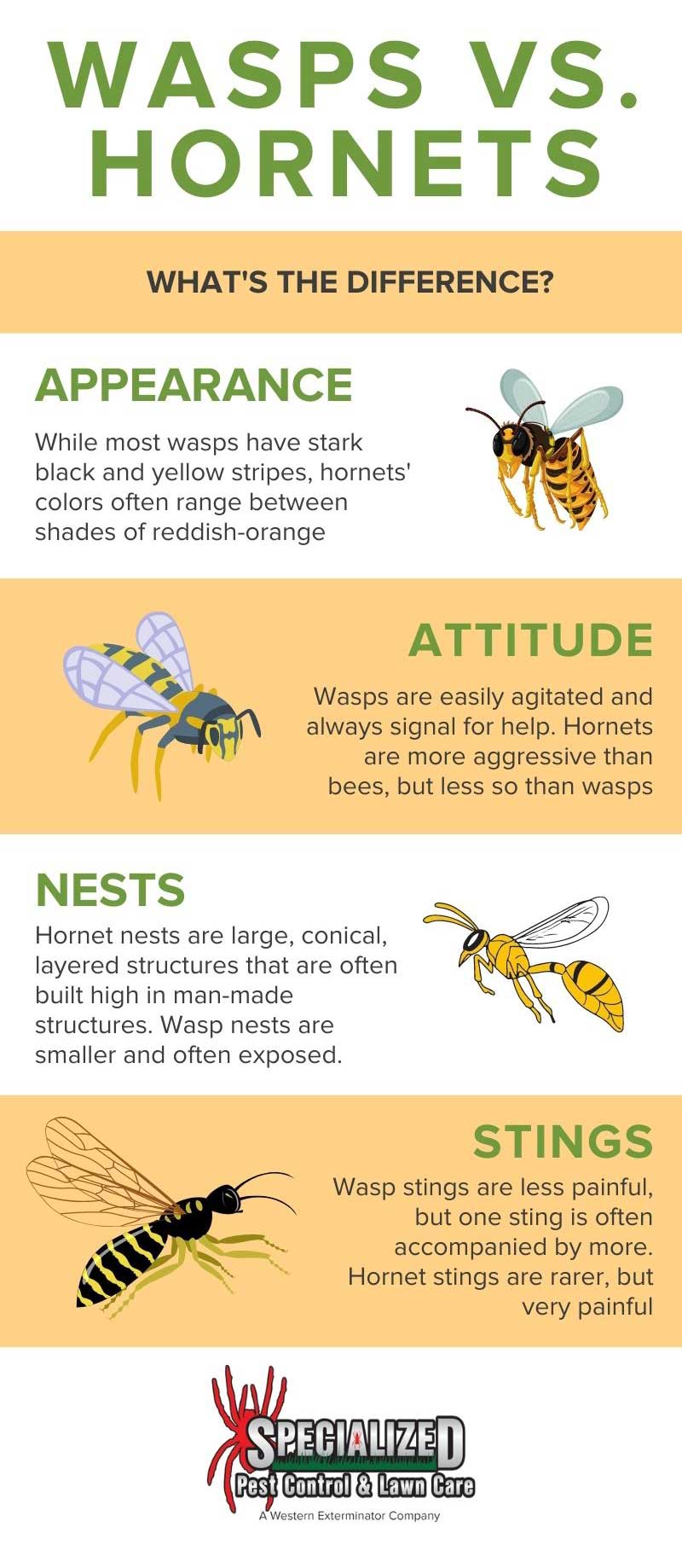
Understanding the difference between a “Wasp” (automated botnets/scrapers) and a “Hornet” (targeted intrusions) is not merely an academic exercise. It is a fundamental requirement for CTOs, DevOps engineers, and security analysts who must allocate finite resources to protect digital assets. While both can cause pain, the strategy for neutralising a swarm of automated scripts is vastly different from the strategy required to defend against a precision-engineered corporate espionage campaign.
The Anatomy of a Digital Wasp: High-Frequency Automated Tools
The digital “Wasp” is characterized by its frequency and its opportunistic nature. In technology circles, wasps are synonymous with automated bots, scrapers, and “script kiddie” tools that scan the perimeter of every IP address on the public internet. These threats do not necessarily have a specific grievance against your brand; they are simply looking for any open window or unpatched vulnerability.
Web Scrapers and Automated Aggregators
The most common form of the digital wasp is the malicious web scraper. While some scrapers are benign (such as search engine crawlers), malicious scrapers are designed to harvest proprietary data, undercut pricing models, or steal content for SEO-squatting. These “wasps” are persistent and annoying. They consume significant bandwidth and server resources, often mimicking human behavior to bypass basic security filters. For a high-traffic e-commerce platform, these automated swarms can account for up to 40% of total web traffic, leading to increased latency and skewed analytics.
Credential Stuffing and Brute Force Attacks
Wasp-style threats are also prevalent in identity management. Credential stuffing—the automated injection of stolen username and password pairs into website login forms—functions exactly like a swarm. The attacker isn’t targeting one specific user; they are testing millions of combinations across thousands of sites, hoping that a small percentage will “sting.” These attacks rely on the volume of the swarm rather than the sophistication of the individual script. Because these tools are widely available on the dark web, even low-skilled actors can deploy a “wasp swarm” against a digital enterprise.
Low-Level DDoS and Resource Exhaustion
Finally, wasps are seen in the form of small-scale Distributed Denial of Service (DDoS) attacks. Unlike the massive, state-sponsored “Hornet” attacks that aim to take down national infrastructure, these wasp-level attacks often target specific API endpoints or application layers (Layer 7). Their goal is to create enough noise and resource exhaustion to disrupt services or provide a distraction while a more subtle exploit is attempted elsewhere.
Identifying the Digital Hornet: Sophisticated, Targeted Attacks
If the wasp is defined by its numbers, the “Hornet” is defined by its size, strength, and intentionality. In tech, a hornet-level threat is a targeted attack specifically designed for a single victim. These are not automated scripts wandering the internet; these are human-led operations that utilize custom malware, zero-day vulnerabilities, and deep intelligence gathering.
Advanced Persistent Threats (APTs) and Tailored Malware
A “Hornet” attack often comes in the form of an APT. These are sophisticated campaigns where an intruder establishes an undetected, long-term presence on a network in order to mine sensitive data. Unlike the wasp, which hits the perimeter and leaves, the hornet infiltrates the hive. They use tailored malware that is specifically written to bypass the specific antivirus and EDR (Endpoint Detection and Response) tools used by the target organization. This level of customization makes them significantly more dangerous and harder to detect than generic automated threats.
Social Engineering and the Precision Sting
The hornet’s “sting” is often delivered through high-level social engineering, such as “Whaling” or spear-phishing. While a wasp-style phishing campaign sends out millions of generic emails (the swarm approach), a hornet-style attack involves researching a specific executive or system administrator. The attacker might spend weeks monitoring the target’s social media and professional connections to craft a single, perfectly believable email. When that one “sting” connects, the damage is often catastrophic, leading to compromised administrative credentials or the unauthorized transfer of significant funds.

Defensive Evasion and Lateral Movement
What truly differentiates the hornet is its behavior once inside the network. Hornets do not make a lot of noise. They practice “lateral movement,” moving quietly from one server to another, escalating privileges, and seeking out the “crown jewels” of the company—such as source code, customer databases, or trade secrets. They are capable of “living off the land,” using legitimate administrative tools (like PowerShell or WMI) to carry out their mission, which allows them to remain invisible to traditional signature-based security systems.
Strategic Defense: Neutralizing the Swarm and the Hunter
Defending against a wasp requires a different technological stack than defending against a hornet. A comprehensive security posture must integrate tools that can handle both the volume of the swarm and the precision of the predator.
Implementing Rate Limiting and WAFs for Wasp-Level Threats
To manage “wasps,” organizations rely on automation. Web Application Firewalls (WAFs) are the primary defense here. By implementing robust rate limiting, security teams can prevent bots from overwhelming their APIs. Modern WAFs use machine learning to identify the “fingerprints” of automated tools—looking at header consistency, TLS fingerprints, and interaction patterns—to block the swarm before it reaches the application server. Captcha challenges and bot management services act as the “insect screens” of the digital world, filtering out the noise so that legitimate traffic can flow through.
Zero Trust Architecture: The Shield Against the Hornet
Against a “hornet,” traditional perimeter defense is insufficient. The industry has moved toward a “Zero Trust” model. This philosophy assumes that the “hornet” may already be inside the network. Under Zero Trust, every request for access to a resource must be authenticated, authorized, and encrypted, regardless of whether it originates from inside or outside the corporate network. By micro-segmenting the network, an organization can ensure that even if a hornet “stings” one workstation, it cannot easily move laterally to the data center.
AI-Driven Threat Detection and Behavioral Analysis
Because hornets use custom code that lacks a known “signature,” defense must rely on Behavioral Analysis. User and Entity Behavior Analytics (UEBA) tools monitor the network for anomalies. If a developer who normally accesses the system from New York suddenly starts downloading gigabytes of data from an IP in a different country at 3 AM, the system triggers an alert. This doesn’t look for a “wasp” script; it looks for the unusual behavior of a “hornet” navigating the environment.
The Evolution of Intelligent “Insects”: Future Tech Trends
The line between wasps and hornets is beginning to blur as Artificial Intelligence becomes more accessible to threat actors. The future of tech security will be defined by how these two categories evolve and merge into new, more resilient threats.
AI-Generated Polymorphic Code
We are entering an era where wasps are gaining the precision of hornets. AI-driven tools can now generate polymorphic code—malware that constantly changes its own appearance to evade detection. This allows attackers to launch a “swarm” of wasps, where every single “insect” is unique. For security teams, this renders signature-based detection obsolete and necessitates a shift toward deep packet inspection and AI-driven heuristics.
The Rise of Autonomous “Swarm” Intelligence
The most concerning trend in the cybersecurity niche is the development of autonomous swarm intelligence. This involves a group of automated agents (wasps) that can communicate with each other in real-time. If one agent is blocked by a firewall, it communicates the defensive posture to the rest of the swarm, which then adapts its strategy. This combines the overwhelming volume of the wasp with the strategic adaptability of the hornet, creating a formidable challenge for even the most advanced SOC (Security Operations Center).

Securing the Modern Stack
As we look toward the next decade of technological growth, the difference between a wasp and a hornet remains a vital framework for risk assessment. Companies must invest in high-volume automated defenses (WAFs, Bot Management) to handle the wasps, while simultaneously cultivating deep-intel security cultures (Zero Trust, Threat Hunting) to protect against the hornets.
In the digital ecosystem, the sting is inevitable. However, by understanding the taxonomy of these threats, tech leaders can build environments that are not only resilient to the swarm but are also too formidable for even the most aggressive predator to penetrate. Whether you are protecting a small startup or a global enterprise, your ability to distinguish the nuisance of the script from the danger of the targeted attack will define your success in the digital age.
aViewFromTheCave is a participant in the Amazon Services LLC Associates Program, an affiliate advertising program designed to provide a means for sites to earn advertising fees by advertising and linking to Amazon.com. Amazon, the Amazon logo, AmazonSupply, and the AmazonSupply logo are trademarks of Amazon.com, Inc. or its affiliates. As an Amazon Associate we earn affiliate commissions from qualifying purchases.