
In the landscape of modern architecture and interior design, few materials are as ubiquitous yet as technically overlooked as plasterboard. Often referred to as drywall, wallboard, or gypsum board, plasterboard is a specialized building material used to create walls and ceilings. However, from a technology and material science perspective, it represents a monumental shift in how we engineer internal environments. What was once a labor-intensive craft involving wet lime and wooden laths has evolved into a high-tech, precision-engineered solution that facilitates rapid construction, superior acoustics, and advanced fire safety.
To understand what plasterboard is today, one must look beyond its simple appearance. It is a product of sophisticated manufacturing technology and chemical engineering designed to meet the rigorous demands of 21st-century building codes and digital design workflows.
The Science Behind the Sheets: Material Engineering and Manufacturing
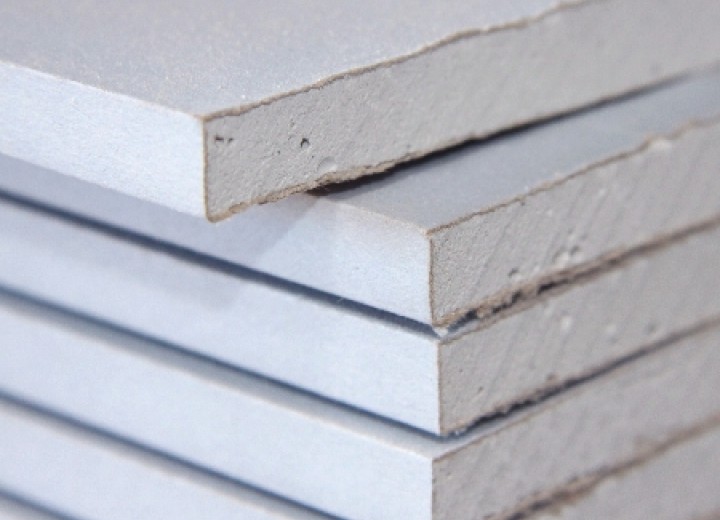
At its core, plasterboard is a composite material. Its primary ingredient is gypsum (calcium sulfate dihydrate), a mineral that is processed through significant industrial technology to achieve the desired structural properties. The manufacturing of plasterboard is a feat of automated engineering that transforms raw minerals into a versatile high-performance building block.
Gypsum Core Technology and Calcination
The “tech” of plasterboard begins with the calcination process. Raw gypsum is ground into a fine powder and heated in large industrial kettles or flash calciners. This process removes about 75% of the chemically combined water, turning the gypsum into “stucco” (calcium sulfate hemihydrate).
Modern manufacturing plants utilize AI-driven sensors to monitor the temperature and moisture content with surgical precision. When water is reintroduced to the stucco during the board-forming process, the material undergoes a chemical reaction called rehydration. The gypsum crystals interlock, forming a rigid structure. The technology lies in the additives—dispersants, accelerators, and foaming agents—that are injected into the mix to control the board’s density and weight without sacrificing structural integrity.
Precision Engineering of the Multi-Layer Interface
Plasterboard is not just gypsum; it is a “sandwich” of gypsum between two layers of heavy-duty paper or fiberglass mats. The bond between the core and the liner is a critical engineering point. In high-tech production lines, high-speed rollers apply the slurry to the bottom liner while a top liner is simultaneously applied.
The tension of these liners is managed by digital control systems to ensure the board remains perfectly flat and dimensionally stable. The liners themselves are often treated with specialized coatings—ranging from moisture-resistant polymers to VOC-absorbing (Volatile Organic Compound) technologies—that improve indoor air quality, representing a significant trend in health-tech within the construction sector.
Smart Plasterboard: Tech Integration in Interior Surfaces
The evolution of plasterboard has moved from being a static “skin” for a room to becoming a functional component of a building’s mechanical and environmental systems. We are now seeing the rise of “Smart Plasterboard,” where the material itself is engineered to solve complex physics problems like sound transmission and thermal energy storage.
Acoustic Engineering and Soundproofing Tech
In an era of high-density urban living and open-plan offices, acoustic privacy has become a major technological challenge. Standard plasterboard has limited sound-dampening capabilities. However, high-performance acoustic boards utilize a high-density core and viscoelastic polymers to convert sound energy into a microscopic amount of heat, effectively breaking the path of noise.
Engineers use computational fluid dynamics and acoustic modeling software to design these boards. Some advanced variants feature “constrained layer damping,” where two layers of gypsum are separated by a polymer glue that acts as a shock absorber for sound waves. This is a critical technology for modern recording studios, home cinemas, and medical facilities where confidentiality is paramount.
Fire Resistance and Thermal Regulation Innovations
Perhaps the most impressive technological feature of plasterboard is its inherent fire resistance. Gypsum contains chemically combined water (approximately 21% by weight). When exposed to fire, this water is released as steam, a process known as calcination, which actively cools the board and creates a fire-resistant barrier.
To push this tech further, manufacturers produce “Type X” and “Type C” boards. These are reinforced with glass fibers and other non-combustible additives that maintain the board’s structural integrity even after the water has evaporated. Furthermore, cutting-edge research has introduced Phase Change Materials (PCMs) into the gypsum core. These PCMs can absorb heat during the day and release it at night, functioning as a “thermal battery” that reduces the energy load on HVAC systems—a key trend in green technology.

The Digital Transformation of the Plasterboard Lifecycle
The physical product is only half the story. The way plasterboard is specified, tracked, and managed has been revolutionized by the digital transformation of the construction industry, specifically through Building Information Modeling (BIM) and the “Circular Economy” tech stack.
BIM (Building Information Modeling) Integration
In the modern tech-driven construction workflow, plasterboard is no longer just a line item on a budget; it is a data-rich “digital twin” component. Architects use BIM software (like Revit or ArchiCAD) to insert specific plasterboard systems into their 3D models.
These digital objects contain metadata about the board’s fire rating, R-value (thermal resistance), acoustic performance, and carbon footprint. This allows for automated “clash detection”—the software can predict if a specific wall type will interfere with electrical conduits or HVAC ducting before a single board is delivered to the site. This level of digital precision reduces material waste significantly, aligning with modern tech trends of efficiency and data-driven decision-making.
Sustainable Manufacturing and the Circular Economy
Sustainability is a massive driver in the tech sector, and plasterboard is at the forefront of the “Circular Economy.” Gypsum is 100% recyclable, but the technology required to separate the paper liner from the gypsum core post-demolition is complex.
Modern recycling facilities use sophisticated mechanical separation tech and optical sorters to purify reclaimed gypsum. Furthermore, many manufacturers are now utilizing “synthetic gypsum,” a byproduct of Flue Gas Desulfurization (FGD) in power plants. This involves using chemical scrubbing technology to capture sulfur dioxide emissions and turn them into high-purity gypsum, effectively turning industrial waste into a high-value tech material.
The Future of Interior Tech: Beyond the Standard Board
As we look toward the future, the definition of plasterboard is expanding to include features that seem more at home in a laboratory than a construction site. The convergence of material science and digital technology is paving the way for the next generation of interior surfaces.
Graphitized and Phase-Change Materials
Researchers are currently experimenting with the integration of graphene and other conductive materials into plasterboard. The goal is to create “radiant walls” where the plasterboard itself acts as a low-voltage heating element, eliminating the need for bulky radiators. This tech would be controlled via IoT (Internet of Things) sensors, allowing for hyper-localized climate control within a building.
Additionally, the development of “self-healing” gypsum, which uses encapsulated chemical agents to seal micro-cracks automatically, is a growing area of interest in the material tech space. This would significantly extend the lifespan of interior finishes and reduce maintenance costs for smart buildings.
3D Printing and Prefabrication Synergy
The rise of Modular Construction and 3D printing is also reshaping how we use plasterboard. Instead of shipping flat sheets to a site, automated factories are using robotic arms to cut and install plasterboard onto prefabricated steel or timber frames with millimeter precision.
In some experimental setups, “liquid plasterboard” mixtures are being used in 3D printers to create contoured, organic wall shapes that would be impossible to achieve with traditional flat sheets. This intersection of robotics and material science represents the ultimate frontier for plasterboard, moving it from a simple rectangular commodity to a customizable, high-tech architectural component.
Conclusion
So, what is plasterboard? In the modern context, it is far more than a simple building material. It is a sophisticated composite, born from advanced chemical engineering and manufactured through high-speed automation. It is a data-point in a complex BIM ecosystem, a critical component in fire safety and acoustic tech, and a pioneer in the circular economy.
As technology continues to permeate every aspect of the built environment, plasterboard will continue to evolve. From absorbing carbon to regulating temperature and even conducting data or energy, the “humble” plasterboard is proving to be one of the most adaptable and technologically significant materials in our modern world. Whether you are an investor looking at construction tech or an architect designing the next smart city, understanding the technical depth of this material is essential to mastering the future of interior infrastructure.
aViewFromTheCave is a participant in the Amazon Services LLC Associates Program, an affiliate advertising program designed to provide a means for sites to earn advertising fees by advertising and linking to Amazon.com. Amazon, the Amazon logo, AmazonSupply, and the AmazonSupply logo are trademarks of Amazon.com, Inc. or its affiliates. As an Amazon Associate we earn affiliate commissions from qualifying purchases.