
In the world of contemporary retail and lifestyle marketing, few companies have managed to cultivate a “tribe” as effectively as Nine Line. To the uninitiated, the name might sound like a technical specification or a cryptic military reference. To its millions of customers, however, Nine Line represents more than just apparel; it represents a philosophy of resilience, patriotism, and community.
As a brand strategy case study, Nine Line is a masterclass in how to leverage a specific cultural identity to build a loyal customer base. By bridging the gap between military values and consumer goods, the brand has carved out a unique niche that transcends traditional marketing. Understanding what Nine Line is requires a deep dive into its origin, its visual identity, and the sophisticated brand strategy that has allowed it to scale from a small garage operation to a multi-million dollar corporate entity.
The Genesis of Nine Line: From Military Protocol to Corporate Identity
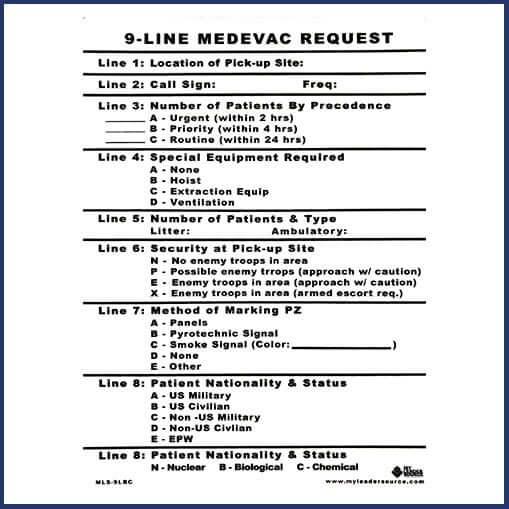
The foundation of any great brand is its story. For Nine Line, that story is rooted in the high-stakes environment of military service. The term “Nine Line” is not a creative invention of a marketing department; it is a vital piece of military communication used to request medical evacuation (MEDEVAC) for a soldier wounded on the battlefield.
Understanding the “9-Line” Origin
In a combat zone, a 9-Line request is the most urgent call a soldier can make. It follows a specific nine-step format to ensure that medical responders have all the information necessary to save a life. By choosing this as their name, the founders—Army officers Tyler and Angela Merritt—instantly signaled an authentic connection to the veteran community. From a branding perspective, this was a stroke of genius. It provided an immediate “if you know, you know” (IYKYK) factor that established credibility before a single shirt was even sold.
Bridging the Gap Between Service and Commerce
The transition from military protocol to a corporate identity was driven by a desire to continue serving the community after the uniform came off. The brand was founded in 2012 with a mission to give back to veterans and to foster a sense of national pride. This “mission-first” approach is a cornerstone of their brand strategy. While many companies struggle to find a “Why” (as popularized by Simon Sinek), Nine Line’s “Why” was baked into its DNA from day one. This authenticity is the engine that drives its marketing, making it difficult for competitors to replicate.
The Core Pillars of the Nine Line Brand Strategy
Nine Line does not just sell t-shirts; it sells a sense of belonging. The brand has successfully navigated the shift from a niche veteran supplier to a mainstream lifestyle brand by sticking to several core strategic pillars.
Purpose-Driven Marketing: Beyond the Product
Modern consumers, particularly those in the millennial and Gen X demographics, are increasingly drawn to brands that stand for something. Nine Line’s marketing strategy is heavily centered on its philanthropic arm, the Nine Line Foundation. By highlighting their efforts to build homes for severely wounded veterans and support community initiatives, the brand creates a “virtuous cycle.” Customers feel that their purchase is an act of support for a larger cause, which increases brand equity and reduces price sensitivity. In brand strategy terms, this is known as “Cause Marketing,” and Nine Line executes it with genuine transparency.
Community Engagement and the “Veteran-Owned” Advantage
The “Veteran-Owned” label is a powerful marketing tool in the United States. It carries connotations of discipline, quality, and integrity. Nine Line leans into this identity by fostering a community-centric atmosphere. Their social media channels are not just catalogs of products; they are forums for discussing military history, current events, and stories of heroism. This creates a high level of engagement (likes, shares, and comments) that traditional lifestyle brands struggle to achieve. They have successfully built a “Brand Tribe” where the customers feel like members of an exclusive club.
Visual Identity and Design Language
A brand is often defined by its visual cues—the colors, logos, and motifs that make it instantly recognizable in a crowded marketplace. Nine Line’s visual identity is a textbook example of cohesive design language that speaks directly to its target audience.
Patriotism as a Design Philosophy
The visual aesthetic of Nine Line is unapologetically patriotic. The frequent use of the American flag, tactical typography, and military-inspired color palettes (OD green, coyote brown, and heather grey) creates a rugged, “ready-for-action” vibe. This design philosophy resonates with a demographic that values strength and national identity. Even the way the products are photographed—often in outdoor or industrial settings—reinforces the brand’s identity as a rugged, lifestyle-oriented provider.
Consistency Across Touchpoints
Whether a customer is looking at the website, an Instagram post, or a physical retail display, the Nine Line aesthetic remains consistent. This consistency is vital for building brand recognition. The logo—a stylized “Nine Line” text—is often paired with imagery that evokes the 9-Line MEDEVAC mission. This repetition reinforces the brand’s origin story at every point of contact. From a brand management perspective, maintaining this level of consistency across thousands of SKUs (Stock Keeping Units) is a significant operational achievement that contributes to their professional image.
Marketing Tactics and Multi-Channel Growth
To grow from a garage startup to a major player, Nine Line had to look beyond simple word-of-mouth marketing. They adopted a sophisticated multi-channel approach that leverages both digital and physical spaces.
Leveraging Social Proof and Influencer Partnerships
Nine Line was an early adopter of influencer marketing within the veteran and tactical communities. By partnering with military figures, first responders, and fitness enthusiasts, the brand gained access to pre-vetted audiences. These influencers provide “social proof,” showing potential customers that the gear is respected by people who share their values. This strategy is more effective than traditional advertising because it relies on the trust that influencers have already built with their followers.
The Role of Philanthropy in Brand Equity
We cannot discuss Nine Line’s marketing without mentioning the Nine Line Foundation. This 501(c)(3) organization is a central part of their brand narrative. By pledging a portion of their profits to help veterans, they have built immense brand equity. In a world where “greenwashing” or “purpose-washing” is common, Nine Line’s tangible results—such as building a transitional housing community for homeless veterans in Savannah, Georgia—provide the proof that their brand values are more than just a slogan. This builds a level of trust and loyalty that is the holy grail of brand strategy.
Lessons for Modern Entrepreneurs: Building a “Nine Line” Impact
The success of Nine Line offers several valuable lessons for entrepreneurs and brand strategists looking to build a resilient and impactful corporate identity.
Authenticity as the Ultimate Competitive Edge
The most significant takeaway from the Nine Line story is the power of authenticity. In a digital age where consumers are bombarded with ads, they have developed a keen “BS detector.” Nine Line succeeds because its founders live the values they promote. They don’t have to “act” like a veteran-owned brand; they are one. For any new brand, finding an authentic angle that aligns with the founders’ personal history or values is the most effective way to build long-term trust.

Scaling Without Losing the Soul of the Brand
As companies grow, there is often a risk of “brand dilution”—losing the unique qualities that made the company successful in the first place. Nine Line has managed this by diversifying its product line while keeping its messaging focused. They have expanded into coffee, accessories, and even home goods, but every new product is filtered through the lens of their original mission.
In conclusion, “Nine Line” is more than a name or a reference to a MEDEVAC request. It is a robust brand identity that has successfully commercialized military values without compromising their integrity. Through a combination of purpose-driven marketing, consistent visual identity, and community-focused engagement, Nine Line has redefined what it means to be a mission-based brand in the 21st century. For any brand strategist or business owner, Nine Line serves as a compelling example of how to turn a specific cultural ethos into a sustainable and growing business empire.
aViewFromTheCave is a participant in the Amazon Services LLC Associates Program, an affiliate advertising program designed to provide a means for sites to earn advertising fees by advertising and linking to Amazon.com. Amazon, the Amazon logo, AmazonSupply, and the AmazonSupply logo are trademarks of Amazon.com, Inc. or its affiliates. As an Amazon Associate we earn affiliate commissions from qualifying purchases.