
The pharmaceutical landscape is currently witnessing a gold rush unlike any seen since the advent of statins or antidepressants. At the center of this movement is Ozempic (semaglutide), a drug originally designed for Type 2 diabetes that has pivoted into a global cultural and economic phenomenon for weight loss. As demand skyrockets and costs remain prohibitively high for many, a new consumer-driven strategy has emerged: microdosing.
In a financial context, microdosing Ozempic is not merely a medical choice; it is a calculated economic response to market scarcity, insurance gaps, and the high price of “biological maintenance.” By taking smaller-than-recommended doses, consumers are attempting to extend the “runway” of their expensive prescriptions, effectively trying to hack the cost-per-dose equation of one of the most expensive recurring consumer health expenses in modern history.

The Economics of the Semaglutide Boom
The rise of Ozempic and its sister drug, Wegovy, has created a unique economic environment often referred to by Wall Street analysts as the “GLP-1 Economy.” The sheer scale of demand has outpaced supply, creating a market where the price is dictated by extreme scarcity and a complex web of patent protections.
Supply, Demand, and the Rise of the Off-Label Market
Basic economic principles dictate that when demand is high and supply is constrained, prices remain elevated. Novo Nordisk, the manufacturer of Ozempic, has seen its market capitalization soar, at one point exceeding the entire GDP of its home country, Denmark. However, for the average consumer, the retail price of Ozempic—often exceeding $1,000 per month in the United States—creates a massive barrier to entry. This price point has birthed a secondary market of “compounded” versions and off-label usage where microdosing becomes a primary strategy for financial survival.
Why Consumers are Turning to Microdosing as a Budget Strategy
From a personal finance perspective, microdosing serves as a way to “stretch the dollar.” If a standard monthly pen is designed for four doses of 1.0mg, but a user finds they can maintain appetite suppression at 0.25mg, they have effectively quadrupled the value of their $1,000 investment. This “maintenance math” is becoming a common discussion in personal finance forums, where users treat their medication not just as a health requirement, but as a monthly line item that must be optimized for maximum ROI (Return on Investment).
Corporate Impact: Novo Nordisk and the $500 Billion Market Cap
The success of Ozempic has fundamentally altered the pharmaceutical sector’s investment landscape. The drug is no longer just a product; it is a cornerstone of global equity markets. When we look at the financial health of the companies producing these drugs, the concept of microdosing introduces an interesting variable in revenue forecasting.
How One Drug Reshaped a National Economy
The financial impact of Ozempic is so profound that it has influenced the Danish Krone and interest rates within Denmark. Because Novo Nordisk exports so much of this drug, the influx of foreign currency (primarily U.S. Dollars) has forced the Danish central bank to keep interest rates lower than they might otherwise be to keep the currency stable. Investors are watching the “microdosing” trend closely: if consumers find that lower doses are effective for long-term maintenance, the long-term “Life Time Value” (LTV) of a patient might shift from high-margin high-dose sales to a longer-duration, lower-dose subscription model.
The Business of Compound Pharmacies and Generic Competition
The high price of brand-name Ozempic has opened a billion-dollar window for compound pharmacies. Under specific FDA regulations, when a drug is on the “shortage list,” pharmacies are allowed to create compounded versions of the medication. These pharmacies are the primary facilitators of the microdosing trend, offering customized vials that allow users to draw precisely the amount they can afford. This represents a significant disruption to the traditional pharmaceutical business model, as it introduces a form of “generic-lite” competition years before the actual patent expiration.
Personal Finance: The Cost-Benefit Analysis of Weight Loss Drugs
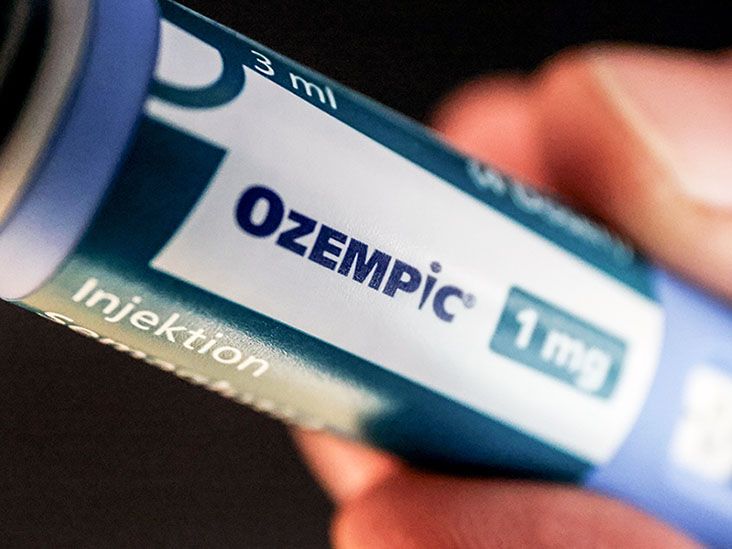
For the individual investor or household, Ozempic represents a significant capital allocation. Deciding whether to start the drug involves a complex cost-benefit analysis that goes beyond simple healthcare.
Insurance Coverage Gaps and Out-of-Pocket Realities
One of the most significant financial hurdles in the “Ozempic Age” is the refusal of many insurance providers to cover GLP-1 drugs for weight loss, categorizing them as “lifestyle drugs” rather than “essential medicine.” This leaves millions of Americans paying the “sticker price.” In this financial environment, microdosing is a defensive maneuver. It is a way for a household to manage cash flow. If an individual can achieve 80% of the results with 25% of the dose, the “price-to-performance” ratio becomes much more attractive for a middle-class budget.
Microdosing as a Tool for Financial Sustainability
Long-term weight management is increasingly being viewed as a recurring subscription cost, much like a gym membership or a utility bill. However, at $12,000 a year, it is a “luxury” subscription. Microdosing allows users to transition into a “maintenance phase” where the financial burden is reduced. By lowering the dose, the annual cost can drop from five figures to low four figures, making the health benefits sustainable without depleting retirement savings or emergency funds.
The Broader Economic Ripple Effect: Food, Alcohol, and Retail
The financial implications of Ozempic—and the microdosing of it—extend far beyond the pharmacy counter. As these drugs change consumer behavior, entire sectors of the stock market are feeling the “Ozempic Effect.”
The “Ozempic Effect” on Consumer Staples Stocks
Walmart and other major retailers have already noted a slight shift in purchasing patterns: people on Ozempic buy less food. Specifically, they buy fewer high-calorie, processed “impulse” items. For investors in “Big Food” (companies like PepsiCo, Nestle, or Mondelez), this represents a long-term headwind. If microdosing becomes the standard for millions of people to maintain their weight over decades, the aggregate reduction in caloric intake could lead to a permanent contraction in the growth of the snack food industry.
Shifting Spending Habits: From Dining Out to Biohacking
There is a “reallocation of capital” happening at the household level. Money that was previously spent on dining out, alcohol, and luxury food items is being redirected toward healthcare, longevity, and GLP-1 prescriptions. Economically, this is a shift from the consumption economy to the biohacking economy. Investors are now looking at “longevity” as a primary vertical, with Ozempic acting as the gateway drug for a suite of expensive, tech-enabled health services that consumers are suddenly willing to prioritize in their budgets.
Future Outlook: The Monetization of Maintenance
As we look toward the next decade, the financial narrative around Ozempic will likely shift from “miracle weight loss” to “long-term metabolic management.” The way this is monetized will determine the next winners in the healthcare sector.
Subscription Models for Long-Term Health
The pharmaceutical industry is moving toward a “Software as a Service” (SaaS) style model for physical health. If Ozempic is required indefinitely to maintain weight loss, it becomes a lifetime annuity for the manufacturer. Microdosing plays into this by potentially making the “subscription” more affordable and thus reducing “churn”—the rate at which patients stop taking the drug due to cost or side effects. From a business perspective, a patient who microdoses for twenty years is more valuable than a patient who takes a full dose for six months and then quits because they can no longer afford it.

Investment Risks in the Evolving GLP-1 Landscape
While the “Ozempic Economy” looks robust, there are significant risks for investors. Regulatory crackdowns on compound pharmacies, potential changes in insurance mandates, and the arrival of “pill-form” versions of these drugs could crash the current price structure. Furthermore, if microdosing is found to be clinically insufficient or if it leads to unexpected long-term health costs, the financial liability for the industry could be massive. For now, however, the trend represents a fascinating intersection of biology and budget-conscious consumerism, where “less is more” is not just a health mantra, but a financial necessity.
In conclusion, microdosing Ozempic is the consumer’s way of negotiating with a high-priced pharmaceutical monopoly. As the drug continues to redefine the boundaries of healthcare, its greatest legacy may be how it forced a total recalibration of the “cost of living,” shifting the focus from what we consume to how we invest in our own biological longevity.
aViewFromTheCave is a participant in the Amazon Services LLC Associates Program, an affiliate advertising program designed to provide a means for sites to earn advertising fees by advertising and linking to Amazon.com. Amazon, the Amazon logo, AmazonSupply, and the AmazonSupply logo are trademarks of Amazon.com, Inc. or its affiliates. As an Amazon Associate we earn affiliate commissions from qualifying purchases.