
In the rapidly evolving landscape of mobile software, the intersection of mental health and technology has birthed a unique niche: gamified wellness. At the forefront of this movement is the Finch app, a “self-care pet” that has transformed the way users approach psychological well-being. Unlike traditional productivity tools or static meditation apps, Finch utilizes sophisticated behavioral design and interactive software mechanics to foster long-term habit formation.
This article explores the technical architecture, user experience (UX) design, and the psychological frameworks that power the Finch app, situating it within the broader context of modern health-tech trends.

The Mechanics of Gamified Wellness: How Behavioral Tech Drives Engagement
At its core, Finch is a digital tool designed to make the invisible labor of self-care visible and rewarding. The app leverages “gamification”—the application of game-design elements in non-game contexts—to lower the barrier to entry for mental health maintenance. By translating emotional labor into tangible progress for a virtual avatar, the software taps into the user’s dopamine reward system in a constructive manner.
Behavioral Psychology and UI Design
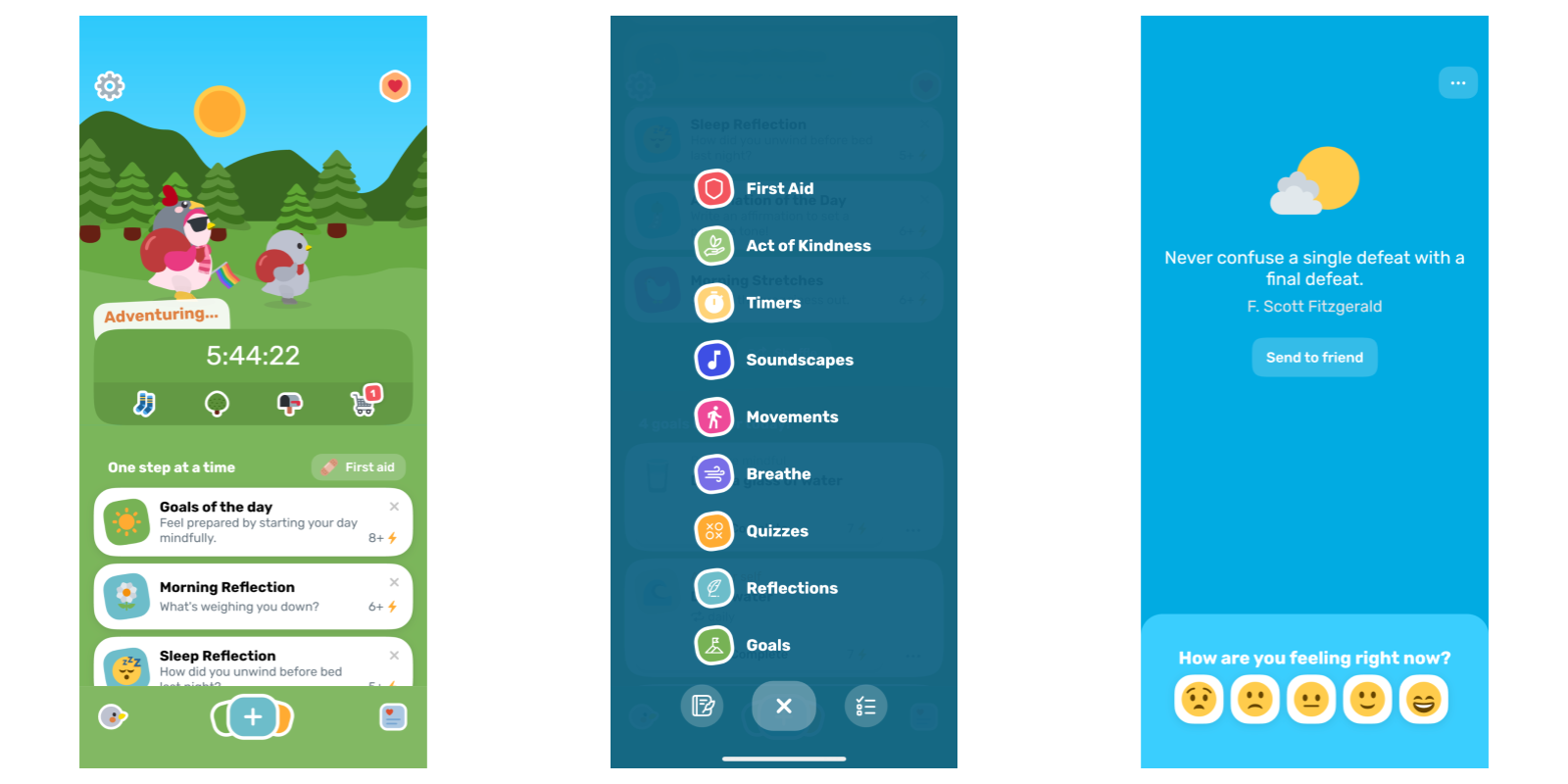
The user interface (UI) of Finch is intentionally minimalist and soft, utilizing a pastel color palette and rounded edges to reduce “app fatigue” and digital anxiety. From a technical standpoint, the UI is built to prioritize low-friction interactions. When a user opens the app, they are not met with a complex dashboard but rather with their “Birb” (the virtual pet), creating an immediate emotional connection. This is a classic example of “Affective Computing,” where software is designed to recognize and respond to human emotions.
The Core Feedback Loop: Rewards and Habit Loops
The app operates on a “Trigger-Action-Variable Reward” loop.
- Trigger: A push notification or a scheduled daily check-in.
- Action: The user completes a small task, such as drinking water or practicing deep breathing.
- Reward: The user earns “Rainbow Stones” (the in-app currency) and “Energy” for their bird.
This loop is underpinned by a robust back-end system that tracks streaks and progress without the punishing “streak-loss” mechanics common in apps like Duolingo. This “compassionate tech” design ensures that if a user misses a day, the software encourages a return rather than inducing guilt, a crucial distinction in mental health software.
Core Functionalities: The Technical Ecosystem of the Finch App
Finch is more than just a virtual pet; it is a comprehensive suite of mental health tools integrated into a single mobile platform. The technical challenge for the developers was to synthesize various therapeutic modalities—such as Cognitive Behavioral Therapy (CBT) and mindfulness—into a cohesive, light-weight application.
Goal Setting and Dynamic Habit Tracking
The habit-tracking engine within Finch allows for high levels of customization. Users can select from a library of pre-set goals or create their own. Technically, these goals are categorized by “impact,” where more difficult tasks (like “get out of bed”) yield more energy for the pet. This hierarchical data structure allows the app to adapt to the user’s specific needs, whether they are managing high-functioning anxiety or severe depression.
Mindful Exercises and Reflection Modules
Finch integrates several “micro-tools” for immediate intervention. These include:
- Breathing Exercises: Utilizing haptic feedback on smartphones to guide users through rhythmic breathing.
- Guided Reflections: Using NLP (Natural Language Processing) prompts to encourage journaling. While the app does not currently use generative AI to “talk back” in a clinical sense, the logic-based branching of these prompts provides a personalized experience.
- Soundscapes: High-quality audio integration that provides lo-fi beats or nature sounds, requiring optimized asset management to ensure the app remains responsive even on older hardware.
Social Connectivity: The “Tree Town” Feature
While many wellness apps are solitary, Finch includes a “Tree Town” feature that allows users to add friends. From a networking perspective, this is handled via unique “Friend Codes,” ensuring that the social aspect remains opt-in and private. The software allows users to send “Good Vibes” (automated animations and messages), creating a micro-social network that leverages peer support to increase user retention.

Data Privacy and Security in Mental Health Technology
As a piece of software that handles highly sensitive emotional data, the Finch app must adhere to rigorous digital security standards. In an era where data harvesting is the norm, Finch has distinguished itself through a “Privacy-First” architecture.
Local Storage vs. Cloud Synchronization
One of the most notable technical decisions made by the Finch team is the prioritization of local data storage. By default, much of the user’s journaling and mood data is stored locally on the device rather than on a central server. This minimizes the risk of large-scale data breaches affecting personal reflections. For users who wish to sync across devices, Finch offers an encrypted cloud backup, but the “opt-in” nature of this feature is a benchmark for ethical software design.
Encryption Standards and Anonymity
Finch utilizes industry-standard encryption protocols (such as AES-256) for data in transit. Furthermore, the app does not require a complex account setup to begin use, allowing for a degree of anonymity that is often lacking in the “Tech-Bio” space. By reducing the amount of Personally Identifiable Information (PII) required to operate the core features, Finch aligns with GDPR and CCPA principles, positioning itself as a secure alternative to larger, more data-hungry wellness platforms.
The Evolution of the “Tamagotchi” Model in Modern Software
The concept of a virtual pet is not new; it dates back to the handheld Tamagotchi devices of the 1990s. However, Finch represents the “Version 3.0” of this concept, where the pet’s growth is directly tethered to the user’s real-world self-improvement.
Sustaining Long-Term User Retention
The primary challenge for any app—especially in the “Health & Fitness” category—is the “churn rate.” Users often download an app, use it for three days, and then forget it. Finch combats this through “Variable Reinforcement.” As the pet grows from a baby to an adult, it discovers new locations, learns new personality traits, and brings back “discoveries” from its adventures. These discoveries are randomized, which keeps the user curious and engaged with the software over months and years rather than days.
Cross-Platform Accessibility and Performance
To reach a global audience, the developers have focused on cross-platform performance. Whether running on a high-end iPhone or a budget Android device, the app’s 2D assets are optimized to prevent battery drain. This is critical for a wellness app; if the tool meant to reduce stress actually causes stress by draining the user’s battery or lagging, it fails its primary objective. The use of efficient frameworks (such as React Native or Flutter) allows the team to push updates simultaneously across platforms, ensuring a consistent user experience.
Conclusion: The Future of Wellness Tech and Finch’s Role
The Finch app is a testament to the power of “Human-Centric Design” in the technology sector. It proves that software does not have to be exploitative or “addictive” in a negative sense to be successful. By combining the best elements of RPG gaming with scientifically-backed therapeutic practices, Finch has created a blueprint for the next generation of digital health tools.
As we move toward a future where AI and automation become even more integrated into our lives, the success of Finch highlights a growing demand for technology that feels “human.” The app’s ability to provide a safe, private, and engaging environment for self-reflection makes it a standout example of how code and compassion can coexist. For tech enthusiasts and developers alike, Finch serves as a masterclass in how to build an app that serves the user’s humanity rather than just their attention span.
In the broader tech landscape, Finch is not just an app; it is a shift in philosophy—moving away from “user acquisition at all costs” toward “user well-being as the primary metric of success.” As the digital security and functionality of these tools continue to improve, we can expect the “Finch model” to influence everything from educational software to corporate productivity suites, making our digital lives a little more mindful, one “rainbow stone” at a time.
aViewFromTheCave is a participant in the Amazon Services LLC Associates Program, an affiliate advertising program designed to provide a means for sites to earn advertising fees by advertising and linking to Amazon.com. Amazon, the Amazon logo, AmazonSupply, and the AmazonSupply logo are trademarks of Amazon.com, Inc. or its affiliates. As an Amazon Associate we earn affiliate commissions from qualifying purchases.