
For decades, the journey of a motion picture from the director’s edit suite to the consumer’s living room has been fraught with technical interference. While television manufacturers have raced to implement the most advanced image processing algorithms—designed to make colors pop and motion appear fluid—they unintentionally created a rift between the creator’s vision and the viewer’s experience. This technical gap birthed “Filmmaker Mode,” a dedicated display setting that has become a cornerstone of modern home theater technology.
Filmmaker Mode is not just another preset like “Vivid” or “Sports.” It is a sophisticated industry standard developed by the UHD Alliance in collaboration with world-renowned directors, cinematographers, and tech giants. Its primary objective is simple yet technically complex: to disable post-processing features that alter the original aesthetic of a film, ensuring that the TV renders the image exactly as it was mastered in the studio.
The Genesis of Filmmaker Mode: Why the UHD Alliance Stepped In
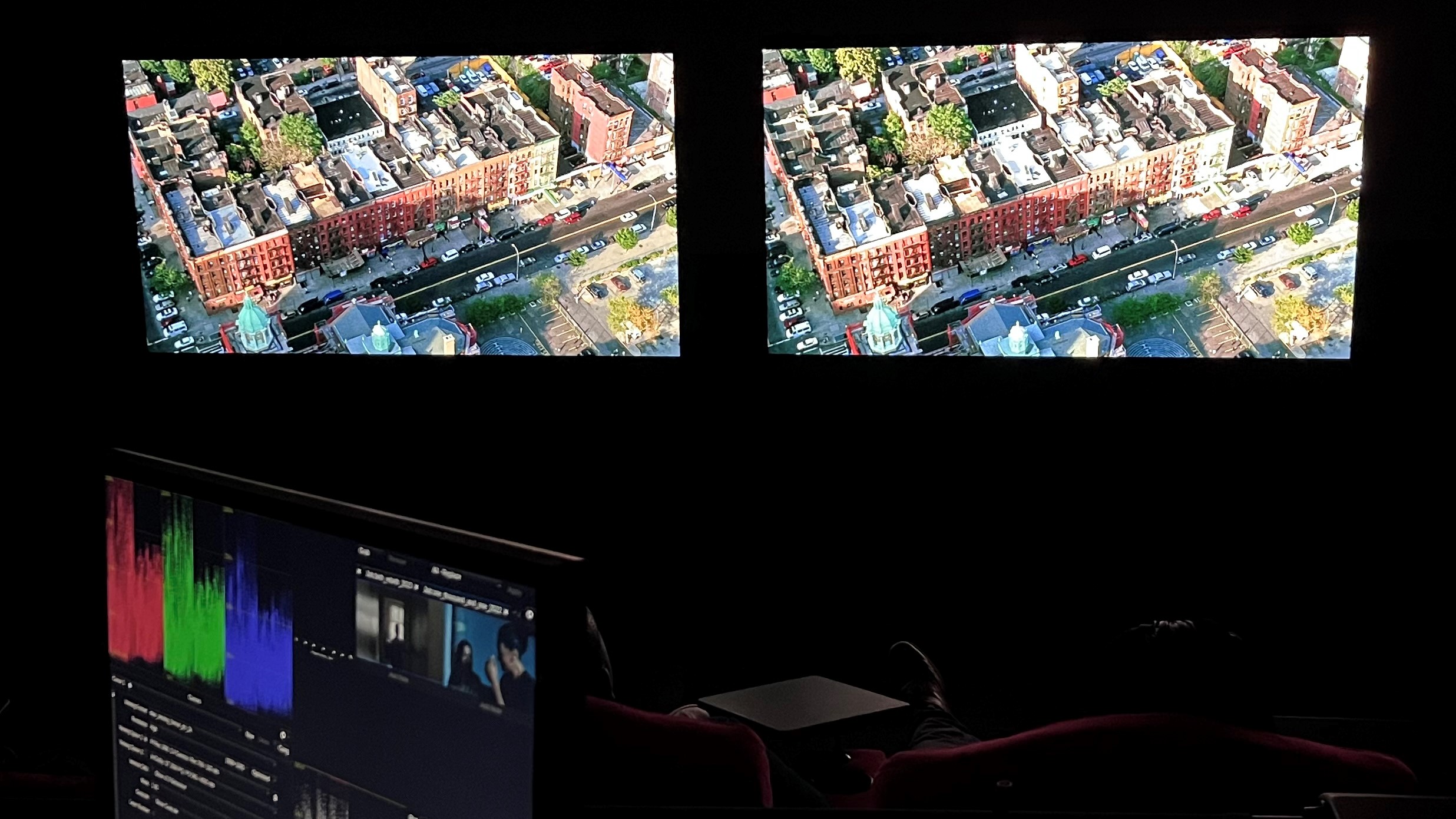
The drive toward Filmmaker Mode began as a grassroots movement among Hollywood’s elite. For years, directors like Christopher Nolan, Martin Scorsese, and Paul Thomas Anderson expressed frustration that their carefully crafted visual signatures were being distorted by default TV settings. The technical culprit was a suite of “enhancements” that, while impressive in a brightly lit showroom, stripped movies of their cinematic texture.
The Motion Smoothing Controversy (The “Soap Opera Effect”)
The most notorious of these enhancements is motion interpolation, commonly known as “motion smoothing.” Most modern TVs have refresh rates of 60Hz or 120Hz, while films are traditionally shot at 24 frames per second (fps). To bridge this gap, TV processors insert “fake” frames between the original ones to make movement look smoother.
Technically, this is beneficial for fast-paced sports, but for cinema, it results in the “Soap Opera Effect.” This effect makes high-budget Hollywood productions look like low-cost video recordings. Filmmaker Mode addresses this by forcing the display to respect the original 24fps cadence, preserving the rhythmic flicker and motion blur that defines the cinematic look.
Collaborative Innovation: Directors Meet Display Engineers
Recognizing that the “Soap Opera Effect” was a PR nightmare for both studios and TV brands, the UHD Alliance—a global coalition of film studios, consumer electronics manufacturers, and technology companies—formulated a unified standard. Filmmaker Mode was officially announced at CES 2020. Unlike proprietary modes that vary by brand, Filmmaker Mode provides a consistent technical baseline. Whether you are watching on an LG OLED, a Samsung QLED, or a Vizio LED, the technical parameters of Filmmaker Mode remain identical, ensuring a standardized viewing experience across the industry.
Technical Specifications: How Filmmaker Mode Transforms Your Viewing Experience
To understand Filmmaker Mode, one must look at the specific hardware and software triggers it manipulates. It is essentially a “master override” that strips away the artificial layers added by the television’s System-on-a-Chip (SoC).
Aspect Ratio and Frame Rate Integrity
One of the most subtle but vital technical adjustments made by Filmmaker Mode is the preservation of the original aspect ratio. Many televisions default to an “Overscan” setting, which slightly zooms in on the image to hide potential noise at the edges of the broadcast signal. This results in the loss of up to 5% of the visual information. Filmmaker Mode disables overscan, ensuring that every pixel of the director’s composition is visible. Furthermore, it ensures the display’s refresh rate is an exact multiple of the content’s frame rate (e.g., 120Hz for 24fps content), preventing “judder” without the need for artificial smoothing.
Color Accuracy and the D65 White Point
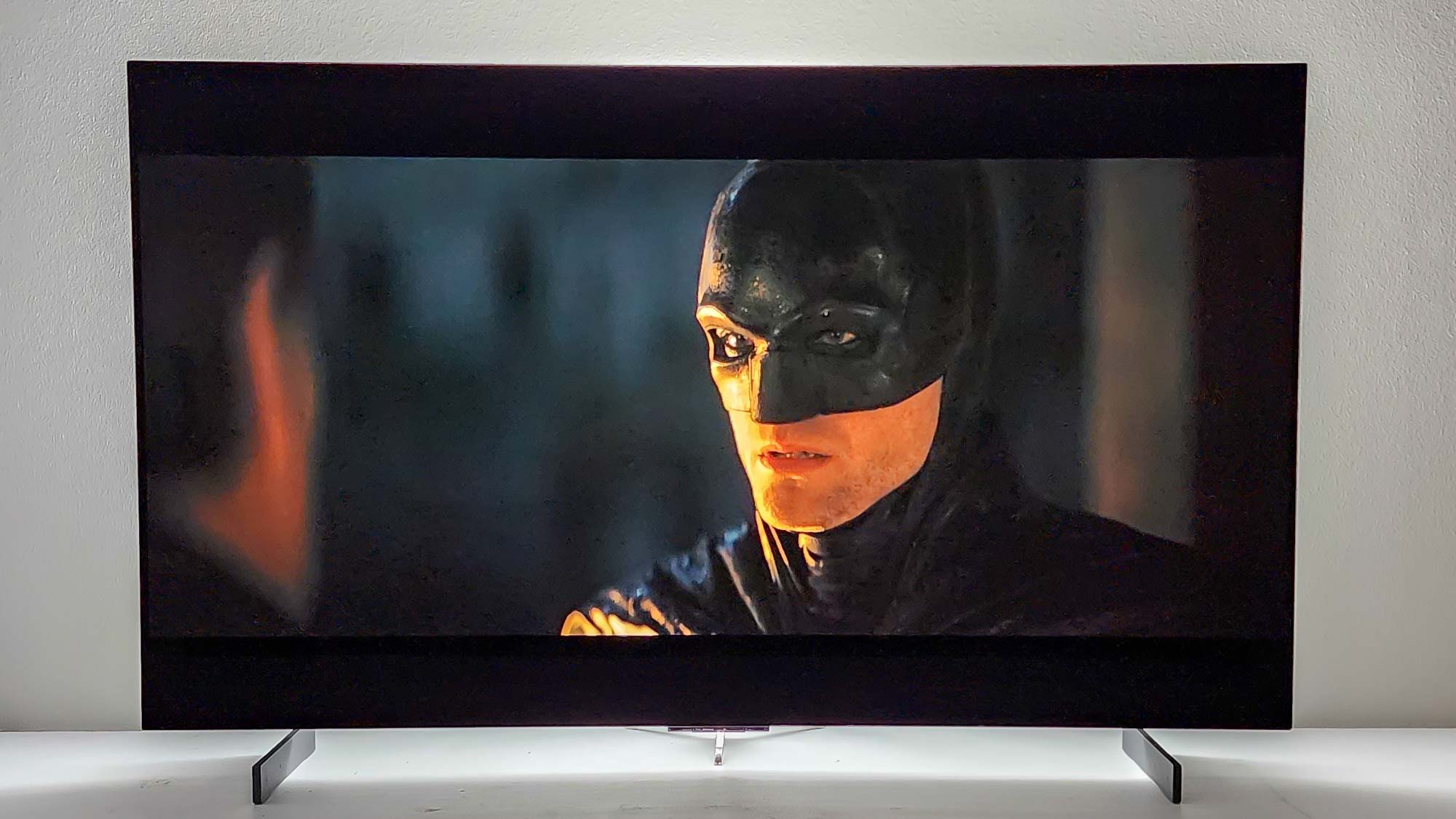
Color temperature is a critical element of storytelling. Directors often use specific color palettes to evoke emotion—cool blues for isolation or warm ambers for nostalgia. Most “Standard” TV modes lean toward a “cool” color temperature (bluish whites) to make the panel appear brighter.
Filmmaker Mode locks the display to the D65 white point (6500 Kelvin), which is the industry standard for white light in Hollywood mastering suites. This ensures that the color balance is neutral and accurate. Additionally, it maintains the DCI-P3 or Rec.2020 color gamuts without over-saturation, preventing the “neon-look” often found in aggressive display presets.
Disabling Post-Processing Enhancements
Beyond motion and color, Filmmaker Mode disables several digital filters that can degrade image quality:
- Sharpening: Artificial edge enhancement often adds halos around objects. Filmmaker Mode sets sharpening to zero to preserve the natural resolution of the source.
- Noise Reduction: While intended to clean up grainy footage, these filters often “smear” fine details, like skin texture or fabric patterns. Filmmaker Mode allows the film’s natural grain—a stylistic choice in many movies—to remain visible.
- Dynamic Contrast: This feature adjusts brightness frame-by-frame but can lead to “crushed blacks” or “blown-out highlights.” Filmmaker Mode maintains a static, accurate EOTF (Electro-Optical Transfer Function) curve.
The Ecosystem: Device Support and Implementation
The success of Filmmaker Mode depends on its widespread adoption across the technology ecosystem. It is not a hardware component but a software protocol that requires certification from the UHD Alliance.
TV Manufacturers Embracing the Standard
Leading manufacturers including LG, Samsung, Sony, Panasonic, and Philips have integrated Filmmaker Mode into their high-end and mid-range lineups. For consumers, this means the feature is often accessible via a dedicated button on the remote or a prominent option in the quick-settings menu. Tech reviewers now use Filmmaker Mode as the “out-of-the-box” benchmark for testing a TV’s color accuracy, as it provides the closest possible approximation to a professional calibration without the need for expensive equipment.
Auto-Switching Metadata: The Future of Ease-of-Use
The latest evolution in this technology is the implementation of automatic switching. Through the use of metadata embedded in the HDMI signal or the streaming bitstream, a TV can detect when a compatible movie is playing and automatically trigger Filmmaker Mode. This removes the “technical friction” for the average user. Brands like LG have led the way here, allowing the TV to communicate with streaming apps like Amazon Prime Video to enable the mode without user intervention. This represents a significant step in “smart” display technology, where the hardware intelligently adapts to the content’s technical requirements.
Filmmaker Mode vs. Cinema/Movie Mode: Understanding the Nuances
A common question in the tech community is how Filmmaker Mode differs from the pre-existing “Movie” or “Cinema” modes found on older TVs. While they share the same goal, the differences lie in the lack of manufacturer interference.
Why Calibration Still Matters
“Movie Mode” is a manufacturer’s interpretation of what a movie should look like. Because TV brands want their products to look “better” than their competitors, they often leave a small amount of sharpening or color boosting active even in Movie Mode. Filmmaker Mode is a strict, “no-nonsense” standard. However, it is important to note that Filmmaker Mode is not a substitute for professional calibration. Every panel is slightly different due to manufacturing tolerances; while Filmmaker Mode gets you 90% of the way to perfection, a professional calibrator uses hardware light meters to fine-tune the remaining 10% for that specific screen.
The Impact of Ambient Room Lighting
Technically, Filmmaker Mode is designed for a “dark room” environment, mimicking the conditions of a movie theater. Because it disables brightness-boosting features, the image may appear “dim” in a sun-drenched living room. This has led to the development of “Filmmaker Mode with Ambient Detection” (utilizing the TV’s light sensors), which adjusts the gamma curve to keep details visible in bright rooms without sacrificing color accuracy or frame rate integrity.
The Future of Home Entertainment Technology
Filmmaker Mode represents a shift in the philosophy of consumer electronics. We are moving away from an era of “more is better”—more brightness, more saturation, more smoothing—toward an era of “authenticity.”
Bridging the Gap Between Professional Grading and Consumer Displays
As display technology moves toward MicroLED and advanced QD-OLED panels, the gap between a $30,000 professional reference monitor and a consumer flagship TV is narrowing. Filmmaker Mode acts as the software bridge that allows these high-performance panels to flex their muscles accurately. It signals a future where technology serves the art, rather than rewriting it.
For the tech enthusiast, Filmmaker Mode is more than just a setting; it is a commitment to high-fidelity data reproduction. By stripping away the “tricks” of the processor, we finally see the raw power of the panel and the pure intent of the creator. As 4K and 8K content becomes the standard, the importance of maintaining that bit-perfect integrity through modes like this cannot be overstated. It ensures that the “Tech” in our living rooms remains a transparent window into the world of cinema.
aViewFromTheCave is a participant in the Amazon Services LLC Associates Program, an affiliate advertising program designed to provide a means for sites to earn advertising fees by advertising and linking to Amazon.com. Amazon, the Amazon logo, AmazonSupply, and the AmazonSupply logo are trademarks of Amazon.com, Inc. or its affiliates. As an Amazon Associate we earn affiliate commissions from qualifying purchases.