
In the lexicon of modern business, the word “happy” is often viewed as too simplistic, too transient, and perhaps too subjective to serve as a cornerstone for a multi-million dollar corporate strategy. Yet, the pursuit of happiness remains the fundamental driver behind every consumer purchase, every subscription renewal, and every viral brand interaction. When brand strategists ask, “What is another name for happy?” they aren’t looking for a synonym from a dictionary; they are searching for the strategic frameworks that transform a fleeting emotion into a sustainable business asset.
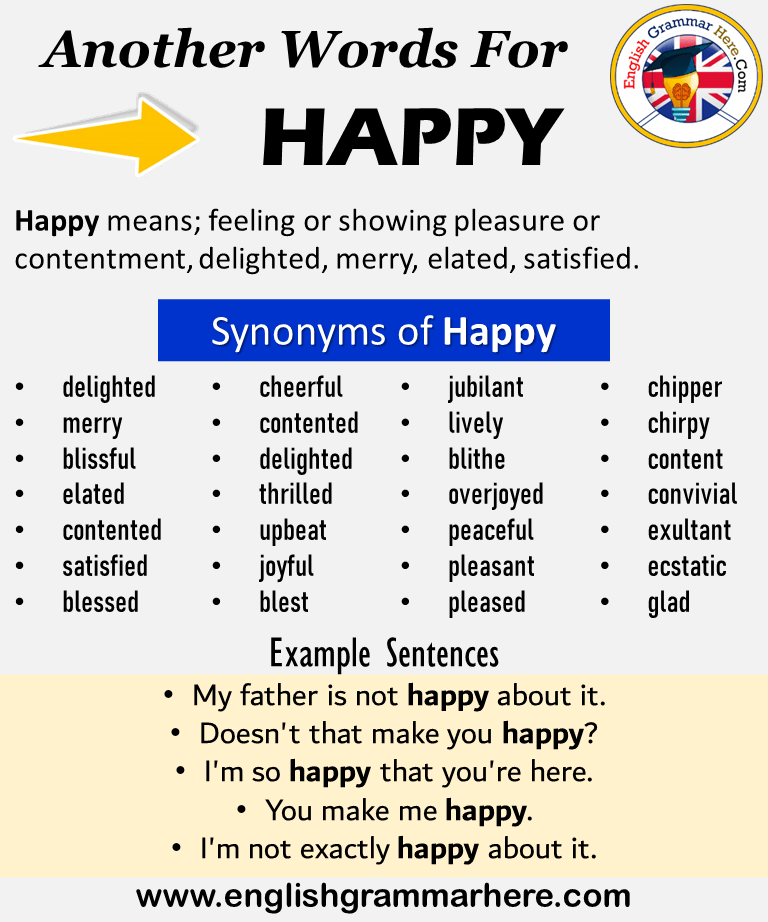
In the world of brand strategy and corporate identity, “happy” is rebranded as Customer Delight, Brand Affinity, and Consumer Advocacy. Understanding these nuances is the difference between a company that merely survives a transaction and one that builds a legacy.
From Satisfaction to Advocacy: The Evolution of Customer Happiness
For decades, the benchmark of a successful business was “Customer Satisfaction.” However, in a hyper-competitive digital marketplace, being “satisfied” is no longer enough. Satisfaction is a baseline—it means the product worked as advertised. To thrive, brands must aim for the next evolution of happiness: Advocacy.
The Limitations of “Satisfied”
Satisfaction is often a rational calculation: the price paid equals the value received. It is a neutral state. A satisfied customer is someone who has no reason to complain, but they also have no compelling reason to stay if a competitor offers a lower price or a shinier feature. In brand strategy, “satisfied” is a dangerous plateau. It lacks the emotional “stickiness” required to survive market fluctuations. When we look for a more potent name for happy, we move past the transactional nature of satisfaction into the realm of emotional resonance.
The Rise of the “Delighted” Consumer
“Customer Delight” is the industry term for exceeding expectations to the point of surprise. It is the tactical application of happiness. Delight occurs when a brand anticipates a need before the customer even articulates it—think of the hotel that leaves a personalized note based on a casual comment made at check-in, or the software company that adds a feature requested by a niche user group. Delight creates a “peak” experience in the customer journey, which, according to the Peak-End Rule in psychology, is what people remember most about their interaction with a brand.
Cultivating Brand Advocacy
The ultimate “other name” for a happy customer is an “Advocate.” Advocacy is happiness exported. When a consumer becomes an advocate, they take on the role of an unpaid marketing department. They defend the brand in comment sections, recommend it to friends, and provide the social proof that modern algorithms crave. This transition from happy to advocate is the highest ROI a brand strategy can achieve.
Emotional Branding: Rebranding Happiness as Brand Affinity
While “delight” is an action, “affinity” is a state of being. In the context of personal branding and corporate identity, happiness is often renamed as Brand Affinity—a deep-seated emotional connection between the consumer and the brand’s core values.
The Psychology of Positive Association
Brand strategy is, at its heart, the management of associations. When a consumer sees a logo, a specific set of neurons fires. If those neurons are associated with safety, joy, or status, the brand has successfully captured a piece of the “happiness” spectrum. Brand affinity goes deeper than “liking” a product; it is an alignment of identities. For example, a person doesn’t buy an Apple product just for the silicon chip; they buy it because they identify with the “Think Different” ethos. The “happiness” they feel is a sense of belonging and self-expression.
Building “Brand Love” Through Emotional Connection
In specialized marketing circles, “Brand Love” is a recognized metric. It involves three specific pillars: passion, attachment, and commitment.
- Passion: The immediate thrill of the brand experience.
- Attachment: The long-term integration of the brand into the consumer’s lifestyle.
- Commitment: The willingness to stick with the brand even when things go wrong.
By aiming for “Brand Love,” companies move the conversation away from the commodity and toward the relationship. This is why luxury brands can charge a premium; they aren’t selling a functional item, they are selling the enduring happiness of status and craftsmanship.
Sensory Branding and the “Halo Effect”
Another name for happy in the design world is “Aesthetic Usability.” When a product is beautiful and intuitive, users perceive it as working better. This “Halo Effect” means that the positive emotion (happiness) generated by a clean design spills over into the user’s perception of the brand’s reliability and intelligence. Modern brand strategy utilizes color psychology, typography, and even “sonic branding” (think of the Netflix “ta-dum” sound) to trigger micro-moments of happiness that build long-term affinity.
Measuring the Unmeasurable: Sentiment Analysis and Net Promoter Scores
If “happy” is the goal, how do brands measure it? In a data-driven corporate environment, happiness is translated into KPIs (Key Performance Indicators) and metrics that can be tracked on a dashboard.
Beyond the Five-Star Review
While the five-star review system is the most common public-facing metric of happiness, it is often too blunt an instrument for deep brand analysis. Instead, strategists look at Sentiment Analysis. Using AI-driven tools, brands can scan thousands of social media mentions to categorize the “emotional temperature” of the conversation. Is the sentiment “Joyful,” “Trusting,” or merely “Neutral”? By quantifying “happy” as a percentage of positive sentiment, brands can adjust their messaging in real-time to maintain their corporate identity.
The Net Promoter Score (NPS)
The gold standard for measuring brand happiness is the Net Promoter Score. It asks one simple question: “How likely are you to recommend this brand to a friend or colleague?”
- Promoters (9-10): The happy loyalists.
- Passives (7-8): The satisfied but unenthusiastic.
- Detractors (0-6): The unhappy.
In this framework, “happy” is renamed as “Promoter.” A high NPS is a leading indicator of future growth, proving that happiness is not just a “soft” metric, but a hard financial driver.
Qualitative Data: Capturing the Voice of the Customer (VoC)
To truly understand the “why” behind the happiness, brands employ Voice of the Customer (VoC) programs. This involves deep-dive interviews, focus groups, and open-ended survey responses. In these sessions, “happy” might be described as “peace of mind,” “empowerment,” or “confidence.” A smart brand strategy takes these specific words and mirrors them back to the audience in marketing copy, ensuring that the brand’s identity is perfectly synced with the consumer’s emotional needs.
The Strategy of Shared Values: Happiness as Corporate Identity
In the modern era, a brand’s “happiness” is inextricably linked to its ethics and purpose. For the socially conscious consumer, another name for happy is Alignment.
Purpose-Driven Branding and Joy
The rise of “Purpose-Driven Brands” shows that consumers derive happiness from knowing their purchase supports a larger cause. Whether it is environmental sustainability, social justice, or community building, when a brand’s identity is built on a “Why” rather than a “What,” it creates a deeper level of fulfillment for the consumer. In this context, the “happiness” of the transaction is shared between the buyer, the brand, and the world at large.
Case Studies in High-Sentiment Brands
Looking at brands like Patagonia or Lego, we see “happiness” renamed as Community and Creativity.
- Patagonia doesn’t just sell jackets; they sell a commitment to the planet. The “happiness” a customer feels is the satisfaction of being part of a movement.
- Lego doesn’t just sell plastic bricks; they sell the joy of imagination. Their brand strategy is built entirely around the concept of “Play,” which is perhaps the most enduring synonym for happiness in human history.
These brands don’t use the word “happy” in their mission statements—they embody it in their corporate DNA.
The Internal Brand: Employee Happiness
Finally, a brand cannot project happiness if it doesn’t possess it internally. In corporate identity strategy, “happy” is often renamed as Employee Engagement. A brand is only as strong as the people who represent it. Companies that prioritize a positive culture find that this “internal happiness” naturally flows outward into customer interactions. When employees are “Engaged,” they become the most authentic ambassadors of the brand’s identity.

Conclusion: The Strategic Value of Joy
What is another name for happy? In the professional world of brand strategy, it is the lifeblood of longevity. It is Customer Delight that surprises, Brand Affinity that connects, and Advocacy that grows. It is measured through Sentiment Analysis and NPS, and it is solidified through Purpose and Shared Values.
By moving beyond the simple four-letter word and embracing the complex, strategic synonyms of happiness, brands can build identities that don’t just occupy a space in the market, but a place in the hearts of their customers. Happiness, by any other name, is still the most powerful currency a brand can possess.
aViewFromTheCave is a participant in the Amazon Services LLC Associates Program, an affiliate advertising program designed to provide a means for sites to earn advertising fees by advertising and linking to Amazon.com. Amazon, the Amazon logo, AmazonSupply, and the AmazonSupply logo are trademarks of Amazon.com, Inc. or its affiliates. As an Amazon Associate we earn affiliate commissions from qualifying purchases.