
In the modern marketplace, where consumers are bombarded with thousands of marketing messages daily, the ability to stand out is no longer a luxury—it is a survival mechanism. While graphic design provides the structure of a brand’s visual identity, illustration provides its soul. But what exactly is an illustrator in the context of professional branding and corporate identity?
An illustrator is a visual communicator who specializes in translating complex ideas, emotions, and brand narratives into bespoke imagery. Unlike a fine artist, whose work is often a self-contained expression of personal vision, a professional illustrator works within the constraints of a brand strategy. They are the architects of visual storytelling, bridging the gap between a company’s abstract values and a consumer’s emotional response.

The Role of Illustrators in Modern Brand Strategy
In the realm of brand strategy, an illustrator serves as a strategic partner rather than just a service provider. Their role is to take a brand’s mission statement and turn it into a visual language that resonates with a specific target audience. This process is integral to building a cohesive corporate identity.
Beyond Decoration: Creating Visual Assets with Purpose
A common misconception is that illustration is merely decorative—a way to “pretty up” a website or a brochure. In reality, professional illustration is a functional tool. When a brand employs an illustrator, they are looking for a way to explain a product or service that might be too complex for photography or too dry for text alone. For example, a tech company might use custom illustrations to visualize the flow of data or the concept of cloud computing. These visuals serve a functional purpose: they simplify information, guide the user’s eye, and make the brand more approachable.
Establishing Brand Voice Through Illustration
Every brand has a voice—some are authoritative and corporate, while others are whimsical and disruptive. An illustrator’s style—the weight of their lines, their choice of color palette, and the “personality” of their characters—becomes a core component of that voice. When a brand uses a consistent illustrative style across all platforms, it creates a “visual shorthand.” Consumers can recognize the brand without even seeing a logo, simply by the aesthetic of the illustrations. This level of brand recognition is the holy grail of marketing, and it is largely facilitated by the unique hand of the illustrator.
Types of Illustration in Corporate Identity
The work of an illustrator manifests in various forms across the corporate landscape. Depending on the brand’s needs, an illustrator might specialize in one specific area or provide a comprehensive suite of assets that span digital and physical media.
Editorial and Marketing Illustration
Editorial illustration is perhaps the most visible form of the craft. These are the images found in annual reports, company blogs, and social media campaigns. In this context, the illustrator’s job is to complement written content, providing a visual hook that draws the reader in. In marketing, these illustrations are designed to convert. They are often used in advertisements to evoke a specific feeling—nostalgia, excitement, or trust—that aligns with the campaign’s goals.
Iconography and UI/UX Illustration
As brands move further into the digital space, the role of the illustrator has expanded into User Interface (UI) and User Experience (UX) design. Modern illustrators often create custom iconography sets that are unique to a brand. While standard icons (like a magnifying glass for “search”) are universal, an illustrator can infuse these small elements with a brand’s specific aesthetic. Furthermore, “empty state” illustrations—the images you see on an app when there is no data to display—have become a key touchpoint for brand personality, turning a potentially frustrating user moment into a delightful brand interaction.
Packaging and Product Design
For retail brands, the illustrator is often the primary driver of consumer choice. Packaging illustration must do more than look good on a shelf; it must communicate the quality, flavor, or utility of the product within seconds. From the intricate botanical drawings on a premium gin bottle to the bold, minimalist graphics on a tech gadget’s box, the illustrator’s work is the final handshake between the brand and the consumer before the purchase is made.
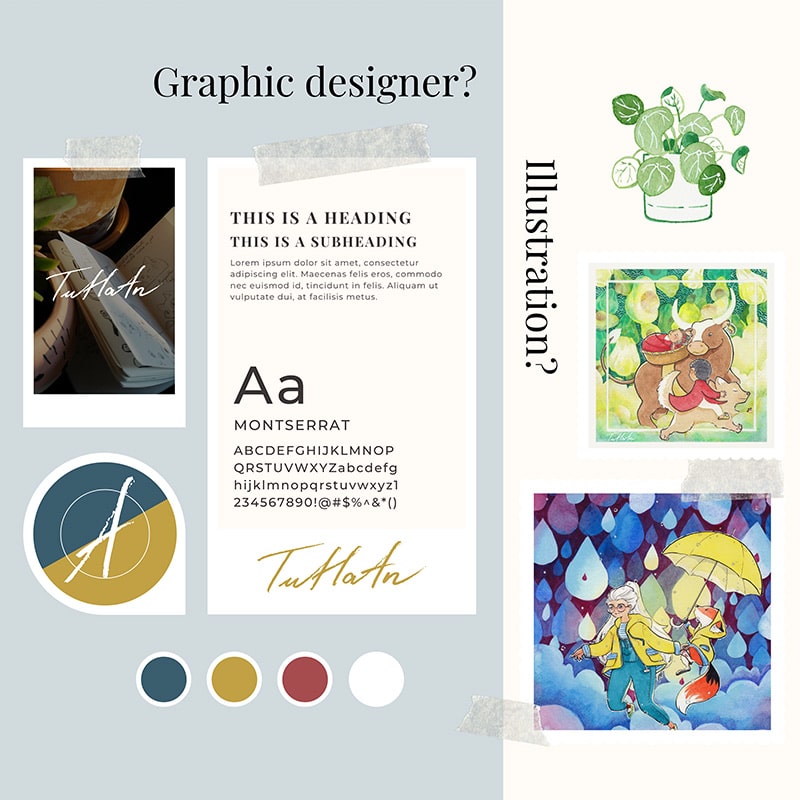
The Strategic Value of Custom Illustration vs. Stock Imagery
In an era of budget constraints, many businesses are tempted to rely on stock photography or generic vector art. However, from a brand-building perspective, the value of a professional illustrator lies in their ability to provide exclusivity and authenticity.
Authenticity and Brand Differentiation
Stock imagery is accessible to everyone, including a brand’s competitors. When a company uses the same stock illustrations as five other businesses in its niche, it loses its unique identity. An illustrator creates custom assets that belong solely to the brand. This exclusivity is a powerful differentiator. It signals to the consumer that the brand is established, thoughtful, and willing to invest in its own identity. Custom illustration allows a brand to own its visual space entirely, ensuring that no other company looks quite the same.
Scalability and Brand Longevity
A professional illustrator creates a visual system, not just a one-off image. This system is scalable. Once a brand’s illustrative style is defined, it can be applied to everything from a tiny favicon to a massive billboard. Moreover, while photography can quickly look dated due to fashion or technology trends, a well-defined illustrative style often has more longevity. By focusing on stylized interpretations rather than literal representations, an illustrator helps a brand remain relevant and visually cohesive for years, reducing the need for frequent and expensive rebrands.
How Illustrators Collaborate Within a Marketing Ecosystem
An illustrator does not work in a vacuum. To be effective, they must integrate seamlessly into the broader marketing and design ecosystem, collaborating with various stakeholders to ensure the visual output aligns with the business objectives.
Bridging the Gap Between Concept and Consumer
The creative process usually begins with a creative brief from a marketing manager or brand strategist. The illustrator’s task is to interpret this brief—which is often filled with abstract business goals—and translate it into a visual concept. They act as a bridge, taking the “what” (the product) and the “why” (the brand mission) and creating the “how” (the visual representation). This requires not only artistic skill but also a deep understanding of consumer psychology and market trends.
The Collaborative Process with Art Directors
In many corporate settings, the illustrator works closely with an Art Director. The Art Director provides the “big picture” vision, ensuring that the illustration fits within the established grid systems, typography choices, and layout requirements of the project. The illustrator then brings their specific technical expertise to execute that vision. This synergy ensures that the illustration doesn’t just look good in isolation but functions perfectly within the context of the website, app, or physical print piece it inhabits.
The Future of Illustration in Digital Branding
As technology evolves, the definition of an illustrator continues to expand. The field is moving beyond static images into more dynamic, interactive territory, offering brands new ways to engage with their audiences.
Motion Graphics and Interactive Brand Assets
The rise of video and interactive web design has given birth to the “motion illustrator.” Brands are increasingly looking for illustrations that move—animated logos, scrolling web graphics, and micro-animations that react to user input. This adds a layer of “living” identity to a brand. An illustrator who can conceptualize movement adds a new dimension to the brand’s storytelling, making the digital experience feel more organic and responsive.

AI Integration in the Creative Workflow
The emergence of Artificial Intelligence tools is also reshaping the role of the illustrator. Rather than replacing the human element, AI is becoming a tool for rapid prototyping and ideation within the brand strategy process. A professional illustrator uses these tools to explore color palettes or compositions quickly, but the final, polished assets still require the human touch to ensure they align with the nuanced emotional needs of a brand. In the future, the most successful illustrators will be those who master the “Tech” of their craft to enhance the “Brand” value they deliver, ensuring that the human-centric soul of the company remains front and center.
In conclusion, an illustrator is much more than a person who draws. In the world of business and marketing, they are strategic visual thinkers who define how a brand is perceived, felt, and remembered. By creating unique, purposeful, and cohesive visual narratives, illustrators turn abstract corporate identities into tangible, relatable experiences that drive brand loyalty and market success.
aViewFromTheCave is a participant in the Amazon Services LLC Associates Program, an affiliate advertising program designed to provide a means for sites to earn advertising fees by advertising and linking to Amazon.com. Amazon, the Amazon logo, AmazonSupply, and the AmazonSupply logo are trademarks of Amazon.com, Inc. or its affiliates. As an Amazon Associate we earn affiliate commissions from qualifying purchases.