
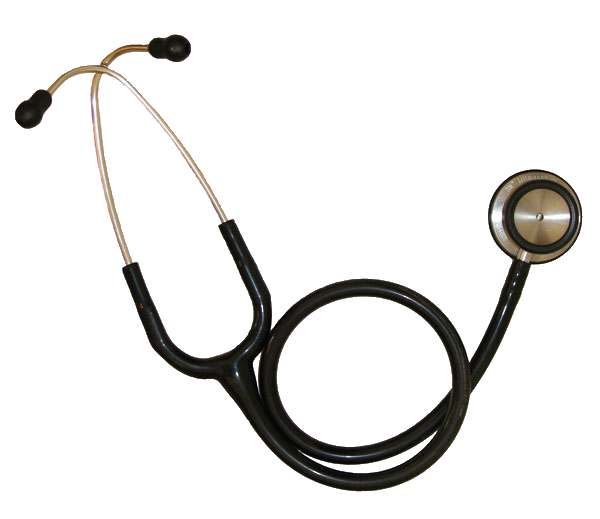
For over two centuries, the stethoscope has remained the most iconic symbol of the medical profession. Hanging around a clinician’s neck, it represents the bridge between patient and practitioner. However, the question “What is a stethoscope?” no longer yields the simple answer it once did. In the contemporary landscape of health technology, the stethoscope has evolved from a passive acoustic tube into a sophisticated digital diagnostic platform. This transition represents a broader shift in the “Tech” niche, where traditional mechanical tools are being integrated with software, artificial intelligence (AI), and Internet of Things (IoT) capabilities to redefine the boundaries of modern medicine.
The Evolution of Acoustic Engineering: From Wooden Tubes to Precision Hardware
To understand what a stethoscope is today, one must first appreciate the engineering journey from its humble beginnings to modern high-fidelity instruments. The device was invented in 1816 by René Laennec out of a simple need for modesty and improved sound transmission. Since then, the “tech” behind the stethoscope has moved through several distinct phases of material science and acoustic physics.
The Mechanics of Sound Capture
At its core, a traditional acoustic stethoscope is an analog amplifier. It relies on a diaphragm and a bell to capture sound waves generated by the heart, lungs, and blood flow. When the diaphragm is placed against the skin, high-frequency sounds vibrate the material, creating acoustic pressure waves that travel through airtight tubing to the listener’s ears. The “tech” here lies in the tension of the diaphragm and the internal diameter of the tubing, which must be optimized to prevent sound decay.
Material Science in Modern Diaphragms
Modern manufacturers have turned to advanced polymers and tunable diaphragm technology. These materials allow clinicians to hear different frequency ranges simply by varying the pressure applied to the chest piece. This physical “user interface” eliminates the need to flip the chest piece, showcasing how ergonomics and material science can enhance a tool’s utility without needing a battery. However, as medical needs have grown more complex, the limitations of pure acoustics have paved the way for the digital revolution.
The Digital Revolution: Electronic Stethoscopes and Signal Processing
The leap from acoustic to electronic stethoscopes marks the most significant technological milestone in the history of the device. By converting sound waves into electrical signals, the stethoscope has entered the realm of Digital Signal Processing (DSP). This transformation allows for a level of clarity and data manipulation that was previously impossible.
Ambient Noise Cancellation Technologies
One of the primary technical hurdles in clinical environments—such as emergency rooms or ambulances—is background noise. Digital stethoscopes now employ active noise cancellation (ANC), similar to high-end consumer headphones. Through secondary microphones and inverse wave processing, these devices can filter out the hum of air conditioners or the chatter of a busy ward, isolating the subtle “gallop” of a heart murmur or the fine crackles of a lung infection. This is a prime example of how audio engineering tech directly improves diagnostic accuracy.
Amplification and Frequency Filtering
Acoustic stethoscopes are limited by the physical laws of sound dissipation. Electronic versions, however, can amplify sounds by up to 40 or 60 times. Furthermore, they allow the user to toggle between “bell” and “diaphragm” modes through software-defined filters. By narrowing the frequency band, a clinician can focus exclusively on low-frequency heart sounds while muting the higher-frequency breath sounds, or vice versa. This digital control panel effectively gives the clinician “superhuman” hearing, enabled by embedded microprocessors.
AI and Machine Learning: The Stethoscope as a Diagnostic Powerhouse

The true “frontier” of stethoscope technology is not just in hearing the sound, but in interpreting it. With the integration of Artificial Intelligence (AI) and Machine Learning (ML), the stethoscope is evolving from a listening tool into a diagnostic assistant. This is where the intersection of medical hardware and software becomes most profound.
Automated Heart Sound Analysis
Modern digital stethoscopes can now be paired with software platforms that utilize AI algorithms to analyze phonocardiograms (PCGs). By comparing a patient’s heart sounds against a database of millions of recordings, these AI tools can identify anomalies like mitral regurgitation or aortic stenosis with a sensitivity and specificity that often rivals or exceeds that of a general practitioner. This “Tech-first” approach democratizes expert-level diagnostics, allowing a nurse or a rural health worker to receive real-time feedback on a patient’s cardiac health.
EKG Integration and Multi-Modal Data
The most advanced stethoscopes currently on the market are no longer just acoustic tools; they are multi-modal sensors. Some models feature built-in electrodes on the chest piece, allowing the device to capture a single-lead EKG (electrocardiogram) simultaneously with the heart sounds. By syncing the electrical activity of the heart with the mechanical sounds of the valves closing, the software can provide a comprehensive “snapshot” of cardiac function. This integration of hardware sensors is a hallmark of the modern MedTech ecosystem.
Connectivity and the IoT Ecosystem: The Future of Remote Monitoring
In the era of telehealth and decentralized care, the stethoscope has become a critical node in the Internet of Things (IoT). Connectivity features like Bluetooth and Wi-Fi have transformed the device from a standalone tool into a gateway for data transmission.
Cloud-Based Sound Libraries and Telemedicine
During a telehealth consultation, a patient or a local technician can use a smart stethoscope to record lung or heart sounds and upload them instantly to the cloud. A specialist hundreds of miles away can then listen to high-fidelity audio in real-time or review the waveform data later. These “tele-auscultation” platforms are revolutionizing how we approach chronic disease management, particularly for congestive heart failure and asthma, by allowing for sophisticated monitoring outside of the hospital walls.
Mobile App Integration and Patient Data Security
The modern stethoscope interface is often a smartphone app. These apps allow clinicians to visualize sound as a waveform, store recordings in a patient’s Electronic Health Record (EHR), and even share clips with colleagues for a second opinion. Because this involves sensitive medical data, the “Tech” focus here extends to digital security. Encryption protocols, HIPAA-compliant cloud storage, and secure authentication are now as central to the definition of a “good stethoscope” as the quality of its ear-tips.
Choosing the Right Tech: A Buyer’s Guide for the Modern Clinician
As the stethoscope becomes more of a gadget and less of a simple tool, choosing the right model requires an understanding of technical specifications. For the modern healthcare professional or the tech-savvy student, the decision-making process mirrors that of buying a high-end laptop or smartphone.
- Acoustic vs. Digital: Does the user require the reliability of a battery-free device, or do they work in environments where amplification and noise cancellation are necessary?
- Software Compatibility: Does the device’s ecosystem play well with existing hospital EHR systems? Does the companion app have a high rating for UI/UX?
- Battery Life and Charging: As stethoscopes become electronic, power management becomes a factor. Wireless charging and fast-charging capabilities are now key selling points in the premium market.
- Durability and “Future-Proofing”: In a field where equipment is used daily, the build quality must remain high. Furthermore, buyers must consider whether the device’s firmware can be updated to include new AI features as they are developed.

Conclusion: The Tool That Listens to the Future
So, what is a stethoscope? In 2024, it is a sophisticated piece of medical technology that stands at the intersection of acoustics, digital signal processing, and artificial intelligence. While it retains its classic form factor, its internal components have been replaced by sensors, chips, and algorithms.
The evolution of the stethoscope is a microcosm of the broader technology trend in healthcare: the movement toward data-driven, precise, and connected diagnostics. As AI continues to mature and sensor technology becomes even more miniaturized, the stethoscope will likely continue its transformation—perhaps eventually integrating ultrasound technology or even more advanced biometric sensors. Regardless of its physical form, the stethoscope remains the ultimate “tech” tool for the clinician—a device that amplifies the human touch with the power of modern engineering.
aViewFromTheCave is a participant in the Amazon Services LLC Associates Program, an affiliate advertising program designed to provide a means for sites to earn advertising fees by advertising and linking to Amazon.com. Amazon, the Amazon logo, AmazonSupply, and the AmazonSupply logo are trademarks of Amazon.com, Inc. or its affiliates. As an Amazon Associate we earn affiliate commissions from qualifying purchases.