
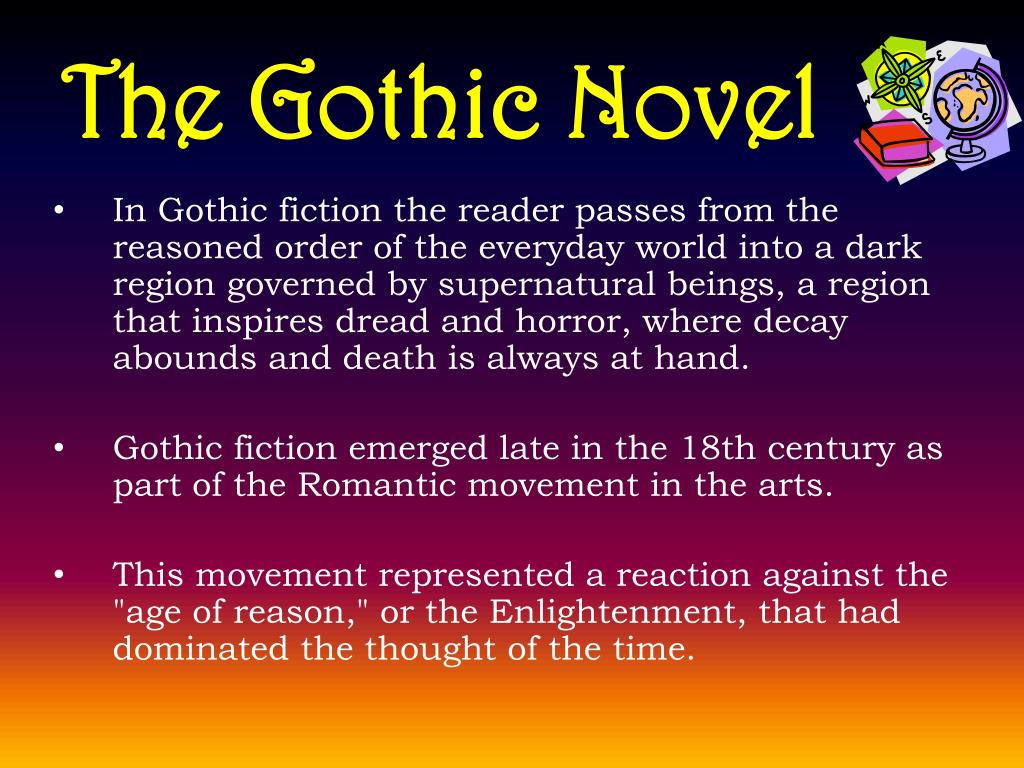
In the world of literature, the Gothic novel stands as one of the most enduring and evocative genres ever conceived. Defined by its preoccupation with the past, its atmospheric dread, and its exploration of the “sublime”—a feeling of overwhelming awe mixed with terror—the Gothic novel has shaped the way we perceive storytelling since the late 18th century. However, the influence of the Gothic extends far beyond the dusty corridors of Horace Walpole’s The Castle of Otranto or the psychological depths of Mary Shelley’s Frankenstein.
For brand strategists, personal branding experts, and creative directors, the Gothic novel provides a masterclass in “Atmospheric Branding.” It offers a blueprint for how to build a corporate identity that is not merely a product or service, but a visceral experience. In an era where consumers are fatigued by the “blandness” of modern minimalism, the Gothic archetype offers a powerful alternative: a brand identity built on mystery, legacy, and emotional intensity.

The Foundations of the Gothic Archetype: Creating a Brand “Atmosphere”
At its core, a Gothic novel is defined by its setting and its mood. Unlike other genres that focus purely on plot, the Gothic relies on the environment to dictate the narrative. Whether it is a crumbling castle, a fog-drenched moor, or a labyrinthine Victorian mansion, the setting is a character in its own right.
World-Building as Brand Strategy
In the realm of brand strategy, this translates to the concept of “world-building.” A brand should not just exist in the market; it should inhabit a specific, recognizable atmosphere. Just as the reader knows they are in a Gothic novel within the first few pages of Jane Eyre, a customer should feel the “gravity” of a brand the moment they interact with its digital or physical touchpoints. This involves more than just a logo; it involves sensory triggers—the “dark” color palettes, the weight of the packaging, and the narrative tone of the copy. Brands like Aesop or AllSaints have successfully adopted Gothic elements by creating retail environments that feel more like historical archives or moody sanctuaries than traditional stores.
The Power of the “Sublime” in Consumer Psychology
The “sublime” is a central tenet of Gothic literature—the idea that something can be so vast or powerful that it inspires both fear and admiration. In branding, this is the “Awe Factor.” High-end luxury brands often utilize this “Gothic” sense of the sublime by making their products feel exclusive and slightly intimidating. By creating a distance between the brand and the average consumer, they build a sense of mystery and desire. This is the antithesis of the “approachable” brand; it is a brand that demands respect and a certain level of cultural literacy to fully appreciate.
Translating Literary Tropes into Corporate Identity
To understand how a Gothic novel functions is to understand the mechanics of tension and release. In literature, this is achieved through tropes such as the “hidden secret,” the “ancestral curse,” or the “haunted past.” While these may sound like negative concepts, in the context of corporate identity, they represent the most valuable asset a brand can have: Heritage.
Heritage and the “Ancestral” Narrative
Gothic novels are obsessed with the past and how it influences the present. In branding, this is the “Brand Heritage” narrative. Many of the world’s most successful luxury houses—Hermès, Burberry, or Louis Vuitton—operate on a Gothic structural logic. They lean into their “ancestry,” highlighting their founding dates and the craftsmanship of previous generations. They present their brand history not as a boring timeline, but as a rich, storied legacy that bestows value upon the modern consumer. By framing their history as something slightly mysterious and deeply prestigious, they create a brand narrative that feels timeless.
The Visual Language of Shadows and Contrast
Visually, the Gothic novel is defined by chiaroscuro—the contrast between light and dark. In design, this translated into a move away from the bright, sterile aesthetics of the 2010s toward “Dark Academia” and “Gothic Minimalism.” A brand identity that embraces shadows, deep hues (burgundy, forest green, midnight blue), and serif typography communicates a sense of intellectual depth and maturity. This visual language signals to the consumer that the brand is not a “fast” trend, but a “slow,” deliberate entity with substance.
Mystery as a Marketing Tool
In a Gothic novel, the protagonist is often lured into a mystery they do not fully understand. Modern marketing often makes the mistake of being too transparent, leaving nothing to the imagination. Brand strategists can learn from the Gothic tradition by intentionally leaving “gaps” in the brand story. Teaser campaigns that reveal very little, “hidden” menu items, or invite-only digital spaces mimic the “hidden room” trope of Gothic fiction. This cultivates a sense of belonging among those who “solve” the mystery of the brand.
Case Studies: Brands that Mastered the Gothic Appeal
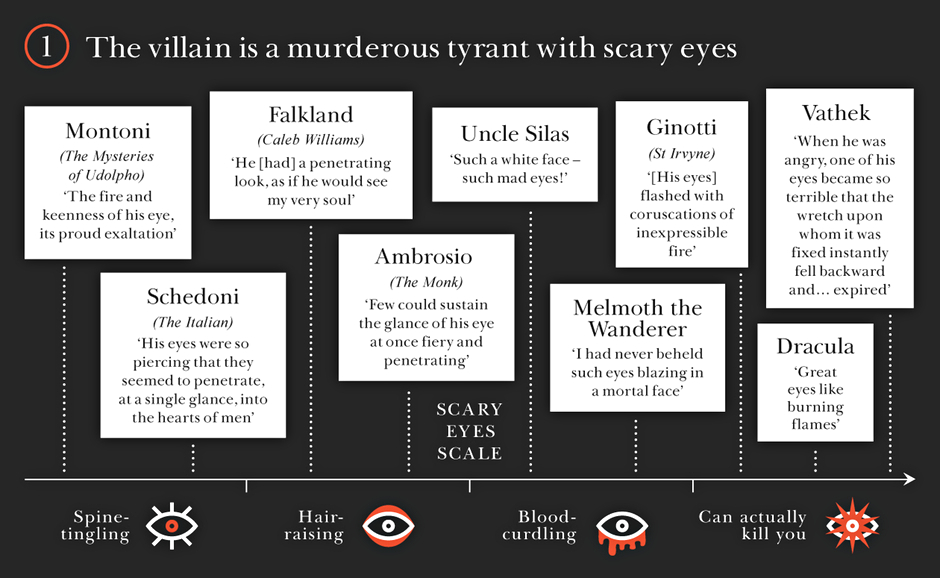
Several modern brands have effectively distilled the essence of the Gothic novel into their brand strategy, proving that the genre’s appeal is universal and lucrative.
Alexander McQueen: The Romantic Gothic
The late Alexander McQueen was perhaps the greatest practitioner of Gothic branding in the fashion world. His collections often referenced 19th-century mourning rituals, taxidermy, and the macabre. By leaning into the “darkness” of the human experience, he created a brand that was emotionally resonant and profoundly artistic. The McQueen brand identity isn’t just about clothes; it’s about a confrontation with history and nature—the very themes found in Gothic masterpieces like Wuthering Heights.
A24: The Modern Gothic Cult Brand
The film production company A24 has built a “cult brand” by leaning into the Gothic and the “uncanny.” Their films, such as The Witch or The Lighthouse, often lean heavily on Gothic literary tropes (isolation, the supernatural, psychological breakdown). Their branding strategy—from their minimalist social media presence to their high-concept merchandise—creates an atmosphere of “insider knowledge.” Fans of A24 don’t just watch their movies; they identify with the “mood” the brand project, which is rooted in a modern, psychological Gothicism.
Personal Branding: Using Gothic Storytelling to Stand Out
In an age of hyper-curated, “perfect” personal brands, the Gothic novel offers a refreshing alternative: the beauty of the flawed and the complex. For thought leaders and creatives, adopting elements of the Gothic archetype can lead to a more authentic and memorable personal identity.
Embracing the “Shadow Self”
In Gothic literature, characters often struggle with their “double” or their “shadow self” (think Dr. Jekyll and Mr. Hyde). In personal branding, “embracing the shadow” means showing the struggle, the complexity, and the intellectual depth behind the success. A personal brand that acknowledges the difficulties of the creative process or the complexities of leadership feels more “Gothic”—and therefore more human—than one that only shows a polished highlight reel.
Cultivating a Niche Community through Shared Aesthetic
Gothic novels were originally “pulp” fiction—they were loved by a passionate, dedicated audience before being accepted as “high art.” Personal brands can replicate this by building a “Gothic” niche. By focusing on a specific, perhaps slightly eccentric aesthetic or topic, a creator can foster a community that feels like a “secret society.” This creates high levels of loyalty and engagement, as the audience feels they have discovered something special that the mainstream has overlooked.
The Future of Brand Strategy: Why the Gothic Persists
As we move further into a digital-first world, the tactile, atmospheric, and emotional elements of the Gothic novel become more valuable. Technology often feels cold and impersonal; the Gothic is warm, heavy, and deeply rooted in the human psyche.
Beyond Trends: The Perennial Power of the Dark Romantic
The reason we still ask “What is a gothic novel?” is that the genre speaks to fundamental human emotions: the fear of the unknown, the weight of history, and the beauty found in darkness. Brands that can tap into these “dark romantic” themes will always find an audience. This isn’t about being “scary”; it’s about being “profound.” In the future, the brands that succeed will be those that offer more than utility—they will offer a story that feels as rich and layered as a classic Gothic novel.
Conclusion: The Strategic Implementation of the Gothic
To implement a Gothic brand strategy, one must look past the superficial elements like bats or skulls and focus on the structural mechanics of the genre. It is about Legacy (the past), Atmosphere (the environment), and Mystery (the untold story). By weaving these elements into a corporate or personal identity, a brand can transcend the noise of the modern marketplace and achieve a status that is truly timeless. The Gothic novel teaches us that people are not just looking for products—they are looking for a world to get lost in.
aViewFromTheCave is a participant in the Amazon Services LLC Associates Program, an affiliate advertising program designed to provide a means for sites to earn advertising fees by advertising and linking to Amazon.com. Amazon, the Amazon logo, AmazonSupply, and the AmazonSupply logo are trademarks of Amazon.com, Inc. or its affiliates. As an Amazon Associate we earn affiliate commissions from qualifying purchases.