
In the rapidly evolving landscape of collegiate athletics, the question of “what happened” to an athlete often refers to their performance on the court. However, when discussing JuJu Watkins, the star guard for the USC Trojans, the answer lies in a sophisticated metamorphosis. What happened to JuJu Watkins is the intentional construction of a multi-million-dollar global brand that transcends the boundaries of the hardwood.
The ascent of JuJu Watkins is not merely a story of athletic prowess; it is a blueprint for the “Brand Era” of sports. In an age where Name, Image, and Likeness (NIL) rights have redefined the value of a college athlete, Watkins has emerged as a premier case study in strategic positioning, marketability, and corporate synergy. To understand her trajectory is to understand the future of personal branding in the digital age.

The Architecture of an Elite Personal Brand: Building the “JuJu” Persona
The foundation of any successful brand is a clear, relatable, and consistent identity. JuJu Watkins did not become a household name by accident. Her brand architecture was built on the intersection of high-level performance and a distinct, authentic personality that resonates with both Gen Z consumers and legacy sports fans.
Defining the “Homegrown Hero” Narrative
One of the most powerful tools in branding is the narrative of origin. Watkins, a Los Angeles native who attended Sierra Canyon High School before committing to USC, utilized the “homegrown hero” archetype to solidify her local market dominance. By staying in Los Angeles, she tapped into the second-largest media market in the United States, allowing her brand to benefit from the proximity to Hollywood, major tech hubs, and global marketing agencies. This geographical strategy turned her from a national prospect into a local icon, providing a stable base for her brand’s expansion.
The Power of Visual Identity and the “JuJu Bun”
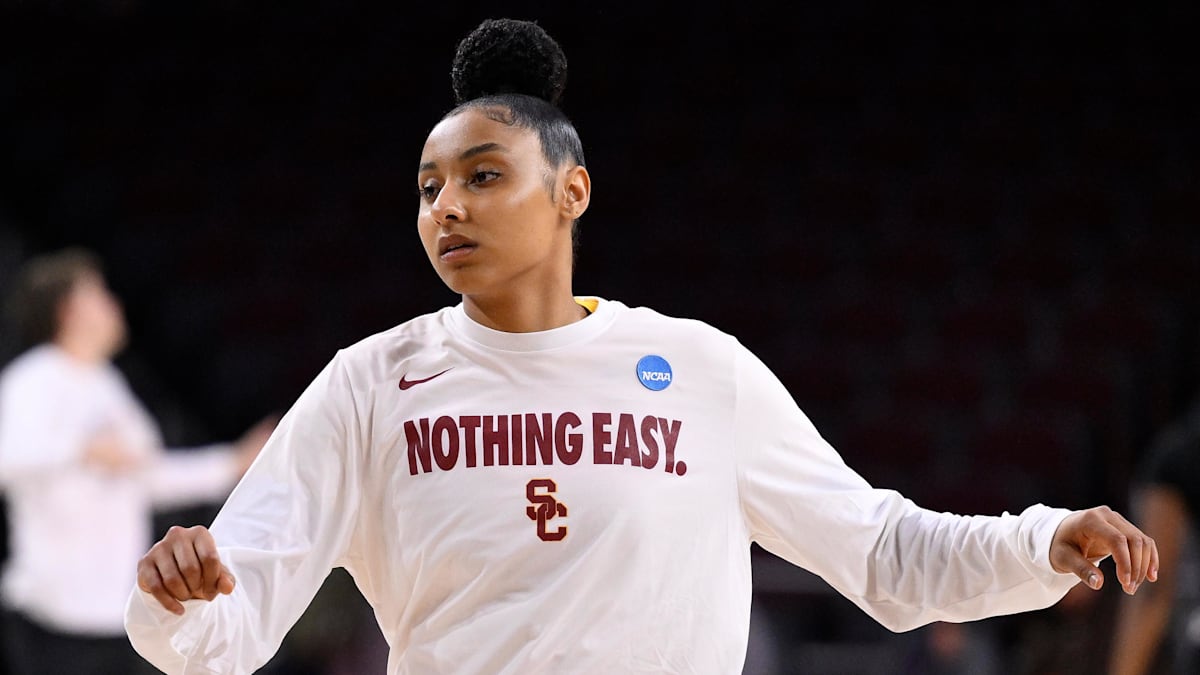
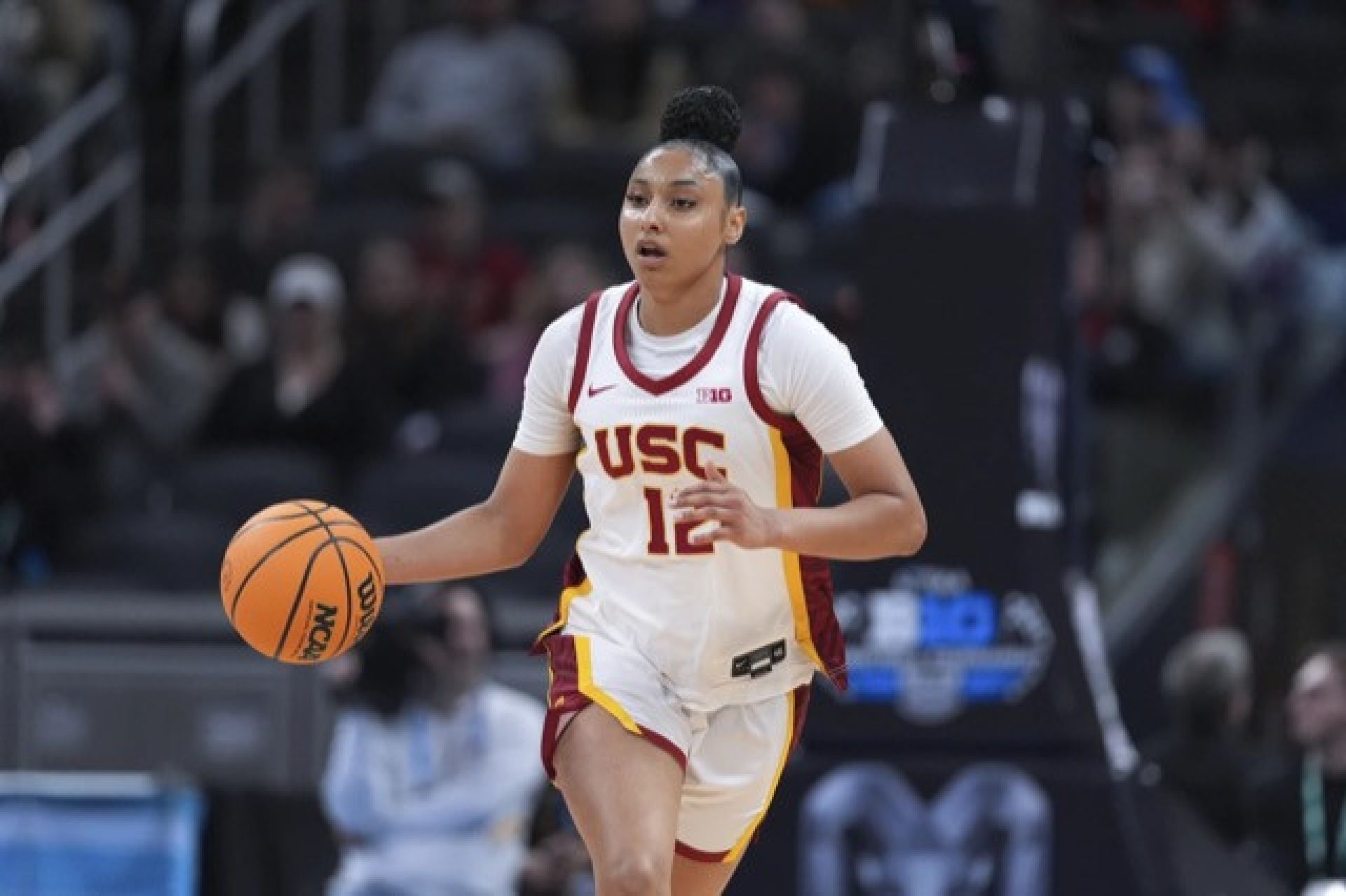
In branding, visual cues are essential for recognition. Watkins established a signature look—most notably her high, slicked-back bun—which has become a visual shorthand for her brand. This consistency in her appearance during games and media appearances creates a “brand mask” that fans can easily identify. This type of visual branding is similar to how corporate entities use logos; it provides a consistent image that evokes specific emotions and values, such as discipline, focus, and elegance.
Authenticity as a Brand Value
Modern consumers, particularly younger demographics, are highly sensitive to “forced” branding. What happened to JuJu Watkins was the successful maintenance of her authenticity while scaling her influence. She communicates through social media with a voice that feels unpolished yet professional, bridging the gap between an elite professional-in-waiting and a relatable college student. This authenticity is the “social currency” that makes her an attractive partner for global corporations.
Strategic NIL Alliances: Quality Over Quantity in Market Positioning
While many college athletes rushed to sign as many NIL deals as possible when the regulations changed, the Watkins camp adopted a “Prestige Strategy.” Rather than diluting her brand through dozens of mid-tier sponsorships, she aligned herself with blue-chip companies that reinforced her status as an elite, premium entity.
The Nike Partnership and the “Face of the Future”
Perhaps the most significant development in the branding of JuJu Watkins was her partnership with Nike. By signing with the world’s leading athletic brand, Watkins wasn’t just getting an endorsement; she was being positioned as a cornerstone of Nike’s future basketball strategy. This partnership serves as a “brand endorsement by association.” When a consumer sees Watkins in a Nike campaign, the prestige of the Nike Swoosh is transferred to her personal brand, elevating her perceived value in the marketplace.
Diversification via Gatorade and State Farm
Beyond apparel, Watkins strategically branched into other sectors. Her deals with Gatorade and State Farm are masterclasses in market diversification. Gatorade reinforces her “performance” pillar, while State Farm—a brand known for its association with icons like Chris Paul and Caitlin Clark—positions her as a mainstream, reliable, and charismatic figure. This “multi-sector” approach ensures that her brand is not siloed within the sports world but is integrated into the broader lifestyle and insurance sectors, broadening her demographic reach.
Selective Association and Brand Scarcity
A key component of the JuJu Watkins brand strategy is scarcity. By not being “everywhere,” she increases her value for the partners she does choose. This selective association creates a sense of exclusivity. In the world of brand strategy, being highly selective is a signal of power. It suggests that the athlete is not chasing checks, but rather building a legacy. This has allowed Watkins to maintain a high “price per impression,” making her one of the most valuable female athletes in the NIL ecosystem.
Media Management and Narrative Control in the Digital Age
The shift in Watkins’ career has also been defined by how she manages the media. In the past, athletes were at the mercy of traditional sports journalism. Today, Watkins utilizes a sophisticated mix of owned, earned, and paid media to control her narrative, ensuring that “what happens” to her brand is always on her terms.
Leveraging “Owned Media” Channels
Watkins’ social media platforms (Instagram, TikTok, X) are not just communication tools; they are media properties. With a combined following in the millions, she has the power to bypass traditional gatekeepers. Her brand strategy involves using these platforms to showcase her life behind the scenes, her fashion sense, and her community involvement. By controlling the “behind-the-scenes” narrative, she humanizes her brand, making her more attractive to lifestyle and fashion brands that might otherwise see her only as a basketball player.
The Role of Klutch Sports and Professional Representation
What happened to JuJu Watkins was also the result of professionalizing her business operations early. By signing with Klutch Sports Group, led by Rich Paul, Watkins aligned herself with a firm known for aggressive brand building and player empowerment. This move signaled to the corporate world that JuJu Watkins was a serious business entity. Klutch’s involvement ensured that every interview, every photoshoot, and every public appearance was calibrated to enhance her long-term market value rather than just providing short-term exposure.
Managing Crisis and Pressure through Brand Resilience
A significant part of brand management is resilience. As the “next big thing,” Watkins faces immense pressure. Her brand strategy includes a proactive approach to managing expectations. By focusing her public messaging on hard work, team success, and community service, she builds “brand equity” that acts as a buffer during inevitable performance slumps or media scrutiny. This resilience is a critical component of a sustainable personal brand.
Future-Proofing: From Collegiate Athlete to Global Icon
The final phase of what has happened to JuJu Watkins is the transition from a regional star to a global icon. As she continues her collegiate career and looks toward the professional ranks, her brand is being “future-proofed” to ensure longevity far beyond her playing days.
Scaling Beyond the Basketball Court
The most successful athlete brands—think Michael Jordan or Serena Williams—eventually outgrow their sport. Watkins is already laying the groundwork for this transition. Through her involvement in community initiatives in Los Angeles and her interests in fashion and media, she is diversifying her “brand portfolio.” This makes her a viable brand ambassador for luxury goods, tech startups, and social causes, ensuring that her earning potential remains high long after she stops playing.
The “Caitlin Clark Effect” and the Growth of Women’s Sports
Watkins is also benefiting from a macro-trend: the explosive growth of women’s sports. Her brand is perfectly timed to capitalize on the increasing viewership and investment in the WNBA and NCAA women’s basketball. By positioning herself as one of the faces of this movement, she isn’t just growing her own brand; she is tied to the growth of an entire industry. In marketing terms, she is a “market leader” in a high-growth sector.
Lessons for Corporate and Personal Branding
The story of JuJu Watkins offers valuable lessons for any branding professional. It highlights the importance of:
- Strategic Alignment: Choosing partners that elevate your brand rather than just providing capital.
- Narrative Ownership: Using digital tools to tell your own story.
- Visual Consistency: Developing a recognizable identity that transcends the product (or the game).
- Long-term Vision: Making decisions today that protect the brand’s value for the next decade.
In conclusion, what happened to JuJu Watkins is the intentional and expert execution of a 21st-century brand strategy. She has transitioned from a talented teenager into a sophisticated corporate entity. By leveraging her location, her talent, and a series of high-level strategic partnerships, she has redefined what it means to be a student-athlete. JuJu Watkins is no longer just a player on a roster; she is a premier brand in the global marketplace, and her journey is only beginning.
aViewFromTheCave is a participant in the Amazon Services LLC Associates Program, an affiliate advertising program designed to provide a means for sites to earn advertising fees by advertising and linking to Amazon.com. Amazon, the Amazon logo, AmazonSupply, and the AmazonSupply logo are trademarks of Amazon.com, Inc. or its affiliates. As an Amazon Associate we earn affiliate commissions from qualifying purchases.