
In the rapidly evolving landscape of indie game development, the intersection of low-fidelity aesthetics and high-impact narrative design has created a new sub-genre of “lo-fi horror.” At the forefront of this movement is Mouthwashing, a psychological horror title developed by Wrong Organ and published by Critical Reflex. While the game has garnered acclaim for its visceral body horror and non-linear storytelling, the character of Anya serves as the emotional and technical pivot point for the entire experience. To understand “what happened to Anya” is to understand the sophisticated ways in which software-driven storytelling can manipulate player perception, empathy, and dread.

The Technical Architecture of Horror in Mouthwashing
Mouthwashing functions as a masterclass in utilizing technical constraints to enhance a narrative. Developed using modern engines but mimicking the aesthetic of late 90s software, the game leverages “crunchy” textures and low-poly models to create a sense of clinical detachment and uncanny discomfort.
Low-Poly Aesthetics and Atmospheric Immersion
From a technical standpoint, the choice of a PS1-style aesthetic isn’t merely nostalgic; it is a strategic tool. By reducing the visual fidelity of characters like Anya, the developers force the player’s imagination to fill in the gaps. When we ask what happened to Anya, the technical “vague-ness” of her facial expressions during key cutscenes adds to the psychological weight. The software doesn’t show us every pore or tear; instead, it uses harsh lighting and jagged geometry to convey a sense of a world—and a person—breaking apart.
Scripted Sequences and Psychological Pacing
The game utilizes a non-linear timeline, a feat of narrative scripting that requires precise triggers to ensure the player understands the descent into madness without losing the plot’s thread. Anya’s presence is felt most heavily in the medical bay of the Tulpar, the doomed freighter. The way the software handles transitions between the “past” (hopeful but tense) and the “present” (decayed and hopeless) allows the player to see Anya’s deterioration in real-time, creating a technical contrast that highlights her tragic end.
Character Breakdown: Who is Anya and What is Her Function?
In the context of the Tulpar’s crew, Anya isn’t just a character; she is a functional component of the game’s moral ecosystem. As the ship’s nurse, her role is inherently tied to the “health” of the system—both the biological health of the crew and the psychological health of the narrative.
The Narrative Role of the Tulpar’s Nurse
Anya is introduced as a character under immense systemic pressure. Technically, she serves as the player’s primary point of contact for understanding the physical state of Captain Curly, the mangled survivor of the initial crash. Through Anya’s dialogue scripts, the developers communicate the technical reality of the ship’s dwindling supplies. She is the “voice of reason” that slowly becomes distorted by the software’s increasingly chaotic environmental storytelling.
Symbolic Interactionism in Character Design
The developers used Anya to explore the theme of powerlessness within a corporate and physical vacuum. Her interactions with characters like Jimmy and Daisuke are programmed to reveal layers of subtext. While other characters represent archetypes of leadership or youthful optimism, Anya represents the “conscience” of the software. When she begins to withdraw, it signals a systemic failure in the game’s internal logic, preparing the player for the inevitable collapse of the crew’s social order.
The Degradation of Safety: Anya’s Tragic Trajectory
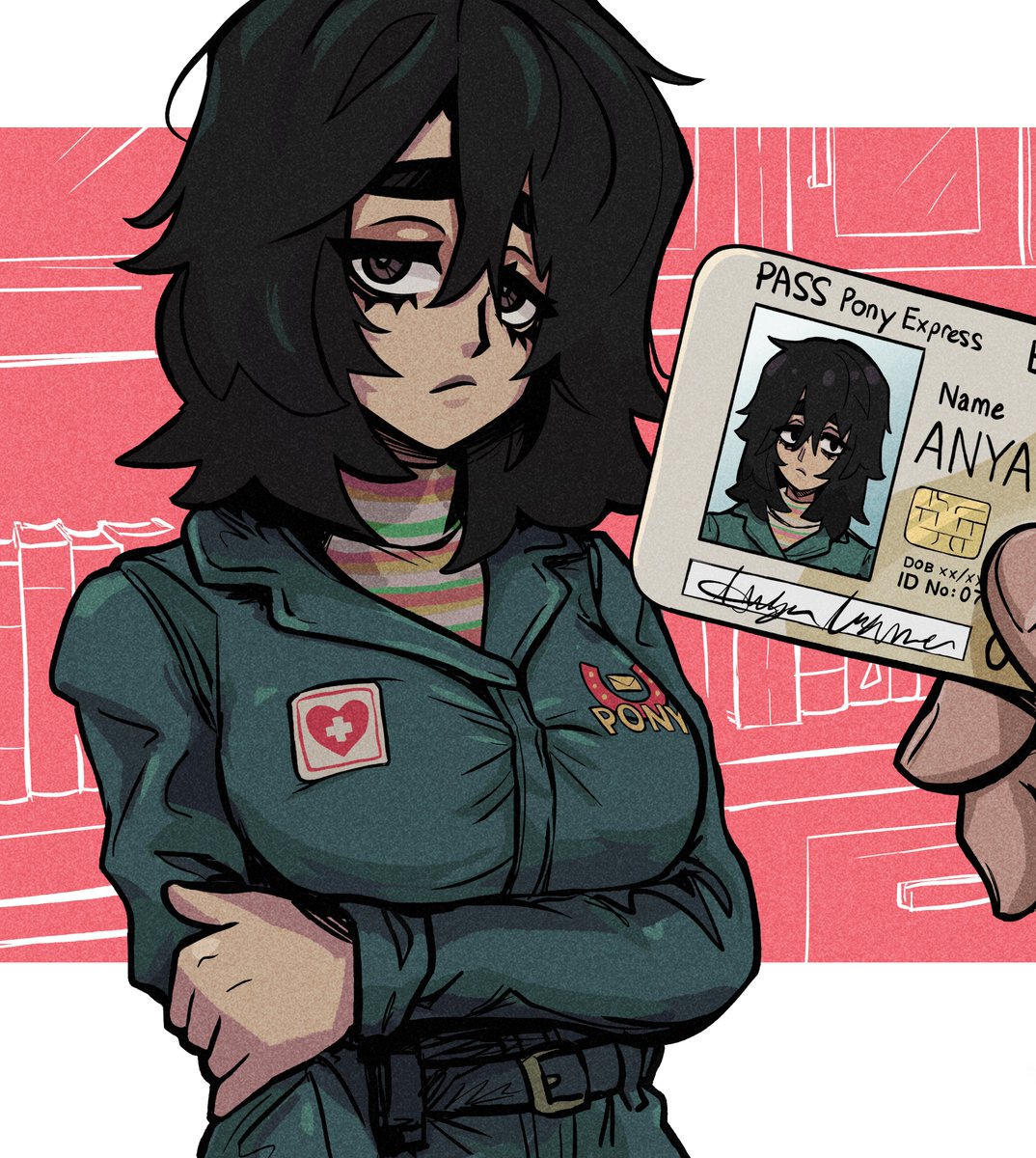
The question of “what happened to Anya” is answered through a series of harrowing revelations that culminate in the game’s final acts. Her story is one of victimization, isolation, and ultimately, a desperate bid for the only control she has left.
The Impact of Forced Isolation on Character Dynamics
As the Tulpar drifts in space, the narrative software limits the player’s movement, trapping them in the claustrophobic corridors with Anya. The core of Anya’s tragedy stems from her pregnancy—a result of an assault by Jimmy, the ship’s co-pilot. This revelation isn’t just a plot point; it is the “logic bomb” that destroys the crew’s remaining sanity. The game uses environmental cues—discarded medical records and hushed dialogue triggers—to slowly reveal this horror to the player, turning the medical bay from a place of healing into a prison of trauma.
Exploring the “Body Horror” Mechanics and Technical Execution
Mouthwashing excels at “technical body horror,” where the distortion of character models reflects their mental state. Anya’s physical presence in the game becomes increasingly frail. The software utilizes sound design—heavy breathing, the clatter of pills, and the silence of the medical bay—to emphasize her isolation. The tragedy of Anya reaches its zenith when she realizes there is no rescue coming. In a move that serves as the narrative’s emotional climax, Anya takes her own life, unable to bear the weight of her trauma and the impending starvation of the crew.
Player Agency vs. Narrative Determinism
One of the most interesting aspects of Mouthwashing from a software design perspective is its refusal to grant the player agency over Anya’s fate. This is a deliberate choice in the “narrative engine” of the game.
The Illusion of Choice in Mouthwashing
Modern gaming often prides itself on “branching paths,” but Mouthwashing uses the tech of a linear narrative to enforce a feeling of helplessness. The player might want to help Anya or stop Jimmy, but the software’s code prevents it. This creates “ludonarrative resonance,” where the player’s frustration at being unable to change the outcome mirrors the characters’ own helplessness. Anya’s death is a fixed point in the script, a “read-only” file that the player can observe but never edit.
Technical Limitations as a Narrative Strength
By limiting the player’s ability to interact with Anya’s arc in a meaningful way, the developers emphasize the theme of being “trapped.” The game’s interface, which often mimics outdated industrial software, reinforces the idea that the crew are just cogs in a machine. Anya’s death is the ultimate “system error.” The technical execution of her final scenes, often depicted with stark, unflinching minimalism, ensures that the impact is felt not through gore, but through the sudden absence of her character model in the game’s world.
The Legacy of Mouthwashing in the Indie Tech Scene
Mouthwashing and the story of Anya have set a new benchmark for how indie developers can use low-budget tech to deliver high-concept psychological horror. The game proves that you don’t need 4K textures to tell a story that haunts the player long after the software is closed.
Optimizing Horror for Low-Spec Hardware
One of the technical triumphs of Mouthwashing is its accessibility. By optimizing for lower-end hardware through the use of retro-aesthetics, the developers ensured that Anya’s story could reach a wider audience. This “democratization of horror” allows the narrative to focus on the psychological software—the way the human mind processes trauma—rather than the hardware capabilities of the user’s computer.

Lessons for Future Narrative-Driven Software
For software developers and narrative designers, Anya’s arc provides several key takeaways. First, the importance of “emotional triggers” over “visual fidelity.” Second, the use of non-linear scripting to build tension. Finally, the realization that the most effective horror often comes from the breakdown of social systems and the failure of characters to protect one another.
Anya’s fate in Mouthwashing is a grim reminder of the power of storytelling within the digital medium. She is a character defined by the technical limits of her environment and the tragic scripts written for her by a world that had no room for her survival. As the credits roll and the “Mouthwashing” software shuts down, the player is left with the haunting realization that while the game is over, the questions it raises about trauma, power, and isolation are very much “online” in the real world.
aViewFromTheCave is a participant in the Amazon Services LLC Associates Program, an affiliate advertising program designed to provide a means for sites to earn advertising fees by advertising and linking to Amazon.com. Amazon, the Amazon logo, AmazonSupply, and the AmazonSupply logo are trademarks of Amazon.com, Inc. or its affiliates. As an Amazon Associate we earn affiliate commissions from qualifying purchases.