
In the competitive landscape of network television, few franchises have achieved the longevity and brand resonance of Grey’s Anatomy. While many procedurals fade into the background after a few seasons, the Shondaland flagship has remained a cultural touchstone for nearly two decades. Central to this brand endurance is the show’s ability to execute “event television”—moments that fundamentally shift the narrative trajectory and solidify the brand’s identity in the minds of millions.
The most significant of these moments is undoubtedly the Season 6 finale, titled “Sanctuary” and “Death and All His Friends” (Episodes 23 and 24). Often referred to simply as “the shooting episode,” this two-part event serves as a masterclass in brand pivot and audience engagement. This article explores how these episodes functioned as a strategic branding tool, transforming Grey’s Anatomy from a medical romance into a high-stakes dramatic powerhouse.

The Anatomy of a High-Stakes Brand Pivot
By its sixth season, Grey’s Anatomy faced a common challenge for established brands: fatigue. The initial “spark” of the Meredith and Derek romance had stabilized, and the brand risked becoming a predictable medical procedural. The shooting episode was not merely a plot device; it was a calculated brand pivot designed to re-engage a drifting audience and redefine the show’s emotional stakes.
Shifting from Medical Romance to High-Stakes Thriller
For the first five years, the Grey’s Anatomy brand was built on the “McDreamy” aesthetic—a blend of surgical intrigue and romantic melodrama. However, the Season 6 finale introduced a level of visceral tension that the brand had previously avoided. By placing the characters in a life-or-death situation that had nothing to do with a medical diagnosis, the show expanded its brand architecture. It proved that the “Grey’s” brand could handle thriller elements, thereby attracting a broader demographic that valued high-octane suspense alongside character development.
Establishing the “Must-Watch” Factor through Narrative Risk
In branding, “risk” is often the precursor to “reward.” The decision to have a gunman roam the halls of Seattle Grace Hospital was a significant narrative risk that could have alienated viewers if handled poorly. Instead, it established the brand as “unpredictable.” This unpredictability became a core brand attribute. From this point forward, the audience understood that no character was safe, and no status quo was permanent. This psychological “hook” is what keeps a brand relevant in a saturated market; it creates a sense of urgency that demands real-time viewing.
Leveraging Crisis as a Brand Differentiator
Every successful brand needs a “Value Proposition”—a reason why consumers choose it over competitors. For Grey’s Anatomy, the value proposition shifted during the shooting episode from “comfort viewing” to “emotional catharsis.” The episodes were marketed not just as a season finale, but as a traumatic, transformative event for the viewers themselves.
The Psychology of Audience Retention in Peak TV
The shooting episode utilized a branding strategy known as “Peak-End Theory.” This psychological heuristic suggests that people judge an experience largely based on how they felt at its peak and at its end. By delivering a finale of such high intensity, the producers ensured that the audience’s overall perception of Season 6—and the series as a whole—was one of profound impact. This strategy is essential for brand retention; by ending a “product cycle” (a season) on such a high note, the brand ensures that the consumer will return for the next cycle.
Case Study: “Death and All His Friends” as a Brand Benchmark
The Season 6 finale remains the benchmark against which all other Grey’s Anatomy episodes are measured. From a brand perspective, this creates a “Hero Product.” Just as Apple has the iPhone, Grey’s Anatomy has the shooting episode. It is the definitive example of the brand’s capabilities. Marketing teams continue to reference the emotional weight of these episodes when promoting new seasons, using the legacy of Season 6 to remind the audience of the brand’s potential for greatness.

The Shondaland Brand Architecture
The success of the shooting episode also solidified the personal brand of Shonda Rhimes and her production company, Shondaland. It established a specific “brand voice” that would later define subsequent hits like Scandal and How to Get Away with Murder.
Emotional Continuity and Character Branding
A brand is only as strong as the loyalty it inspires. The shooting episode deepened character branding by forcing the ensemble cast into extreme situations that revealed their “true north.” Meredith Grey’s brand evolved from “dark and twisty” to “resilient leader,” while Cristina Yang’s brand as a “cold professional” was challenged by the trauma of operating at gunpoint. This consistency in character evolution ensures that the audience remains “brand-loyal” to the individuals, even as the plot lines shift.
Building Long-Term Loyalty in a Competitive Streaming Market
As Grey’s Anatomy transitioned from traditional broadcast to streaming platforms like Netflix and Hulu, the shooting episode became a vital piece of “evergreen content.” In the digital age, a brand’s value is often determined by its “rewatchability.” Because of the high production value and emotional density of the Season 6 finale, it remains one of the most-streamed episodes in the series. This longevity contributes to the brand’s overall valuation, making it a lucrative asset for Disney (the parent company of ABC).
Market Impact and the Legacy of the “Shooting” Episode
The brand impact of “Sanctuary” and “Death and All His Friends” extends beyond the fictional walls of the hospital. It influenced the way television networks approach season finales and how brands communicate with their audiences during moments of transition.
Ratings as Brand Equity
The shooting episode was a massive ratings success, drawing in over 16 million viewers for the finale. In the world of branding, ratings are equivalent to market share. These numbers provided the “social proof” that the Grey’s Anatomy brand was still a dominant force in the industry. This high brand equity allowed the show to negotiate better advertising rates and secured its place as the cornerstone of ABC’s “TGIT” (Thank God It’s Thursday) branding campaign.
Influence on Modern Procedural Storytelling
The episode set a new standard for the “disaster” trope in medical dramas. It demonstrated how a brand can stay true to its core (medicine and relationships) while successfully integrating external genre elements (thriller and tragedy). Following this episode, many other shows attempted to replicate the “Grey’s formula,” further proving that the shooting episode had become a trendsetter in the television marketplace.
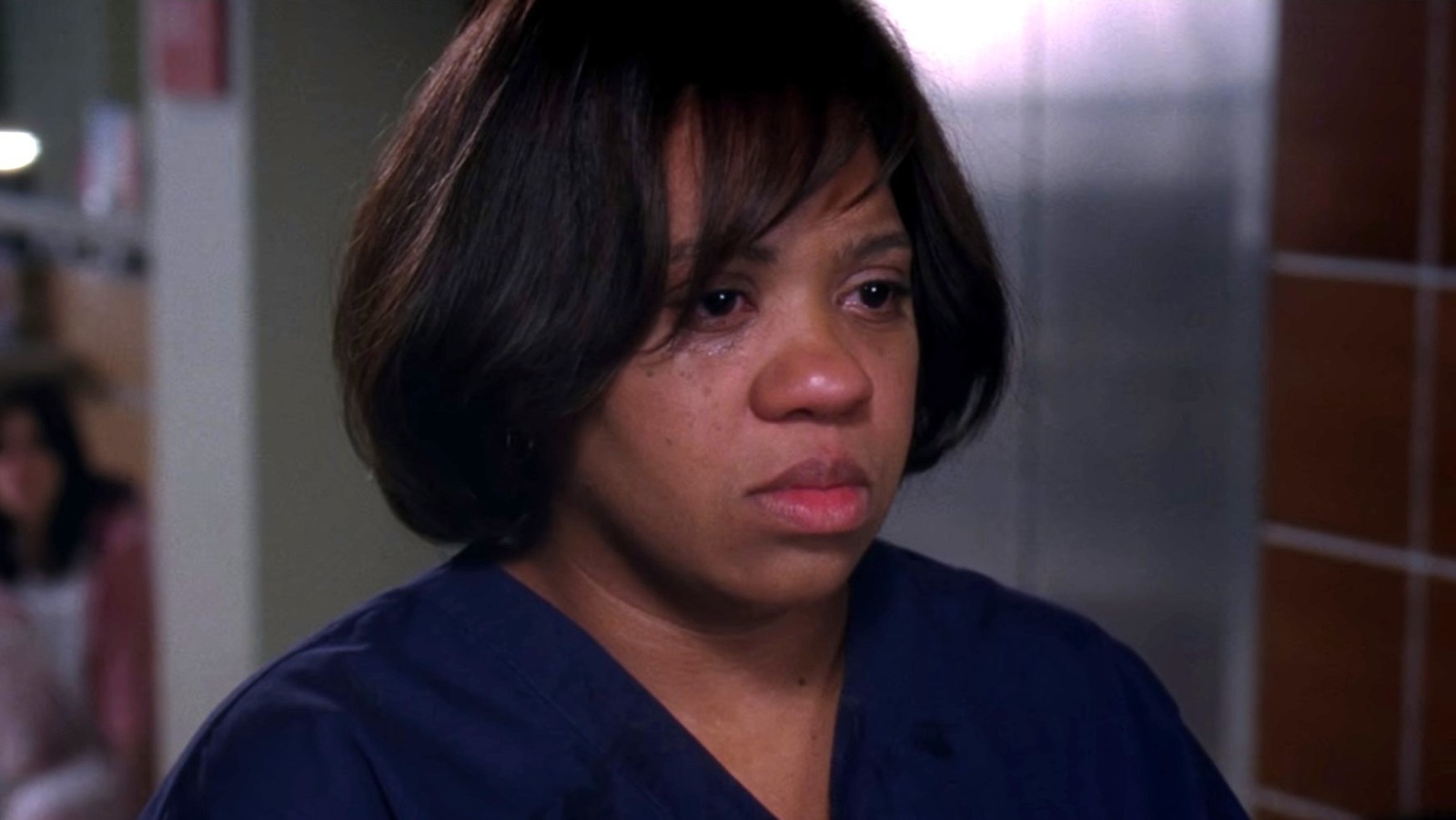
Conclusion: The Enduring Power of the Grey’s Brand
When viewers ask, “What episode on Grey’s Anatomy is the shooting?” they are not just looking for a plot point; they are looking for the moment the show became a legend. Season 6, Episodes 23 and 24 represent the pinnacle of strategic brand management in entertainment. By taking a massive narrative risk, Shonda Rhimes and her team were able to reinvigorate a maturing brand, deepen audience loyalty, and create a cultural milestone that continues to resonate today.
The shooting episode taught the industry that a brand should never be afraid to break itself to rebuild something stronger. Through intense emotional stakes and a shift in tone, Grey’s Anatomy moved from being a popular show to an untouchable brand. This legacy of “Death and All His Friends” serves as a reminder that in branding, as in medicine, the most difficult procedures often lead to the most significant recoveries.
aViewFromTheCave is a participant in the Amazon Services LLC Associates Program, an affiliate advertising program designed to provide a means for sites to earn advertising fees by advertising and linking to Amazon.com. Amazon, the Amazon logo, AmazonSupply, and the AmazonSupply logo are trademarks of Amazon.com, Inc. or its affiliates. As an Amazon Associate we earn affiliate commissions from qualifying purchases.