
In the landscape of modern television, few series have managed to cultivate as potent a brand identity as FX’s Sons of Anarchy (SOA). Centered on an outlaw motorcycle club in the fictional town of Charming, California, the show was more than just a drama; it was a masterclass in narrative brand management. At the heart of this brand’s tension was the character of Clay Morrow, played by Ron Perlman. For five and a half seasons, Clay served as the foundational antagonist—a personification of the “Old Guard” brand values that defined the club’s violent and deceptive roots.
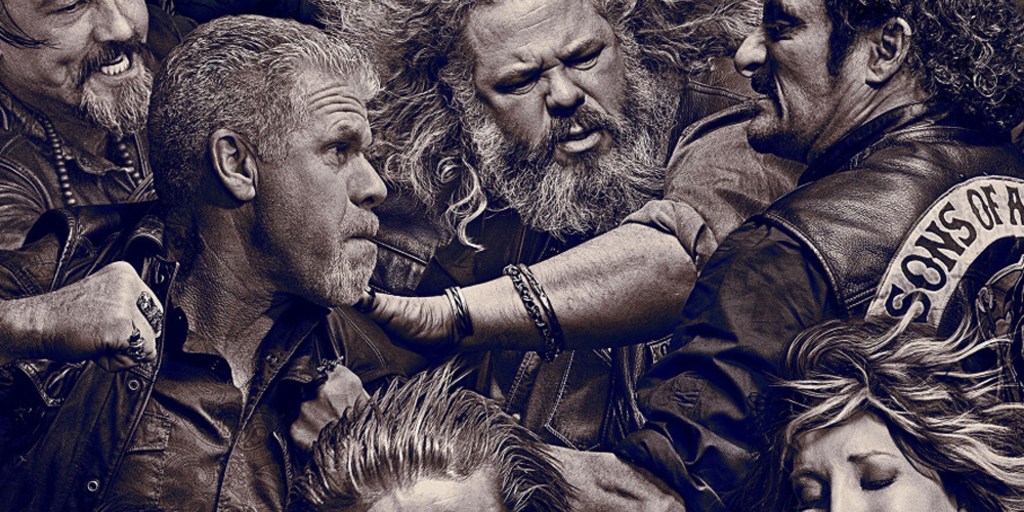
When fans ask, “What episode of SOA does Clay die?” they are searching for a specific moment of narrative resolution: Season 6, Episode 11, titled “Aon Bharrach.” However, from a brand strategy perspective, Clay’s death was much more than a plot point. it was a strategic “brand pivot” designed to transition the series into its final act. This article explores the branding implications of Clay Morrow’s lifecycle, the corporate identity of SAMCRO, and how a high-stakes exit can redefine a brand’s legacy.
Character Equity and the Life Cycle of an Antagonist
Every successful brand relies on “equity”—the value derived from consumer perception and emotional connection. In Sons of Anarchy, character equity was divided between the protagonist, Jax Teller, and his stepfather, Clay Morrow. Clay represented the “Legacy Brand”: gritty, uncompromising, and increasingly obsolete.
Defining the Clay Morrow “Brand Identity”
In the early seasons, Clay Morrow’s brand was synonymous with stability and survival. As the President of the Redwood Original (SAMCRO), his identity was built on the “tough-as-nails” corporate culture of the 1990s—profit over people, secrets as currency, and the elimination of competition. For the audience, Clay was the brand you loved to hate. His utility to the show’s overall brand was his ability to create friction. Without Clay’s resistance, Jax’s “Visionary Brand” (a move toward legitimacy) would have had no obstacle to overcome, rendering the narrative brand stagnant.
When a Brand Outlives its Original Asset
In brand management, there is a concept known as “Planned Obsolescence.” A product or a leader must eventually be retired to make room for innovation. By Season 4 and 5, Clay Morrow’s brand had become “toxic.” Within the narrative world, his betrayal of the club’s bylaws mirrors a CEO embezzling from a company. To maintain the integrity of the Sons of Anarchy brand, the creators had to manage Clay’s “devaluation.” If he stayed in power too long, the audience (the stakeholders) would lose faith in the show’s internal logic. His death in Episode 11 of Season 6 was the ultimate “writing off” of a legacy asset that no longer served the parent company’s goals.
The Strategic Pivot: How Episode 11 of Season 6 Redefined the SAMCRO Brand
The episode “Aon Bharrach” serves as a case study in narrative risk management. Executing a major character—especially one as central as Clay Morrow—is a high-risk brand move. If done poorly, it can lead to “Brand Fatigue,” where the audience feels the story has lost its primary engine.
A Case Study in Narrative Risk Management
The branding strategy behind Clay’s death was meticulously timed. By the time Jax pulls the trigger in the back of that hangar, the audience has been primed for this “brand transition” for years. The showrunners utilized a “slow-burn” rebranding strategy. They stripped Clay of his symbols of power—his “President” patch, his “First 9” status, and eventually his dignity—before the final termination of his contract. This ensured that when the death occurred, it felt like a necessary evolution rather than a shock for shock’s sake.

Rebranding the Protagonist via the Antagonist’s Removal
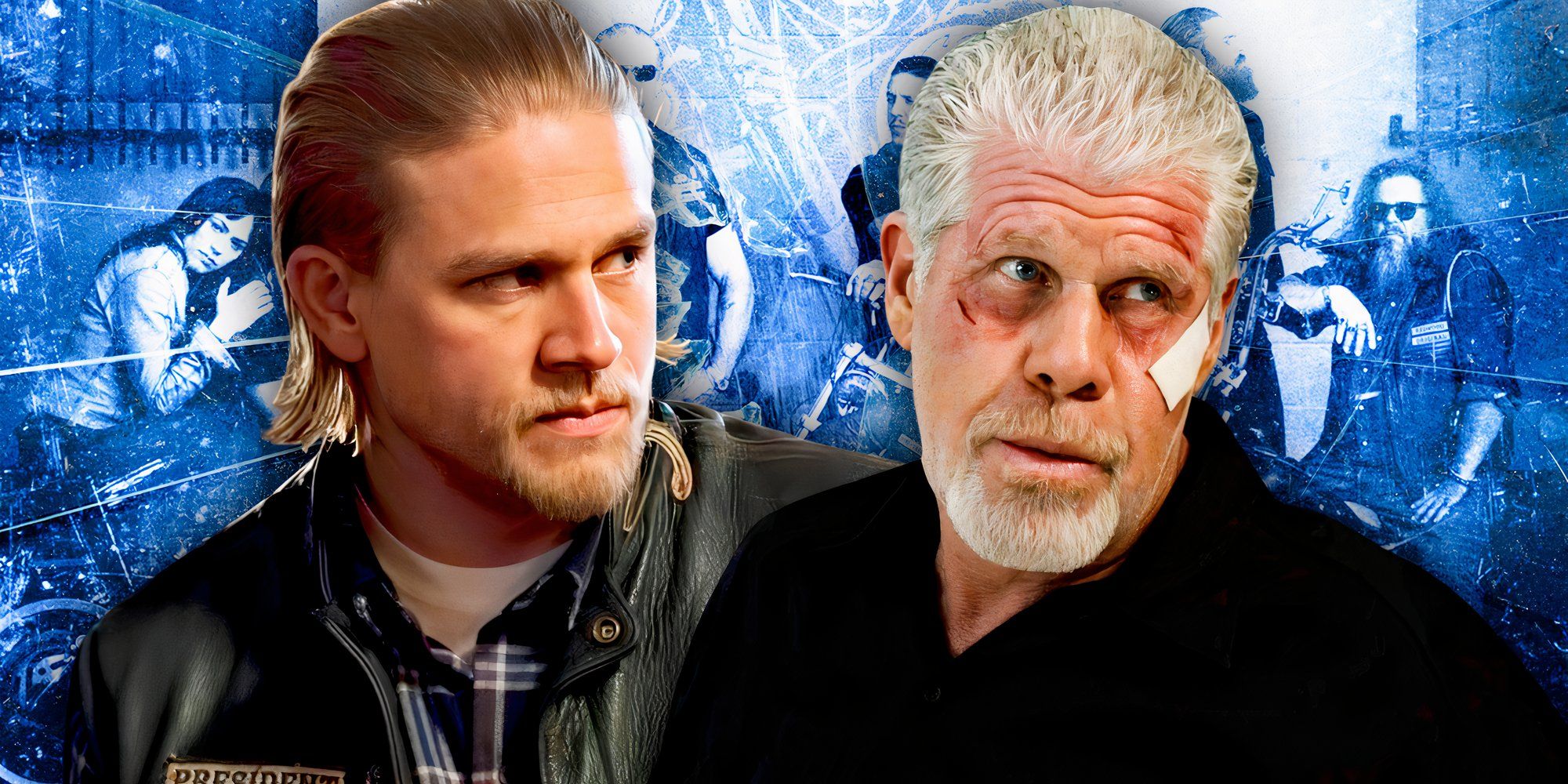
In corporate identity, a successor is often defined by how they handle the exit of their predecessor. Jax Teller’s brand was built on the promise of being “better” than Clay. However, the branding irony of Season 6, Episode 11, is that by killing Clay, Jax inadvertently adopts Clay’s most ruthless brand traits. This is a classic “Brand Paradox.” By eliminating the old brand, the new brand becomes the very thing it sought to replace. This narrative choice kept the series’ brand identity complex and “prestige-tier,” preventing it from falling into a predictable “good vs. evil” binary.
Loyalty and Corporate Culture: The SAMCRO Business Model
To understand why Clay’s death was such a monumental brand event, one must look at the “Corporate Identity” of the Sons of Anarchy Motorcycle Club. SAMCRO functioned as a franchise-based organization with a very strict, albeit illegal, corporate culture.
The Fragility of Leadership Branding
Clay Morrow’s downfall was a failure of “Leadership Branding.” A leader’s brand is only as strong as the trust of their subordinates. In the corporate world, if a CEO loses the “board” (the table), they are ousted. Clay’s story is a cautionary tale of a leader who prioritized his personal brand (survival and greed) over the corporate brand (the club). When he murdered Piney Winston and attempted to have Tara Knowles killed, he violated the core “Value Proposition” of the club: brotherhood. Once the internal culture is broken, the brand is destined for a hostile takeover.
Managing “Stakeholder” Expectations
The audience of Sons of Anarchy represents the primary stakeholders. For years, the “Brand Promise” made to the audience was that Jax would eventually avenge his father and take the club from Clay. Delivering on this promise in Season 6 was essential for “Customer Retention.” Had Clay survived until the series finale, the brand would have been perceived as “undelivered.” By fulfilling this narrative contract in Episode 11, the showrunners secured the loyalty of their audience for the final Season 7.
Post-Clay Branding: Sustaining Interest After a Major Brand Overhaul
What happens to a brand when its primary source of conflict is removed? This is a challenge faced by many corporations after a merger or the departure of a charismatic founder.
The Narrative ROI of High-Stakes Storytelling
The “Return on Investment” (ROI) for killing Clay Morrow in Season 6 was the immediate elevation of the stakes for the remaining characters. With the “villain” gone, the brand’s focus shifted from external conflict to internal dissolution. This allowed the Sons of Anarchy brand to pivot from an “Action/Thriller” brand to a “Greek Tragedy” brand. This pivot was essential for the show’s longevity in the cultural zeitgeist; it ensured the series ended on a high note of critical acclaim rather than fizzling out.
Lessons for Modern Brand Strategists
The lifecycle of Clay Morrow offers several insights for brand strategy:
- Identity is Not Static: A brand must be willing to sacrifice its most recognizable elements if they become a hindrance to growth.
- Timing the Exit: Leaving too early causes a vacuum; staying too long causes rot. Clay’s exit in Season 6 was the “Goldilocks Zone” of timing.
- The Shadow Effect: A legacy brand (Clay) continues to influence the new brand (Jax) long after it has been officially retired.
In conclusion, while the question “What episode of SOA does Clay die?” can be answered simply with Season 6, Episode 11, the branding implications of that moment are vast. Clay Morrow was a foundational pillar of the Sons of Anarchy corporate identity. His death represented the final transition of the club’s brand from the shadow of the past into the tragic light of the future. For brand strategists and fans alike, the removal of Clay Morrow remains one of the most significant “rebranding” events in the history of television.
aViewFromTheCave is a participant in the Amazon Services LLC Associates Program, an affiliate advertising program designed to provide a means for sites to earn advertising fees by advertising and linking to Amazon.com. Amazon, the Amazon logo, AmazonSupply, and the AmazonSupply logo are trademarks of Amazon.com, Inc. or its affiliates. As an Amazon Associate we earn affiliate commissions from qualifying purchases.