
In the landscape of modern television, few brands possess the enduring power and cultural resonance of Grey’s Anatomy. While casual viewers might search for “what episode does Meredith drown” to satisfy a moment of nostalgia, brand strategists look at that specific narrative arc—spanning Season 3, Episodes 15, 16, and 17—as a masterclass in identity solidification and audience retention.
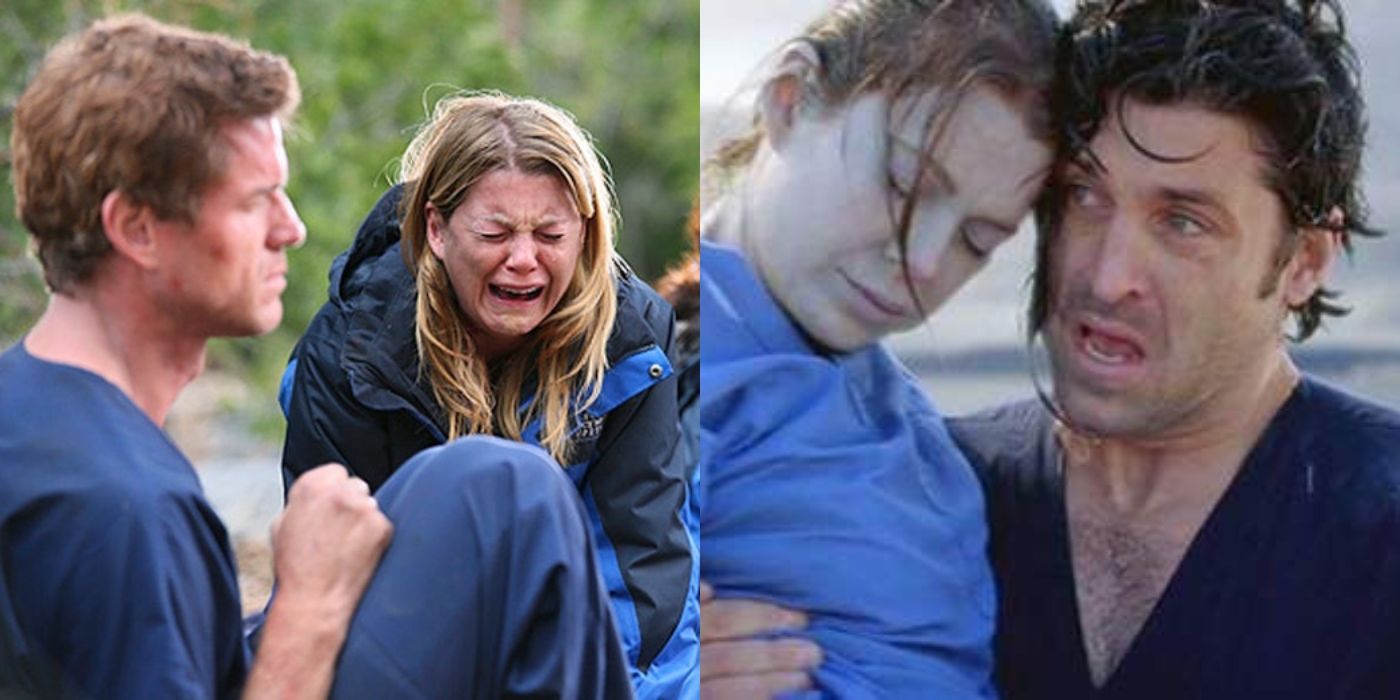
When Meredith Grey slipped into the freezing waters of Elliott Bay in “Walk on Water” and remained submerged through “Drowning on Dry Land,” it wasn’t just a plot point. It was a calculated brand maneuver that defined the “Shondaland” identity. This article explores how high-stakes storytelling functions as a brand strategy, using this iconic television moment to illustrate the principles of emotional marketing, character equity, and the “Event Episode” model.
1. The Power of the “Event Episode”: Building Brand Longevity Through Narrative Stakes
For a brand to survive decades, it cannot rely solely on its baseline quality; it requires “tentpole” moments that re-engage the audience and redefine the brand’s mission. In the world of corporate branding, this is equivalent to a major product launch or a viral rebranding campaign.
The Strategic Use of Crisis
In Grey’s Anatomy, the drowning arc served as a critical pivot point for the brand’s identity. Up until that moment, the show was a successful medical procedural with a romantic lean. By putting the titular protagonist in a life-threatening situation, the brand signaled a shift toward high-stakes, “prestige” melodrama. This “crisis branding” forces the audience to reassess their emotional investment, effectively moving them from passive viewers to active brand advocates.
Creating a Narrative USP (Unique Selling Proposition)
What sets a brand apart from its competitors? For Shonda Rhimes, the USP was “emotional devastation.” By proving that no character—not even the lead—was safe, the brand established a reputation for unpredictability. When consumers (viewers) know that the stakes are real, the perceived value of every subsequent minute of content increases. The “Meredith Drowns” arc was the definitive moment this USP was codified.
2. Character as Brand: Meredith Grey and the Archetype of the Vulnerable Protagonist
A brand is often only as strong as its central figure. In corporate terms, this is the “Brand Persona.” Meredith Grey is not just a character; she is a brand archetype that balances professional excellence with profound personal vulnerability.
The “Dark and Twisty” Brand Identity
Early in the series, the brand established Meredith’s identity as “dark and twisty.” This wasn’t just a catchy phrase; it was a brand positioning statement. The drowning episodes were the ultimate fulfillment of this promise. For a brand to remain authentic, it must deliver on its core personality traits. If a brand claims to be “rugged,” it must endure a desert; if Meredith Grey is “dark and twisty,” she must eventually face the abyss.
Equity and Audience Empathy
Brand equity is built on trust and emotional connection. By showing Meredith at her most vulnerable—literally hovering between life and death—the creators deepened the audience’s empathy. This is a strategy used by personal brands and luxury labels alike: by revealing the “human” or “flawed” side of the entity, the brand becomes more relatable. The drowning arc functioned as a deep-dive into the brand’s psyche, ensuring that the audience felt a “sunk cost” (both figuratively and literally) in her survival.
3. The Marketing of Crisis: Using Cliffhangers to Solidify Audience Loyalty

The “What episode does Meredith drown?” query usually leads to a three-episode saga. From a brand marketing perspective, this is a brilliant execution of “sequential storytelling,” a technique used to maintain engagement over long periods.
The Art of the Narrative Hook
“Walk on Water” ended with a cliffhanger that left the brand’s future in the balance. In marketing, this is the equivalent of a “teaser campaign.” It creates a vacuum of information that the consumer is desperate to fill. This desperation translates into high “conversion rates”—in this case, record-breaking viewership numbers for the following episode, “Drowning on Dry Land.”
Strategic Pacing and Retention
Brands often fail because they provide too much too soon, leading to consumer burnout. The drowning arc was paced over three weeks, forcing a sustained conversation in the cultural zeitgeist. This extended the “half-life” of the brand’s relevance. Instead of a one-off shock, it became a month-long cultural event, cementing the show’s place in the weekly habits of millions.
4. Brand Consistency: Delivering on the “Shondaland” Promise
Every time a brand makes a bold move, it risks alienating its base. However, the drowning arc succeeded because it was perfectly consistent with the established brand DNA of ABC’s Thursday night lineup.
The Integrity of Narrative Consequences
One of the hallmarks of a strong brand is consistency. If Meredith had simply tripped and fallen, only to be fine in the next scene, the brand would have lost its “integrity.” By dedicating multiple episodes to the medical and psychological fallout of her near-death experience, the showrunners practiced “Brand Honesty.” They showed that actions have consequences, which builds long-term credibility with the audience.
The “After-Market” of a Landmark Moment
The reason people still search for these episodes years later is because they represent a “Brand Legacy” moment. Just as Apple fans remember the launch of the first iPhone, Grey’s fans remember the ferry boat crash. This “legacy content” continues to drive revenue through streaming services (Netflix, Hulu, Disney+) and syndication. It is an evergreen asset that continues to provide a return on investment (ROI) for the parent company, Disney-ABC.
5. Lessons for Modern Brands: Creating Emotional Resonance in a Saturated Market
What can a tech startup or a personal brand learn from a fictional surgeon falling off a pier? The lessons lie in the mechanics of emotional engagement and the courage to take brand risks.
High Stakes Generate High Interest
In a crowded marketplace, “safe” branding is often invisible branding. To be noticed, a brand must occasionally embrace high-stakes scenarios. This might mean taking a controversial stand on a social issue or launching a “moonshot” product that could either revolutionize the industry or fail spectacularly. The “Meredith Drowns” strategy proves that risk, when aligned with brand identity, creates an unbreakable bond with the consumer.
Narrative Archiving as a Marketing Tool
Modern brands should view their history as a series of “episodes.” By creating a clear narrative arc—complete with challenges, failures, and “near-drowning” moments—a brand becomes a story that consumers want to follow. Transparency about the “waters” your brand has navigated builds a layer of authenticity that cannot be manufactured through traditional advertising.

Conclusion: The Lasting Impact of Iconic Branding
The episodes where Meredith Grey drowns (Season 3, Episodes 15–17) are more than just a highlight reel of a long-running show. They are the structural pillars of a multi-billion dollar media brand. They taught us that a protagonist’s vulnerability is a brand’s greatest strength, that crisis is an opportunity for re-engagement, and that consistency in the face of chaos is the key to longevity.
For any brand strategist, the takeaway is clear: don’t be afraid to let your brand “sink” occasionally, provided you have the narrative depth and the strategic vision to pull it back to the surface, stronger and more resonant than ever before. In the saturated market of the 21st century, the brands that survive are not the ones that avoid the water—they are the ones that know how to breathe when they are submerged.
aViewFromTheCave is a participant in the Amazon Services LLC Associates Program, an affiliate advertising program designed to provide a means for sites to earn advertising fees by advertising and linking to Amazon.com. Amazon, the Amazon logo, AmazonSupply, and the AmazonSupply logo are trademarks of Amazon.com, Inc. or its affiliates. As an Amazon Associate we earn affiliate commissions from qualifying purchases.