
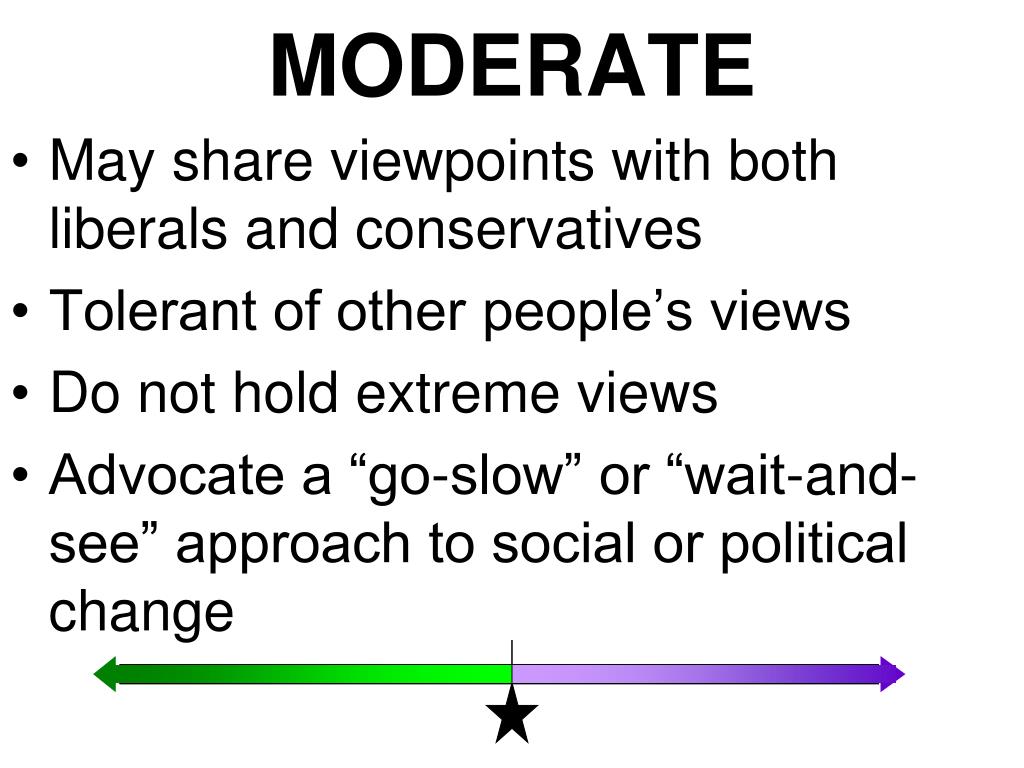
In the landscape of modern governance, the term “moderate” is frequently used as a shorthand for the political center. However, for investors, business leaders, and personal finance enthusiasts, the definition of a moderate transcends social rhetoric and enters the realm of fiscal policy, market stability, and regulatory predictability. In a financial context, a moderate political stance represents a rejection of radical economic shifts in favor of incrementalism, balanced budgets, and a “Goldilocks” approach to regulation—neither too restrictive nor dangerously laissez-faire.
Understanding what “moderate” means in politics is essential for anyone looking to navigate the complexities of the global market. Political movements dictate the flow of capital, the cost of borrowing, and the tax burdens placed on both corporations and individuals. By dissecting the moderate ideology through a financial lens, we can better understand how centrist governance affects wealth preservation and growth.

The Fiscal Architecture of Moderate Governance
From a monetary perspective, a moderate politician is often characterized by a commitment to fiscal responsibility that balances the need for social investment with the necessity of debt sustainability. Unlike the far-left, which may advocate for massive deficit-funded social programs, or the far-right, which may push for drastic tax cuts that deplete the treasury, the moderate seeks a middle path.
Incrementalism vs. Radical Shifts
The primary financial hallmark of moderate politics is incrementalism. For the business world, sudden changes in the tax code or trade agreements are “shocks” that can lead to massive sell-offs or halted expansions. Moderate politicians typically favor gradual adjustments. This predictability allows CFOs and individual investors to project future earnings and expenses with a higher degree of accuracy. When a government operates with moderate sensibilities, the “risk premium” associated with political upheaval decreases, leading to lower volatility in equity markets.
Balanced Budgets and Debt Management
Moderates often act as the “adults in the room” regarding the national debt. While they rarely advocate for total austerity, they are generally more concerned with the debt-to-GDP ratio than their more ideological counterparts. In a moderate political environment, there is a push for “pay-as-you-go” (PAYGO) systems, where new spending must be offset by revenue increases or cuts elsewhere. For the investor, this signals a commitment to long-term currency stability and lower inflationary pressure, as the central bank is less likely to be forced into aggressive interest rate hikes to combat debt-fueled inflation.
Market Volatility and the “Centrist Premium”
The stock market historically reacts favorably to moderate political climates, often preferring “gridlock” or centrist leadership over one-party dominance by either extreme. This phenomenon is sometimes referred to as the “centrist premium”—the value added to the market when the threat of radical policy shifts is removed.
Predictability as a Financial Asset
In the world of investing, uncertainty is the enemy. A moderate political environment reduces the “tail risk” of extreme outcomes—such as the nationalization of industries or the total repeal of essential regulatory frameworks. When the political center holds, corporations are more willing to engage in capital expenditures (CapEx). They know that the rules of the game are unlikely to change overnight. This stability encourages a “buy and hold” mentality among retail investors, as the fundamental environment remains steady.
The Impact on Venture Capital and Long-term Growth
Moderate politics often protects the “Golden Goose” of innovation by maintaining a stable corporate tax environment while ensuring enough social stability to prevent civil unrest. For venture capitalists and private equity firms, a moderate political climate provides the perfect backdrop for 10-year investment cycles. High-growth sectors like technology and biotech require significant R&D investment; these investments are only viable when the political climate suggests that the intellectual property laws and tax incentives in place today will still exist a decade from now.

Investing Strategies in a Moderate Political Climate
When a moderate or centrist coalition is in power, the “playbook” for personal finance and institutional investing shifts away from defensive hedging and toward diversified growth.
Sector-Specific Sensitivities
Certain sectors thrive under moderate leadership.
- Financials: Banks and insurance companies often benefit from a moderate regulatory environment that provides enough oversight to prevent a 2008-style collapse but enough freedom to maintain healthy profit margins.
- Infrastructure: Moderates are famous for favoring “bipartisan” infrastructure bills. Investing in construction, materials, and engineering firms often yields high returns during moderate administrations, as infrastructure is one of the few areas where the political center can agree on spending.
- Healthcare: While the far-left may call for socialized medicine and the far-right for total deregulation, moderates usually opt for public-private partnerships. This keeps the large pharmaceutical and insurance companies relevant while expanding the “customer base” through subsidized access.
Tax Policy and Dividend Strategies
Moderate administrations are less likely to implement “wealth taxes” or aggressive hikes in capital gains. This makes dividend-growth investing a particularly attractive strategy. When investors believe that the tax treatment of dividends and capital gains will remain stable, they are more likely to park their money in “Blue Chip” stocks that pay consistent yields. Furthermore, the absence of radical tax changes allows for more effective “tax-loss harvesting” and long-term retirement planning through 401(k)s and IRAs, as the future value of those tax-advantaged accounts is not threatened by a sudden change in the tax code.
The Global Perspective: Moderate Economics on the World Stage
In an interconnected global economy, the “moderate” stance on trade and foreign policy has direct implications for currency valuation and international business finance.
Trade Stability and Supply Chains
Political moderates are generally proponents of free trade, albeit with protections for domestic industries. They favor multilateral agreements and international bodies like the WTO. For multinational corporations, this means more stable supply chains and predictable tariffs. The “Trade Wars” of the last decade were largely a product of populist (non-moderate) movements. A return to moderation in politics usually leads to a strengthening of global trade ties, which lowers the cost of goods and services, keeping inflation in check for the average consumer.
Currency Valuation and Foreign Direct Investment (FDI)
Foreign investors look for “safe havens” for their capital. A country governed by moderate policies is often viewed as a lower-risk destination for Foreign Direct Investment (FDI). When a country’s political landscape shifts toward the extremes, capital flight often follows as investors fear currency devaluation or asset seizure. Therefore, moderate politics acts as a magnet for international capital, which strengthens the domestic currency and lowers the cost of imports, directly benefiting the personal finances of the citizenry by increasing their purchasing power.
The Bottom Line: Why Moderation Matters for Your Wealth
In summary, when we ask “what does moderate mean in politics,” the answer from a financial perspective is simple: stability. A moderate political environment provides the bedrock upon which long-term financial plans are built. It represents a commitment to the status quo that, while perhaps unexciting to the political activist, is incredibly reassuring to the bond market and the stock exchange.
For the individual investor, a moderate political climate is an invitation to stay invested. It reduces the need for “timing the market” based on the latest headline and allows for the power of compound interest to work its magic in a relatively predictable ecosystem. Whether it is through the lens of tax policy, regulatory frameworks, or international trade, the moderate path is often the most profitable one for the disciplined accumulator of wealth. By understanding these dynamics, you can better position your portfolio to weather political shifts and capitalize on the “centrist premium” that moderate governance provides.
aViewFromTheCave is a participant in the Amazon Services LLC Associates Program, an affiliate advertising program designed to provide a means for sites to earn advertising fees by advertising and linking to Amazon.com. Amazon, the Amazon logo, AmazonSupply, and the AmazonSupply logo are trademarks of Amazon.com, Inc. or its affiliates. As an Amazon Associate we earn affiliate commissions from qualifying purchases.