
In the modern era of instant digital transfers and cryptocurrency, the traditional paper check might seem like a relic of the past. However, checks remain a fundamental tool in both personal and business finance, particularly for rent payments, contractor fees, and large-scale corporate transactions. Despite their continued use, many consumers and business owners remain unclear about the mechanics—and the hazards—of the “bounced check.”
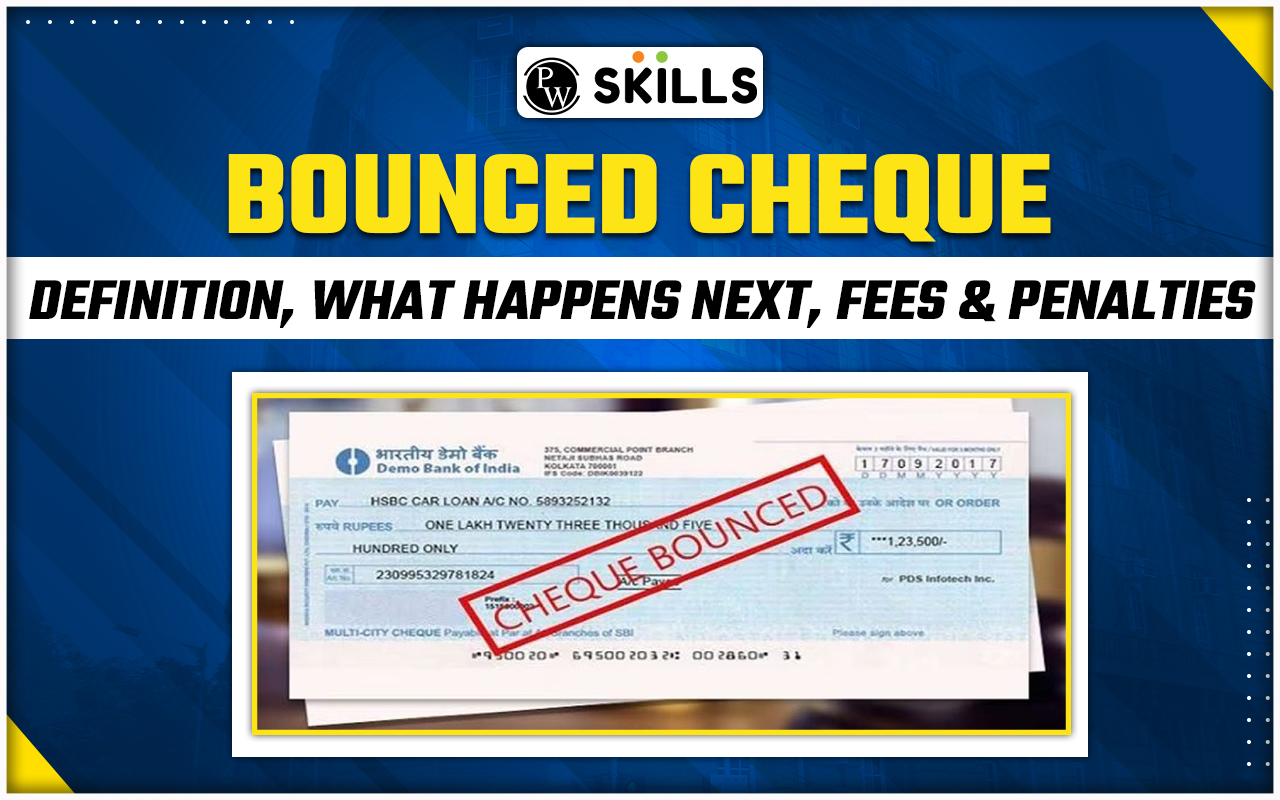
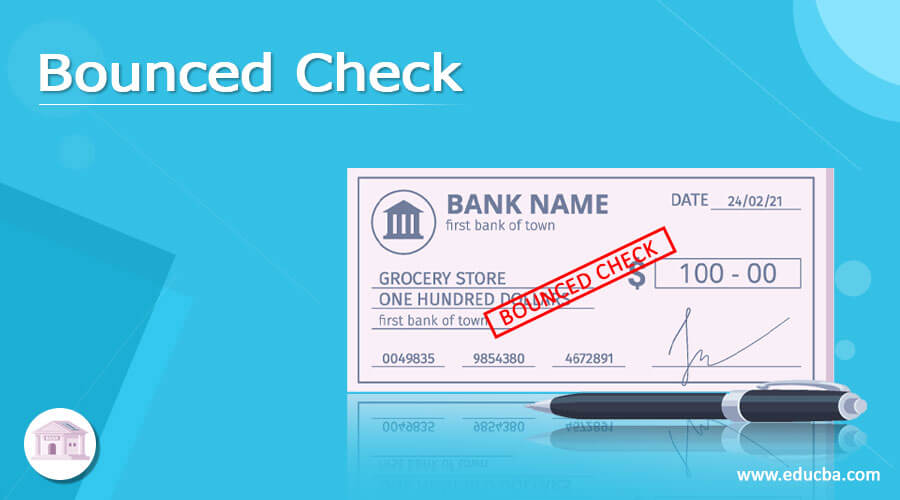
When a check “bounces,” it essentially means the banking system has rejected the payment. Formally known as a “returned check” or a “non-sufficient funds” (NSF) event, this occurs when the recipient attempts to deposit or cash a check, but the drawer’s bank refuses to honor the payment. Understanding the nuances of why this happens, the cascading financial consequences, and how to rectify the situation is essential for anyone maintaining a healthy financial life.
The Mechanics of a Bounced Check: Why It Happens
A check is a legal instruction to your financial institution to pay a specific amount of money from your account to another party. When that instruction cannot be fulfilled, the check “bounces” back to the depositor. While the most common reason is a lack of funds, several variables can trigger a returned item.
Insufficient Funds (NSF)
The most frequent cause of a bounced check is Non-Sufficient Funds. This happens when the account holder writes a check for an amount that exceeds their current available balance. Many people rely on the “float”—the window of time between writing a check and the bank processing it. However, with modern electronic check processing (Check 21), that window has shrunk significantly, often leading to checks clearing faster than the depositor anticipated.
Account Status Issues
A check will bounce if the account from which the funds are being drawn is closed or frozen. This often happens during transitions between banks or if a bank suspects fraudulent activity and halts all outgoing payments. Writing a check on a closed account, even by mistake, is viewed seriously by financial institutions and can be flagged as potential fraud.
Technical and Administrative Errors
Sometimes, a check bounces due to simple human error. This includes a missing signature, a discrepancy between the numerical amount and the written amount, or a “stale-dated” check (usually older than six months). Additionally, if a “Stop Payment” order has been placed on the check by the drawer, the bank will refuse to honor it, causing it to bounce back to the payee.
The Immediate and Long-Term Financial Consequences
The fallout from a bounced check is rarely limited to a single transaction. It creates a domino effect of fees, credit concerns, and reputational damage that can haunt a consumer or business for years.
Bank Fees and Penalties
The most immediate consequence is the imposition of fees. Both the person who wrote the check (the drawer) and the person who tried to deposit it (the payee) are typically penalized. The drawer is hit with an NSF fee, which generally ranges from $25 to $40 per incident. If the bank covers the check through an overdraft program, they may instead charge an overdraft fee.
Crucially, the payee’s bank may also charge a “returned item fee” for the hassle of processing a bad check. For small business owners, these fees can quickly erode profit margins, while for individuals, they can create a cycle of debt.
Impact on Banking History and ChexSystems
While a bounced check does not usually appear directly on a standard credit report from bureaus like Equifax or TransUnion, it is recorded in a secondary reporting system called ChexSystems. This is a specialized credit bureau that tracks mishandled checking accounts.
If you bounce multiple checks or fail to pay back the resulting negative balance, your name is flagged in ChexSystems. This makes it incredibly difficult to open a new bank account at most major financial institutions for up to five years. Being “unbanked” or “underbanked” forces individuals to rely on high-fee check-cashing services, further damaging their financial stability.
Damage to Credit Scores
As mentioned, the act of bouncing a check doesn’t inherently lower your credit score. However, if the check was meant to pay a credit card bill, a mortgage, or a loan, the payment is considered “missed.” This leads to late fees and a 30-day delinquency report to the major credit bureaus, which can cause a significant drop in your credit score. Furthermore, if the bounced check was for a utility or a merchant who then sends the debt to a collection agency, that collection record will appear on your credit report and remain there for seven years.
Legal Implications and Business Fallout
Beyond the immediate financial penalties, there are legal and professional risks associated with issuing a check that does not clear. In the eyes of the law, a check is a contract, and failing to honor it can have serious repercussions.
Civil and Criminal Liability
In many jurisdictions, writing a check that you know will not clear is considered “passing a bad check,” which can be a crime. While most banks and merchants prefer to settle the matter civilly, persistent offenders or those writing large-value “bad” checks can face criminal charges for fraud or larceny.
On the civil side, the person or business you owed money to has the right to sue. Many state laws allow the payee to recover not just the original amount of the check, but also triple the damages (up to a certain limit) and attorney fees. This turns a simple $100 mistake into a $500 legal headache very quickly.
Strained Professional and Personal Relationships
In business finance, trust is the primary currency. When a business issues a bounced check to a vendor, it signals financial instability or incompetence. This can lead to the immediate termination of credit terms, requiring the business to pay upfront (COD) for all future supplies. In a personal context, bouncing a check for rent can lead to eviction proceedings or a permanent stain on a tenant’s record, making it difficult to secure housing in the future.
How to Resolve a Bounced Check and Prevent Future Occurrences
If you realize a check you wrote is going to bounce, or if you have already received a notification of a returned item, immediate action is the only way to mitigate the damage. Proactive management can often prevent the most severe legal and financial penalties.
Taking Immediate Remedial Action
- Contact the Payee: As soon as you realize the error, call the person or business you wrote the check to. Explain the mistake and offer to make the payment via a more reliable method, such as a wire transfer, a cashier’s check, or an online payment portal. This prevents them from attempting to redeposit the check, which would incur more fees.
- Contact Your Bank: Speak with a representative at your financial institution. If you have been a loyal customer with a clean history, they may be willing to waive the NSF fee as a one-time courtesy.
- Cover the Balance: Ensure that your account is brought back into the positive immediately to avoid consecutive “extended overdraft” fees that some banks charge for every day the account remains negative.
Utilizing Financial Tools for Prevention
The best way to handle a bounced check is to ensure it never happens in the first place. Modern banking offers several tools to protect consumers:
- Overdraft Protection: Link your checking account to a savings account or a dedicated line of credit. If you overdraw your checking account, the bank automatically pulls funds from the linked source to cover the check.
- Mobile Alerts: Set up “Low Balance” alerts through your bank’s mobile app. Receiving a text when your balance dips below $100 can prevent accidental overspending.
- Buffer Accounting: Maintain a “buffer” in your checking account—a set amount of money (e.g., $500) that you never touch and do not include in your mental math when writing checks.
Transitioning to Digital Payment Systems
For both personal and business finance, moving away from paper checks can eliminate the risk of bouncing due to “the float.” Digital platforms like ACH transfers, real-time payment (RTP) systems, and corporate credit cards provide more transparency and immediate feedback on fund availability. While these systems are not immune to issues, they provide a much clearer audit trail and reduce the manual errors associated with handwritten checks.
Conclusion: The Importance of Financial Vigilance
A bounced check is more than just a minor banking hiccup; it is a signal of a breakdown in financial management. Whether it stems from a simple oversight or a more systemic lack of funds, the consequences—from hefty NSF fees to ChexSystems blacklisting—can have a lasting impact on your economic mobility.
In the world of money, your word is your bond, and a check is the physical representation of that promise. By maintaining a rigorous accounting of your available balance, utilizing modern banking alerts, and acting swiftly when errors occur, you can protect your reputation and your financial health. Understanding the “why” and “how” of bounced checks is the first step toward achieving a more secure and professional financial future.
aViewFromTheCave is a participant in the Amazon Services LLC Associates Program, an affiliate advertising program designed to provide a means for sites to earn advertising fees by advertising and linking to Amazon.com. Amazon, the Amazon logo, AmazonSupply, and the AmazonSupply logo are trademarks of Amazon.com, Inc. or its affiliates. As an Amazon Associate we earn affiliate commissions from qualifying purchases.