
In the landscape of modern social software, Snapchat remains a pioneer of ephemeral communication and gamified user experiences. While most social platforms rely on static “Like” buttons or follower counts to denote status, Snapchat utilizes a sophisticated system of Friend Emojis to represent the depth and frequency of user interactions. Among these symbols, the various iterations of the heart—Gold, Red, and Pink—are perhaps the most misunderstood yet significant indicators of a user’s digital social circle. Understanding what the heart means on Snapchat requires looking beyond simple iconography and examining the underlying software logic, data processing, and user interface (UI) design that drive these automated status symbols.
The Hierarchy of Hearts: Decoding the Friendship Algorithm
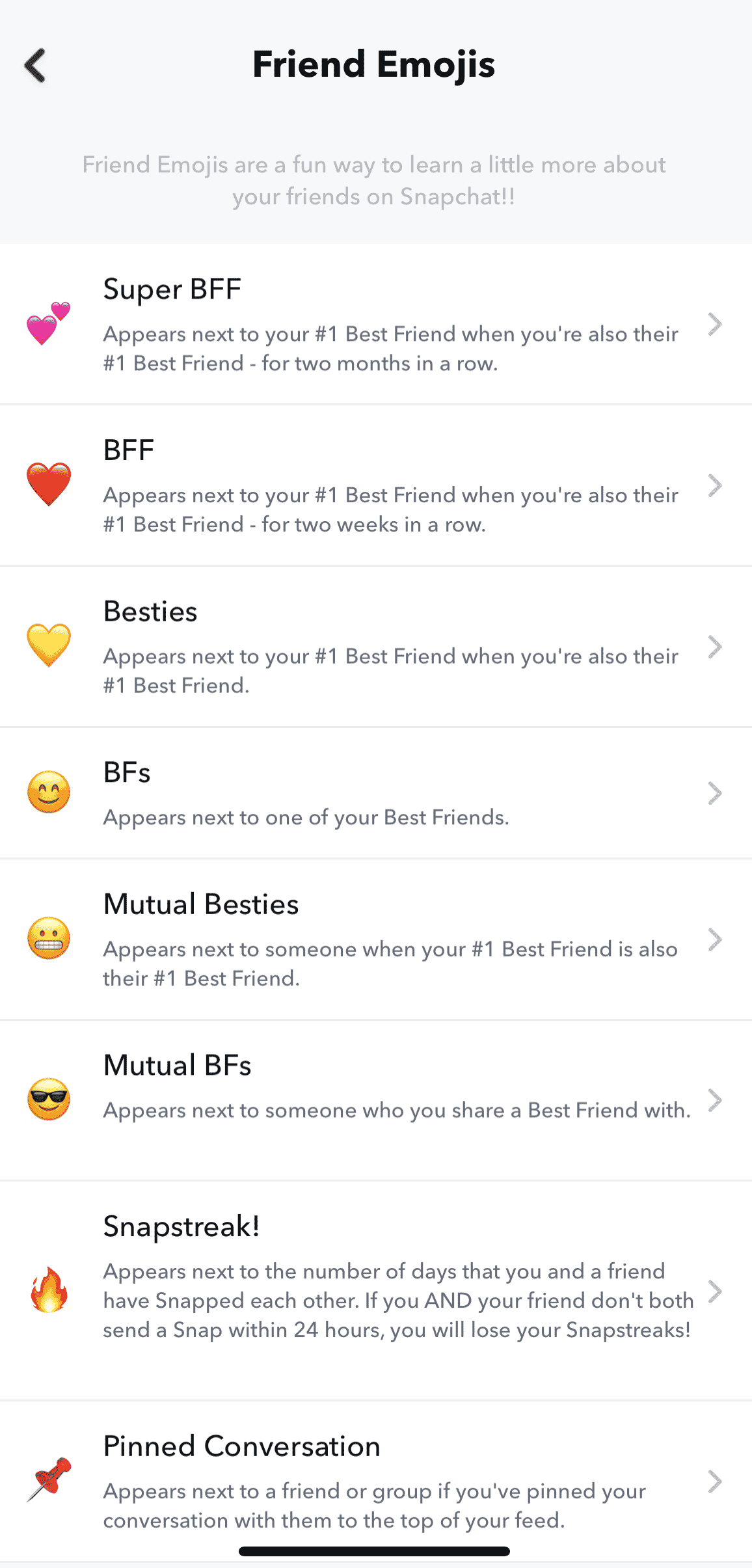
Snapchat’s “Friend Emojis” are not chosen by the users themselves; rather, they are assigned by an automated algorithm that parses interaction data between two accounts. The heart icons specifically denote a “Best Friend” status, which is a metric based on mutual interaction. Unlike a one-way follower system, these hearts signify a two-way street of communication.
The Gold Heart: The “Besties” Milestone
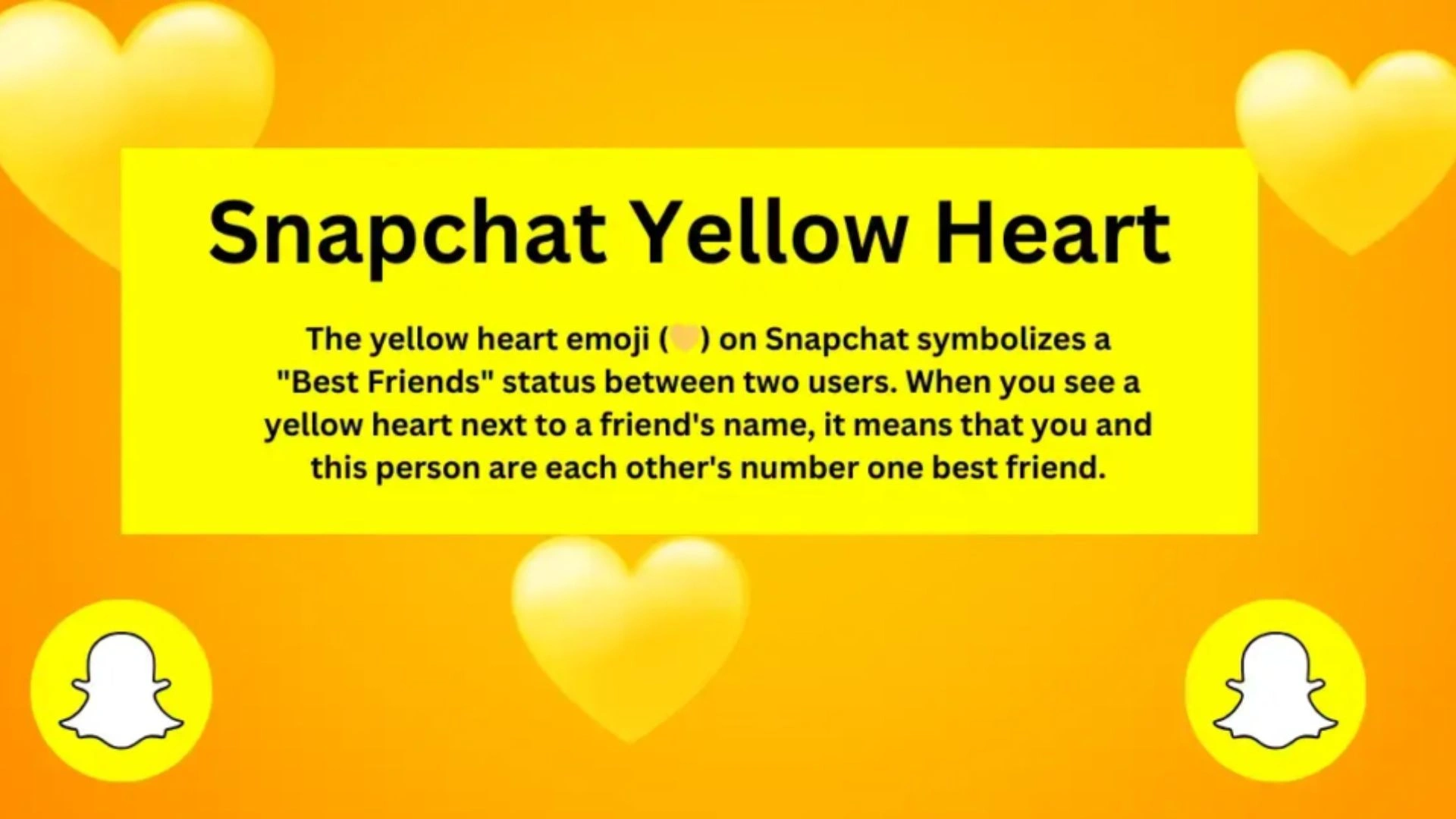
The Gold Heart is the initial tier of the heart hierarchy. It appears next to a friend’s name when you send the most Snaps to them, and they also send the most Snaps to you. In technical terms, the algorithm identifies a reciprocal “number one” ranking in terms of data packets—specifically photos and videos—exchanged over a short-term window. This is the first level of the app’s gamification of friendship, encouraging users to maintain a consistent loop of direct communication to achieve and maintain the status.
The Red Heart: The “BFF” Indicator
To transition from a Gold Heart to a Red Heart, the algorithm requires a temporal commitment. The Red Heart appears when two users have been each other’s #1 Best Friend for at least two consecutive weeks. This shift in the UI serves as a visual reward for sustained engagement. From a software perspective, this requires the platform’s backend to track historical interaction data and verify that the “most-messaged” status has not been interrupted by a third party for 14 days.
The Pink Hearts: The “Super BFF” Status
The pinnacle of the Snapchat heart system is the Double Pink Hearts. This icon signifies that two users have been each other’s #1 Best Friend for two months straight. This is a significant data milestone, representing a high-density communication link that has remained consistent over 60 days. The Pink Hearts are a testament to the platform’s ability to use simple UI elements to reflect complex, long-term user behavior patterns.
User Interface Dynamics: Where and How Hearts Appear
The placement of these icons within the Snapchat UI is strategic, designed to optimize user flow and encourage continued app usage. The hearts are primarily visible in the Chat screen, which serves as the central hub for direct communication.
Friend List and Chat Feed Integration
The heart emojis appear to the right of a user’s name in the Chat feed. This placement is intentional; it allows users to quickly scan their inbox and identify their most active connections. In terms of UX design, this minimizes the cognitive load required to manage social priorities. By glancing at the symbols, a user immediately knows the “health” of their digital rapport with another person without needing to dig into settings or analytics.
Story Replies and Direct Reactions
Beyond the automated Friend Emojis, hearts also appear as manual reactions within the UI. When a user views a “Story” or a “Spotlight” video, they have the option to send a heart reaction. Unlike the Friendship Hearts, these are intentional user-driven events. Technically, these are handled as metadata attached to a specific media file (the Story), which then triggers a notification to the creator. This distinction between “system-assigned” hearts and “user-triggered” hearts is a key component of Snapchat’s dual-layer interaction model.
Public Profiles and Spotlight Metrics
On public-facing parts of the app, such as Spotlight (Snapchat’s short-form video discovery feed), the heart icon functions similarly to a “Like” button on other platforms. However, even here, the data is processed to influence the discovery algorithm. High “heart” counts on a video signal the software to prioritize that content for a wider audience, moving it from a localized cache to a global distribution network.

The Technical Infrastructure Behind the Symbols
The transition of a heart from Gold to Red to Pink might seem simple to the end-user, but it involves constant data polling and processing on Snapchat’s servers. The platform must maintain a real-time matrix of interactions for every user pair.
Frequency, Reciprocity, and Data Latency
The algorithm calculates the “Best Friend” status based on a weighted scoring system. Not all interactions are equal; for instance, direct Snaps (photos/videos) usually carry more weight than text-based chats. The system must process millions of these interactions per second across the global user base. Occasionally, users may notice a “lag” where a heart disappears despite continued interaction; this is often due to data latency or the algorithm recalibrating based on a surge of interactions with a different user, which shifts the internal ranking.
Privacy and Visibility Protocols
A critical aspect of the Tech behind Snapchat’s hearts is the privacy architecture. Friend Emojis are private to the user; you can see your heart status with a friend, but third parties cannot see the hearts shared between two other people. This design choice prevents “social surveillance” and keeps the gamification focused on the individual’s direct relationships. The software is coded to ensure that these status markers are only rendered on the local UI of the involved parties.
Customizing the UI via Settings
Snapchat allows for a degree of user-end customization of these symbols. Within the app settings (Manage -> Friend Emojis), users can actually change the heart symbol to a different emoji. From a software development standpoint, this indicates that the emoji is not hard-coded as a static image but is a variable that can be reassigned by the user. However, the underlying logic—the “if/then” statements that determine when a status change occurs—remains consistent regardless of the visual icon chosen.
Troubleshooting and Software Behavior
Because the heart system is automated, users often encounter scenarios where the symbols behave unexpectedly. Understanding the software logic can explain these occurrences.
Why Did My Heart Disappear?
The most common technical query regarding Snapchat hearts is their sudden disappearance. This usually happens because the “reciprocity” requirement was broken. If User A continues to send Snaps to User B, but User B begins sending more Snaps to User C, the “number one” status for User B changes. The algorithm detects this shift and removes the heart icon immediately. It is a binary system: you are either the top reciprocal friend or you are not. There is no “second place” heart.
Syncing and Cross-Device Consistency
Since Snapchat is a cloud-based service, the status of your hearts should remain consistent across multiple devices. However, because the app relies heavily on local caching to ensure a fast UI, users may occasionally see different emojis when switching from an iPhone to an iPad or an Android device. This is typically resolved through a “forced sync” when the app communicates with the central server to refresh the friend metadata.
The Evolution of Social UX: Why This Tech Matters
The heart system on Snapchat represents a shift in how software developers approach user retention. By turning “friendship” into a series of achievable, maintainable milestones (Gold to Red to Pink), Snapchat has created a feedback loop that rewards consistent app usage.
From a Tech and UX perspective, this is a masterclass in using visual cues to represent complex backend data. Instead of showing users a spreadsheet of their interaction counts, the app provides a simple, evocative icon. This “emotional UI” bridges the gap between cold data and human connection, making the technology feel more personal.
As social platforms continue to evolve, we can expect more apps to adopt this type of automated, data-driven status system. Whether it’s through hearts, streaks, or other symbols, the goal remains the same: to use technology to map the intricacies of human interaction in real-time. Understanding “what the heart means on Snapchat” is ultimately about understanding how modern software uses our own data to reflect—and influence—our social behaviors.
aViewFromTheCave is a participant in the Amazon Services LLC Associates Program, an affiliate advertising program designed to provide a means for sites to earn advertising fees by advertising and linking to Amazon.com. Amazon, the Amazon logo, AmazonSupply, and the AmazonSupply logo are trademarks of Amazon.com, Inc. or its affiliates. As an Amazon Associate we earn affiliate commissions from qualifying purchases.