
The automotive world is a rich tapestry of acronyms, badges, and designations, each carrying a history and a promise. Among the most evocative and persistent is “GT.” Often found gracing the flanks of sleek coupes and powerful sedans, “GT” immediately conjures images of speed, distance, and sophisticated motoring. But what exactly does this seemingly simple two-letter combination signify? Far from being a mere styling flourish, “GT” represents a profound philosophy in automotive engineering and design, one that has evolved significantly over the decades, yet retains its core essence. This article delves into the origins, evolution, and enduring significance of the “GT” designation within the automotive industry, focusing on its impact on technology, performance, and the very concept of the automobile as a grand touring machine.
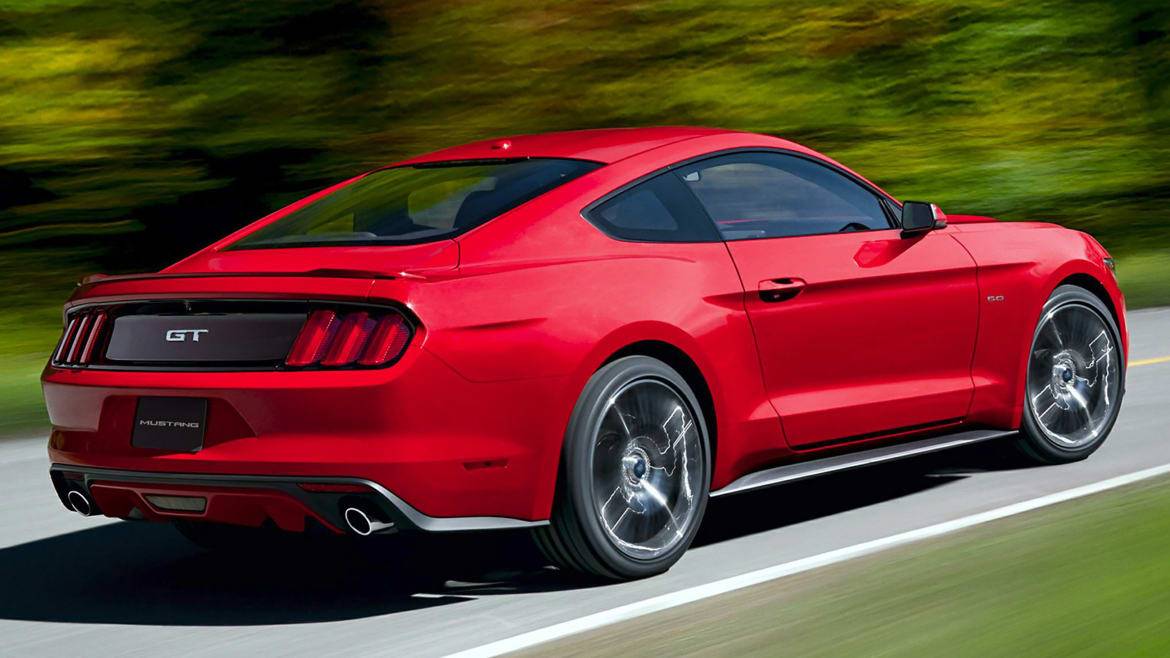
The Genesis of Gran Turismo: From Racing Pedigree to Road-Worthy Excellence
The story of the GT designation is inextricably linked to the golden age of motorsport and the desire to translate that performance onto public roads. Understanding its origins is key to appreciating its contemporary meaning.
Early Motorsports and the Need for Speed
The term “Gran Turismo” itself originates from Italian, translating directly to “Grand Tour.” This nomenclature harks back to the historical practice of wealthy Europeans embarking on extended journeys, often across continents, to experience culture, art, and, increasingly, the thrill of high-speed travel. Early automotive pioneers, inspired by the burgeoning world of motor racing, recognized the potential for vehicles that could combine exhilarating performance with the comfort and capability required for such ambitious voyages.
The post-World War II era saw a significant acceleration in automotive development. Racing circuits became proving grounds for new technologies and engineering solutions. Cars designed for endurance races, where sustained high speeds over long distances were paramount, often exhibited characteristics that would later become synonymous with GT cars. These included powerful engines, robust chassis, and increasingly sophisticated suspension systems. The goal was not just outright speed on a track, but also the ability to cover vast distances efficiently and comfortably, a true test of a car’s engineering prowess.
Defining the GT Formula: Performance, Comfort, and Style
The early GT cars were born from a specific set of criteria:
- Performance: A powerful engine capable of sustained high speeds was non-negotiable. This meant more than just a quick 0-60 mph time; it required torque for effortless cruising and the stamina to maintain high velocities for extended periods.
- Comfort: Unlike dedicated track cars, GTs were intended for long journeys. Therefore, a degree of comfort was essential. This translated to well-appointed interiors, effective suspension systems that could absorb road imperfections, and a level of refinement that made extended driving enjoyable.
- Style: GT cars were often designed to be visually striking. Their elongated profiles, aerodynamic lines, and luxurious finishes reflected their aspirational nature and the prestige associated with grand touring.
The combination of these elements created a unique breed of automobile that appealed to those who desired the thrill of performance without compromising on practicality or luxury. This delicate balance became the hallmark of the GT.
The Technological Evolution of the GT: Bridging Performance and Innovation
The “GT” designation has always been a benchmark for automotive technology, pushing the boundaries of what was possible in performance and refinement. As automotive engineering has advanced, so too has the interpretation and implementation of the GT ethos.
Powertrain Advancements: From V8s to Turbochargers and Beyond
At the heart of any GT is its powertrain, and this is where the technological evolution is most evident. Early GTs relied on large-displacement, naturally aspirated engines, often V8s or V12s, renowned for their torque and linear power delivery. These engines provided the effortless acceleration needed for overtaking and maintaining high cruising speeds.
The advent of turbocharging and supercharging in later decades revolutionized GT powertrain design. Forced induction allowed for smaller, lighter engines to produce comparable or even greater power and torque, while also offering improved fuel efficiency – a critical consideration for long-distance touring. Modern GTs frequently employ sophisticated twin-turbo V8s or even inline-sixes, meticulously tuned to deliver a blend of explosive acceleration and refined cruising.
Furthermore, advancements in engine management systems, variable valve timing, and direct fuel injection have enabled engineers to optimize performance across the entire rev range, providing a seamless and responsive driving experience that is the hallmark of a true GT. The pursuit of power and efficiency continues, with hybrid and electric powertrains now beginning to influence the GT landscape, offering new dimensions of performance and sustainability.

Chassis and Aerodynamics: The Pursuit of Stability and Efficiency
The performance of a GT is not solely dependent on its engine; its chassis and aerodynamic design play equally crucial roles. Early GT chassis were often based on robust platforms that could handle the stresses of high-speed driving. However, the development of more sophisticated suspension systems, including independent suspension, adaptive dampers, and active anti-roll bars, has dramatically improved ride comfort and handling precision.
Aerodynamics has also become a critical area of focus. Modern GT cars feature meticulously sculpted bodywork designed to reduce drag, increase downforce, and improve stability at high speeds. Active aerodynamic elements, such as deployable spoilers and adjustable diffusers, further enhance performance by optimizing airflow under various driving conditions. This technological integration ensures that a GT remains planted and composed, whether navigating a winding mountain pass or cruising on the autobahn.
Interior Technology and Driver Assistance: Enhancing the Grand Touring Experience
While performance remains central, the modern GT experience is significantly enhanced by advancements in interior technology and driver assistance systems. The concept of “grand touring” has always implied a degree of luxury and refinement, and this has been amplified by modern innovations.
High-end infotainment systems, advanced navigation, premium audio, and sophisticated climate control create a comfortable and connected environment for occupants. Beyond mere convenience, a suite of driver assistance technologies now plays a vital role. Adaptive cruise control, lane-keeping assist, blind-spot monitoring, and advanced parking aids contribute to a safer and less fatiguing driving experience on long journeys. These technologies, while not directly contributing to raw performance, are instrumental in fulfilling the “grand touring” aspect of the GT, allowing drivers to cover greater distances with reduced stress and enhanced enjoyment.
The Enduring Appeal of the GT: A Blend of Performance, Luxury, and Lifestyle
The “GT” designation has transcended its technical origins to become a symbol of a specific automotive lifestyle and aspiration. Its enduring appeal lies in its ability to seamlessly blend seemingly disparate qualities.
The Driver-Centric Experience: Performance Without Compromise
One of the most compelling aspects of a GT is its driver-centric nature. Unlike hypercars or track-focused sports cars, GTs are designed to be genuinely usable and enjoyable on a daily basis, or at least for extended periods. The emphasis is on a balanced performance that doesn’t punish the driver or occupants. This means a car that can be driven enthusiastically on a winding road, but also provides a comfortable and refined experience on the highway.
This duality is what sets GTs apart. They offer the thrill of potent acceleration and capable handling, but with a level of composure and comfort that makes them suitable for long-distance travel. This “no compromise” approach to performance and usability is a core tenet of the GT philosophy and a significant reason for its continued popularity among discerning drivers.
A Symbol of Sophistication and Aspiration
Beyond its technical merits, the GT badge carries a certain cachet. It signifies a car that is not just about getting from point A to point B, but about the journey itself. GTs are often associated with a sophisticated lifestyle, one that values quality, craftsmanship, and the pleasure of the open road. They represent a blend of engineering excellence and aesthetic appeal, a harmonious fusion of power and elegance.
This aspirational quality makes GTs desirable not only for their performance but also for the statement they make. They are cars that speak of discernment, a passion for driving, and an appreciation for finely engineered machinery. Whether it’s a classic Ferrari 250 GTE or a modern Aston Martin DB12, the GT designation consistently signifies a vehicle that embodies a certain ideal of automotive sophistication.

The Future of the GT: Adapting to New Paradigms
As the automotive landscape continues to evolve, the concept of the GT is also adapting. The increasing prevalence of electric and hybrid powertrains presents new opportunities and challenges for GT design. Manufacturers are exploring how to deliver the characteristic GT blend of performance, range, and comfort in an electrified future.
The focus remains on creating vehicles that offer an engaging driving experience, long-distance capability, and luxurious appointments. While the methods of achieving these goals may change with technological advancements, the fundamental spirit of the Gran Turismo – the ultimate touring car – is likely to endure, continuing to captivate enthusiasts for generations to come. The GT will continue to stand as a testament to the enduring human desire for exhilarating, sophisticated, and purposeful journeys.
aViewFromTheCave is a participant in the Amazon Services LLC Associates Program, an affiliate advertising program designed to provide a means for sites to earn advertising fees by advertising and linking to Amazon.com. Amazon, the Amazon logo, AmazonSupply, and the AmazonSupply logo are trademarks of Amazon.com, Inc. or its affiliates. As an Amazon Associate we earn affiliate commissions from qualifying purchases.