
In the pantheon of iconic American fashion, few names resonate with the same level of cultural authority and strategic brilliance as FUBU. To the casual observer, it is a pioneer of streetwear. To the marketing professional, it is a masterclass in community-centric brand architecture. But to understand the weight of the brand, one must first answer the foundational question: What does FUBU stand for?
FUBU is an acronym for “For Us, By Us.” While the phrase is simple, the strategy behind it revolutionized the way corporate identities are built, marketed, and sustained. It wasn’t just a label; it was a manifesto. By examining the brand’s trajectory from a basement operation in Queens to a multi-billion-dollar global entity, we can uncover profound insights into brand strategy, consumer psychology, and the power of authentic identity.
1. The Origin Story: More Than Just an Acronym
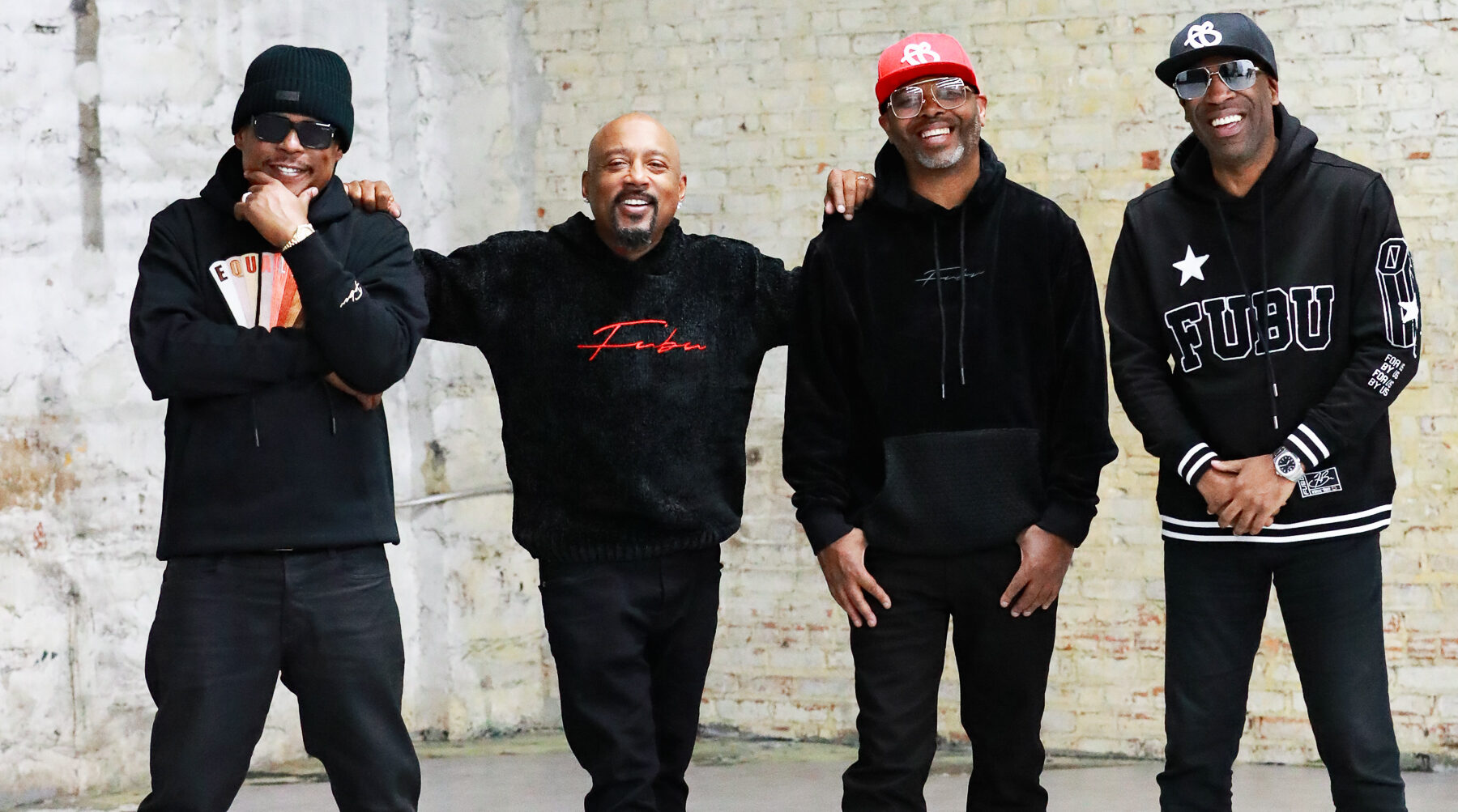
The story of FUBU begins in 1992 in Hollis, Queens, where founder Daymond John and his co-founders—J. Alexander Martin, Keith Perrin, and Carlton Brown—identified a massive void in the fashion marketplace. At the time, major fashion houses were profiting immensely from urban culture, yet they were not designing for that community, nor were they inclusive of the creators within it.
Bridging the Gap in Apparel Identity
FUBU was born out of a desire for representation. Before “For Us, By Us” became a household name, the founders were hand-sewing tie-top hats and screen-printing t-shirts. The “For Us” was a direct nod to the African American community and the burgeoning hip-hop culture that felt ignored by luxury brands. This was a radical act of brand positioning: creating a product that prioritized the needs and aesthetic preferences of a specific, underserved demographic rather than trying to appeal to everyone at once.
The Bootstrapped Branding of Daymond John
Daymond John’s approach to building FUBU is a foundational case study in “lean startup” methodology before the term existed. He famously mortgaged his home to fund the business, turning his living room into a factory. From a branding perspective, this grit became part of the narrative. FUBU wasn’t a corporate product designed in a boardroom; it was a brand built on the streets, fueled by the very people it intended to serve. This origin story provided the “brand soul” that modern marketers strive to manufacture but rarely achieve with such organic precision.
2. The Core Pillars of FUBU’s Brand Identity
FUBU’s success was not an accident of timing; it was the result of a rigorous adherence to core brand pillars. By defining exactly who they were and, more importantly, who they were for, they created a level of brand loyalty that surpassed traditional consumer-brand relationships.
Authenticity as a Value Proposition
In the realm of brand strategy, authenticity is often treated as a buzzword. For FUBU, it was the primary value proposition. The founders were members of the culture they were selling to. They didn’t need to hire consultants to understand their target audience; they were the target audience. This allowed the brand to communicate in a language that felt genuine. When consumers wore FUBU, they weren’t just wearing clothes; they were signaling their participation in a specific cultural movement.
The Power of Inclusivity through Exclusivity
Paradoxically, by being “For Us” (an exclusive statement), FUBU became inclusive to anyone who wanted to align with that culture. The brand identity was so strong that it attracted people outside the core demographic who sought to buy into the “cool factor” of hip-hop. This is a classic branding phenomenon: a brand that stands for something specific is far more attractive than a brand that stands for nothing in an attempt to please everyone. FUBU’s identity was sharp, focused, and uncompromising.
Design Language and Visual Identity
The visual identity of FUBU—the bold lettering, the heavy embroidery, and the athletic-inspired silhouettes—was a departure from the preppy, minimalist styles of the early 90s. The brand used its logo as a badge of honor. In the world of branding, the logo is the shorthand for the company’s story. The FUBU logo became synonymous with urban empowerment and success.
3. Strategic Marketing: The Power of Product Placement and Endorsements
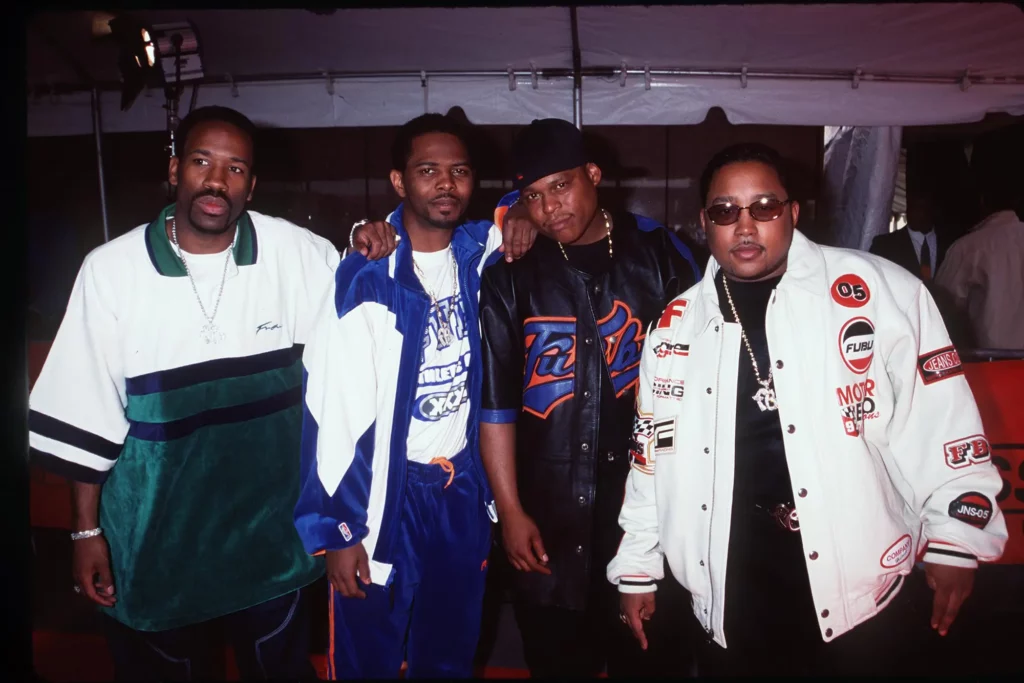
FUBU’s rise to global dominance was fueled by some of the most innovative marketing tactics of the 20th century. Long before “influencer marketing” was a formalized industry, Daymond John was leveraging the power of cultural icons to build brand equity.
The LL Cool J “Gap” Moment: A Masterclass in Guerrilla Marketing
Perhaps the most famous story in FUBU’s history—and a legendary moment in marketing lore—is the LL Cool J Gap commercial. In 1999, the rapper was hired to do a commercial for The Gap. During the ad, LL Cool J wore a FUBU hat and incorporated the lyrics “For Us, By Us” into his rap.
The Gap, unaware of the acronym’s meaning or the competitor brand, aired the commercial nationwide. This resulted in millions of dollars of free advertising for FUBU, effectively “piggybacking” on a much larger corporation’s marketing budget. This move solidified FUBU’s status as a disruptor brand that was smarter and more culturally attuned than the industry giants.
Community-Focused Endorsements
Unlike modern brands that often pay for transactional endorsements, FUBU built relationships. They gave clothes to up-and-coming rappers, video directors, and neighborhood leaders. They made sure the brand was visible in music videos, which were the primary visual medium for hip-hop at the time. By embedding the brand into the lifestyle of the community, FUBU achieved a “lifestyle brand” status that few competitors could touch.
Scaling the Brand Globally
As the brand grew, its marketing evolved. FUBU expanded into international markets, recognizing that hip-hop was a global export. The brand strategy shifted from a local Queens story to a global symbol of urban excellence. By the late 90s, FUBU was generating over $350 million in annual revenue, proving that a brand built on a specific cultural identity could have massive, universal commercial appeal.
4. Brand Resilience and the Modern Era
Like many meteoric brands, FUBU faced the challenge of over-saturation. When a brand becomes too popular, it risks losing the “cool” factor that made it successful in the first place. However, the legacy of FUBU provides vital lessons in brand resilience and evolution.
Navigating the Lifecycle of a Trend
Every brand faces a lifecycle. FUBU eventually scaled back its U.S. operations as consumer tastes shifted toward more minimalist streetwear. However, the founders were strategic; they focused on international licensing and diversified their portfolio. They understood that while the style of clothing might change, the equity of the brand name “FUBU” remained high.
The Renaissance of “For Us, By Us”
In recent years, the philosophy of “For Us, By Us” has seen a massive resurgence. As the conversation around diversity, equity, and inclusion (DEI) has moved to the forefront of corporate America, FUBU is being recognized as the original blueprint for these values. Modern consumers, particularly Gen Z, demand that brands have a purpose and a soul. FUBU’s original mission—to empower a marginalized community through entrepreneurship and representation—is more relevant today than ever.
Lessons for Modern Brand Architects
For entrepreneurs and brand managers today, FUBU offers several key takeaways:
- Identify the Void: Look for communities that are being served by products but ignored by the “vibe” or leadership of current brands.
- Stake a Claim: Don’t be afraid to be “for” someone specific. A niche focus is often the fastest route to a broad market.
- Leverage Culture: Branding is not about what you say about yourself; it’s about what the culture says about you. Integrate your brand into the lifestyle of your audience.
- Ownership Matters: The “By Us” part of the acronym is crucial. True brand authenticity comes from the top down—who owns the company, who makes the decisions, and who benefits from the success.

Conclusion: The Lasting Impact of FUBU
What does FUBU stand for? On the surface, it stands for four words: For Us, By Us. But beneath that acronym lies a complex and brilliant brand strategy that changed the fashion industry forever. It stands for the idea that a community can own its culture rather than just being a consumer of it. It stands for the power of “guerrilla” tactics over massive, impersonal advertising budgets.
FUBU didn’t just sell hoodies and jeans; it sold a sense of belonging and a vision of success. It proved that a brand built with a clear purpose and an unwavering commitment to its core audience can transcend its origins to become a global icon. As we look at the landscape of modern branding—where identity and authenticity are the most valuable currencies—FUBU remains the definitive example of how to build a brand that truly stands for something.
aViewFromTheCave is a participant in the Amazon Services LLC Associates Program, an affiliate advertising program designed to provide a means for sites to earn advertising fees by advertising and linking to Amazon.com. Amazon, the Amazon logo, AmazonSupply, and the AmazonSupply logo are trademarks of Amazon.com, Inc. or its affiliates. As an Amazon Associate we earn affiliate commissions from qualifying purchases.