
In the vast and ever-evolving landscape of the beauty industry, the humble face toner has experienced a remarkable renaissance. Once relegated to the status of a rudimentary, often alcohol-laden, astringent, the modern toner is a sophisticated formulation, meticulously crafted and strategically positioned by brands to address a myriad of skincare concerns. To truly understand “what does face toner do,” one must look beyond its primary function and delve into the intricate world of brand strategy. It’s about how brands conceptualize, create, and communicate the value of these liquid elixirs, transforming them from simple skincare steps into essential components of a coveted beauty ritual.
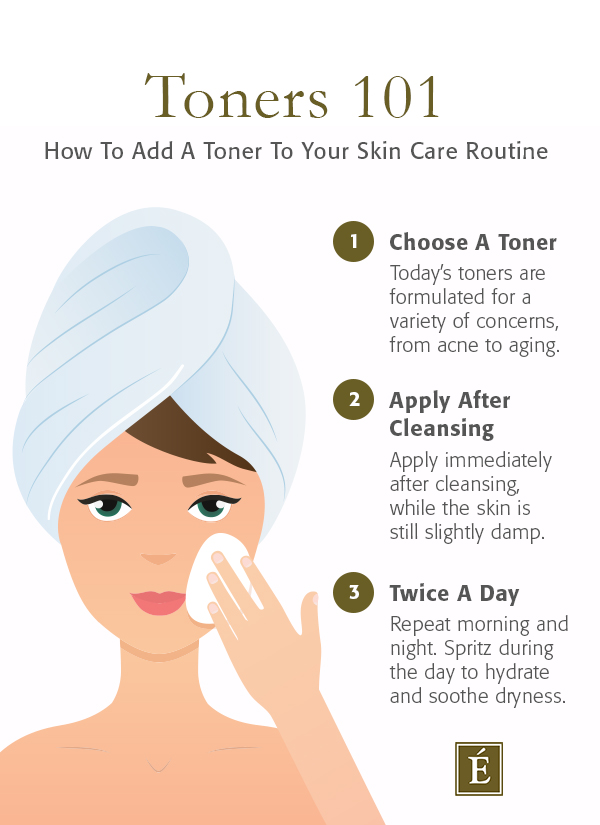
From a brand’s perspective, the toner is a versatile canvas. It’s an opportunity to introduce innovative ingredients, cater to specific skin types and desires, and establish a distinct brand identity. This isn’t merely about achieving pH balance or removing residual cleanser; it’s about crafting an experience, promising tangible results, and building a loyal customer base. The answer to “what does face toner do” is, therefore, a multi-faceted one, encompassing product development, ingredient science, marketing narratives, and the overarching brand ethos that underpins each formulation.
The Evolving Role of Toners: From Astringent to Elixir
The historical trajectory of face toners offers a compelling case study in brand adaptation and innovation. Initially, the market was dominated by toners designed to strip the skin of impurities and excess oil, often containing high concentrations of alcohol. These products were marketed primarily for their cleansing and purifying properties, appealing to a broad consumer base seeking a sense of deep cleanliness. Brands focused on strong, clinical-sounding language to convey efficacy, emphasizing the “tightening” sensation that indicated the product was “working.”
However, as consumer understanding of skincare evolved and brands began to prioritize gentler, more efficacious formulations, the perception and function of toners underwent a significant shift. This evolution was driven by a desire from consumers for products that offered more than just basic cleansing. They sought solutions that could hydrate, soothe, exfoliate, or provide targeted treatment. Brands responded by re-imagining the toner category, moving away from harsh astringents towards sophisticated, multi-functional liquids.
Redefining the Purpose: Beyond Basic Cleansing
The contemporary toner is rarely defined by its astringent capabilities alone. Brands now position toners as crucial preparatory steps in a skincare routine, enhancing the penetration and efficacy of subsequent serums and moisturizers. This strategic repositioning allows brands to highlight the preparatory and enhancement benefits, adding significant value to the product. Instead of simply cleansing, modern toners are formulated to deliver active ingredients directly to the skin, acting as a first line of defense or a gentle treatment.
Brands invest heavily in research and development to incorporate potent actives like hyaluronic acid for hydration, salicylic acid for gentle exfoliation, niacinamide for brightening and barrier support, and plant-derived extracts for soothing and antioxidant benefits. The narrative shifts from “removing what’s left” to “infusing what’s needed.” This allows brands to segment the market further, offering toners specifically tailored for dry, oily, sensitive, or mature skin, each with a distinct set of active ingredients and a clear promise of benefit. This granular approach to product development and marketing allows brands to capture a wider audience and foster deeper customer loyalty by addressing specific needs with precision.
Ingredient Innovation as a Brand Differentiator
The ingredients within a toner have become a primary battleground for brands seeking to differentiate themselves. The days of a generic alcohol and water base are long gone. Today, brands leverage cutting-edge scientific research and consumer trends to formulate toners with sophisticated ingredient profiles. This focus on ingredient innovation serves as a powerful branding tool, communicating a brand’s commitment to efficacy, quality, and advanced skincare science.
Brands often highlight hero ingredients, such as ceramides for barrier repair, peptides for anti-aging benefits, or antioxidant-rich botanical extracts for protection. The marketing language surrounding these ingredients is crucial, often employing terms like “biotechnology,” “advanced delivery systems,” and “clinically proven.” This creates an aura of sophistication and efficacy, positioning the toner not just as a skincare product, but as a high-performance treatment. For instance, a brand might launch a “Revitalizing Peptide Toner,” emphasizing the role of peptides in collagen production and skin firmness. This specific ingredient focus allows consumers to make informed choices aligned with their personal skincare goals, while simultaneously reinforcing the brand’s expertise in delivering targeted solutions. The choice of ingredients becomes a direct reflection of the brand’s identity, whether it’s positioned as science-driven, nature-inspired, or luxury-focused.
Crafting the Brand Narrative: The Art of Positioning a Toner
Beyond its chemical composition, the true power of a face toner, from a brand’s standpoint, lies in its narrative. How a brand chooses to position its toner in the market dictates its perceived value, its target audience, and ultimately, its success. This involves a comprehensive strategy encompassing packaging, marketing campaigns, influencer collaborations, and the overall brand story. The way a toner is presented can elevate it from a mere functional item to a desirable object of self-care and a symbol of a brand’s values.
From Functional Step to Ritualistic Experience
Many brands are actively working to transform the application of toner from a simple, utilitarian step into a cherished, ritualistic experience. This is particularly evident in the rise of luxury and prestige beauty brands. The packaging often plays a significant role, with elegant glass bottles, sophisticated labeling, and even the texture of the liquid itself contributing to a sense of indulgence. The act of patting or sweeping the toner onto the skin is framed as a moment of mindfulness, a pause in the day dedicated to self-care.
Marketing campaigns often feature serene imagery, emphasizing relaxation and well-being. The language used in product descriptions and advertisements moves beyond purely functional benefits to evoke feelings of pampering and rejuvenation. For example, a brand might describe their toner as a “dewy veil” or a “moment of calm,” transforming a functional liquid into an aspirational experience. This strategic framing encourages consumers to view the toner not just as a necessity, but as an enjoyable and essential part of their daily self-care routine, fostering emotional connection with the brand.
Segmenting the Market: Tailoring Toners for Diverse Needs

A key aspect of brand strategy in the toner category is the ability to effectively segment the market and cater to diverse consumer needs and preferences. Brands recognize that a one-size-fits-all approach is no longer sufficient. Instead, they develop distinct lines of toners, each designed to address specific skin types, concerns, and desired outcomes. This segmentation allows brands to capture a wider market share and build deeper loyalty by offering highly relevant and personalized solutions.
For instance, a brand might offer a “Hydrating Glow Toner” for dry and dull skin, featuring ingredients like hyaluronic acid and rose water. Simultaneously, they might have a “Clarifying Matte Toner” for oily and acne-prone skin, incorporating salicylic acid and witch hazel. The naming conventions, ingredient highlights, and marketing messages are all meticulously crafted to resonate with the intended consumer for each specific product. This targeted approach not only addresses individual skincare needs but also allows brands to position themselves as experts in various facets of skincare, reinforcing their credibility and appeal to a broad spectrum of consumers.
The Marketing Machine: Communicating Toner Efficacy and Value
The perceived efficacy and value of a face toner are heavily influenced by how brands market it. In a crowded beauty market, effective communication is paramount to capture consumer attention and drive sales. Brands employ a multifaceted marketing approach, leveraging digital platforms, traditional advertising, and influencer collaborations to build desire and trust. The success of a toner often hinges on its ability to cut through the noise and deliver a compelling message about its benefits.
Digital Storytelling and Content Creation
In the digital age, brands are increasingly using content marketing and storytelling to educate consumers about their toners and build a loyal following. This involves creating engaging blog posts, informative videos, and visually appealing social media content that highlights the benefits, ingredients, and application of their products. Brands might share “behind-the-scenes” glimpses of their formulation process, interview skincare experts, or create tutorials demonstrating how to incorporate their toners into different skincare routines.
This digital storytelling approach allows brands to build a more intimate connection with their audience. They can explain complex ingredient science in an accessible way, address common skincare myths, and showcase real-life results through testimonials and user-generated content. For example, a brand might create a series of short videos explaining the science behind their new exfoliating toner, featuring dermatologists or formulators. This transparency and educational focus builds trust and positions the brand as a knowledgeable authority in the skincare space, making consumers more likely to invest in their products.
The Power of Influencer Marketing and Endorsements
Influencer marketing has become an indispensable tool for brands in the beauty industry, and face toners are no exception. Collaborating with skincare influencers, beauty bloggers, and makeup artists allows brands to reach a wider audience and leverage the trust and credibility that these individuals have built with their followers. When an influencer genuinely endorses a toner, highlighting its benefits and incorporating it into their own routines, it can significantly impact consumer purchasing decisions.
Brands strategically partner with influencers whose audience demographics align with their target market. This can range from micro-influencers with highly engaged niche followings to macro-influencers with millions of followers. The authenticity of the endorsement is crucial; consumers are increasingly savvy and can detect insincere promotions. Therefore, successful collaborations often involve influencers who genuinely use and love the product, sharing their honest experiences and demonstrating its real-world effectiveness. This word-of-mouth marketing, amplified through digital channels, is a powerful driver of sales and brand perception for face toners.
The Future of Face Toners: Innovation and Brand Evolution
The journey of the face toner from a basic cleanser to a sophisticated skincare essential is a testament to the power of brand innovation and strategic market adaptation. As consumer demands continue to evolve and scientific advancements emerge, the role and perception of toners will undoubtedly continue to transform. Brands that can anticipate these shifts and adapt their formulations, narratives, and marketing strategies will be well-positioned for continued success in this dynamic category.
Sustainable Formulations and Ethical Branding
A growing consumer consciousness around sustainability and ethical practices is shaping the future of beauty. Brands are increasingly expected to demonstrate a commitment to environmental responsibility, from sourcing ingredients to packaging and production. This translates to the toner category as well, with brands exploring biodegradable packaging, waterless formulations, and the use of ethically sourced, natural ingredients.
Brands that proactively embrace sustainability can build a powerful ethical positioning, resonating with a growing segment of environmentally and socially conscious consumers. This isn’t just about compliance; it’s about building a brand identity rooted in purpose and responsibility. For instance, a brand might highlight its use of recycled plastic for toner bottles or its partnership with organizations dedicated to preserving natural resources. Communicating these initiatives effectively can differentiate a brand and foster a deeper connection with consumers who share these values, further solidifying the brand’s narrative and market appeal.
Personalized Skincare and AI-Driven Solutions
The future of skincare is increasingly personalized, and toners are poised to play a significant role in this trend. Advancements in AI and data analytics are enabling brands to develop highly customized product recommendations and even bespoke formulations. Imagine a future where a consumer’s unique skin profile, perhaps determined through a digital skin analysis or a questionnaire, leads to a specially formulated toner designed to address their precise needs.
Brands are already exploring AI-powered skincare tools that can analyze a user’s skin and recommend specific products. This level of personalization extends to toners, where AI could help determine the optimal blend of active ingredients for an individual’s skin type, concerns, and even environmental factors. This not only enhances product efficacy but also creates a deeply engaging and customer-centric brand experience. The ability to offer truly tailored solutions will become a significant competitive advantage, further cementing the face toner’s position as a cornerstone of a personalized skincare regimen, driven by intelligent branding and technological innovation.
aViewFromTheCave is a participant in the Amazon Services LLC Associates Program, an affiliate advertising program designed to provide a means for sites to earn advertising fees by advertising and linking to Amazon.com. Amazon, the Amazon logo, AmazonSupply, and the AmazonSupply logo are trademarks of Amazon.com, Inc. or its affiliates. As an Amazon Associate we earn affiliate commissions from qualifying purchases.