
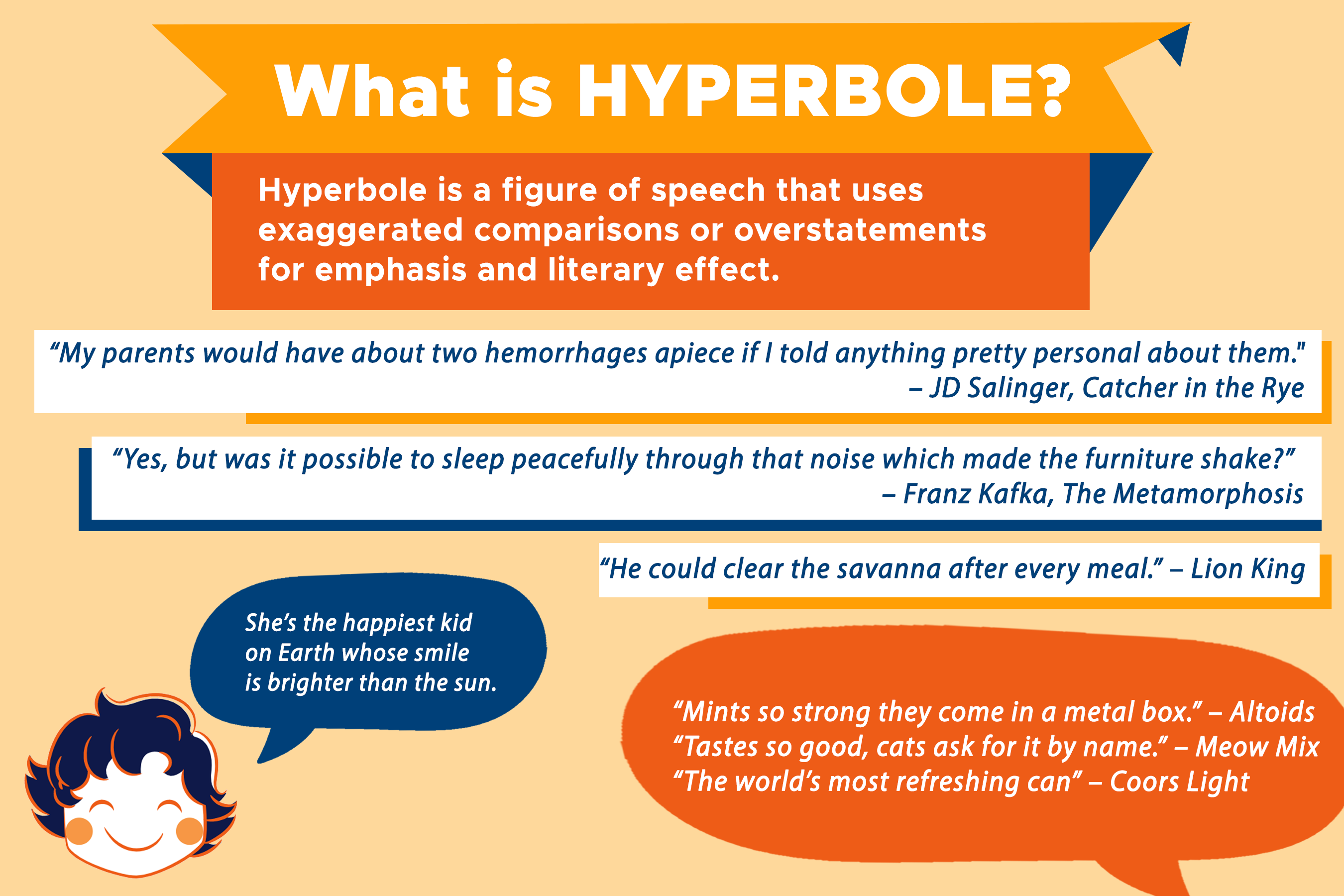
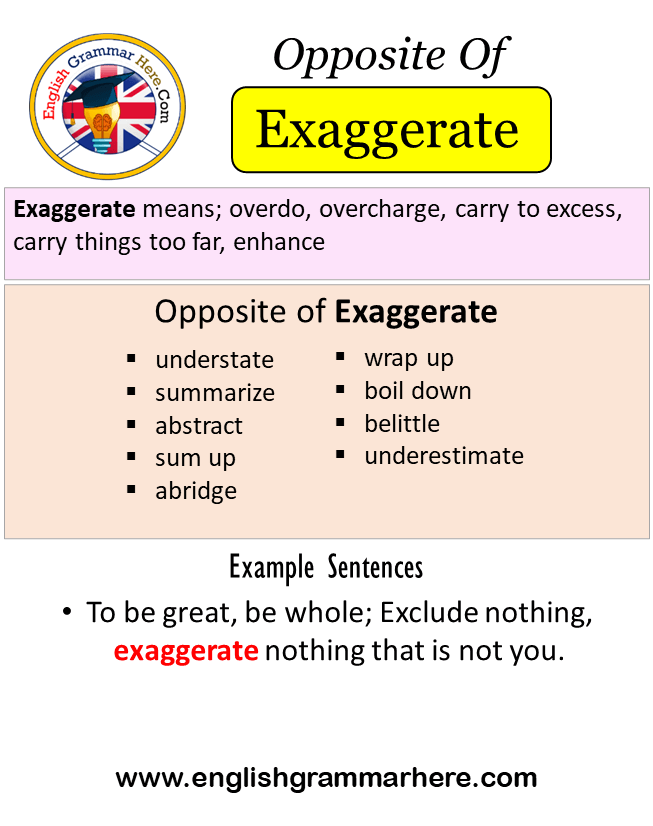
In the lexicon of modern commerce, “exaggeration” is a term that sits uncomfortably between creative storytelling and deceptive marketing. To exaggerate, by definition, is to represent something as better, larger, or more significant than it actually is. While a novelist might use exaggeration to emphasize a character’s emotion, a brand uses it to capture attention in an increasingly crowded marketplace. But where does the line lie? In the context of brand strategy and corporate identity, understanding what it means to exaggerate is crucial for maintaining the delicate balance between aspirational messaging and the erosion of consumer trust.
In this exploration, we will dissect the mechanics of brand exaggeration, the psychological triggers it pulls, and the strategic risks involved when a brand’s promise exceeds its delivery.
The Anatomy of Brand Puffery: Where Storytelling Meets Hyperbole
In the world of marketing and brand design, exaggeration is often legally categorized as “puffery.” Puffery refers to promotional statements and claims that express subjective rather than objective views, such that no reasonable person would take them literally. When a local diner claims to have the “World’s Best Cup of Coffee,” they are exaggerating. They aren’t inviting a scientific audit of every coffee bean on the planet; they are signaling a brand identity centered on pride and hospitality.
Defining “Legal” Exaggeration
From a legal and strategic standpoint, exaggeration is often permissible when it is clearly hyperbolic. If a brand claims its laundry detergent will make clothes “whiter than snow,” it is using a metaphor to communicate a benefit. Consumers generally understand this as a creative flourish. This form of exaggeration serves as a shorthand for brand values. It tells the customer, “We strive for the ultimate level of cleanliness,” rather than providing a technical specification of light reflectance on fabric.
The Psychology of the “Best in the World” Claim
Why do brands continue to use superlative exaggeration despite its ubiquity? It stems from a psychological need to simplify choice. In a market saturated with options, the human brain seeks “anchors.” Even if a consumer knows that a brand isn’t literally the “best in the world,” the use of that language acts as a psychological nudge. It positions the brand at the top of the hierarchy in the consumer’s mind. Exaggeration, in this sense, is an attempt to claim the “mental real estate” of being the premium option, even if the objective differences between products are marginal.
The Digital Magnifier: How Social Media Exaggerates Brand Reality
The advent of digital marketing and social media has fundamentally changed what it means for a brand to exaggerate. It is no longer just about the copy in a print ad; it is about the visual and experiential “filter” applied to every touchpoint. Digital platforms act as a magnifier, encouraging brands to present a version of reality that is often several degrees removed from the actual consumer experience.
Influencer Culture and the Illusion of Perfection
Personal branding has taken the concept of exaggeration to new heights. Influencers, who are now essentially micro-brands, often exaggerate their lifestyles to create an aspirational identity. When a brand partners with an influencer, they are effectively buying into this exaggerated reality. The danger here is the “expectation gap.” When the product arrives and doesn’t grant the consumer the filtered, high-definition life promised by the influencer’s post, the exaggeration is felt as a betrayal. This digital exaggeration creates a facade of perfection that is difficult for physical products and services to maintain.
The Viral Loop: When Algorithms Reward Over-the-Top Claims
Modern branding is often driven by the “attention economy.” Algorithms on platforms like TikTok and Instagram reward content that is high-energy, shocking, or extreme. This creates a systemic incentive for brands to exaggerate their claims to achieve “virality.” A skincare brand might exaggerate the speed of its results in a 15-second clip to stop a user from scrolling. In this environment, exaggeration becomes a survival mechanism—a way to cut through the noise—but it often comes at the cost of long-term brand equity.
The Risks of Over-Promising: When Exaggeration Becomes a Liability
While exaggeration can be a powerful tool for grabbing attention, it carries significant risks. In brand strategy, the “Value Gap” is the distance between what a brand promises and what it actually delivers. The wider this gap becomes through exaggeration, the more likely the brand is to face a catastrophic loss of credibility.
The Erosion of Consumer Trust
We live in an era of “Radical Transparency.” Reviews, unboxing videos, and social media call-outs mean that if a brand exaggerates its product’s capabilities, the truth will surface almost instantly. When a brand is caught in a significant exaggeration—such as a “sustainable” brand being revealed as a major polluter (greenwashing)—the damage to the corporate identity is often permanent. Consumers today value authenticity over polish. When they perceive exaggeration as a deliberate attempt to deceive rather than a creative flourish, they don’t just stop buying; they become vocal detractors.
Legal Ramifications and FTC Guidelines
Beyond the loss of trust, there are tangible legal risks. Regulatory bodies like the Federal Trade Commission (FTC) in the United States have strict guidelines on deceptive advertising. While “puffery” is generally protected, objective claims that are exaggerated can lead to massive fines and forced rebranding. For example, if a brand exaggerates the health benefits of a supplement or the fuel efficiency of a vehicle, they move from the realm of “creative exaggeration” into “fraudulent representation.” A brand’s strategy must always be vetted against the reality of its technical specifications to avoid these pitfalls.
Authenticity as the Antidote: Building a Brand Without the Bluster
As consumers become more cynical toward traditional marketing hyperbole, a new trend has emerged in brand strategy: “Under-promising and Over-delivering.” Leading brands are moving away from exaggeration and toward radical honesty as a way to differentiate themselves in a sea of “hustle culture” and inflated claims.
Radical Transparency in Product Marketing
Some of the most successful modern brands have built their identity on the refusal to exaggerate. Brands like Patagonia or The Ordinary (DECIEM) have thrived by being brutally honest about their processes, their pricing, and even their limitations. By stripping away the exaggeration, they create a sense of intimacy and trust with the consumer. This “Anti-Brand” approach suggests that the product is so good it doesn’t need to be represented as anything other than what it is.
Under-Promising and Over-Delivering as a Growth Strategy
In the context of corporate identity, the most sustainable growth comes from high retention and word-of-mouth. When a brand resists the urge to exaggerate and instead delivers a slightly better experience than expected, it creates “Customer Delight.” If a brand promises “reliable shipping” and the package arrives a day early, the customer feels they have gained value. Conversely, if a brand exaggerates and promises “instant delivery” but takes two days, the customer feels cheated—even if two days is objectively fast. Managing the “Exaggeration Dial” is, therefore, a key component of customer experience design.

Conclusion: Finding the Strategic Balance
So, what does it mean to exaggerate in branding? It means walking a tightrope between aspiration and deception. Exaggeration, when used as a creative tool to highlight a brand’s personality or vision, can be a potent way to connect with an audience’s emotions. It allows a brand to be more than just a utility; it allows it to be a story.
However, in an age where information is democratized and transparency is a consumer demand, the margin for error is shrinking. Brands that rely on exaggeration to mask a mediocre product or to create a false sense of value are playing a dangerous game. The most enduring brands of the 21st century will not be those that yell the loudest or make the most superlative claims, but those that understand how to use the “magnifying glass” of branding to highlight genuine truths, rather than to fabricate them. In the end, a brand is not what you say it is—it is the reality of the experience you provide. And in that reality, there is no room for exaggeration.
aViewFromTheCave is a participant in the Amazon Services LLC Associates Program, an affiliate advertising program designed to provide a means for sites to earn advertising fees by advertising and linking to Amazon.com. Amazon, the Amazon logo, AmazonSupply, and the AmazonSupply logo are trademarks of Amazon.com, Inc. or its affiliates. As an Amazon Associate we earn affiliate commissions from qualifying purchases.