
In the dynamic landscape of technology, acronyms proliferate, often serving as shorthand for complex concepts. One such acronym that has gained traction, particularly within the fields of biomechanics, human-computer interaction, and advanced sensor technology, is EMG. But what does EMG stand for, and why is it of such significance in the tech world? EMG is an abbreviation for Electromyography, a fascinating discipline that bridges the gap between biological signals and digital systems. It’s a powerful tool that allows us to “read” the electrical activity generated by muscles, opening up a vast array of technological applications.
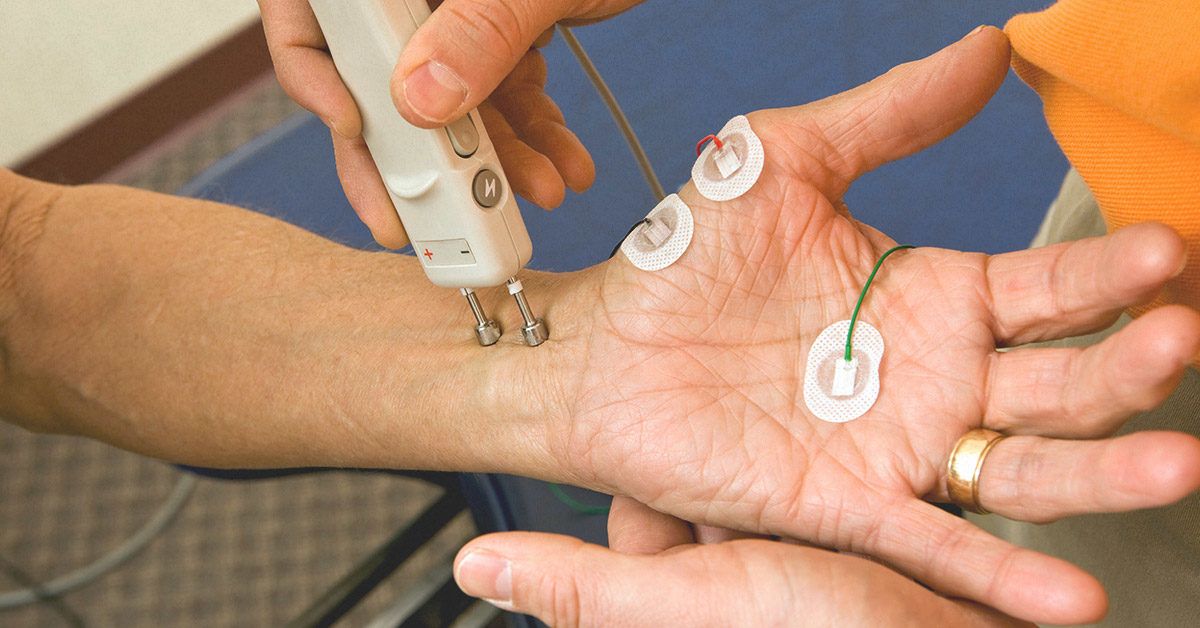
At its core, electromyography involves the detection and analysis of myoelectric signals. These signals are generated by muscle fibers when they are activated, and they travel through our nervous system. By capturing these electrical impulses, we can gain insights into muscle function, fatigue, intent, and even control. In the context of technology, EMG isn’t just a medical diagnostic tool; it’s evolving into a sophisticated interface, a data source for intelligent systems, and a key component in the development of next-generation devices. This article will delve into the technological underpinnings of EMG, exploring its applications, the hardware involved, and its future potential in shaping how we interact with the digital and physical worlds.
The Technological Foundation of Electromyography
Electromyography, as a technological discipline, is built upon the fundamental principles of electrical engineering, signal processing, and neuroscience. It’s about transforming subtle biological electrical signals into actionable data that can be interpreted and utilized by various technological systems. This process involves several key components and considerations.
Sensing and Signal Acquisition: The Art of Capturing Muscle Electricity
The first and arguably most critical step in utilizing EMG for technological purposes is the accurate and reliable acquisition of the myoelectric signal. This is achieved through specialized sensors, often referred to as electrodes. The design and placement of these electrodes are paramount to the quality of the data obtained.
Surface EMG (sEMG) vs. Intramuscular EMG (iEMG)
Within electromyography, there are two primary methods of signal acquisition, each with its own technological implications:
-
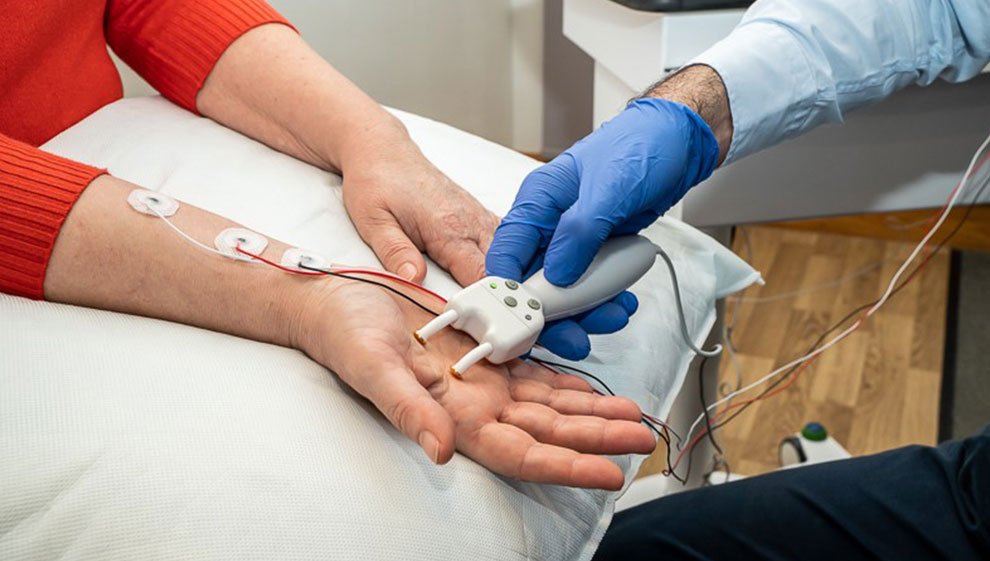
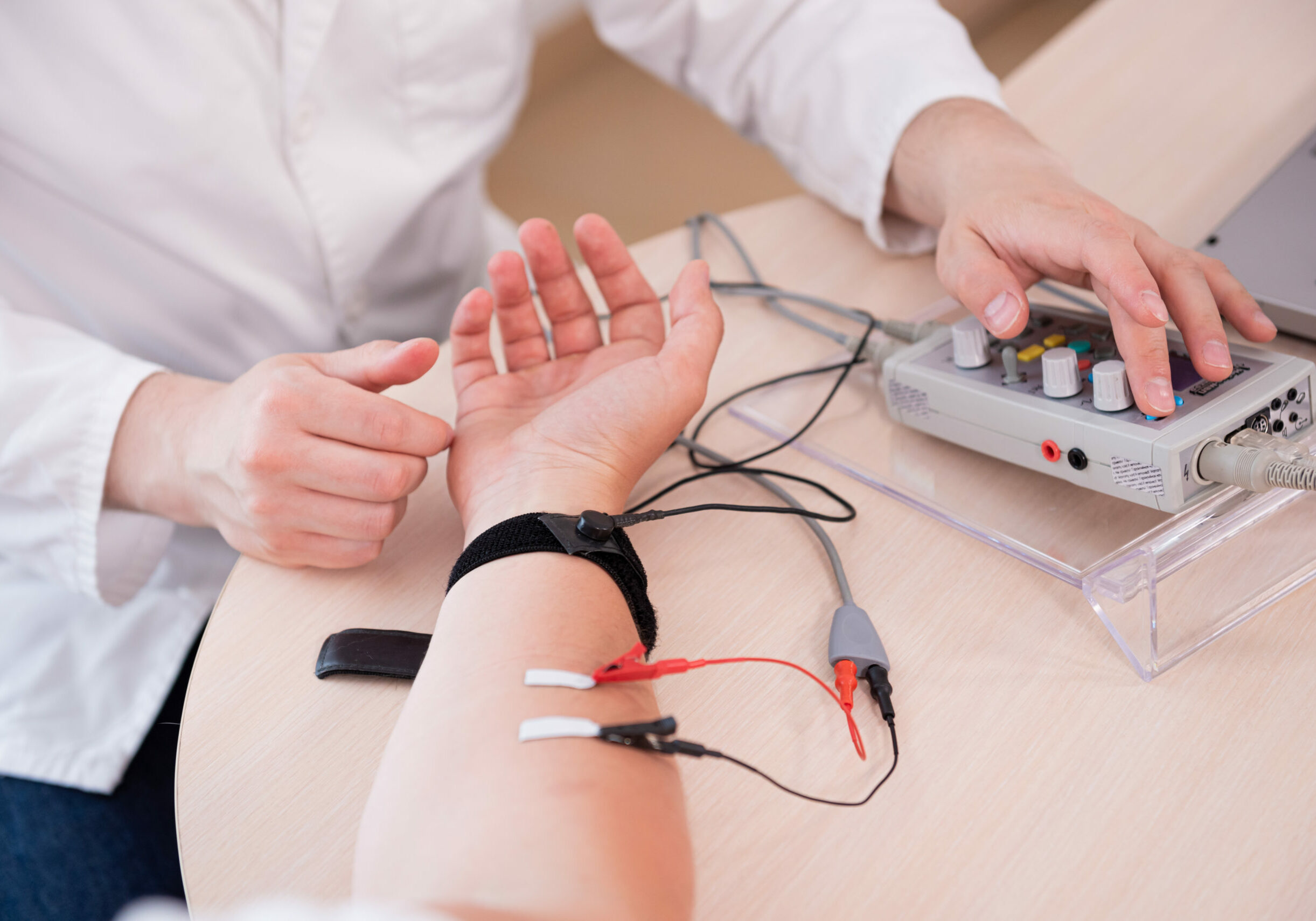
Surface Electromyography (sEMG): This is the most common method employed in technological applications outside of clinical diagnostics. sEMG utilizes non-invasive electrodes that are placed on the skin’s surface over the target muscle. These electrodes detect the electrical potential generated by the underlying muscle fibers. The advantages of sEMG lie in its ease of use, non-invasiveness, and suitability for continuous monitoring. However, sEMG signals can be susceptible to noise from adjacent muscles (crosstalk), skin impedance variations, and movement artifacts. Technological advancements in electrode materials (e.g., conductive polymers, dry electrodes) and sensor placement strategies have significantly improved the signal-to-noise ratio and reliability of sEMG.
-
Intramuscular Electromyography (iEMG): This method involves inserting needle electrodes directly into the muscle tissue. While it provides a more direct and detailed measurement of individual motor unit activity, it is invasive and typically reserved for specific diagnostic or research purposes. In a technological context, iEMG is less common due to its invasiveness, but the underlying principles of signal detection are similar.
Electrode Technologies: From Wet to Dry and Beyond
The evolution of electrode technology has been a driving force behind the broader adoption of EMG in consumer and industrial applications.
- Wet Electrodes: Traditionally, wet electrodes required a conductive gel to ensure good electrical contact with the skin. While effective, these can be messy, prone to drying out, and require preparation.
- Dry Electrodes: More recent innovations have led to the development of dry electrodes, which can acquire EMG signals without the need for gel. These are often made from conductive fabrics, metals, or specialized polymers. Dry electrodes offer significant advantages in terms of user convenience, reusability, and suitability for wearable technologies. The challenge with dry electrodes lies in maintaining consistent low impedance contact with the skin, which is an active area of technological research.
Signal Processing and Interpretation: Making Sense of the Data
Once the raw electrical signals are acquired, they are typically very weak and noisy. Sophisticated signal processing techniques are essential to clean, amplify, and interpret this data, transforming it into meaningful information for technological applications.
Amplification and Filtering: Cleaning the Signal
The raw EMG signal is often in the microvolt range. Therefore, a high-gain amplifier is crucial to boost the signal to a usable level. Following amplification, filtering is applied to remove unwanted noise.
- Band-Pass Filtering: EMG signals fall within a specific frequency range (typically 20 Hz to 500 Hz). Band-pass filters are used to allow signals within this range to pass through while attenuating frequencies outside of it. This helps to remove power line interference (50/60 Hz), high-frequency noise from electronic components, and very low-frequency drift.
- Notch Filtering: A specific notch filter is often employed to remove the persistent 50 Hz or 60 Hz hum from the power grid, which can significantly contaminate EMG signals.
Feature Extraction: Unlocking Actionable Insights
After filtering, the cleaned EMG signal needs to be processed to extract features that represent the underlying muscle activity. This is where the data becomes useful for technological control and analysis. Common features extracted include:
- Root Mean Square (RMS): This measures the signal’s amplitude over a specific time window and is often used as an indicator of muscle force or effort.
- Mean Absolute Value (MAV): Similar to RMS, MAV provides a measure of signal magnitude.
- Zero Crossings: The number of times the signal crosses the zero axis can indicate the frequency content of the signal, which can relate to muscle contraction speed.
- Waveform Length (WL): The total length of the rectified signal within a time window, often indicative of signal intensity.
Machine Learning and AI: Decoding Intent and Movement
The extracted features are then fed into algorithms, increasingly sophisticated machine learning (ML) and Artificial Intelligence (AI) models, to interpret the user’s intent or to understand muscle behavior.
- Classification: ML algorithms can be trained to classify different muscle activation patterns, allowing a user to control a device with specific gestures or movements. For instance, differentiating between a relaxed state and a flexed bicep.
- Regression: ML can also be used to predict continuous values, such as the degree of force being exerted by a muscle, enabling proportional control of devices.
- Pattern Recognition: AI can identify complex patterns in EMG data, which can be used for advanced applications like gait analysis, fatigue monitoring, or even to predict the onset of certain neurological conditions.
Technological Applications Powered by EMG
The ability to accurately detect and interpret muscle electrical activity has opened up a vast and growing landscape of technological applications. EMG is no longer confined to the laboratory or the clinic; it’s becoming an integral part of how we interact with technology and how technology understands us.
Human-Computer Interaction (HCI) and Wearable Technology
One of the most exciting frontiers for EMG in technology is in the realm of HCI and wearable devices. EMG offers a natural and intuitive way for humans to communicate with machines, transcending the limitations of traditional input methods.
Prosthetics and Assistive Devices: Restoring Functionality
EMG has been a cornerstone in the development of advanced prosthetic limbs. By detecting the electrical signals from the residual muscles in the limb, users can control the movement of their prosthetic arm or hand with remarkable dexterity. This allows for more natural and intuitive control, moving beyond simple grasping motions to complex articulated movements.
- Myoelectric Control: This is the core technology where specific muscle contractions are mapped to desired prosthetic movements. For example, flexing the bicep might close the prosthetic hand, while extending the forearm might open it.
- Advanced Signal Decoding: Modern prosthetics employ sophisticated ML algorithms to decode more nuanced EMG patterns, allowing for finer control over individual finger movements, wrist rotation, and even grip force.
Wearable Input Devices and Controllers: The Next Generation of Interaction
Beyond prosthetics, EMG is paving the way for entirely new forms of interaction with everyday technology. Imagine controlling your smartphone, smart home devices, or gaming console with subtle muscle movements from your arm or hand.
- Gesture Recognition: EMG sensors embedded in wearables like wristbands or gloves can recognize specific gestures, translating them into commands. This could allow for silent, hands-free control in various scenarios, from answering calls to navigating menus.
- Gaming and Virtual Reality (VR): EMG can add a new layer of immersion to gaming and VR experiences. By detecting subtle muscle activations, players can interact with virtual environments in more realistic ways, such as feeling the “tension” of drawing a bow or the “effort” of pushing an object.
- Smart Wearables: Future smartwatches and fitness trackers might incorporate EMG to monitor muscle engagement during workouts, provide real-time feedback on form, or even detect early signs of muscle fatigue.
Robotics and Automation: Enhancing Human-Robot Collaboration
In the field of robotics and automation, EMG plays a crucial role in enabling seamless and intuitive human-robot collaboration. This is particularly relevant in scenarios where robots are designed to assist humans in complex tasks.
Teleoperation and Remote Control: Extending Human Reach
EMG can be used to teleoperate robots, allowing humans to control robotic arms or mobile platforms from a distance. This is invaluable in hazardous environments, such as disaster zones or deep-sea exploration, where direct human intervention is impossible or too risky.
- Intuitive Master-Slave Control: The movements of a robot are mapped directly to the muscle activations of a human operator, creating a natural and intuitive control interface. This allows for precise manipulation of objects and navigation of complex terrains.
Shared Control Systems: Blending Human and Machine Intelligence
In collaborative robotics, EMG can facilitate “shared control” systems. Here, the human operator’s intent, as detected by EMG, is combined with the robot’s autonomous capabilities. The robot can assist the human by taking over certain tasks, optimizing movements, or ensuring safety.
- Intent Prediction: EMG can help the robot anticipate the human’s next move, allowing for smoother transitions and more efficient collaboration. For example, if an EMG signal indicates the human is about to reach for an object, the robot might preposition itself to assist.
Health and Wellness Monitoring: Understanding Our Bodies Better
Beyond direct control, EMG is increasingly being employed in health and wellness monitoring, offering insights into physiological states and enabling proactive health management.
Fatigue Monitoring: Optimizing Performance and Preventing Injury
For athletes, industrial workers, and anyone performing repetitive physical tasks, muscle fatigue is a critical factor. EMG can provide objective, real-time data on muscle fatigue levels.
- Performance Optimization: By understanding when a muscle is becoming fatigued, individuals can adjust their training or work routines to prevent overexertion and optimize performance.
- Injury Prevention: Detecting early signs of fatigue can help in preventing musculoskeletal injuries that can arise from prolonged or strenuous muscle use.
Rehabilitation and Physical Therapy: Guiding Recovery
EMG is a valuable tool in physical therapy and rehabilitation, helping patients regain muscle function after injury or surgery.
- Biofeedback: Patients can see their muscle activity in real-time via EMG, allowing them to learn how to activate specific muscles correctly. This is particularly useful for re-educating muscles that have been weakened or disconnected from their neural pathways.
- Progress Tracking: Therapists can use EMG to objectively measure a patient’s progress in muscle strength and control, tailoring treatment plans accordingly.
The Hardware and Software Ecosystem of EMG Technology
The realization of EMG’s technological potential hinges on a sophisticated interplay of specialized hardware and intelligent software. This ecosystem is constantly evolving, driven by the need for more accurate, portable, and user-friendly EMG solutions.
EMG Hardware Components: Sensors, Amplifiers, and Data Acquisition
The physical devices that capture and transmit EMG data are at the forefront of EMG technology innovation.
Signal Conditioning Modules: The Unseen Workhorses
Beyond the electrodes themselves, the signal conditioning modules are critical. These compact electronic circuits are responsible for the initial amplification, filtering, and digitization of the raw analog EMG signals.
- Low-Noise Amplification: Ensuring that the weak myoelectric signals are amplified without introducing significant noise is a primary function. This often involves specialized operational amplifiers and careful circuit design.
- Analog-to-Digital Conversion (ADC): Raw EMG signals are analog. For processing by digital systems (computers, microcontrollers), these signals must be converted into a digital format. The resolution and sampling rate of the ADC directly impact the fidelity of the acquired data.
- Wireless Transmission: For wearable and portable applications, wireless transmission capabilities (e.g., Bluetooth, Wi-Fi) are integrated into these modules, allowing for seamless data transfer to a host device without cumbersome cables.
Integrated Wearable Systems: Towards Seamless Integration
The trend in EMG hardware is towards greater integration and miniaturization, leading to comfortable and unobtrusive wearable systems.
- Smart Textiles and Fabrics: Electrodes are increasingly being woven directly into clothing or integrated into flexible substrates, making EMG sensing a part of everyday apparel.
- Miniaturized Sensor Nodes: Small, self-contained units that house electrodes, signal conditioning, and wireless communication are being developed for discreet placement on the body.
Software and Data Platforms: The Intelligence Behind the Signals
The raw data from EMG sensors is only the beginning. Sophisticated software platforms are essential for processing, analyzing, and utilizing this data effectively.
Real-Time Data Visualization and Analysis Tools
Developers and researchers rely on software that can provide immediate feedback on EMG data.
- Visualizations: Tools that display raw EMG waveforms, processed features (like RMS or MAV), and detected events in real-time are crucial for debugging, calibration, and understanding the data flow.
- Feature Extraction Libraries: Pre-built libraries and algorithms for common EMG feature extraction simplify the development process, allowing engineers to focus on higher-level applications.
Machine Learning Frameworks and Libraries: The Engine of Interpretation
The application of AI and ML to EMG data is a rapidly growing area.
- TensorFlow, PyTorch, scikit-learn: These popular ML frameworks provide the tools and libraries necessary to build, train, and deploy models for EMG pattern recognition, classification, and prediction.
- Customizable Model Architectures: Researchers are developing specialized neural network architectures, such as Convolutional Neural Networks (CNNs) and Recurrent Neural Networks (RNNs), that are optimized for processing time-series biological signals like EMG.
Cloud-Based Data Platforms and Analytics: Scalability and Accessibility
For larger-scale applications, such as population health monitoring or large-scale robotics deployments, cloud-based platforms are becoming increasingly important.
- Data Storage and Management: Secure and scalable cloud storage solutions are needed to handle the vast amounts of EMG data generated.
- Remote Monitoring and Collaboration: Cloud platforms enable remote monitoring of patients or systems, facilitating collaboration between researchers, clinicians, and engineers regardless of their physical location.
- Advanced Cloud Analytics: Leveraging cloud computing power for complex data analysis, model training, and the identification of large-scale trends in EMG data.
The Future of EMG in Technology: Unlocking New Possibilities
The trajectory of EMG technology within the tech landscape is one of continuous innovation and expanding horizons. As hardware becomes more sophisticated and software more intelligent, the potential applications for electromyography are set to multiply, further blurring the lines between human intent and digital action.
Enhancing Human Augmentation and Seamless Control
The ultimate goal for many in the EMG tech space is to achieve truly seamless human augmentation. This means creating interfaces where technology understands and responds to human intent with such fidelity that the distinction between thought and action becomes almost imperceptible.
- Intuitive Brain-Computer Interfaces (BCIs) and Muscle-Computer Interfaces (MCIs): While BCIs focus on brain signals, MCIs leverage EMG. Future MCIs will move beyond simple gesture recognition to interpreting complex motor commands with high accuracy, enabling advanced prosthetics, exoskeletons, and even direct neural interfaces that utilize muscle feedback.
- Context-Aware Control Systems: EMG will enable devices to understand not just what a user wants to do, but also the context in which they are doing it. For example, a smart home system might adjust lighting and temperature based on detected muscle fatigue during a workout, or a vehicle might adapt its driving assistance based on driver alertness inferred from EMG.
Advancing Human-Machine Teaming and Collaboration
The integration of EMG into robotics and automation will continue to deepen, fostering more sophisticated and natural human-machine teaming.
- Adaptive Robotics: Robots will become more adept at sensing and responding to human physical and cognitive states. EMG can inform robots about human fatigue, stress, or even intent to collaborate, allowing the robot to adjust its speed, force, and actions to optimize the partnership.
- Ergonomic Design and Performance Optimization: In industrial settings, EMG can be used to continuously monitor the physical strain on workers, leading to better workstation design, optimized task allocation, and reduced risk of repetitive strain injuries. This data can also inform the design of tools and equipment to be more human-centric.
Pushing the Boundaries of Health Monitoring and Diagnostics
The role of EMG in health and wellness is set to expand significantly, moving from reactive monitoring to proactive prediction and personalized interventions.
- Early Disease Detection: Research is ongoing into using EMG patterns to detect early signs of neurological disorders such as Parkinson’s disease, Multiple Sclerosis, or Amyotrophic Lateral Sclerosis (ALS) before significant clinical symptoms manifest.
- Personalized Health and Fitness: Beyond generic workout tracking, EMG can provide highly personalized insights into an individual’s muscle activation patterns, biomechanics, and recovery needs, leading to truly tailored fitness and rehabilitation programs.
- Mental Health Insights: Emerging research suggests that muscle tension, often reflected in EMG signals, can be correlated with stress and anxiety levels, opening avenues for using EMG as a non-invasive indicator of psychological well-being.
The Ethical and Societal Implications
As EMG technology becomes more pervasive, it will inevitably raise important ethical and societal questions that the tech industry must address proactively.
- Data Privacy and Security: The collection of highly personal biological data necessitates robust privacy and security measures to prevent misuse or unauthorized access.
- Informed Consent and Autonomy: Ensuring that individuals fully understand how their EMG data is being collected, used, and who has access to it is paramount. The potential for subtle manipulation or coercive use of this technology needs careful consideration.
- Digital Divide and Accessibility: As EMG-powered technologies become more prevalent, ensuring equitable access and preventing the creation of a digital divide based on the ability to afford or utilize these advanced interfaces will be a societal challenge.
In conclusion, EMG, or Electromyography, stands as a testament to the power of technological innovation in bridging the biological and digital realms. From its roots in medical diagnostics, it has blossomed into a transformative force in technology, driving advancements in human-computer interaction, robotics, and health monitoring. As research and development continue, EMG promises to unlock even greater potential, ushering in an era where technology understands and responds to our bodies in ways we are only just beginning to imagine.
aViewFromTheCave is a participant in the Amazon Services LLC Associates Program, an affiliate advertising program designed to provide a means for sites to earn advertising fees by advertising and linking to Amazon.com. Amazon, the Amazon logo, AmazonSupply, and the AmazonSupply logo are trademarks of Amazon.com, Inc. or its affiliates. As an Amazon Associate we earn affiliate commissions from qualifying purchases.