
In the vast and ever-evolving landscape of technology, acronyms are the ubiquitous shorthand that both facilitates communication and, at times, breeds confusion. Among these, “DCS” stands out as a particularly versatile and frequently encountered initialism. Its meaning is not monolithic; rather, it branches out, signifying distinct concepts within the technological sphere. Understanding what “DCS” stands for is crucial for anyone operating within or interacting with modern digital systems, from software development and network management to industrial automation and cybersecurity. This exploration will delve into the primary technological interpretations of DCS, illuminating its significance and impact.

Distributed Control Systems (DCS): The Backbone of Industrial Automation
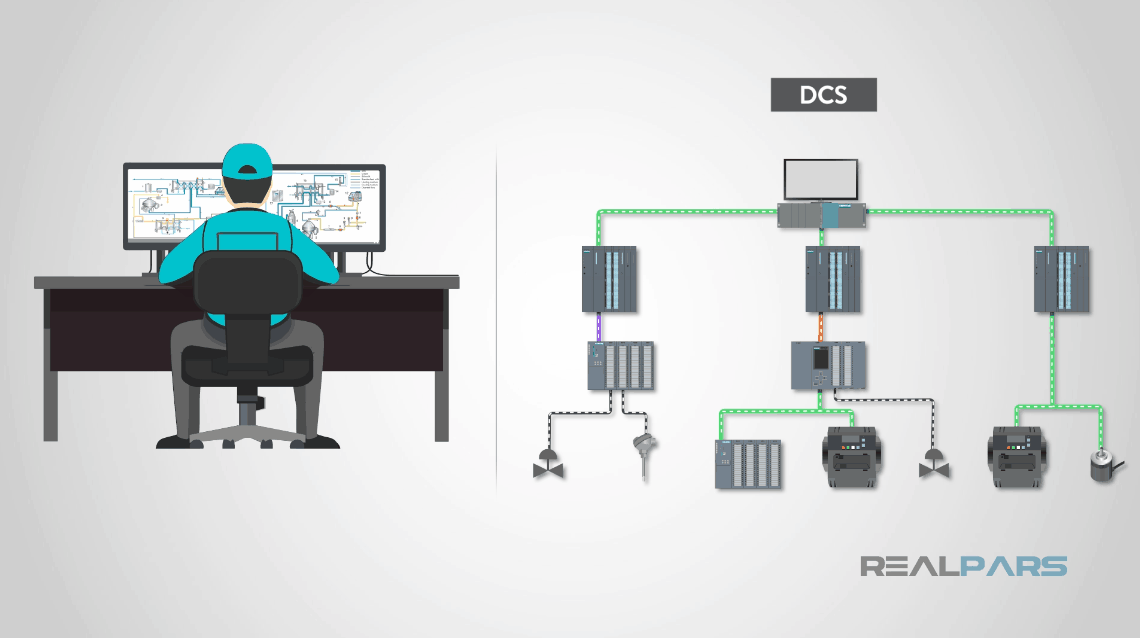
Perhaps the most prevalent and impactful meaning of DCS in the technology sector refers to Distributed Control Systems. These are sophisticated, computer-based systems designed to monitor and control industrial processes. Unlike centralized control systems where a single computer handles all operations, a DCS distributes control functions across multiple, interconnected controllers, processors, and workstations. This distributed architecture offers a multitude of advantages, making DCS indispensable in a wide array of industries.
The Core Architecture and Functionality of a DCS
At its heart, a Distributed Control System is built upon a network of intelligent devices. These devices, often microprocessors or dedicated controllers, are strategically placed throughout a plant or facility. Each controller is responsible for managing a specific segment of the overall process, collecting data from local sensors, executing control algorithms, and sending commands to actuators. This localized intelligence is then networked together, typically via robust, high-speed communication protocols, allowing for seamless integration and coordinated operation.
The functionality of a DCS extends far beyond simple on/off switching. It encompasses a comprehensive suite of capabilities, including:
- Data Acquisition: Continuously collecting real-time data from thousands of sensors measuring parameters like temperature, pressure, flow rate, level, and chemical composition. This data forms the foundation for effective control and monitoring.
- Process Control: Implementing sophisticated control strategies, ranging from simple PID (Proportional-Integral-Derivative) loops to complex model-predictive control algorithms. These strategies ensure that processes operate within desired parameters, optimizing efficiency, safety, and product quality.
- Supervisory Control and Monitoring: Providing operators with a centralized interface to visualize the entire process, receive alarms, analyze trends, and make high-level adjustments. This human-machine interface (HMI) is critical for operational oversight and decision-making.
- Alarm Management: Detecting and signaling deviations from normal operating conditions, prioritizing alerts based on severity, and guiding operators through appropriate response procedures. Effective alarm management is paramount for preventing incidents and maintaining operational integrity.
- Historical Data Logging and Trending: Storing vast amounts of process data for later analysis, troubleshooting, regulatory compliance, and performance improvement initiatives. This historical perspective is invaluable for optimizing processes over time.
- System Redundancy and Fault Tolerance: Incorporating backup components and communication paths to ensure continuous operation even in the event of hardware failures or network disruptions. This resilience is a hallmark of robust DCS implementations.
Industrial Applications and the Impact of DCS
The scope of DCS applications is immense, touching virtually every sector that relies on complex industrial processes. In the oil and gas industry, DCS manages everything from offshore drilling platforms to refining operations, ensuring safe and efficient extraction and processing of hydrocarbons. In power generation, DCS systems are vital for controlling boilers, turbines, and grid integration, maintaining stable electricity supply. The chemical and petrochemical industries depend on DCS for precise control of reactions, ensuring product purity and minimizing hazardous emissions.
Furthermore, DCS plays a critical role in:
- Pharmaceutical manufacturing: Ensuring sterile environments, precise ingredient mixing, and batch consistency for life-saving medications.
- Water and wastewater treatment: Optimizing purification processes, managing chemical dosages, and ensuring compliance with environmental regulations.
- Food and beverage production: Maintaining hygiene, controlling cooking and pasteurization temperatures, and ensuring product quality and safety.
- Pulp and paper mills: Managing complex chemical and mechanical processes involved in paper production.
- Mining and metallurgy: Controlling extraction, processing, and refining of raw materials.
The adoption of DCS has fundamentally transformed industrial operations. It has enabled greater automation, leading to increased productivity, reduced labor costs, and improved worker safety by minimizing exposure to hazardous environments. Moreover, the precise control offered by DCS contributes to enhanced product quality, reduced waste, and significant energy savings, making operations more sustainable and economically viable.
Data Center Solutions (DCS): Enabling Scalable Digital Infrastructure
Beyond industrial automation, “DCS” can also refer to Data Center Solutions. In the context of modern computing, data centers are the physical facilities that house the IT infrastructure – servers, storage devices, networking equipment – that powers the digital world. Data Center Solutions encompass the design, implementation, and management of these critical facilities, ensuring reliability, scalability, and security for the vast amounts of data and applications they support.
The Pillars of Modern Data Center Solutions
Effective Data Center Solutions are built on a foundation of several key elements:
- Infrastructure Design and Build: This involves the physical layout of the data center, including power distribution, cooling systems (HVAC), fire suppression, and physical security measures. The design must account for future growth and evolving technological needs.
- Hardware and Software Integration: Selecting and integrating the right servers, storage arrays, network switches, and operating systems to meet specific performance and application requirements. This often involves complex compatibility considerations.
- Network Architecture: Designing robust and redundant network infrastructure that allows for high-speed data transfer and seamless connectivity between servers, storage, and external networks. This includes considerations for latency, bandwidth, and security.
- Virtualization and Cloud Technologies: Increasingly, data centers leverage virtualization to create virtual machines that can run on shared physical hardware. This enhances resource utilization and flexibility. Cloud computing, whether public, private, or hybrid, is often a key component of modern data center strategies.
- Security Measures: Implementing multi-layered security protocols, including physical access controls, network firewalls, intrusion detection/prevention systems, and robust data encryption, to protect sensitive information from unauthorized access and cyber threats.
- Power and Cooling Management: Ensuring a constant and stable power supply through uninterruptible power supplies (UPS) and backup generators, and maintaining optimal operating temperatures through sophisticated cooling systems to prevent hardware failure.
- Disaster Recovery and Business Continuity: Developing strategies and implementing technologies to ensure that IT operations can resume quickly in the event of a disaster, such as a natural event, cyberattack, or major hardware failure. This often involves data backup, replication, and failover solutions.
- Monitoring and Management Tools: Employing specialized software and hardware to continuously monitor the health, performance, and security of all data center components. This allows for proactive identification and resolution of issues.
The Evolving Landscape of Data Center Solutions
The demand for data processing, storage, and connectivity continues to grow exponentially, driven by big data analytics, artificial intelligence, the Internet of Things (IoT), and the proliferation of digital services. This immense demand necessitates innovative Data Center Solutions.
Key trends shaping the future of DCS include:
- Edge Computing: Moving compute and storage resources closer to the source of data generation, reducing latency and enabling real-time processing for applications like autonomous vehicles and smart manufacturing.
- Hyperconverged Infrastructure (HCI): Integrating compute, storage, and networking into a single, software-defined platform, simplifying management and increasing agility.
- Green Data Centers: Focusing on energy efficiency and sustainability through advanced cooling techniques, renewable energy sources, and optimized hardware utilization.
- AI-Powered Operations: Utilizing artificial intelligence and machine learning to automate routine tasks, predict potential failures, and optimize resource allocation within the data center.
- Increased Focus on Cybersecurity: As cyber threats become more sophisticated, data center security remains a top priority, with ongoing investment in advanced threat detection and mitigation technologies.
Data Center Solutions are not merely about housing IT equipment; they are about building the resilient, scalable, and secure digital foundations that underpin our modern economy and society.
Department of Community Services (DCS): A Different Context
While the primary focus of this article is on technological meanings of DCS, it is important to acknowledge that acronyms can have multiple interpretations depending on the domain. In some contexts, particularly within government and public administration, “DCS” might stand for Department of Community Services. This department typically oversees a range of social welfare programs, child protection services, and support for vulnerable populations. However, given the overwhelming prevalence of “DCS” within the technology sector, and adhering to the article’s focus on the digital realm, we will not delve further into this specific interpretation. It serves as a reminder of the importance of context when encountering acronyms.

Conclusion: Decoding DCS for Technological Clarity
The acronym “DCS” demonstrates the richness and complexity of technological terminology. Whether it refers to the intricate orchestration of Distributed Control Systems that power our industrial world or the robust architecture of Data Center Solutions that underpin our digital lives, understanding these meanings is vital for navigating the modern technological landscape. As technology continues its relentless advance, the significance and applications of DCS will undoubtedly continue to expand, reinforcing its position as a key term in the lexicon of innovation. By clarifying these definitions, we equip ourselves with the knowledge to better understand, implement, and leverage the technologies that shape our present and future.
aViewFromTheCave is a participant in the Amazon Services LLC Associates Program, an affiliate advertising program designed to provide a means for sites to earn advertising fees by advertising and linking to Amazon.com. Amazon, the Amazon logo, AmazonSupply, and the AmazonSupply logo are trademarks of Amazon.com, Inc. or its affiliates. As an Amazon Associate we earn affiliate commissions from qualifying purchases.