
In the popular imagination, the role of an anesthesiologist is often reduced to a single, fleeting moment: the administration of a sedative before a patient drifts into a surgical slumber. However, in the modern clinical landscape, the question of “what an anesthesiologist does” is more accurately answered by looking at the sophisticated technological ecosystem they command. Today’s anesthesiologist is a perioperative physician who functions as a high-stakes systems engineer, managing a complex array of hardware, software, and real-time data analytics to maintain human life at its most vulnerable state.
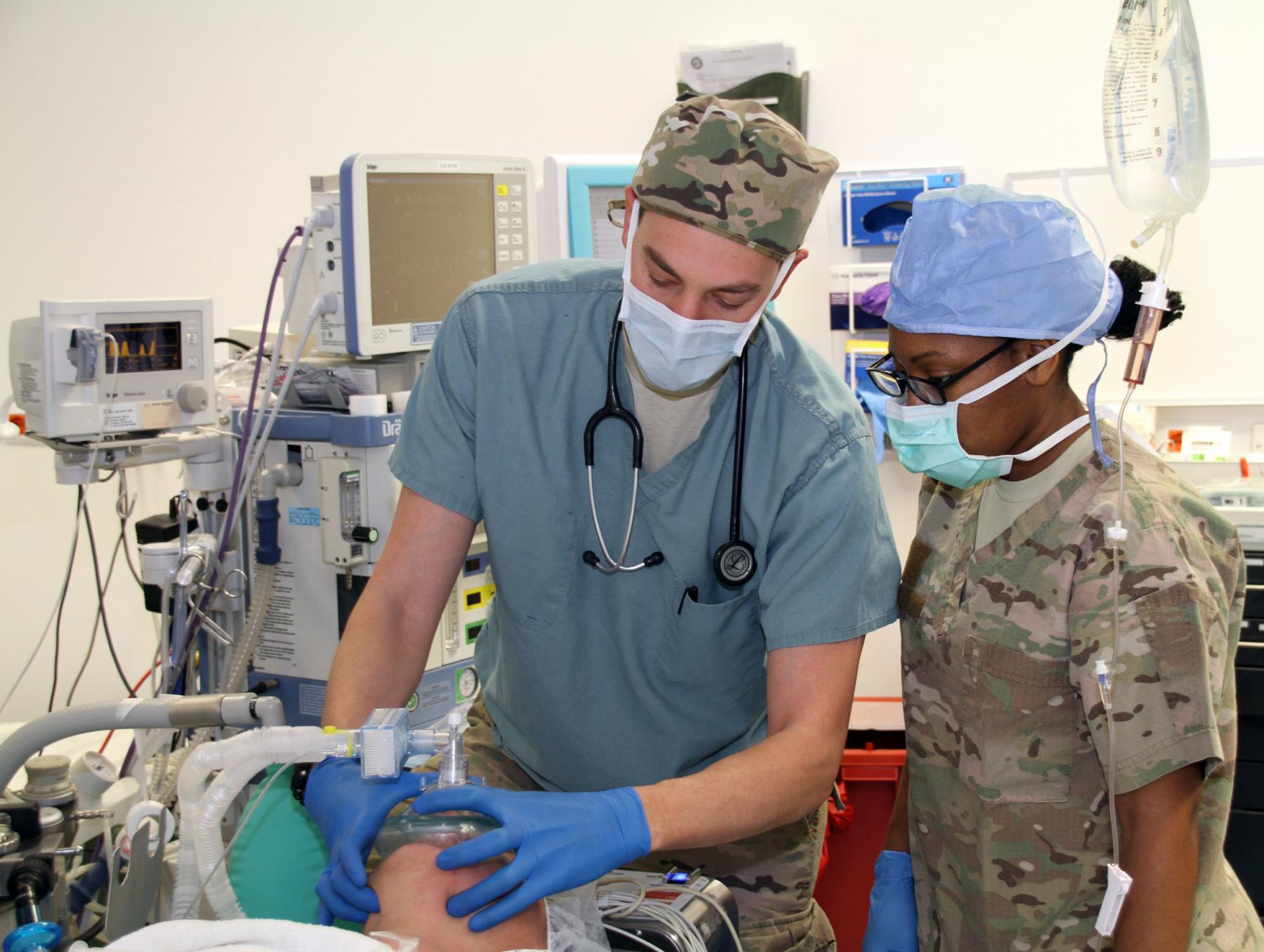
The evolution of this field has been inextricably linked to the trajectory of medical technology. As surgical procedures become more complex, the tech required to keep a patient stable—monitoring vital signs, managing neural pathways, and automating drug delivery—has reached a level of sophistication that rivals aerospace engineering. To understand the modern anesthesiologist is to understand the cutting-edge tech stack of the operating room.
The Digital Operating Room: Precision Monitoring and IoT
At the core of an anesthesiologist’s workflow is the “Anesthesia Workstation.” Far from being a simple gas delivery system, it is now a centralized hub of Internet of Things (IoT) connectivity and advanced physiological monitoring. The primary responsibility of the anesthesiologist is to interpret the massive influx of data from these machines to make split-second clinical decisions.
Advanced Hemodynamic Monitoring Systems
One of the most significant tech leaps in anesthesia is the move from invasive to non-invasive hemodynamic monitoring. Traditionally, measuring cardiac output or stroke volume required the insertion of invasive catheters. Today, anesthesiologists utilize advanced sensors that employ esophageal Doppler technology or finger-cuff pulse contour analysis. These devices feed data into proprietary algorithms that provide a real-time “digital twin” of the patient’s cardiovascular system. By analyzing these waveforms, the anesthesiologist can predict a drop in blood pressure before it actually occurs, allowing for preemptive intervention.
Real-Time Data Visualization and Integration
The modern workstation integrates multiple data streams into a single graphical user interface (GUI). Anesthesiologists use high-resolution displays to monitor everything from oxygen saturation (SpO2) and end-tidal CO2 to the Bispectral Index (BIS), which measures the depth of anesthesia by analyzing EEG waveforms. The tech allows for “smart alarms” that use multi-parametric logic; instead of a simple beep for a low heart rate, the system cross-references multiple vitals to determine the severity of the trend, reducing “alarm fatigue” and enhancing patient safety.
Artificial Intelligence and Predictive Analytics in Perioperative Care
Perhaps the most transformative aspect of what an anesthesiologist does today involves the integration of Artificial Intelligence (AI) and Machine Learning (ML). These tools are no longer futuristic concepts; they are active participants in the perioperative period, assisting the physician in risk stratification and pharmacological management.
AI-Driven Risk Assessment and Patient Profiling
Before a patient ever reaches the operating table, anesthesiologists utilize sophisticated software to analyze Electronic Health Records (EHR). AI algorithms can scan thousands of data points—previous reactions to medication, genetic markers, and historical lab results—to calculate a personalized risk score. This tech identifies “silent” comorbidities that a human review might miss, allowing the anesthesiologist to tailor the anesthetic plan to the patient’s specific digital profile. This is the epitome of “Precision Medicine” enabled by big data.
Automated Sedation and Target-Controlled Infusion (TCI)
The administration of drugs has shifted from manual calculations to the use of Target-Controlled Infusion (TCI) systems. These are specialized computer programs that incorporate complex pharmacokinetic and pharmacodynamic models. The anesthesiologist inputs the patient’s age, weight, and desired plasma concentration of a drug (like Propofol), and the software manages the infusion pump to maintain that exact level. We are also seeing the emergence of “closed-loop” systems—effectively an “autopilot” for anesthesia—where the monitor detects the patient’s depth of sleep and automatically adjusts the drug dosage in real-time without manual input, overseen by the anesthesiologist as the systems commander.

Specialized Software and Digital Security in Anesthesia
The shift from paper charts to Digital Health has fundamentally changed the administrative and safety protocols of anesthesia. The modern anesthesiologist spends a significant portion of their day interacting with specialized Software-as-a-Service (SaaS) platforms designed for the high-pressure environment of the OR.
Electronic Anesthesia Records (EAR) and Interoperability
The Electronic Anesthesia Record (EAR) is the digital backbone of the procedure. It automatically captures data from the anesthesia machine, the monitors, and the infusion pumps at intervals as frequent as every few seconds. This tech ensures a degree of accuracy that manual charting could never achieve. Furthermore, the focus on “interoperability” means this data is immediately accessible to the post-anesthesia care unit (PACU) and the intensive care unit (ICU), ensuring a seamless digital handoff that minimizes the risk of information loss.
Cybersecurity and Protecting Patient Data in Critical Care
As anesthesia equipment becomes more connected, the anesthesiologist’s role has expanded to include a basic understanding of digital security. Medical devices are now endpoints in a hospital’s network, making them potential targets for cyberattacks. Modern anesthesiology departments work closely with IT professionals to ensure that the firmware of ventilators and monitors is patched and that the data transmission between the OR and the cloud is encrypted. Ensuring that a life-support machine cannot be compromised by malware is a contemporary extension of the anesthesiologist’s duty to “do no harm.”
Simulation Tech and the Future of Anesthesiology Education
The way anesthesiologists learn and maintain their skills is also a product of high-tech innovation. Because anesthesia is often described as “hours of boredom punctuated by moments of sheer terror,” the ability to practice for rare, life-threatening emergencies is vital.
VR and AR in Procedural Training
Virtual Reality (VR) and Augmented Reality (AR) are becoming standard in anesthesiology training. Using VR headsets, residents can step into a 360-degree digital operating room to practice managing a “malignant hyperthermia” crisis or a “difficult airway” scenario. AR is also being used during live procedures; some anesthesiologists use AR glasses to overlay ultrasound imagery directly onto a patient’s limb during a nerve block, allowing them to “see” through the skin to guide a needle with sub-millimeter precision.
The Rise of Closed-Loop Systems and Robotics
Looking forward, the tech niche of anesthesiology is moving toward robotics. While a robot may not “replace” the anesthesiologist, robotic assistants are being developed to perform intubations—the placement of a breathing tube—using laser-guided sensors and video-laryngoscopy tech. This reduces the mechanical trauma to the patient and increases the success rate on the first attempt. The anesthesiologist of the future will likely act as the “Director of Operations” for a suite of semi-autonomous robotic and software systems, managing the high-level strategy while the tech handles the granular execution.

Conclusion: The Anesthesiologist as a Tech Power-User
To ask “what does an anesthesiologist do” in the 21st century is to explore the limits of medical technology. They are the primary users of some of the most advanced hardware and software in the healthcare industry. By leveraging IoT monitoring, AI-driven predictive analytics, and sophisticated digital recording systems, they have transformed anesthesia from a high-risk specialty into one of the safest branches of medicine.
The modern anesthesiologist is far more than a physician; they are a tech-savvy guardian of patient safety, navigating a sea of data and digital tools to ensure that every patient returns safely from the brink of unconsciousness. As technology continues to evolve—moving toward more automated, AI-integrated, and data-rich environments—the role of the anesthesiologist will only become more central to the technological heartbeat of the hospital.
aViewFromTheCave is a participant in the Amazon Services LLC Associates Program, an affiliate advertising program designed to provide a means for sites to earn advertising fees by advertising and linking to Amazon.com. Amazon, the Amazon logo, AmazonSupply, and the AmazonSupply logo are trademarks of Amazon.com, Inc. or its affiliates. As an Amazon Associate we earn affiliate commissions from qualifying purchases.