
In the modern digital landscape, we often take for granted the seamless flow of data that powers our lives. Whether it is a high-speed video conference, a secure banking transaction, or a massive data transfer between cloud servers, the underlying infrastructure relies on a specific type of professional: the network engineer. While software developers build the applications we use and data scientists interpret the information we generate, network engineers are the architects and guardians of the digital highways that allow this data to travel.
The role of a network engineer has evolved significantly from the days of simply running Ethernet cables and configuring basic switches. Today, it is a multidisciplinary field that intersects with cybersecurity, cloud computing, and artificial intelligence. Understanding what a network engineer does requires a deep dive into the technical layers of modern communication.

The Core Responsibilities: Designing and Maintaining the Digital Backbone
At its most fundamental level, a network engineer is responsible for the design, implementation, and maintenance of a company’s communication networks. This includes Local Area Networks (LANs), Wide Area Networks (WANs), and the increasingly complex hybrid environments that bridge the two.
Designing and Implementing Network Infrastructure
Before a single packet of data is sent, a network engineer must design the blueprint of the network. This involves mapping out the physical and logical topology. In a corporate environment, this means determining where routers and switches will live, how they will be interconnected to ensure maximum uptime, and how the network will scale as the company grows. Engineers use specialized software to simulate traffic patterns and identify potential bottlenecks before the hardware is ever installed.
Managing Hardware: Routers, Switches, and Firewalls
The physical layer of networking involves high-performance hardware that requires expert configuration. Network engineers work with enterprise-grade equipment from vendors like Cisco, Juniper, and Arista. A switch handles data within a single network, while a router directs traffic between different networks. Firewalls, acting as the first line of defense, must be precisely configured to allow legitimate traffic while blocking malicious attempts. The engineer ensures that every piece of hardware is running the latest firmware and is optimized for the specific needs of the organization.
Configuration and Protocol Management
Beyond the physical hardware, the “logic” of the network is governed by protocols. A network engineer must be a master of the OSI (Open Systems Interconnection) model. They configure routing protocols such as OSPF (Open Shortest Path First) for internal networks and BGP (Border Gateway Protocol) for managing how the organization connects to the broader internet. They also manage IP addressing schemes, ensuring that every device on the network has a unique and reachable identity through IPv4 or the more modern IPv6.
Ensuring Reliability and Performance Optimization
A network is only as good as its uptime. For many modern businesses, even a few minutes of network downtime can result in massive operational disruptions. Consequently, a significant portion of a network engineer’s day is dedicated to proactive monitoring and rapid troubleshooting.
Network Monitoring and Troubleshooting
Network engineers use sophisticated monitoring tools—such as SolarWinds, Nagios, or PRTG—to keep a pulse on the health of the infrastructure. These tools provide real-time data on bandwidth usage, CPU load on routers, and port status. When a “hiccup” occurs, engineers use diagnostic tools like Wireshark to perform packet analysis. By capturing and inspecting the actual data packets moving across the wire, they can pinpoint exactly where a connection is failing or why an application is lagging.
Latency Reduction and Bandwidth Management
In the age of real-time applications like VoIP and high-definition streaming, latency is the enemy. Network engineers perform Quality of Service (QoS) configurations to prioritize critical traffic. For example, they might configure the network to ensure that voice traffic is processed before a large file download, preventing “jitter” or dropped calls. They also manage bandwidth allocation, ensuring that high-demand departments have the resources they need without starving others.
Disaster Recovery and Redundancy Planning
High availability is a hallmark of professional network engineering. This involves building redundancy into every layer of the network. If a primary router fails, a secondary one should instantly take over (a process known as failover). Engineers design these “self-healing” networks by implementing protocols like HSRP (Hot Standby Router Protocol) or by using diverse physical paths for fiber-optic connections to ensure that a single cut cable doesn’t take down the entire enterprise.
The Intersection of Networking and Digital Security
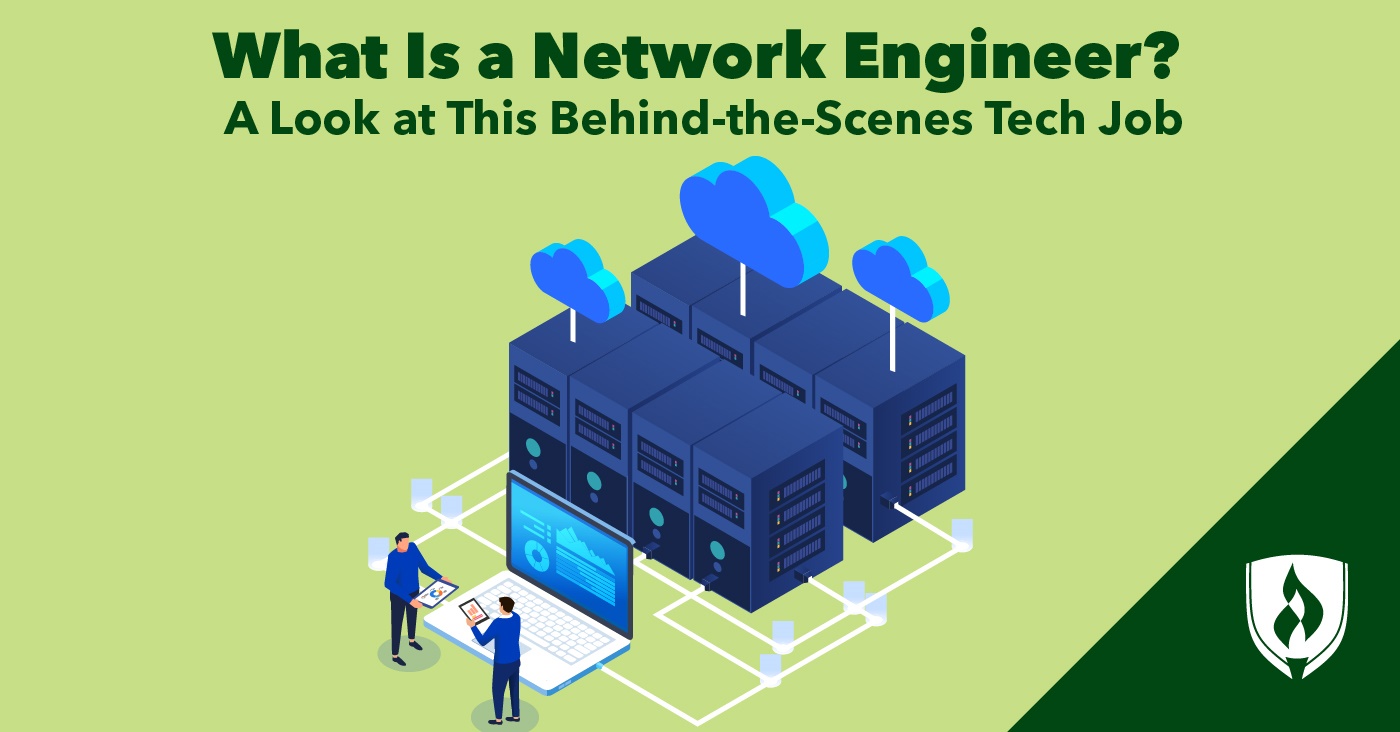
In the current era of frequent cyberattacks, the roles of the network engineer and the security professional have merged into a discipline often referred to as NetSec. A network engineer is the primary gatekeeper of an organization’s digital perimeter.
Implementing Robust Security Protocols
Security starts at the network level. Engineers implement Access Control Lists (ACLs) to define exactly who can access specific parts of the network. They segment networks using Virtual LANs (VLANs), ensuring that a guest on the office Wi-Fi cannot access the sensitive financial servers. By creating these internal barriers, network engineers limit the “blast radius” of potential security breaches.
VPNs, Intrusion Detection, and Access Control
With the rise of remote work, network engineers have become responsible for maintaining secure tunnels into the corporate network. They deploy and manage Virtual Private Networks (VPNs) using IPsec or SSL/TLS protocols to ensure that data remains encrypted as it travels over the public internet. Furthermore, they often manage Intrusion Detection Systems (IDS) and Intrusion Prevention Systems (IPS) that scan network traffic for signatures of known malware or suspicious behavior.
Securing the Edge in a Distributed Work Environment
As the “perimeter” of the network moves away from the office building and into the homes of employees, engineers are adopting Zero Trust architectures. In this model, the network engineer assumes that no device is safe by default. They implement rigorous identity-based access controls, ensuring that authentication happens at every step of the network journey, rather than just at the front door.
Modern Trends: Cloud Networking and SD-WAN
The shift from on-premise data centers to the cloud has fundamentally changed what it means to be a network engineer. Today’s engineers must be as comfortable with virtualized environments as they are with physical hardware.
Transitioning from On-Premise to Cloud Architecture
Modern network engineers spend a significant amount of time in cloud environments like AWS, Microsoft Azure, or Google Cloud. They create Virtual Private Clouds (VPCs), configure cloud-based load balancers, and establish “Direct Connect” or “ExpressRoute” links—dedicated physical connections between an office and a cloud provider. This hybrid-cloud networking requires a deep understanding of how to bridge legacy local infrastructure with scalable cloud resources.
Software-Defined Networking (SDN)
Perhaps the biggest shift in the industry is Software-Defined Networking. Historically, if an engineer wanted to change a network setting across 50 locations, they had to log into 50 different routers. With SDN, the control plane is separated from the hardware. This allows the network engineer to manage the entire network through a centralized software interface. This shift toward “programmable networks” has made the environment much more agile and responsive to business needs.
Integrating IoT and 5G Infrastructure
The explosion of Internet of Things (IoT) devices—from smart sensors in factories to connected medical devices—has added millions of new endpoints to corporate networks. Network engineers must design architectures that can handle this massive influx of connections without compromising security. Furthermore, the rollout of 5G is allowing engineers to use cellular data as a primary or high-speed backup link for remote sites, adding another layer of complexity to the wide-area network.
The Future of Networking: AI and Automation
As networks grow in complexity, they are becoming too large for humans to manage manually. The future of the network engineer lies in automation and the integration of artificial intelligence.
Network Automation and Python Scripting
The modern network engineer is increasingly becoming a “NetDevOps” professional. Rather than manually typing commands into a terminal, they write scripts in languages like Python to automate repetitive tasks. Using tools like Ansible, Terraform, or Puppet, they can deploy entire network configurations in minutes. This reduces human error—the leading cause of network outages—and allows engineers to focus on high-level strategy rather than mundane maintenance.
AIOps: Using Artificial Intelligence for Predictive Maintenance
Artificial Intelligence for IT Operations (AIOps) is transforming how networks are monitored. Advanced algorithms can now analyze years of network data to predict when a piece of hardware is likely to fail or when a surge in traffic will occur. Network engineers use these AI insights to perform “predictive maintenance,” fixing problems before they even impact the end-user.

The Shift Toward Intent-Based Networking (IBN)
The ultimate goal of modern networking is Intent-Based Networking. In this paradigm, the engineer tells the network “intent”—for example, “ensure the accounting department has 100% uptime and encrypted traffic.” The network software then automatically determines the best way to configure the hardware and protocols to meet that goal. While this sounds like science fiction, it is the direction the industry is moving, requiring engineers to evolve from “configurers” to “policy orchestrators.”
In conclusion, a network engineer is far more than someone who “fixes the internet” when it goes down. They are the strategic planners, the security guards, and the automation experts who ensure that our digital world remains connected, fast, and secure. As technology continues to advance, the role will only become more vital, serving as the silent foundation upon which all other digital innovations are built.
aViewFromTheCave is a participant in the Amazon Services LLC Associates Program, an affiliate advertising program designed to provide a means for sites to earn advertising fees by advertising and linking to Amazon.com. Amazon, the Amazon logo, AmazonSupply, and the AmazonSupply logo are trademarks of Amazon.com, Inc. or its affiliates. As an Amazon Associate we earn affiliate commissions from qualifying purchases.