
Roses, with their intoxicating fragrance and delicate beauty, have captivated humanity for millennia. Beyond their aesthetic appeal, these iconic flowers are steeped in a rich tapestry of symbolism, making them potent tools in the realm of branding. From conveying passion and love to signifying purity and new beginnings, the nuanced meanings associated with roses offer brands a versatile and enduring language to connect with their audiences on an emotional level. Understanding these representations is crucial for marketers, designers, and strategists aiming to imbue their products, services, and corporate identities with layers of meaning and resonance.

The Multifaceted Language of Rose Colors: A Palette for Brand Identity
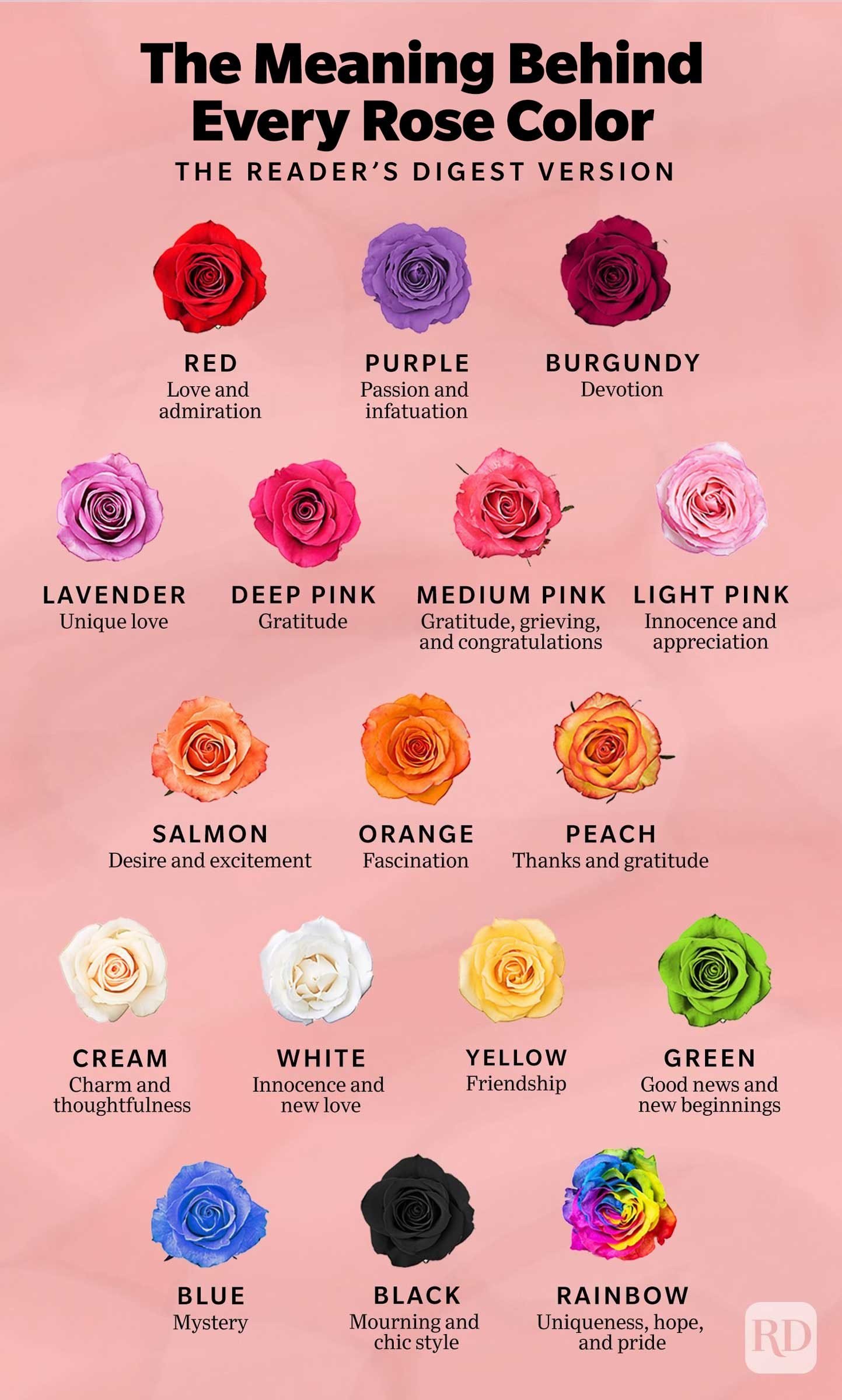
The specific hue of a rose is far from incidental; it unlocks a distinct set of symbolic associations that can be strategically deployed in branding. Each color offers a unique narrative, allowing brands to tailor their message to precise emotional and psychological triggers. This chromatic language is a powerful instrument for shaping perception and forging a distinct identity in a crowded marketplace.
Red Roses: The Timeless Emblem of Passion and Desire
Red is arguably the most universally recognized color of the rose, and its symbolic weight in branding is immense. It speaks directly to the core human emotions of love, passion, romance, and desire. For brands, particularly those in the luxury goods, beauty, or hospitality sectors, a red rose motif can immediately signal sensuality, intensity, and a commitment to exquisite experiences.
- Conveying Romance and Affection: In marketing campaigns, a red rose can be used to evoke a sense of deep affection and enduring love, making it a staple for brands associated with gifts, anniversaries, or romantic occasions. It creates an immediate emotional anchor, tapping into consumers’ desires for connection and emotional fulfillment.
- Signifying Courage and Respect: Beyond romantic connotations, red also represents courage, respect, and admiration. Brands aiming to highlight strength, leadership, or a pioneering spirit might subtly incorporate red roses to communicate these underlying values. This dual symbolism allows for a more sophisticated brand narrative, appealing to both emotional depth and aspirational qualities.
- A Bold Statement of Luxury: The inherent opulence and richness associated with deep red make it a natural fit for luxury brands. It suggests exclusivity, indulgence, and a premium quality that resonates with consumers seeking the finest. Think of high-end chocolates, fine jewelry, or exclusive perfume lines where the red rose can serve as a visual shorthand for sophisticated pleasure.
Pink Roses: Nuances of Grace, Admiration, and Sweetness
Pink roses offer a softer, more delicate spectrum of meaning, making them ideal for brands that wish to convey gentleness, appreciation, and nascent emotions. The range of pinks, from soft pastels to vibrant fuchsias, further refines this symbolism, allowing for a nuanced approach to brand messaging.
- Expressing Gratitude and Admiration: Lighter shades of pink, such as blush or baby pink, are often associated with gratitude, joy, and admiration. Brands that focus on customer appreciation, loyalty programs, or services that bring happiness might find pink roses an apt representation of their ethos. This can foster a sense of warmth and genuine connection with their clientele.
- The Sweetness of First Love and New Beginnings: Pink can also signify the tender emotions of first love, innocence, and new beginnings. For brands targeting younger demographics, or those launching new products or initiatives, pink roses can symbolize hope, optimism, and the excitement of something fresh and promising. This makes them a fitting choice for skincare, confectionery, or lifestyle brands emphasizing youthful exuberance.
- Femininity and Elegance: Across various cultures, pink is strongly linked to femininity, grace, and elegance. Brands that cater to a female audience, or those seeking to project an image of refined beauty and sophistication, can effectively leverage pink roses in their visual branding. This could range from fashion labels to cosmetic companies aiming to evoke a sense of effortless charm.
White Roses: Purity, Innocence, and New Beginnings
White roses stand as a pristine canvas of meaning, representing purity, innocence, spiritual devotion, and new beginnings. Their clean, unadorned beauty makes them a powerful symbol for brands that aim to communicate sincerity, integrity, and a fresh start.
- Embodying Purity and Sincerity: In branding, white roses can convey a sense of transparency, honesty, and unblemished quality. This is particularly effective for brands in the healthcare, wellness, or ethical consumer goods sectors, where trust and authenticity are paramount. A white rose motif can assure consumers of the brand’s commitment to genuine values and high standards.
- Symbolizing New Chapters and Fresh Starts: The association of white roses with new beginnings makes them an excellent choice for brands that represent transformation, renewal, or the launch of something novel. Think of services focused on personal growth, educational institutions, or even interior design firms that help clients redefine their spaces.
- A Nod to Spiritual and Heavenly Qualities: White also carries connotations of spirituality, peace, and the divine. Brands that align with spiritual practices, mindfulness, or that seek to evoke a sense of tranquility and higher purpose might find white roses a fitting emblem. They can lend an air of serenity and profound meaning to a brand’s identity.
Yellow Roses: Friendship, Joy, and Warmth
Yellow roses, often associated with sunshine and cheerfulness, represent friendship, joy, and platonic love. While they can also sometimes carry undertones of jealousy, their primary association in branding is overwhelmingly positive, focusing on happiness and camaraderie.
- Celebrating Friendship and Camaraderie: For brands that foster community, encourage social interaction, or offer products that enhance shared experiences, yellow roses are a natural fit. They evoke the warmth of companionship and the pleasure of shared moments, making them ideal for social platforms, event organizers, or brands that focus on connection.
- Radiating Happiness and Optimism: The bright, cheerful nature of yellow is intrinsically linked to happiness and optimism. Brands that aim to lift spirits, promote positivity, or offer solutions that bring joy can effectively use yellow roses to communicate this uplifting message. This is particularly relevant for brands in the entertainment, leisure, or children’s product sectors.
- A Symbol of Enduring Friendship: Yellow roses signify the enduring bonds of friendship, making them a strong symbol for brands that value loyalty and long-term relationships. This can be applied to customer loyalty programs, financial institutions that aim for long-term client partnerships, or any brand that emphasizes trust and steadfastness.
Roses in Brand Storytelling and Visual Identity
The symbolic meanings of roses are not merely decorative; they are deeply embedded in the narrative and visual language of brands. Their application goes beyond a simple logo, influencing packaging, marketing collateral, and the overall emotional resonance of a brand’s presence.
Logos and Emblems: Instilling Immediate Meaning
A rose, or elements thereof, can serve as a powerful and instantly recognizable logo. Its inherent beauty and multifaceted symbolism allow brands to communicate core values and aspirations at a glance.
- Creating a Memorable Visual Anchor: A well-designed rose logo can become a strong visual anchor for a brand. Its organic form and familiar presence make it easily memorable and distinguishable from competitors. This visual cue can instantly evoke the intended brand attributes, whether it’s romance, purity, or friendship, depending on the color and style.
- Communicating Brand Heritage and Craftsmanship: In certain industries, particularly those with a long history, a rose motif can subtly suggest tradition, craftsmanship, and enduring quality. It hints at a lineage of care and attention to detail, imbuing the brand with a sense of timelessness and heritage.
- Evoking Specific Emotional Responses: The choice of rose in a logo is deliberate. A stylized red rose might be used by a dating app to signify romance, while a minimalist white rose could be adopted by a skincare brand promoting natural purity. The visual representation directly triggers the desired emotional response from the target audience.
Packaging and Product Design: A Tactile and Visual Connection
The integration of rose imagery into packaging and product design creates a tangible and sensory connection with consumers, enhancing the perceived value and emotional appeal of the offering.
- Elevating Perceived Value and Sophistication: The inherent elegance of roses can instantly elevate the perceived value of a product. Whether printed on a box, embossed on a label, or used as a recurring motif, rose imagery suggests a higher degree of care, luxury, and attention to detail, making the product more desirable.
- Reinforcing Brand Narratives: Packaging is often the first physical touchpoint a consumer has with a brand. Using rose imagery on packaging can visually reinforce the brand’s story and values. For instance, a tea brand using delicate pink roses on its packaging might be communicating a message of gentle relaxation and self-care.
- Creating a Sensory Experience: Beyond visual appeal, the association with roses can also evoke a sensory experience for the consumer. The scent of roses is often linked to perfumes and luxury soaps, but the visual representation can trigger anticipatory sensory pleasure, enhancing the overall brand experience.
Marketing Campaigns and Advertising: Weaving Emotional Threads
Roses are a perennial favorite in marketing campaigns due to their ability to convey complex emotions and create compelling narratives that resonate deeply with audiences.
- Building Emotional Resonance: Marketing campaigns that feature roses are designed to tap into universal human emotions. Whether it’s a commercial showcasing a red rose to evoke passion or a print ad using white roses for a message of new beginnings, the flower acts as an emotional catalyst, forging a stronger connection between the brand and its consumers.
- Enhancing Brand Recall and Memorability: The striking imagery of roses makes them highly effective in enhancing brand recall. A campaign featuring a distinctive rose motif is more likely to stick in the minds of consumers, ensuring that the brand remains top-of-mind when purchasing decisions are made.
- Differentiating Through Unique Symbolism: In a crowded market, brands need to find ways to stand out. By strategically employing the specific symbolism of different rose colors, brands can communicate unique value propositions and differentiate themselves from competitors who may rely on more generic imagery.
The Strategic Advantage of Rose Symbolism in Modern Branding
In today’s competitive landscape, brands are constantly seeking deeper, more meaningful ways to connect with their audiences. The enduring symbolism of roses provides a rich and versatile foundation for building such connections, offering a timeless yet adaptable language that speaks directly to the human heart.
Cultivating Brand Loyalty Through Emotional Connection
The power of roses lies in their ability to evoke strong emotional responses. Brands that successfully leverage this symbolism can foster a deeper, more loyal customer base. When consumers feel an emotional connection to a brand, they are more likely to become repeat purchasers and vocal advocates.
- Building Trust and Authenticity: Brands that use rose symbolism to represent purity, sincerity, or heartfelt admiration can build a perception of trust and authenticity. Consumers are more inclined to support brands they believe are genuine and operate with integrity.
- Creating Memorable Brand Experiences: The emotional resonance created by rose symbolism contributes to memorable brand experiences. Whether it’s the delight of receiving a product packaged with elegant rose motifs or the inspiration drawn from a campaign featuring the flower, these positive associations strengthen the brand-consumer relationship.
- Fostering a Sense of Community: Brands that use roses to symbolize friendship and joy can cultivate a sense of community among their customers. This can be achieved through shared online experiences, customer loyalty programs, or events that bring like-minded individuals together.
Adapting Rose Symbolism for Diverse Brand Needs
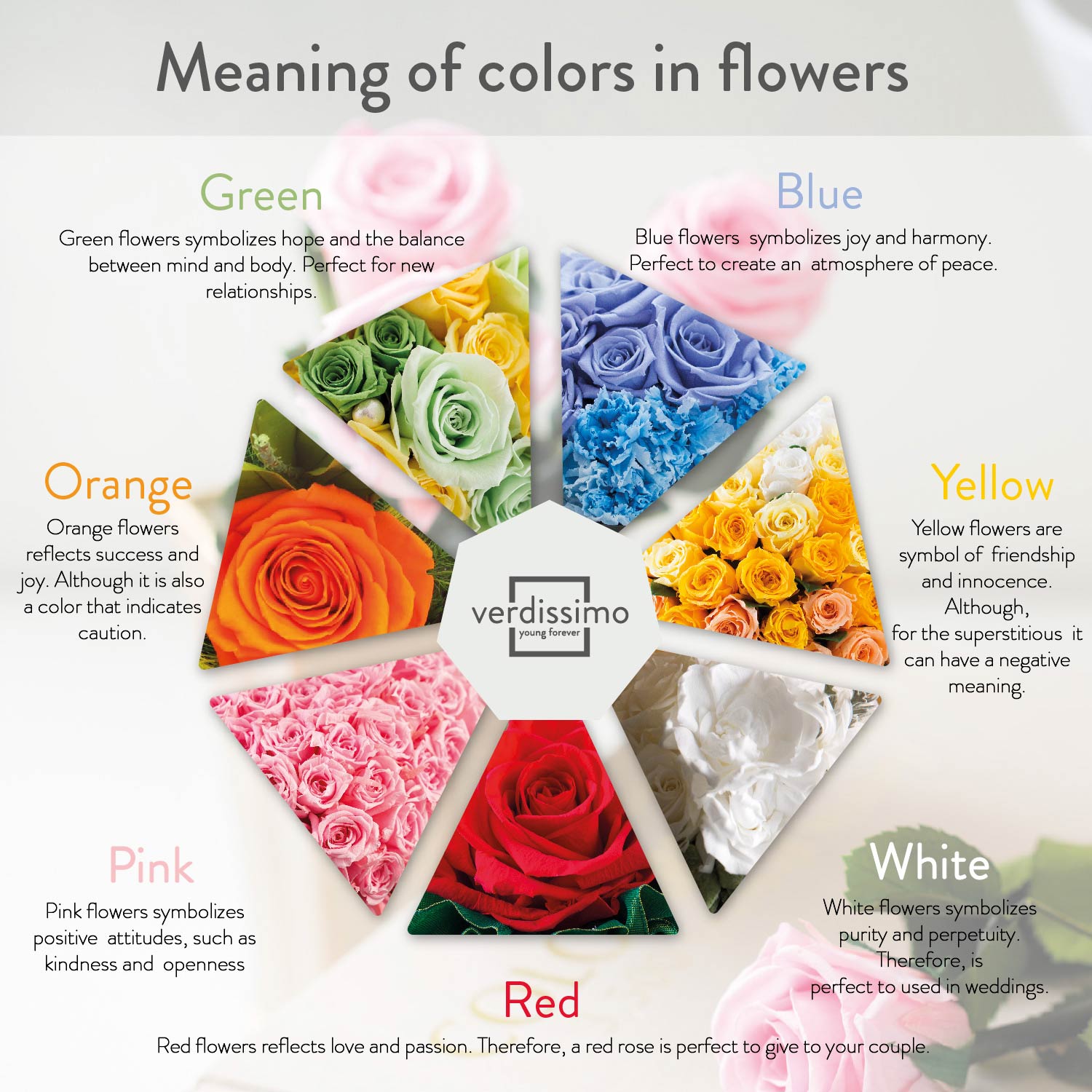
The beauty of rose symbolism lies in its adaptability. Whether a brand seeks to project power and passion or gentleness and new beginnings, there is a rose color and context to suit its needs. This flexibility allows brands of all types and in all sectors to harness the flower’s symbolic power.
- Luxury Goods and High-End Services: Red and deep pink roses are often employed by luxury brands to signify opulence, passion, and exclusive desirability. Their use conveys a sense of indulgence and sophisticated pleasure that appeals to affluent consumers.
- Wellness and Healthcare Brands: White and pale pink roses can be highly effective for brands in the wellness and healthcare sectors, communicating purity, healing, peace, and new beginnings. They offer a sense of calm and trustworthiness, crucial in these industries.
- Lifestyle and Consumer Products: Yellow and vibrant pink roses are well-suited for lifestyle brands, confectionery, and products aimed at younger demographics, conveying happiness, friendship, and youthful energy. They bring a sense of joy and approachability.
The Enduring Relevance of Nature in Digital Branding
In an increasingly digital world, the incorporation of natural elements like roses serves as a vital counterpoint, grounding brands in tangible, universally understood symbols. The timeless appeal of flowers transcends fleeting digital trends, offering a stable and enduring foundation for brand identity.
- Connecting with Universal Human Experiences: Roses represent fundamental human emotions and experiences that are timeless and cross-cultural. This universal appeal makes them a powerful tool for brands seeking to resonate with a broad audience, regardless of demographic or geographic location.
- Adding Authenticity and Depth: The use of natural imagery like roses can lend a sense of authenticity and depth to digital branding. It provides a tangible, organic element that can feel more genuine and less manufactured than purely abstract or digitally generated imagery.
- Creating an Emotional Bridge: In the digital space, where direct sensory experiences are limited, symbolic imagery becomes crucial for building emotional connections. Roses act as an emotional bridge, translating abstract brand values into relatable feelings and aspirations for consumers.
In conclusion, the seemingly simple rose is an extraordinarily potent symbol in the arsenal of brand strategists and designers. Its diverse palette of colors, each laden with distinct meanings, offers a rich vocabulary for crafting compelling brand identities, communicating core values, and forging deep emotional connections with consumers. By understanding and strategically deploying the multifaceted symbolism of roses, brands can cultivate loyalty, differentiate themselves in the market, and leave an enduring, evocative impression on their audience. The rose, in its timeless beauty and profound meaning, continues to be a cornerstone of effective and emotionally resonant branding.
aViewFromTheCave is a participant in the Amazon Services LLC Associates Program, an affiliate advertising program designed to provide a means for sites to earn advertising fees by advertising and linking to Amazon.com. Amazon, the Amazon logo, AmazonSupply, and the AmazonSupply logo are trademarks of Amazon.com, Inc. or its affiliates. As an Amazon Associate we earn affiliate commissions from qualifying purchases.