
While Robert De Niro’s public persona is inextricably linked to his legendary acting career and his outspoken political commentary, a deeper dive into his financial life reveals a shrewd investor and entrepreneur with a diverse portfolio. Beyond the silver screen, De Niro has leveraged his considerable success to build a business empire, demonstrating a keen understanding of market trends and a strategic approach to wealth management. This exploration focuses on the financial aspects of Robert De Niro’s career, examining his investment strategies, his ventures beyond acting, and the principles that likely guide his financial decisions.

Investing in Tangible Assets and Real Estate Ventures
De Niro’s financial acumen is perhaps most evident in his strategic investments in real estate. Far from simply purchasing primary residences, he has actively engaged in developing and owning properties, recognizing the long-term value and potential for appreciation in carefully selected markets. This approach extends beyond personal holdings to encompass commercial and hospitality ventures, showcasing a broader understanding of the real estate market’s multifaceted opportunities.
The Tribeca Film Center and its Financial Impact
One of De Niro’s most significant entrepreneurial endeavors is his co-founding of Tribeca Productions and, subsequently, the Tribeca Film Center. While primarily a creative hub, the financial implications of these ventures are substantial. The Tribeca Film Center, in particular, has served as a cornerstone for revitalizing a significant district in New York City, attracting businesses, talent, and investment. The economic ripple effect generated by such a cultural and commercial anchor cannot be understated. De Niro’s involvement has not just been about artistic vision but also about understanding the economic viability of such projects. This involves site selection, securing financing, managing development costs, and ultimately, ensuring profitability through rental income, event hosting, and associated services. The success of the Tribeca Film Center is a testament to his ability to identify profitable opportunities within the creative and cultural sectors, translating artistic endeavors into tangible financial returns.
Hospitality Investments: Beyond the Silver Screen
De Niro’s foray into the hospitality industry is another key illustration of his diversified investment strategy. The acquisition and development of restaurants and hotels, such as the Nobu restaurant chain and the Greenwich Hotel in New York City, highlight a deliberate move into sectors with consistent consumer demand. These ventures require not only significant capital investment but also a deep understanding of operational management, customer service, and market positioning.
The Nobu Phenomenon: A Culinary Empire’s Financial Blueprint
The Nobu restaurant brand, co-owned by De Niro, is a prime example of a successful brand extension that leverages celebrity association with quality and exclusivity. The financial model behind Nobu is multi-faceted. It involves initial investment in prime real estate locations, the development of a unique culinary concept that commands premium pricing, and the meticulous management of supply chains and staffing. The brand’s global expansion further diversifies its revenue streams, with franchise agreements and licensing contributing to its overall financial success. De Niro’s role, while not necessarily hands-on in daily operations, has been instrumental in the brand’s initial vision, its strategic partnerships, and its ability to attract both diners and investors. The financial returns from Nobu have undoubtedly been a significant component of his wealth, demonstrating a successful transition from entertainment to a high-end hospitality empire.
The Greenwich Hotel: A Luxury Real Estate Proposition
The Greenwich Hotel represents a more direct real estate investment, focusing on the luxury hospitality sector. De Niro’s involvement here signifies an understanding of the high-net-worth individual market and the demand for exclusive accommodations. The financial success of such a venture is tied to occupancy rates, average daily rates, and the efficient management of operating expenses. Investments in luxury hotels often involve substantial upfront capital for construction or renovation, followed by ongoing costs for staffing, maintenance, and marketing. The Greenwich Hotel’s reputation for excellence and its prime location contribute to its ability to command high prices, making it a profitable asset within De Niro’s portfolio. This venture underscores his ability to identify and capitalize on niche markets within the broader real estate and hospitality landscape.
Diversifying Income Streams: Beyond Acting and Business Ownership

While his direct business ventures and real estate holdings are significant, Robert De Niro’s financial success is also augmented by a continued presence in the entertainment industry, albeit with a strategic approach to his roles and endorsements. His financial decision-making likely involves a calculated assessment of how each opportunity aligns with his established brand and his long-term financial goals.
Strategic Film Choices and Investment in Projects
De Niro’s selection of film roles has evolved over his career. While he has famously taken on more commercially driven roles, he has also continued to engage in independent projects and films that he has a personal interest in, often produced by his own company. This suggests a financial strategy that balances immediate income potential with long-term artistic and potentially profitable ventures that he believes in. Investing in films, especially through his own production company, can be a direct financial investment, with potential returns tied to box office performance, distribution rights, and ancillary revenues like streaming and home video sales. His discerning approach to script selection and his willingness to back projects that may be riskier but hold artistic merit reflect a broader financial philosophy that values both immediate gain and the potential for significant long-term rewards, even if those rewards are not solely monetary.
Endorsements and Brand Partnerships: A Calculated Approach
While not as prolific an endorser as some of his contemporaries, De Niro has selectively engaged in brand partnerships that align with his image and values. These endorsements can provide substantial supplementary income and are often strategically chosen to reinforce his personal brand, which itself is a valuable financial asset. The financial value of such partnerships is determined by the reach and impact of the endorsed brand, as well as De Niro’s own public profile and perceived credibility. A calculated approach to endorsements ensures that they are not only financially rewarding but also enhance his overall brand equity, which in turn can influence future business and investment opportunities. This demonstrates a sophisticated understanding of how to monetize his reputation in a way that feels authentic and adds value to both himself and the brands he associates with.
Financial Principles: Building and Preserving Wealth
The longevity and diversification of Robert De Niro’s financial success suggest a set of guiding principles focused on prudent management, long-term vision, and a calculated approach to risk. While specific details of his financial planning remain private, his career trajectory offers insights into his likely financial philosophy.
The Importance of Diversification
A core tenet of sound financial planning is diversification, and De Niro’s portfolio clearly embodies this principle. By investing across various sectors – real estate, hospitality, film production, and potentially other less visible ventures – he has mitigated the risks associated with over-reliance on any single income stream or asset class. This diversified approach ensures resilience in the face of market fluctuations and economic downturns, a strategy crucial for wealth preservation and growth over the long term.
Long-Term Vision and Strategic Investment
De Niro’s success in real estate and the enduring popularity of his hospitality ventures point towards a strategy centered on long-term value creation rather than short-term gains. The development of the Tribeca neighborhood, for instance, was a significant undertaking with a vision that extended far beyond immediate profitability. Similarly, building a restaurant empire like Nobu requires a sustained commitment to quality and brand development, yielding substantial returns over years, if not decades. This long-term perspective is a hallmark of successful investors who understand that true wealth accumulation often requires patience and strategic foresight.
Leveraging Brand Equity for Financial Gain
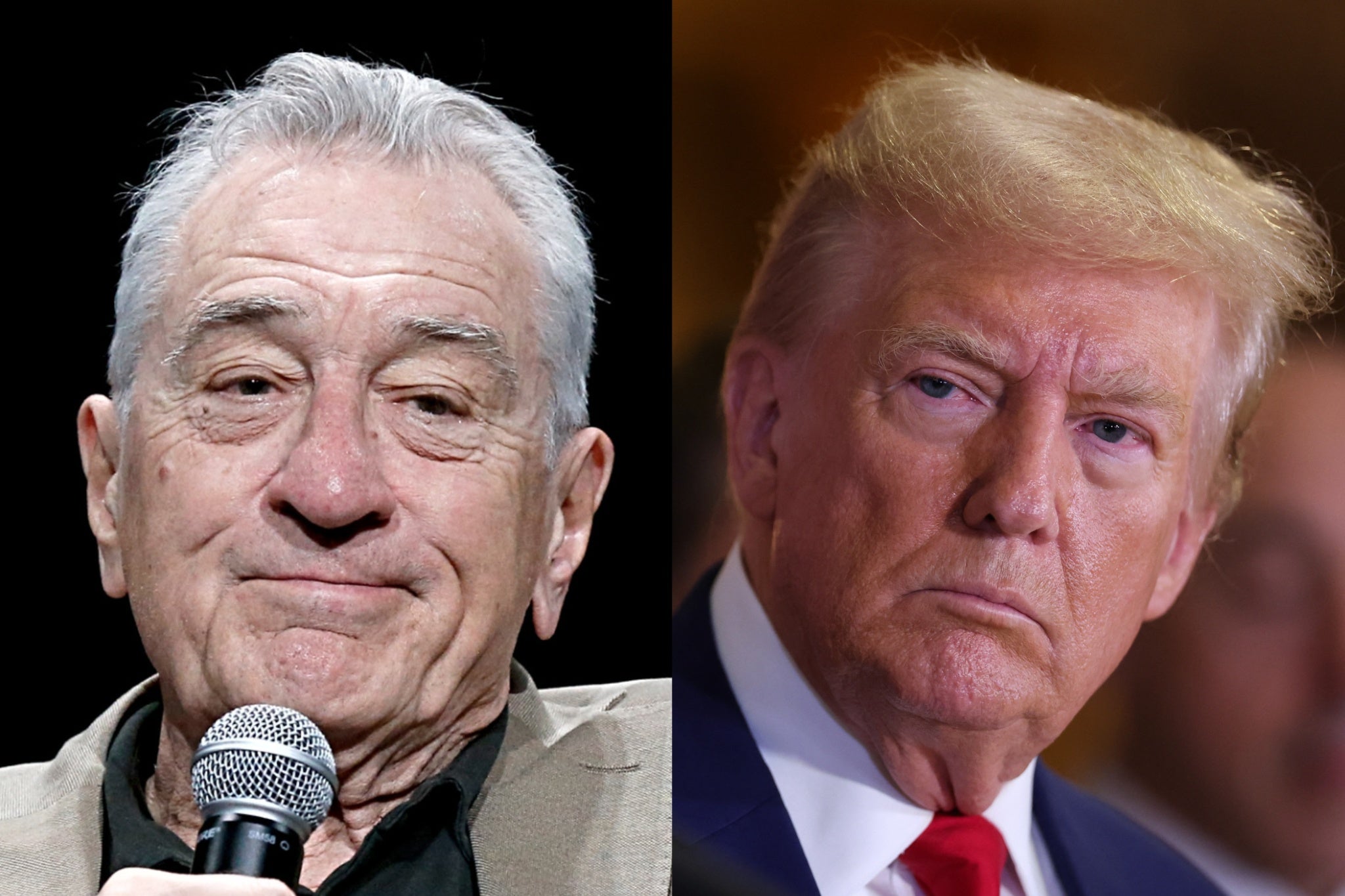
Robert De Niro’s personal brand is arguably one of his most valuable assets. His reputation for excellence, integrity, and gravitas has been meticulously cultivated throughout his acting career. This brand equity has been strategically leveraged to enhance the financial success of his business ventures, attract investment, and secure lucrative endorsements. The ability to translate a powerful personal brand into tangible financial benefits is a sophisticated financial skill, demonstrating an understanding of how reputation and public perception can be powerful drivers of economic value. His careful selection of projects and partnerships ensures that his brand remains strong and continues to be a source of financial opportunity.
aViewFromTheCave is a participant in the Amazon Services LLC Associates Program, an affiliate advertising program designed to provide a means for sites to earn advertising fees by advertising and linking to Amazon.com. Amazon, the Amazon logo, AmazonSupply, and the AmazonSupply logo are trademarks of Amazon.com, Inc. or its affiliates. As an Amazon Associate we earn affiliate commissions from qualifying purchases.