
Embarking on a career in therapy is a noble and deeply rewarding pursuit, offering the opportunity to positively impact lives by helping individuals navigate challenges, foster growth, and improve their mental well-being. However, the path to becoming a licensed therapist is a structured one, requiring specific educational qualifications and professional development. This journey often begins with a foundational question: “What degree do I need to be a therapist?” While the specifics can vary slightly depending on the jurisdiction and the precise type of therapy you wish to practice, a clear and consistent academic trajectory is essential. This article will delve into the educational landscape, outlining the degrees, specializations, and licensure requirements that form the bedrock of a successful and impactful career in therapy.

The Foundational Pillars: Undergraduate and Graduate Education
The road to becoming a therapist is paved with rigorous academic study, beginning with a bachelor’s degree and progressing to a master’s or doctoral degree. This multi-tiered approach ensures that aspiring therapists possess a comprehensive understanding of human psychology, developmental processes, therapeutic techniques, and ethical considerations.
The Bachelor’s Degree: Setting the Stage
While a bachelor’s degree alone does not qualify one to practice as a licensed therapist, it is an indispensable prerequisite. The most common undergraduate majors for those aspiring to a career in mental health include:
- Psychology: This is the most direct and popular route, providing a broad understanding of human behavior, cognition, and emotion. Core courses typically cover general psychology, social psychology, developmental psychology, abnormal psychology, and research methods. A psychology degree equips students with a strong theoretical framework and an introduction to empirical research, crucial for understanding therapeutic interventions.
- Sociology: A sociology major can offer valuable insights into the societal and cultural factors that influence mental health. Courses in social stratification, deviance, family dynamics, and community structures can provide a broader perspective on the contexts in which individuals experience distress.
- Social Work: Undergraduate social work programs often emphasize a systems approach, understanding individuals within their environments. This can be highly relevant for therapists who work with diverse populations or address issues stemming from social and economic disparities.
- Human Development and Family Studies: Majors in this area focus on the lifespan development of individuals and the complexities of family systems. This provides a solid understanding of the developmental stages and relational dynamics that often form the core of therapeutic work.
- Counseling: Some institutions offer undergraduate degrees specifically in counseling, providing an early introduction to counseling theories and techniques.
Regardless of the specific major, undergraduate studies should emphasize strong writing, critical thinking, and analytical skills. Participation in research projects, internships, or volunteer work within mental health settings during this period is highly beneficial, offering practical exposure and a clearer understanding of the field. It’s also crucial to maintain a strong GPA, as graduate school admissions are often competitive.
The Graduate Degree: The Gateway to Practice
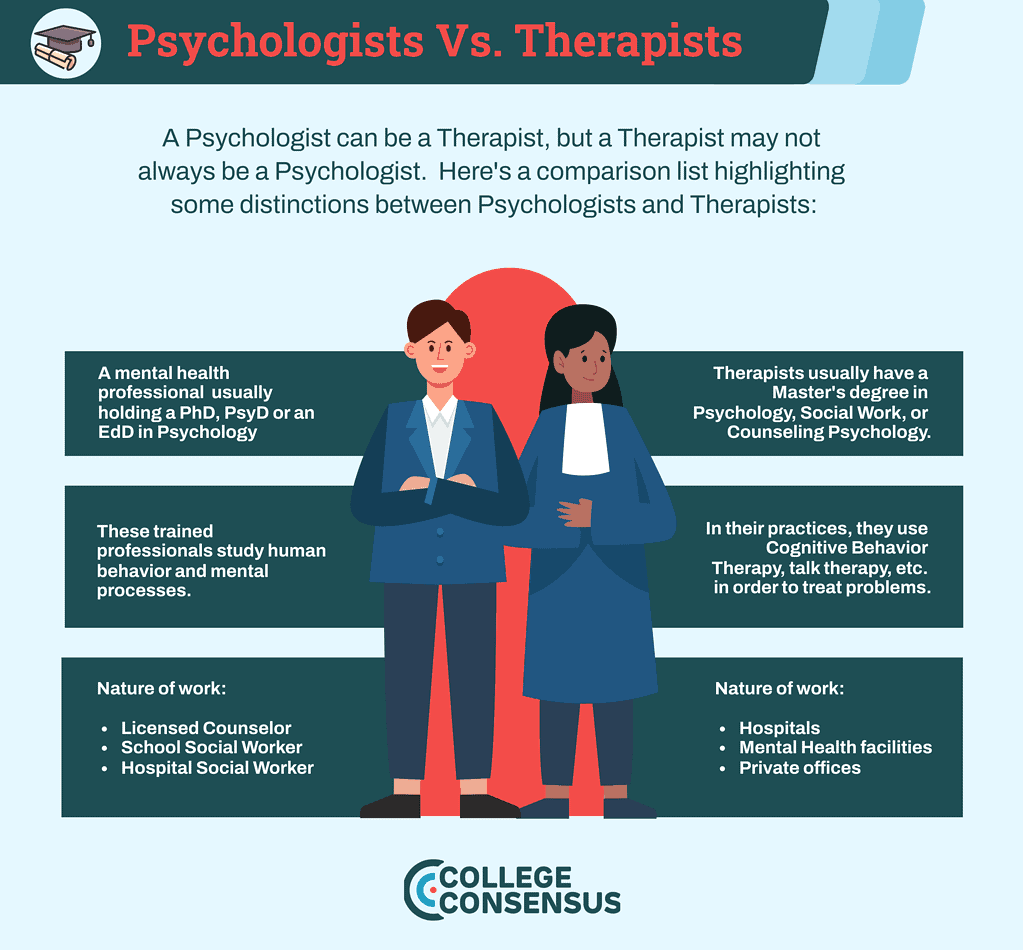
The master’s degree is the standard educational requirement for entry-level licensed therapists in most regions. These programs are highly specialized and provide the in-depth knowledge and practical skills necessary for clinical practice. The most common graduate degrees for therapists include:
- Master of Arts (MA) or Master of Science (MS) in Counseling Psychology: These programs offer a comprehensive curriculum in counseling theories, human development, psychopathology, ethics, and various therapeutic modalities. Students typically specialize in areas such as clinical mental health counseling, school counseling, or marriage and family therapy. The curriculum usually includes practicum and internship experiences under supervision.
- Master of Social Work (MSW): An MSW is a highly respected degree for aspiring therapists, particularly those interested in clinical social work. MSW programs emphasize a holistic, person-in-environment perspective, focusing on social justice, advocacy, and direct clinical practice. They often include specializations in mental health, child welfare, or medical social work. Like counseling degrees, MSW programs mandate supervised fieldwork.
- Master of Arts (MA) or Master of Science (MS) in Marriage and Family Therapy (MFT): This specialization focuses on the dynamics of relationships and family systems. MFT programs train therapists to address issues within the context of couples and families, utilizing systemic approaches and interventions.
- Master of Arts (MA) or Master of Science (MS) in Clinical Psychology: While some doctoral programs in clinical psychology admit students directly from undergraduate, others may offer a Master’s degree as an intermediate step or a standalone qualification for certain roles.
Doctoral degrees, such as a Doctor of Philosophy (PhD) or Doctor of Psychology (PsyD) in Clinical Psychology, are also pathways to becoming a therapist. These programs are more research-intensive (PhD) or practice-focused (PsyD) and are typically required for those who wish to engage in advanced clinical work, conduct research, teach at the university level, or pursue specialized areas like neuropsychology or forensic psychology.
Specializations and Their Corresponding Degrees
The field of therapy is diverse, encompassing various specializations that cater to specific populations and issues. The choice of specialization often influences the specific graduate degree pursued and the subsequent licensure.
Clinical Mental Health Counseling

Individuals pursuing a career in clinical mental health counseling typically earn an MA or MS in Counseling Psychology with a specialization in clinical mental health. These therapists work with individuals, couples, and families experiencing a wide range of mental health challenges, including depression, anxiety, trauma, grief, and relationship issues. They utilize evidence-based therapeutic interventions to facilitate emotional healing and personal growth.
School Counseling
School counselors usually hold an MA or MS in Counseling Psychology with a school counseling specialization. Their role is to support students’ academic, social-emotional, and career development within an educational setting. They provide individual and group counseling, crisis intervention, and collaborate with teachers, parents, and administrators to create a supportive learning environment.
Marriage and Family Therapy (MFT)
As mentioned, an MA or MS in MFT is the standard for aspiring MFTs. These therapists focus on the dynamics of relationships and family systems. They work with couples experiencing marital discord, families facing communication breakdowns, or individuals struggling with issues that impact their relationships.
Social Work (Clinical Focus)
A Master of Social Work (MSW) with a clinical concentration is the path for those seeking to become licensed clinical social workers (LCSWs). LCSWs provide counseling and psychotherapy, often with a strong emphasis on addressing the social determinants of mental health. They are skilled in advocacy, connecting clients with community resources, and navigating complex systemic issues.
Clinical Psychology
The path to becoming a clinical psychologist typically involves a doctoral degree (PhD or PsyD). Clinical psychologists are trained in assessment, diagnosis, and psychotherapy. They often work in hospitals, private practice, universities, or research settings. Their training is more extensive and may include specialized areas of practice.
Licensure and Beyond: The Crucial Next Steps
Obtaining the appropriate degree is only the first part of the journey to becoming a licensed therapist. Licensure is a mandatory process that ensures therapists have met specific educational, experiential, and ethical standards. While the exact requirements vary by state and professional title, the general steps involve:
- Post-Graduate Supervised Experience: After completing a graduate program, aspiring therapists must accrue a significant number of supervised clinical hours. This supervised practice allows them to apply their knowledge in real-world settings under the guidance of experienced, licensed professionals. The duration and nature of this experience are strictly regulated.
- Licensing Examinations: Candidates must pass comprehensive licensing examinations, which typically assess their knowledge of therapeutic principles, ethical guidelines, and diagnostic criteria. These exams are designed to ensure public safety and the competency of licensed practitioners.
- Application and Background Checks: A formal application process, including background checks and verification of education and experience, is required for licensure.
The specific license you will pursue (e.g., Licensed Professional Counselor (LPC), Licensed Clinical Social Worker (LCSW), Licensed Marriage and Family Therapist (LMFT), Licensed Psychologist) will depend on your graduate degree and chosen specialization. Each license signifies a different scope of practice and regulatory oversight.
Continuing education is also a vital component of a therapist’s career. To maintain licensure, therapists are typically required to complete a certain number of continuing education units (CEUs) annually, ensuring they stay current with the latest research, therapeutic techniques, and ethical best practices.
In conclusion, the question of what degree is needed to be a therapist has a clear answer rooted in academic rigor and practical training. A bachelor’s degree provides the essential foundation, but it is the graduate degree—typically a Master’s in Counseling Psychology, Social Work, or Marriage and Family Therapy, or a Doctorate in Clinical Psychology—that unlocks the door to professional practice. Coupled with supervised experience and successful navigation of licensure requirements, these educational pathways equip individuals with the knowledge, skills, and ethical framework necessary to embark on a fulfilling and impactful career as a therapist.
aViewFromTheCave is a participant in the Amazon Services LLC Associates Program, an affiliate advertising program designed to provide a means for sites to earn advertising fees by advertising and linking to Amazon.com. Amazon, the Amazon logo, AmazonSupply, and the AmazonSupply logo are trademarks of Amazon.com, Inc. or its affiliates. As an Amazon Associate we earn affiliate commissions from qualifying purchases.