
In the world of brand strategy and corporate identity, color is rarely just an aesthetic choice. It is a psychological tool, a silent communicator that dictates how a consumer perceives a brand’s values, reliability, and market position. Among the spectrum of brand palettes, gray is often misunderstood. Frequently dismissed as “dull” or “boring,” gray is, in reality, the ultimate strategic anchor. It is the “Switzerland” of the color wheel—neutral, balanced, and remarkably versatile.
When asking “what colors go best with gray” from a branding perspective, the answer depends on the brand’s desired personality. Gray provides a sophisticated foundation that allows other colors to pop, creates visual hierarchy, and evokes a sense of timelessness. This article explores how to pair gray within a brand identity system to maximize impact, ensure professional resonance, and build a cohesive visual narrative.

The Psychology of Gray in Brand Strategy
Before pairing colors, a brand strategist must understand the inherent semiotics of gray. Gray exists between the absolute of black and the purity of white. Because it does not lean heavily toward any primary emotion, it carries a sense of objectivity and composure.
Neutrality, Balance, and Calm
Gray is the color of equilibrium. In a marketplace saturated with “loud” colors like neon green or aggressive red, gray offers a visual “resting place.” For brands in consulting, law, or high-end services, gray signals that the company is a stable, non-biased entity. It suggests that the brand is not prone to fads but is built on a foundation of logic and reason.
Professionalism and Authority
Cooler grays, often leaning toward blue or charcoal, evoke the feeling of steel, stone, and urban infrastructure. This makes it an ideal choice for corporate identities that need to project strength without being overbearing. It is the color of professional maturity. When a brand uses gray as its primary or secondary color, it communicates that it is an established authority in its field, prioritizing substance over flashiness.
The Nuance of Tone: Warm vs. Cool Grays
In brand design, not all grays are created equal. “Greige” (gray-beige) or warm grays evoke a sense of comfort, approachability, and organic luxury. These are common in lifestyle and wellness branding. Conversely, cool grays (with blue or purple undertones) feel tech-forward, industrial, and clinical. Identifying which “flavor” of gray your brand uses is the first step in determining its ideal color partners.
High-Impact Color Pairings for Brand Identity
The true genius of gray lies in its ability to act as a “multiplier” for other colors. By using gray as a base, you can control the intensity and mood of your primary accent colors.
Gray and High-Contrast Accents (Yellow and Orange)
One of the most iconic pairings in modern branding is gray and yellow. This combination—famously highlighted by Pantone’s “Ultimate Gray” and “Illuminating” in 2021—represents a balance between stability (gray) and optimism (yellow).
- Strategic Application: This pairing is excellent for tech startups or construction firms. The gray provides the “grounding” of expertise, while the yellow signifies innovation and energy. Orange and gray offer a similar effect but feel more playful and action-oriented, often seen in logistics or creative agencies.
The Sophisticated Monochrome (Black, White, and Silver)
For luxury brands, sometimes the best color to go with gray is more gray. A monochromatic palette utilizing charcoal, slate, and light silver creates a high-end, “quiet luxury” aesthetic.
- Strategic Application: This is the hallmark of premium automotive brands and high-fashion houses. It suggests exclusivity and a “timeless” quality. By removing the distraction of hue, the brand forces the consumer to focus on form, texture, and quality. It communicates that the brand does not need to “shout” to be noticed.
Trust-Building Combinations (Gray and Blue)
If a brand’s core value is “security” or “reliability,” blue is the natural partner for gray. This combination is ubiquitous in the financial and healthcare sectors.
- Strategic Application: A deep slate gray paired with a vibrant royal blue creates a professional yet modern look. The gray provides the corporate backbone, while the blue fosters a sense of trust and tranquility. This pairing is particularly effective for digital security firms and SaaS (Software as a Service) platforms where user confidence is paramount.

Modern Sustainability (Gray and Sage Green)
In the current “eco-conscious” market, the traditional “green and white” palette can sometimes feel dated or overly literal. Pairing a soft gray with a muted sage or forest green offers a more sophisticated take on sustainability.
- Strategic Application: This combination is popular for high-end organic skincare, sustainable architecture firms, and ethical investment funds. It suggests a brand that is both “of the earth” and “professionally rigorous.”
Gray in Digital and Physical Brand Assets
Choosing a color palette is only half the battle; implementing it across various touchpoints requires a deep understanding of visual hierarchy and user experience (UX).
Digital Interfaces and Readability
In web design and app development, gray is the unsung hero of usability. Using pure black text on a pure white background can cause eye strain; therefore, many top-tier brands use a very dark gray (#333333) for text.
- Secondary Actions: Gray is essential for “ghost buttons” or secondary navigation. By making secondary elements gray, you guide the user’s eye toward the primary Call to Action (CTA), which might be in a high-contrast color like “Brand Orange.” This creates a clear visual hierarchy that improves conversion rates.
Packaging and Print Materials
When it comes to physical brand assets, gray offers unique opportunities for tactile branding.
- Texture and Finish: Gray takes on a different life depending on the finish. A matte charcoal box with silver foil stamping feels incredibly premium. Conversely, a light gray recycled paper stock communicates environmental responsibility and “raw” honesty.
- Color Consistency: Strategically, gray can be difficult to print consistently across different mediums (CMYK vs. RGB). Professional brand designers must carefully select Pantone chips to ensure that the “Gray” on the website matches the “Gray” on the business cards.
Case Studies: Brands That Own the Gray Palette
To understand how gray functions at a world-class level, we can look at industry leaders who have successfully integrated gray into their core corporate identity.
Apple: The “Space Gray” Era
Apple is perhaps the most famous proponent of gray as a luxury signifier. Through their use of “Space Gray” and brushed aluminum, they have moved away from the “toy-like” plastics of the early 2000s toward a professional, industrial aesthetic. For Apple, gray isn’t just a color; it’s a material. It signifies precision engineering and minimalist sophistication.
Nintendo Switch: Boldness Meets Neutrality
The branding for the Nintendo Switch utilizes a specific shade of medium gray as a backdrop for its iconic “Neon Red” and “Neon Blue” controllers. The gray prevents the brand from looking like a children’s toy, allowing it to appeal to “kidults” and professional gamers alike. The gray provides the “seriousness” of a high-tech gadget, while the accents provide the “fun” of gaming.
Wikipedia: The Neutral Authority
Wikipedia uses a very light gray and white palette for its interface. This is a deliberate brand choice. As a neutral encyclopedia, Wikipedia cannot use “opinionated” colors. The gray reinforces its position as a non-biased, objective source of truth. It is functional, unobtrusive, and focuses entirely on the content.
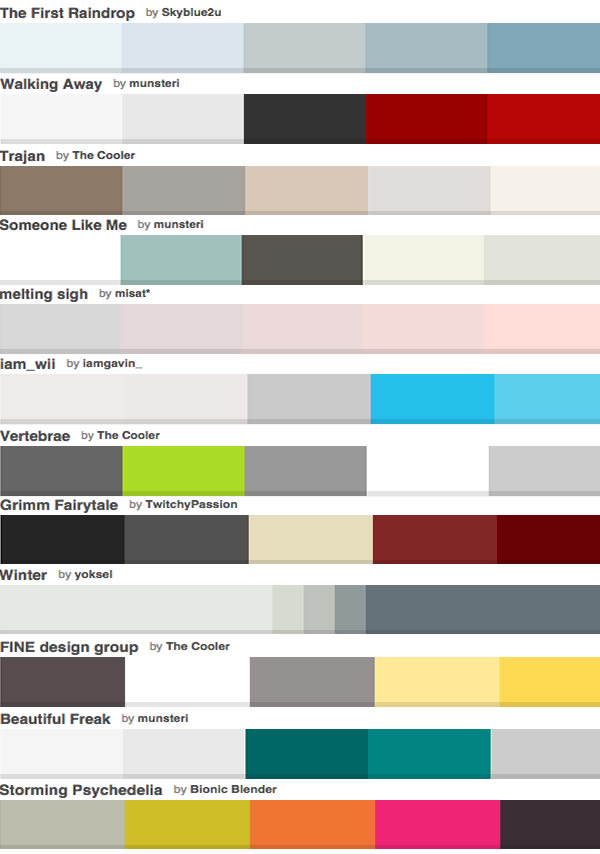
Strategic Implementation: Choosing Your Shade
When finalizing a brand palette that includes gray, consider the “60-30-10” rule of design. Use gray as the 60% (the dominant background), a secondary color as the 30%, and a bold accent as the 10%.
- Define the Undertone: Do you want a “Warm Gray” (human-centric, approachable) or a “Cool Gray” (efficient, technical)?
- Test Contrast Ratios: Ensure your chosen gray meets ADA compliance for digital accessibility. Light gray text on a white background is a common branding mistake that alienates users with visual impairments.
- Evaluate Market Context: Look at your competitors. If everyone in your sector is using bright blue, a sophisticated slate-gray identity could be your primary differentiator, positioning you as the “premium” alternative.
In conclusion, gray is far from a default or “safe” choice. In the hands of a skilled brand strategist, gray is a powerful tool for building a visual identity that is both flexible and authoritative. Whether paired with the high-energy pulse of yellow, the corporate stability of blue, or the refined minimalism of black and white, gray provides the structural integrity that modern brands need to stand out in a crowded, colorful world.
aViewFromTheCave is a participant in the Amazon Services LLC Associates Program, an affiliate advertising program designed to provide a means for sites to earn advertising fees by advertising and linking to Amazon.com. Amazon, the Amazon logo, AmazonSupply, and the AmazonSupply logo are trademarks of Amazon.com, Inc. or its affiliates. As an Amazon Associate we earn affiliate commissions from qualifying purchases.