
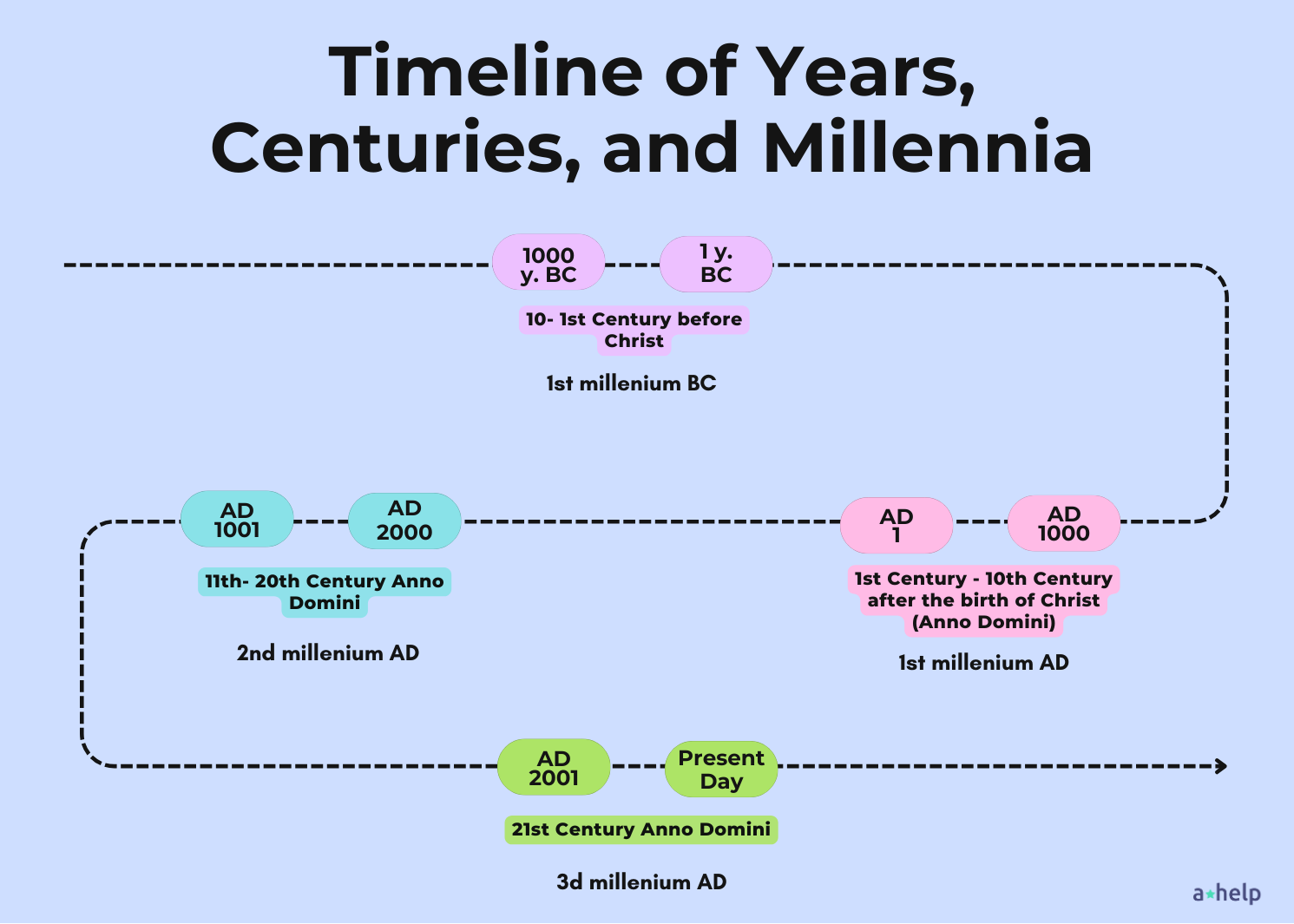
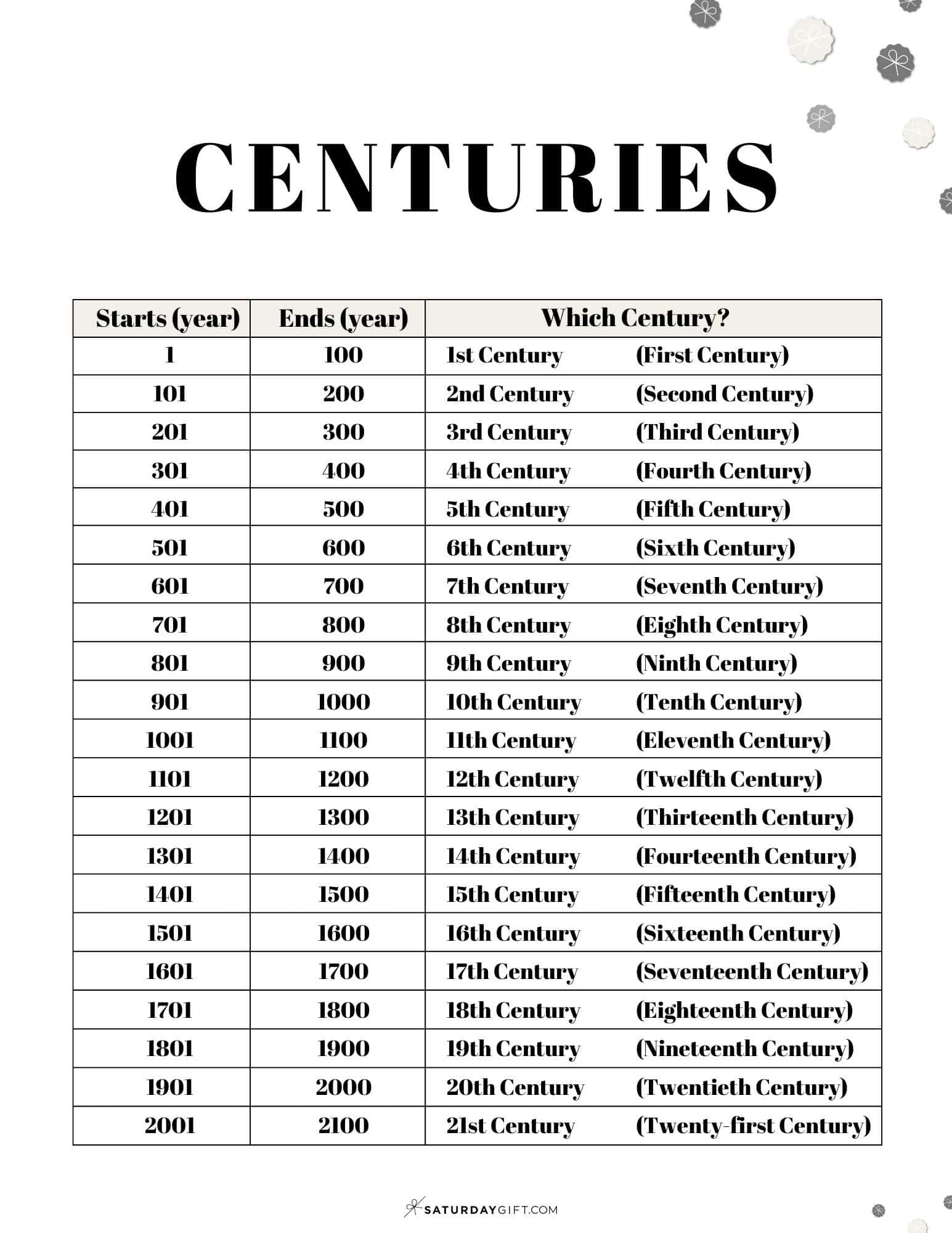
To ask “what century are we in now” is to do more than look at a calendar. While the chronological answer is simple—the 21st century—the technological answer is far more complex. We are living in an era that is no longer defined by the slow, linear progress of the past. Instead, we are in the “Exponential Century,” a period where the convergence of artificial intelligence, ubiquitous connectivity, and decentralized systems is rewriting the rules of human existence.
Technologically speaking, the 21st century represents a radical departure from the Industrial Age. We have moved from a world of atoms to a world of bits, where the most valuable resources are no longer oil or gold, but data and compute power. To understand the century we are currently navigating, we must look at the technological pillars that define our daily lives, our professional landscapes, and our future potential.
The Intelligence Revolution: Navigating the Era of AI and Machine Learning
If the 19th century was defined by the steam engine and the 20th by electricity, the 21st century is defined by Intelligence. Specifically, we are in the era of Artificial Intelligence (AI). We are no longer using computers as mere calculators or word processors; we are using them as cognitive partners. This shift is the most significant indicator of the “now” in our current century.
Generative AI and the Creative Frontier
In the last few years, we have transitioned from predictive AI—which tells us what might happen based on data—to Generative AI, which creates entirely new content. Large Language Models (LLMs) and diffusion models have democratized creativity and technical skill. Whether it is generating code, writing professional reports, or creating photorealistic imagery, the current state of technology allows human intent to be translated into digital reality at a speed previously thought impossible. This is the century of “Augmented Intelligence,” where the barrier between a human idea and its execution is thinner than ever.
Automating the Mundane to Empower the Human
Beyond creativity, the 21st-century tech landscape is defined by the automation of complex workflows. Robotic Process Automation (RPA) and autonomous agents are now handling the repetitive tasks that once bogged down human ingenuity. In this century, the focus has shifted from “how do we do this?” to “what should we do?” Technology is taking over the logistical heavy lifting, forcing a societal shift toward high-level strategy, ethics, and emotional intelligence.
The Hyper-Connected Reality: IoT, 5G, and the Death of Latency
We are currently in the century of total connectivity. The “digital divide” is shrinking, and the concept of being “offline” is becoming an anomaly. This connectivity is the nervous system of the 21st century, enabling a globalized economy and real-time collaboration that would have seemed like science fiction just thirty years ago.
The Internet of Things (IoT) and the Ambient Web
We are no longer just connecting people; we are connecting objects. From smart thermostats to industrial sensors that predict machine failure before it happens, the 21st century is the era of the “Ambient Web.” Technology is no longer something we sit down at a desk to use; it is woven into the fabric of our physical environment. This interconnectedness allows for a level of data collection and environmental responsiveness that is optimizing everything from urban planning to personal health.
5G, 6G, and the Eradication of Distance
The rollout of 5G and the development of 6G technologies are the literal speedometers of our century. By virtually eliminating latency, these technologies enable innovations like remote surgery, autonomous vehicle networks, and high-fidelity augmented reality (AR). In this century, physical distance is no longer a barrier to professional or personal interaction. We are living in a “compressed” world where the speed of light is the only remaining bottleneck for information transfer.
Security and Privacy in a Borderless Digital World
As we dive deeper into the 2020s, the definition of our century must include how we protect our digital selves. In a tech-centric era, the concept of security has evolved from physical walls to cryptographic protocols. We are in the century of the “Digital Fortress,” where cybersecurity is not an IT luxury but a fundamental human necessity.
The Evolution of Cybersecurity and Zero Trust
The 21st century has seen the rise of sophisticated cyber threats, ranging from state-sponsored hacking to ransomware-as-a-service. In response, the tech world has moved toward a “Zero Trust” architecture. This philosophy—never trust, always verify—defines the current security landscape. As our lives become entirely digitized, including our identities and financial records, the development of robust, AI-driven security tools is the only thing standing between progress and chaos.
Blockchain and the Decentralized Future
Part of answering “what century are we in” involves looking at how power is distributed. We are currently seeing a shift from centralized platforms (Web2) to decentralized protocols (Web3). Blockchain technology is at the heart of this transition. By providing a transparent, immutable ledger for transactions and data, blockchain offers a way to reclaim digital sovereignty. In this century, we are experimenting with decentralized finance (DeFi) and self-sovereign identity, aiming to build a digital world where users, not giant corporations, own their data.
The Hardware Frontier: From Spatial Computing to Quantum Leaps
While software often dominates the conversation, the 21st century is also defined by a revolution in hardware. We are moving away from the “screen in your pocket” era toward a more immersive and powerful hardware paradigm.
Spatial Computing and the Metaverse
We are currently in the early stages of the “Spatial Computing” era. Devices like high-end VR/AR headsets are moving us beyond the flat rectangles of smartphones and laptops. This century will likely be remembered as the point when the digital and physical worlds merged into a “Mixed Reality.” This has profound implications for tutorials, remote work, and digital twins, allowing us to interact with digital information as if it were a physical object in our space.
Quantum Computing: The Next Great Leap
If you want to know what the mid-to-late 21st century looks like, look at Quantum Computing. We are currently in the “NISQ” (Noisy Intermediate-Scale Quantum) era. While still in its infancy, quantum computing represents a fundamental change in how we process information, using the principles of quantum mechanics to solve problems that would take classical supercomputers millennia to crack. This tech will define the next few decades of this century, specifically in fields like drug discovery, material science, and complex climate modeling.
Sustainability and the Green Tech Imperative
Finally, we cannot define the century we are in without addressing the tech-driven response to climate change. The 21st century is the era of “Green Tech.” As we realize the environmental costs of the previous century’s industrialization, technology is being repurposed to save the planet.
Renewable Energy Integration and Smart Grids
The “now” of our century involves a massive transition to renewable energy, managed by sophisticated software. AI is being used to optimize energy grids, predicting demand and managing the intermittent nature of wind and solar power. We are in a race to develop high-capacity battery technology and carbon-capture systems, making this the century where “innovation” and “sustainability” become synonymous.

The Circular Economy and Tech Recycling
As gadgets become more central to our lives, the 21st century is also grappling with e-waste. The tech industry is shifting toward a circular economy, focusing on modular design and advanced recycling techniques to reclaim rare earth minerals. Being in this century means acknowledging the lifecycle of our tools, ensuring that the hardware of today does not become the environmental disaster of tomorrow.
In conclusion, when we ask “what century are we in now,” the answer is a vibrant, fast-moving, and often challenging digital epoch. We are in the century of the algorithm, the cloud, and the silicon chip. It is an era where the only constant is change, and where the technologies we develop today will determine the trajectory of humanity for the next thousand years. We are no longer just observers of technology; in this century, we are its co-creators, navigating a world where the “impossible” is updated daily.
aViewFromTheCave is a participant in the Amazon Services LLC Associates Program, an affiliate advertising program designed to provide a means for sites to earn advertising fees by advertising and linking to Amazon.com. Amazon, the Amazon logo, AmazonSupply, and the AmazonSupply logo are trademarks of Amazon.com, Inc. or its affiliates. As an Amazon Associate we earn affiliate commissions from qualifying purchases.