
Ramadan, a month of spiritual reflection, self-discipline, and community, holds profound significance for Muslims worldwide. More than just a period of fasting, it’s a time to deepen one’s connection with God, cultivate empathy for the less fortunate, and practice gratitude. While the core tenet of Ramadan is abstinence from food and drink from dawn until sunset, the “rules” extend far beyond mere physical restrictions. They encompass a holistic approach to life, encouraging ethical conduct, mental purification, and spiritual growth. Understanding these multifaceted rules is crucial for both those observing Ramadan and those seeking to comprehend its essence.
The Pillars of Observance: Beyond Abstinence
At its heart, Ramadan is governed by fundamental practices that form the bedrock of its observance. These are not merely arbitrary dictates but deeply ingrained principles designed to foster spiritual development and community cohesion.
The Fast (Sawm): The Central Discipline
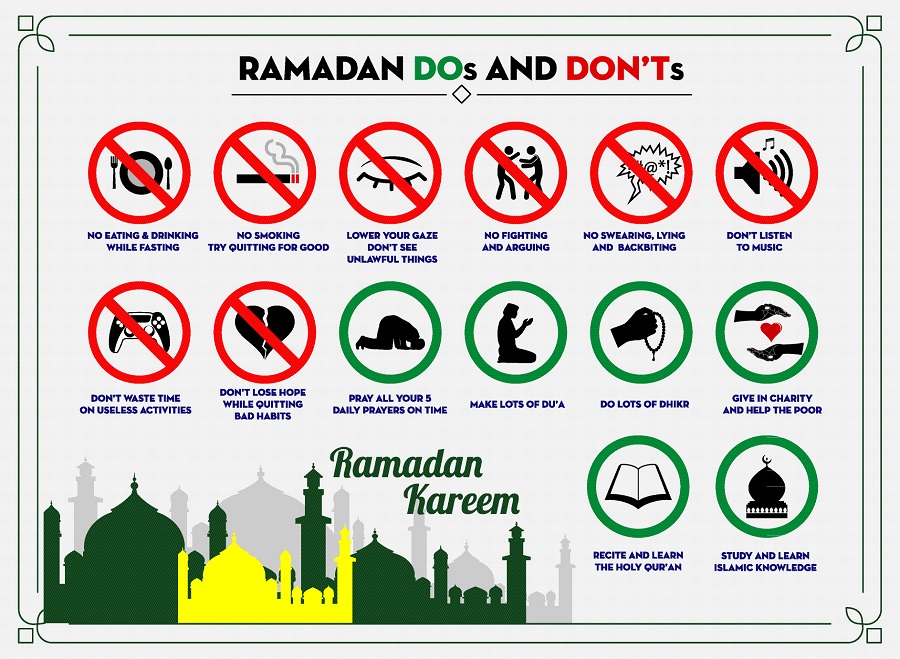
The most visible and widely recognized rule of Ramadan is fasting, known as Sawm. This involves abstaining from eating, drinking, smoking, and engaging in sexual relations from the pre-dawn meal (Suhur) until sunset (Iftar). The intention (Niyyah) to fast must be present, usually made before Fajr (dawn prayer). This act of abstaining is not intended as a punishment but as a spiritual discipline to:
- Cultivate God-consciousness (Taqwa): By denying oneself basic necessities, individuals are reminded of their dependence on God and encouraged to be more mindful of His presence in all aspects of their lives. This heightened awareness can lead to a greater sense of gratitude for His blessings.
- Develop Self-Discipline and Willpower: The ability to resist desires and cravings throughout the day strengthens willpower, which can then be applied to overcoming other negative habits and inclinations. This discipline extends beyond the month of Ramadan, fostering a more controlled and virtuous life.
- Promote Empathy and Compassion: Experiencing hunger and thirst firsthand allows observers to connect with the suffering of those who live in poverty and deprivation on a daily basis. This shared experience is intended to foster deep empathy and a stronger desire to help those in need.
- Purify the Body and Soul: The physical act of fasting is believed to cleanse the body of impurities, while the spiritual discipline aims to purify the soul by focusing on positive thoughts and actions.
However, Islam recognizes that certain individuals are exempt from fasting due to legitimate reasons, ensuring that the observance remains manageable and humane. These exemptions include:
- The Sick and Elderly: Those who are ill or too frail due to old age are excused, as fasting could exacerbate their condition or pose a significant health risk.
- Travelers: Individuals undertaking a journey of a certain distance are also exempt. The arduous nature of travel can make fasting particularly challenging.
- Women during Menstruation and Postnatal Bleeding: These natural bodily processes are seen as a temporary state of impurity, and women are excused from fasting during these times. They are expected to make up the missed fasts at a later date.
- Pregnant and Breastfeeding Women: Similar to women experiencing menstruation, pregnant and breastfeeding women are exempted if they fear for their own health or the health of their child. They are also expected to make up missed fasts.
- Children who have not reached puberty: The obligation of fasting begins at puberty, generally around the age of 12-15, though some may start earlier.
Those who are exempt are generally encouraged to feed a poor person for each day they are unable to fast, as a form of atonement and charitable act.
Prayer (Salah): Enhanced Devotion
While prayer is a cornerstone of Islam throughout the year, Ramadan sees a significant increase in its practice and spiritual intensity. Muslims are encouraged to perform the five daily prayers (Fajr, Dhuhr, Asr, Maghrib, and Isha) with greater devotion and mindfulness.
- Taraweeh Prayers: These are special, voluntary night prayers performed collectively in mosques after the Isha prayer during Ramadan. They are a highlight of the month, fostering a strong sense of community and spiritual connection. The length and number of Rak’ahs (units of prayer) in Taraweeh can vary, with many Muslims aiming to complete the recitation of the entire Quran over the course of the month.
- Qiyam al-Layl (Night Vigil): Beyond Taraweeh, many Muslims also engage in extra worship and supplication during the latter part of the night, seeking closeness to God.
Charity (Zakat and Sadaqah): Amplified Generosity
Ramadan is a time of heightened generosity. The act of giving to the less fortunate is strongly emphasized, reflecting the core Islamic value of social responsibility and compassion.
- Zakat al-Fitr: This is a mandatory charitable donation given by every Muslim who can afford it, before the Eid al-Fitr prayer. Its purpose is to purify those who fasted from any indecent act or speech and to help the poor and needy celebrate the Eid festival.
- Sadaqah: Voluntary acts of charity are also highly encouraged throughout the month. Muslims are motivated to give generously, whether through monetary donations, food, clothing, or acts of kindness, believing that their good deeds are multiplied during Ramadan. This act of giving stems from the understanding that wealth is a trust from God and should be used to benefit others.
Beyond the Rituals: Ethical and Spiritual Guidelines
The “rules” of Ramadan extend beyond physical acts of worship and charity, encompassing a broader ethical and spiritual framework designed to cultivate inner purity and positive character development.
Abstinence from Negative Behaviors: A Holistic Approach
While food and drink are the most obvious forms of abstinence, Ramadan’s discipline extends to refraining from harmful speech and actions. The aim is to purify not just the body but also the mind and spirit.
- Avoiding Gossip and Slander: Engaging in backbiting, spreading rumors, or speaking ill of others is strongly discouraged. This encourages a focus on positive and constructive communication.
- Controlling Anger and Impatience: Ramadan is a test of patience. While fasting can sometimes lead to irritability, observers are encouraged to actively manage their emotions, responding to challenges with calmness and understanding.
- Refraining from Deceit and Dishonesty: Upholding truthfulness and integrity in all dealings is paramount. The fast is rendered incomplete if it is not accompanied by ethical conduct.
- Avoiding Lustful Thoughts and Actions: Muslims are encouraged to lower their gaze and control their desires, focusing their energy on spiritual pursuits rather than indulging in immoral thoughts or behaviors.
The Prophet Muhammad (peace be upon him) famously said, “Whoever does not give up forged speech, and evil actions, and behaving in an ignorant manner, then Allah has no need of his leaving his food and his drink.” This Hadith (saying of the Prophet) powerfully illustrates that the spiritual benefit of fasting is contingent on abstaining from all forms of wrongdoing.
Cultivating Inner Reflection and Gratitude
Ramadan is a unique opportunity for introspection and spiritual renewal. The quieter pace of life for some, coupled with the focus on worship, creates an environment conducive to deep self-reflection.
- Contemplation and Mindfulness: The extended hours of fasting and reduced distractions allow for greater time to contemplate one’s life, actions, and relationship with God. This encourages a more mindful existence, where each moment is lived with intention.
- Making Amends and Seeking Forgiveness: The month provides a fertile ground for seeking forgiveness from God for past transgressions and making amends with those who may have been wronged. It’s a time to cleanse the slate and start anew.
- Expressing Gratitude (Shukr): By experiencing temporary deprivation, Muslims are reminded of the countless blessings they often take for granted. This fosters a profound sense of gratitude for their health, family, sustenance, and the opportunity to observe Ramadan itself.
The Quran: A Central Focus
The Quran, the holy book of Islam, holds a central place during Ramadan. It is believed to have been revealed to the Prophet Muhammad during this month.
- Increased Recitation: Muslims are encouraged to read, recite, and reflect upon the Quran daily. Many aim to complete its entire recitation (a Khatam) by the end of the month, dedicating specific portions to be read each day.
- Understanding and Application: Beyond mere recitation, there is an emphasis on understanding the meaning of the verses and striving to apply their teachings to one’s life. This transforms the Quran from a text to be read into a living guide.
The End of Ramadan: Celebration and Continued Commitment
Ramadan culminates in a joyous celebration known as Eid al-Fitr, the “Festival of Breaking the Fast.” This day marks the end of the fasting period and is a time of feasting, celebration, and communal prayer.
Eid al-Fitr: A Day of Rejoicing
Eid al-Fitr is characterized by:
- Special Eid Prayer: Muslims gather in large congregations for a special prayer, often held in open fields or large halls.
- Festive Gatherings: Families and friends come together to celebrate, exchanging gifts, sharing meals, and expressing their joy and gratitude.
- Dressing in New Clothes: It is customary to wear new or best attire for Eid.
- Forgiveness and Reconciliation: The spirit of Eid extends to seeking forgiveness and mending broken relationships.

Sustaining the Spirit: Beyond the Month
While Ramadan is a distinct period with its own set of intensified practices, the lessons learned and the spiritual momentum gained are intended to be carried forward throughout the year. The self-discipline, empathy, gratitude, and increased devotion cultivated during Ramadan are meant to shape a Muslim’s character and actions long after the crescent moon of Shawwal (the month following Ramadan) appears. The “rules” of Ramadan, therefore, are not simply a temporary set of obligations but a blueprint for a more conscious, compassionate, and God-centered life.
aViewFromTheCave is a participant in the Amazon Services LLC Associates Program, an affiliate advertising program designed to provide a means for sites to earn advertising fees by advertising and linking to Amazon.com. Amazon, the Amazon logo, AmazonSupply, and the AmazonSupply logo are trademarks of Amazon.com, Inc. or its affiliates. As an Amazon Associate we earn affiliate commissions from qualifying purchases.