
The quest for comfortable footwear is an age-old pursuit, but in the 21st century, the answer increasingly lies at the intersection of advanced materials, innovative design, and smart technology. Gone are the days when comfort was solely synonymous with bulky, uninspired designs. Today, footwear manufacturers are leveraging cutting-edge scientific principles and technological breakthroughs to engineer shoes that offer unparalleled support, cushioning, and personalized fit. This article delves into the technological underpinnings of what makes shoes supremely comfortable, exploring the materials, design philosophies, and emerging technologies that are redefining our understanding of foot well-being.
The Science of Cushioning: Advanced Materials Revolutionizing Comfort
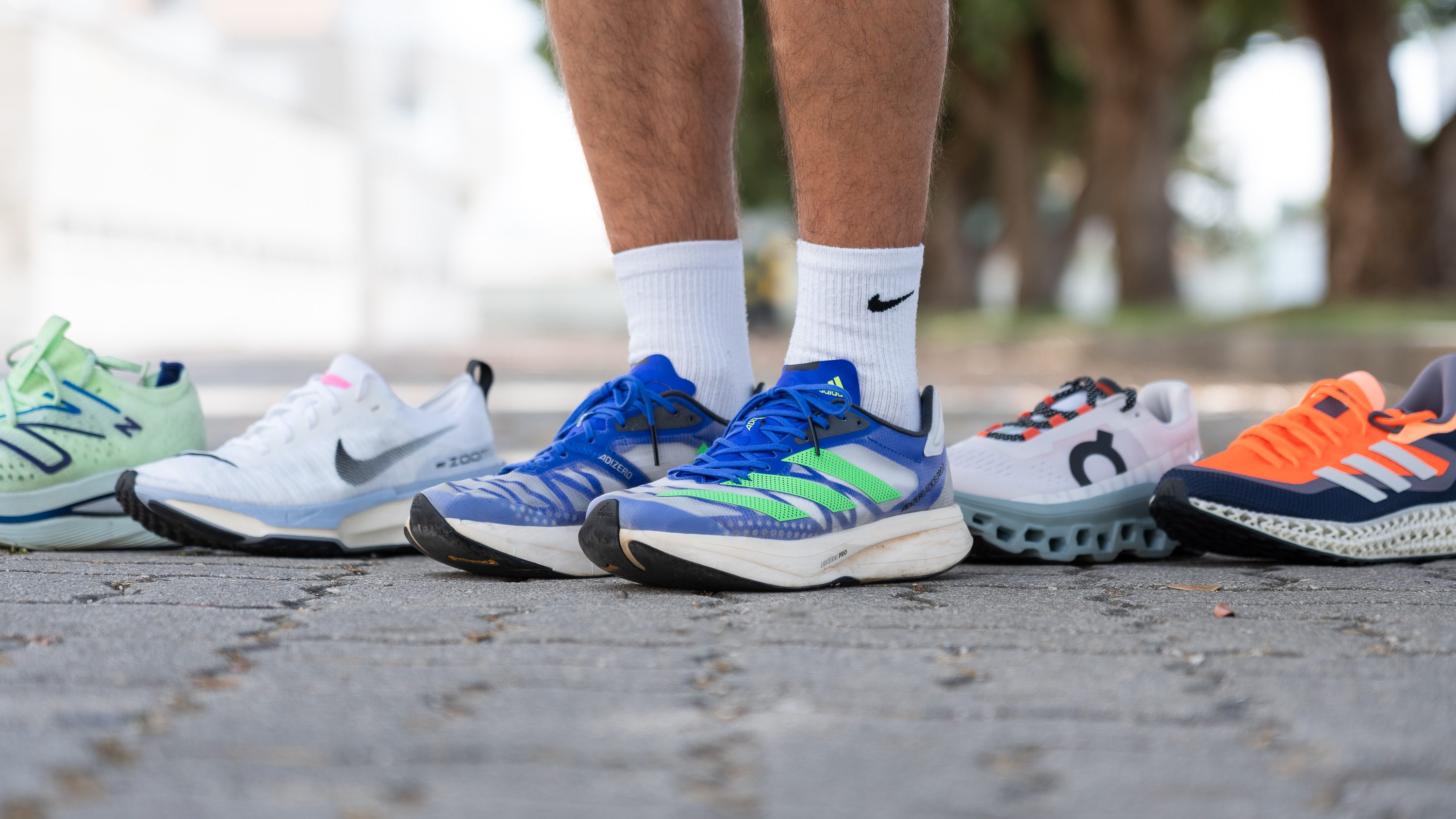
At the core of shoe comfort lies its ability to absorb impact and distribute pressure effectively. This is where material science plays a pivotal role, with ongoing innovation delivering foam compounds, gels, and synthetic fibers that offer superior shock absorption and energy return.
Evolutionary Foams: From EVA to Supercritical Foams
The ubiquitous EVA (ethylene-vinyl acetate) foam, once the gold standard for midsole cushioning, has been progressively refined. However, the real revolution is happening with the advent of “supercritical foams.” These foams are created through processes involving high pressure and temperature, which alter the molecular structure of the foam. This results in a lighter, more resilient, and responsive cushioning material. Brands are employing proprietary blends and manufacturing techniques to create foams that are not only softer but also offer a more consistent level of support throughout their lifespan. The key is achieving a balance between plushness for immediate comfort and responsiveness for efficient gait mechanics, preventing the foot from feeling “bogged down.”
Gel and Air-Infused Technologies: Targeted Support and Dynamic Adaptation
Beyond foams, gel and air-infused technologies offer unique cushioning benefits. Gel inserts, strategically placed in high-impact areas like the heel and forefoot, provide localized shock absorption and a sensation of floating. Air units, often visible through transparent windows, can be engineered to provide specific levels of compression and rebound, adapting to the wearer’s stride and the terrain. These technologies are not static; advancements in hermetic sealing and material durability ensure that these cushioning systems maintain their integrity and performance over time, offering consistent comfort mile after mile.
Engineered Knit Uppers: Breathability and Adaptive Fit
The comfort of a shoe extends beyond the sole to the upper. Modern footwear increasingly utilizes engineered knit uppers, a testament to advancements in textile technology. These uppers are woven with varying densities of yarn in specific zones to provide targeted breathability, flexibility, and support. Unlike traditional stitched uppers, engineered knits can be created as a single piece, minimizing seams and reducing the potential for irritation and chafing. This seamless construction, combined with the inherent stretch and adaptive properties of the knit, allows the upper to mold to the foot’s shape, offering a snug yet unrestrictive fit that enhances overall comfort.
Ergonomics and Biomechanics: Designing for the Natural Foot
Comfort is not just about softness; it’s about how a shoe interacts with the natural biomechanics of the human foot. Leading footwear designers and engineers are increasingly drawing on principles of ergonomics and biomechanics to create shoes that work in harmony with the foot’s movement.
Footbed Geometry and Arch Support: Personalized Comfort Through Design
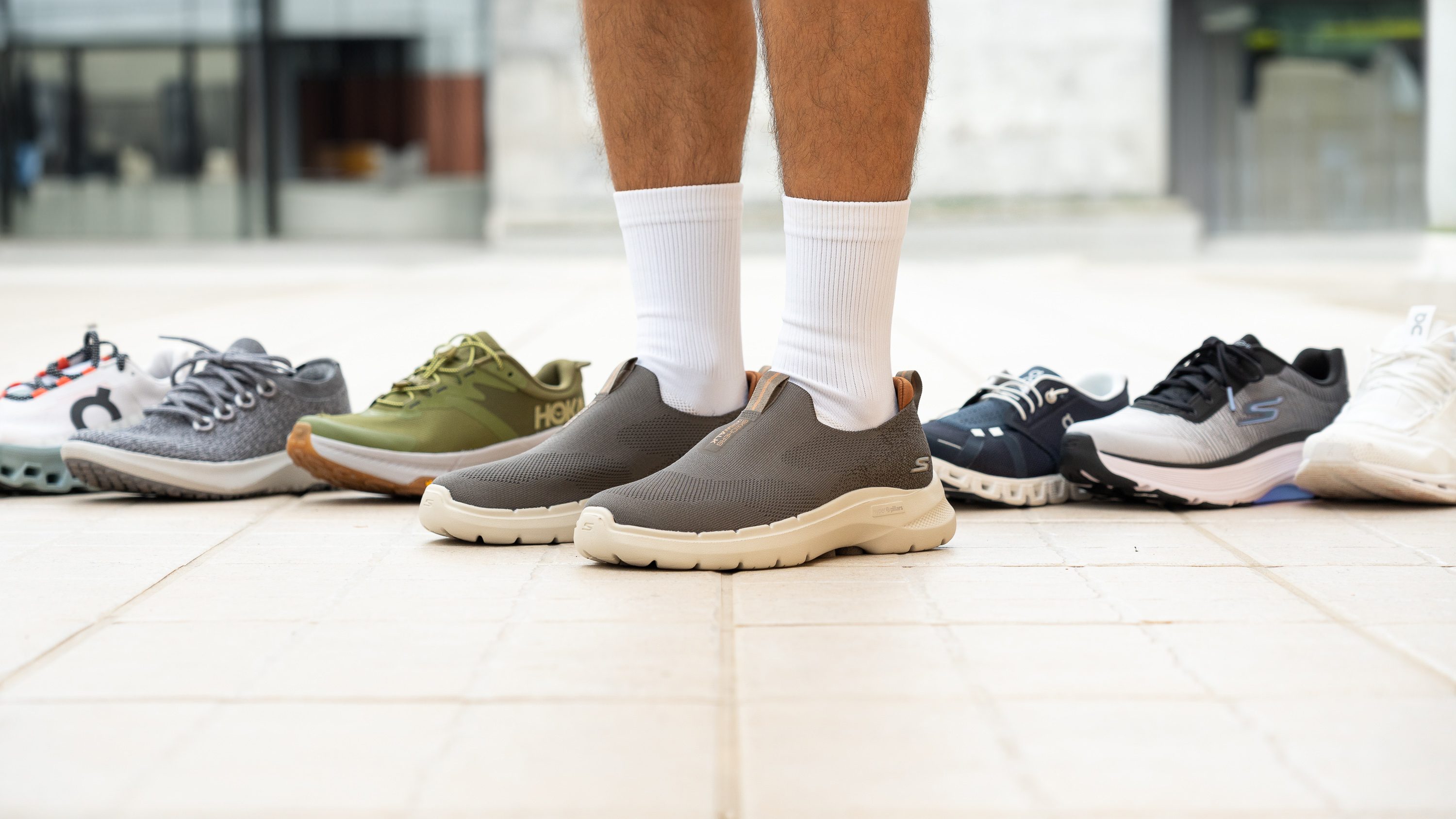
The footbed, the insole of the shoe, is a critical component for comfort. Modern shoe design incorporates sophisticated footbed geometries that mimic the natural contours of the foot. This includes anatomically shaped arch support that can be customized or designed to accommodate a wide range of arch types. Technologies like 3D scanning and motion capture are used to analyze gait patterns and pressure points, informing the design of footbeds that promote proper alignment and reduce stress on the feet, ankles, and knees. Some high-end shoes even offer interchangeable insoles with varying levels of support to cater to individual preferences.
Midsole Rocker Geometry: Promoting Efficient Gait
The shape of the midsole, particularly its curvature from heel to toe, known as the rocker geometry, significantly impacts walking and running efficiency. A well-designed rocker can help to smoothly transition the foot through each phase of the gait cycle, reducing the effort required for propulsion and minimizing impact forces. Advanced CAD (Computer-Aided Design) and simulation software allow engineers to precisely sculpt these rocker profiles, optimizing them for different activities and foot types, thereby enhancing comfort and reducing fatigue.
Flex Grooves and Torsional Stability: Balancing Flexibility and Support
Achieving the right balance between flexibility and support is crucial for comfort. Flex grooves, strategically placed in the outsole and midsole, allow the shoe to bend naturally with the foot’s movement, preventing stiffness and promoting a more natural stride. Conversely, torsional stability features, often integrated into the midsole or shank, prevent excessive twisting of the foot, which can lead to discomfort and injury. The precise placement and depth of these grooves and stability elements are determined through biomechanical analysis and material testing, ensuring a harmonious interaction with the foot’s natural mechanics.
The Rise of Smart Footwear: Technology Enhancing Personal Comfort
While material science and ergonomic design are foundational, the integration of smart technology is ushering in a new era of personalized comfort. These innovations are moving beyond passive cushioning to active adaptation and data-driven insights.
Sensor Integration and Data Analytics: Understanding Your Foot’s Needs
The incorporation of miniature sensors within shoes is becoming increasingly sophisticated. These sensors can track metrics such as step count, gait analysis (including pronation and supination), pressure distribution, and even impact force. This data, often transmitted wirelessly to a smartphone app, provides wearers with valuable insights into their biomechanics and how their footwear is performing. This information can then be used to identify potential issues, optimize training, and even inform the selection of future footwear that best suits their unique needs.
Adaptive Cushioning and Personalized Fit Systems
Emerging technologies are exploring the concept of adaptive cushioning. This could involve materials that change their density in response to pressure or temperature, offering a softer feel when stationary and more support during activity. Some advanced concepts even involve micro-adjusting inflation systems within the shoe that can be controlled via a smartphone app to fine-tune the level of cushioning and support. Similarly, personalized fit systems, potentially utilizing heat-moldable materials or micro-adjusting lacing mechanisms, aim to create a truly bespoke fit that eliminates pressure points and enhances overall comfort.
Sustainable Tech in Comfort Footwear: Eco-Conscious Innovation
The drive for comfort is increasingly intertwined with sustainability. Technological advancements are enabling the use of recycled materials, bio-based alternatives, and more energy-efficient manufacturing processes in the creation of comfortable footwear. This includes developing new biodegradable cushioning foams, utilizing recycled plastics for shoe components, and optimizing production lines to reduce waste and carbon footprint. This signifies a broader understanding of comfort that encompasses not only personal well-being but also the health of the planet.
In conclusion, the journey to the most comfortable shoes is no longer a matter of chance but a deliberate outcome of technological innovation. From the molecular structure of advanced foams to the intelligent integration of sensors, footwear technology is continuously evolving. By understanding the science behind cushioning, the principles of ergonomic design, and the potential of smart integration, consumers can make informed choices and experience a new level of comfort that supports their active lives and overall well-being. The future of comfortable shoes promises even more personalized, adaptive, and sustainable solutions, ensuring that our feet are not just protected but truly empowered.
aViewFromTheCave is a participant in the Amazon Services LLC Associates Program, an affiliate advertising program designed to provide a means for sites to earn advertising fees by advertising and linking to Amazon.com. Amazon, the Amazon logo, AmazonSupply, and the AmazonSupply logo are trademarks of Amazon.com, Inc. or its affiliates. As an Amazon Associate we earn affiliate commissions from qualifying purchases.