
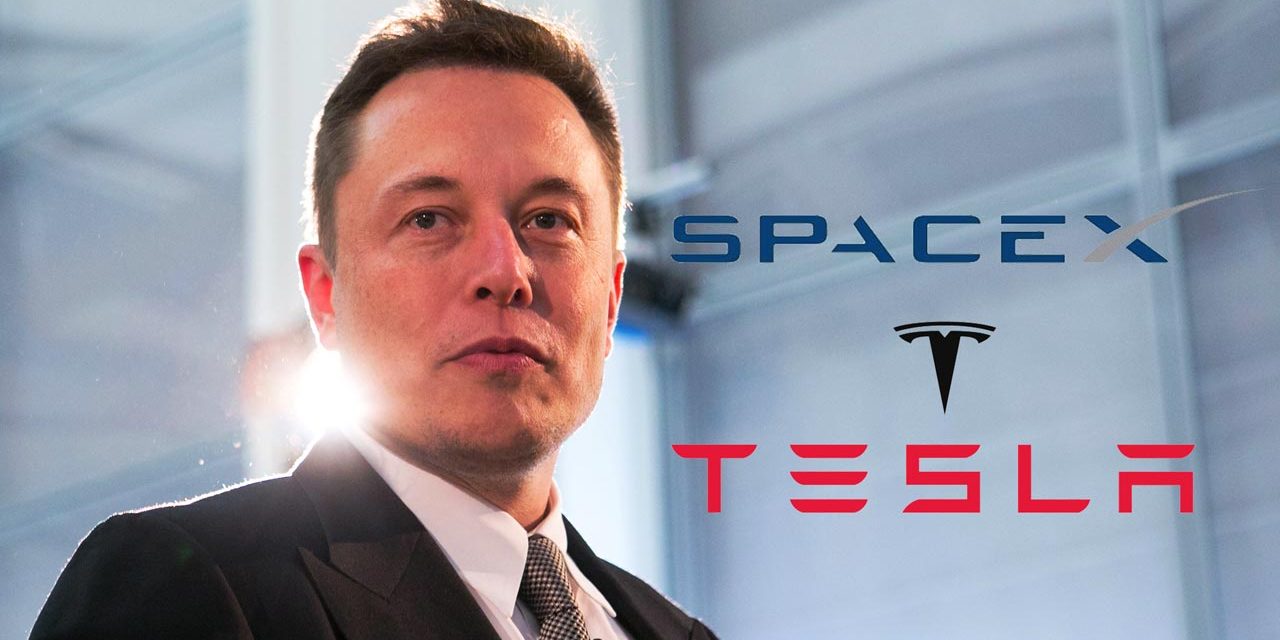
In the contemporary landscape of global commerce, few names evoke as much immediate recognition and polarized debate as Elon Musk. As the Chief Executive Officer of Tesla, Inc., Musk has transcended the traditional role of a corporate executive to become the living embodiment of the brand he leads. To ask “who is the CEO of Tesla” is to delve into a masterclass in brand strategy, personal branding, and corporate identity. Unlike the faceless bureaucrats who lead most Fortune 500 companies, Musk’s identity is inextricably linked with Tesla’s market presence, turning a manufacturer of electric vehicles into a symbol of futuristic innovation and disruptive ambition.

The Cult of Personality: Elon Musk as the Ultimate Brand Ambassador
At the heart of Tesla’s meteoric rise is a branding strategy built on the “Cult of Personality.” In the world of marketing, a brand is often seen as a promise of quality or a specific experience. For Tesla, that promise is voiced and verified by its CEO. Musk has pioneered a model where the personal brand of the leader serves as the primary engine for the corporate brand’s growth.
The Synergy of Personal and Corporate Branding
The relationship between Elon Musk and Tesla is a prime example of brand synergy. When Musk speaks about space travel through SpaceX or subterranean transit through The Boring Company, the “halo effect” illuminates Tesla. Consumers do not just buy a Model 3 or a Model Y; they buy into the “Muskian” vision of the future. This synergy allows Tesla to occupy a unique space in the consumer’s mind—one where the brand represents more than just transportation. It represents participation in a historical movement toward sustainability and high technology. By positioning himself as a polymath and a visionary, Musk ensures that Tesla is viewed not as a legacy automaker, but as a pioneering tech entity.
Authenticity and Transparency in the Digital Age
A cornerstone of modern brand strategy is authenticity. Musk’s unfiltered communication style, particularly on social media platforms like X (formerly Twitter), has created a sense of radical transparency. While this approach often invites controversy, it reinforces the brand’s identity as an “outsider” challenging the status quo. Unlike traditional automotive CEOs who speak through highly polished PR filters, Musk’s direct engagement with fans and critics alike builds a level of brand loyalty that is rare in the automotive sector. This direct-to-consumer communication bypasses traditional media gatekeepers, allowing the brand to maintain its narrative and react in real-time to market shifts.
Disruption as a Brand Pillar: Moving Beyond Automotive
When analyzing the brand identity of Tesla under Musk’s leadership, it becomes clear that the company does not see itself as a car manufacturer. This is a deliberate strategic choice designed to maximize brand equity and valuation. By redefining the category in which it operates, Tesla has managed to avoid the branding pitfalls associated with the century-old automotive industry.
Positioning Tesla as a Tech Company, Not a Car Maker
The most significant achievement in Tesla’s corporate identity is its successful positioning as a technology company. This distinction is vital for brand perception. Technology brands are associated with rapid innovation, high margins, and “cool factor,” whereas automotive brands are often perceived as capital-intensive and slow-moving. Musk has reinforced this identity by focusing the brand’s narrative on software-defined features like Full Self-Driving (FSD), over-the-air updates, and artificial intelligence. This strategy transforms the car into a “computer on wheels,” a narrative that appeals to a younger, tech-savvy demographic that values digital integration over traditional mechanical prestige.
The Mission-Driven Brand Strategy
Tesla’s brand is anchored by a singular, powerful mission: “To accelerate the world’s transition to sustainable energy.” This mission-driven approach is a key component of its brand strategy. By framing the company’s goals in terms of global impact rather than quarterly profits, Musk has fostered a community of “brand evangelists.” These are customers who feel their purchase is an ethical contribution to the planet. This level of emotional connection is difficult for competitors to replicate, as it elevates the product from a commodity to a tool for social and environmental change.
Unconventional Marketing: The Zero-Dollar Ad Budget
Perhaps the most discussed aspect of Tesla’s brand strategy is its refusal to engage in traditional advertising. While competitors like Ford, GM, and Toyota spend billions of dollars annually on television commercials, billboards, and digital ads, Tesla famously operates with a near-zero advertising budget. This strategy relies entirely on the strength of the brand’s identity and the public profile of its CEO.
Leveraging Social Media for Organic Reach
Tesla’s marketing is essentially driven by the public discourse surrounding Elon Musk. Every tweet, interview, and product announcement becomes a viral event, generating millions of dollars in “earned media” value. This organic reach is far more effective than paid advertising because it carries the weight of social proof. When the CEO of the company is a global celebrity, every action he takes serves as a marketing touchpoint. This approach has allowed Tesla to maintain a premium brand image while keeping customer acquisition costs significantly lower than the industry average.
Event-Driven Brand Awareness and “The Reveal”
Tesla has mastered the art of the “Product Reveal.” Drawing inspiration from Apple’s iconic keynotes, Tesla events are designed to be cultural moments. Whether it is the unveiling of the Cybertruck or “AI Day,” these events focus on the spectacle and the future potential of the brand. Musk’s presence at these events is central; he acts as the storyteller-in-chief, weaving a narrative that captures the imagination of the public. This event-driven strategy ensures that the brand remains at the forefront of the news cycle without the need for traditional media buys.
Managing Crisis and Controversy: The Risks of a CEO-Centric Brand
While the CEO-centric model has provided Tesla with unprecedented growth and brand recognition, it also presents unique challenges. The brand’s identity is so closely tied to Musk that his personal actions and public statements can have an immediate and profound impact on the company’s reputation.
The Double-Edged Sword of Public Leadership
The primary risk of a brand built on a single personality is volatility. When Musk makes controversial statements or becomes embroiled in political discourse, a segment of the consumer base may feel alienated. In recent years, brand analysts have noted a shift in Tesla’s brand sentiment as Musk’s public persona has become more divisive. This highlights the “double-edged sword” of personal branding: the same charisma that builds a brand can also threaten its stability. For Tesla, the challenge lies in balancing Musk’s visionary persona with the need for a stable, professional corporate identity that can withstand public scrutiny.
Protecting Brand Equity in Volatile Markets
As the electric vehicle market becomes increasingly crowded with legacy players and new startups, Tesla must evolve its brand strategy to protect its equity. The company is currently transitioning from a “first-mover” niche brand to a mass-market leader. This transition requires a broadening of the brand identity. While Musk remains the face of the company, Tesla has begun to emphasize its manufacturing prowess, its global Supercharger network, and its advancements in battery technology. This shift is designed to ensure that the brand remains resilient even if the public’s perception of its CEO fluctuates.
Conclusion: The Legacy of a Brand Visionary
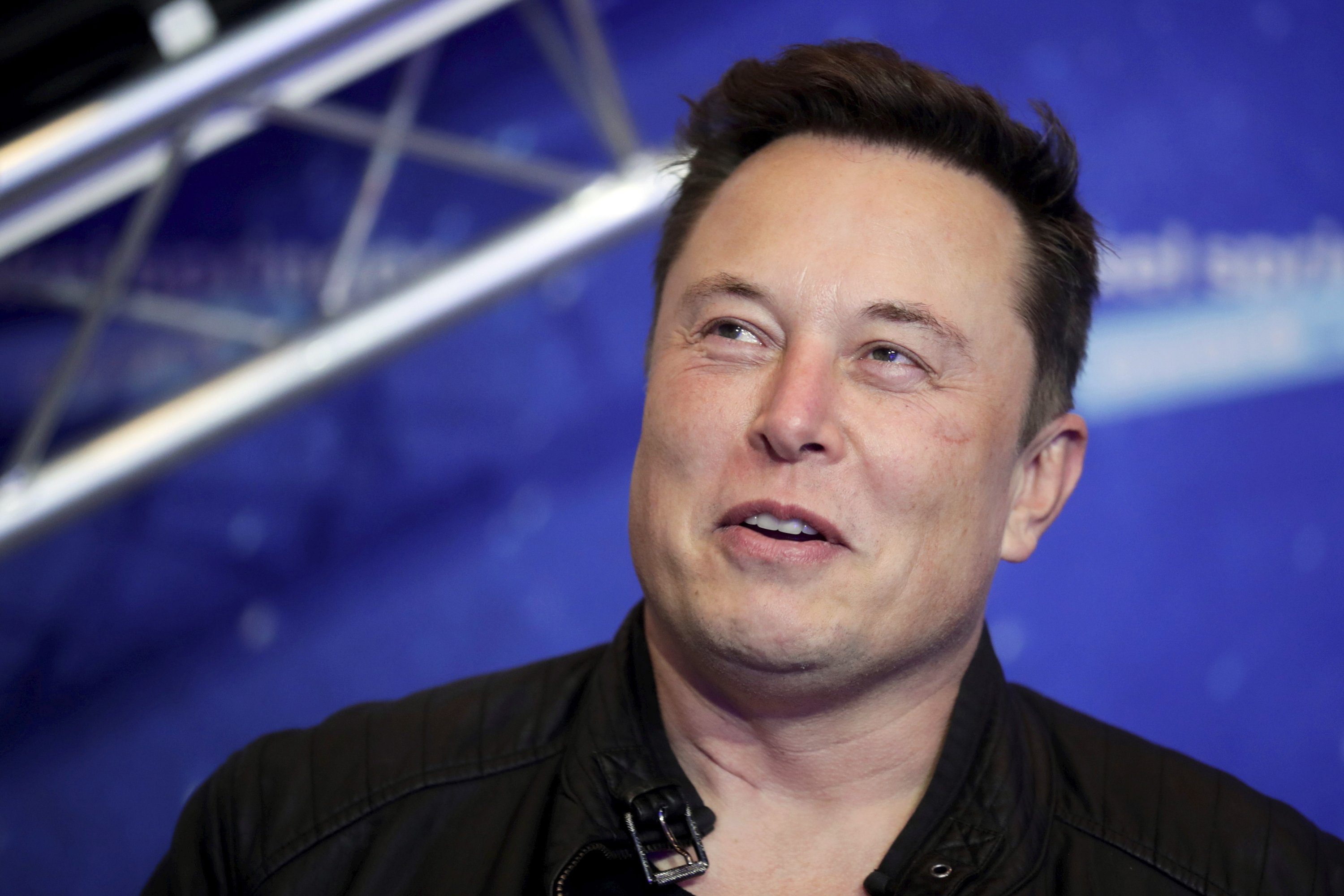
In answering the question of who the CEO of Tesla is, one discovers a leader who has fundamentally altered the rules of corporate branding. Elon Musk has shown that in the 21st century, a brand is not just a logo or a product line; it is a narrative, a mission, and a personality. Through a combination of radical transparency, disruptive positioning, and unconventional marketing, Musk has built Tesla into one of the most valuable and recognizable brands in the world.
The Tesla brand serves as a blueprint for modern business identity. It proves that a clear mission and a strong, visible leader can disrupt century-old industries and command unparalleled customer loyalty. As Tesla continues to expand into robotics, energy storage, and artificial intelligence, its brand identity will likely continue to evolve. However, the core of that identity—defined by the ambition and persona of its CEO—will remain its most powerful asset. Whether viewed as a tech pioneer, a marketing genius, or a controversial disruptor, Elon Musk’s role as the CEO of Tesla is a testament to the power of identity in the global marketplace.
aViewFromTheCave is a participant in the Amazon Services LLC Associates Program, an affiliate advertising program designed to provide a means for sites to earn advertising fees by advertising and linking to Amazon.com. Amazon, the Amazon logo, AmazonSupply, and the AmazonSupply logo are trademarks of Amazon.com, Inc. or its affiliates. As an Amazon Associate we earn affiliate commissions from qualifying purchases.