
In the competitive landscape of global fashion, products are rarely just items of clothing; they are strategic assets designed to capture specific market segments and reinforce corporate identity. The “culotte”—a garment that sits somewhere between a skirt and a trouser—serves as one of the most compelling case studies in brand evolution and strategic repositioning. What was once a functional athletic garment for Victorian women has been meticulously rebranded by modern fashion houses as a symbol of sophisticated “Quiet Luxury.”
Understanding the brand strategy behind the culotte requires looking past the fabric and into the marketing engines of luxury conglomerates and high-street giants. This article explores how brand identity, consumer psychology, and strategic marketing have transformed a polarizing silhouette into a staple of the modern professional wardrobe.

The Heritage Brand Effect: From Historical Function to Luxury Identity
Every successful brand needs a story, and the culotte possesses a narrative rich with disruption and rebellion. For a brand to successfully market this silhouette, it must tap into its heritage to create a sense of authenticity and “brand soul.”
The Victorian Origin: A Brand Built on Utility
The initial “branding” of culottes in the late 19th century was centered entirely on utility and social progress. At a time when women were expected to wear restrictive skirts, the culotte was introduced as a “secret” trouser that allowed for horseback riding and cycling while maintaining the outward appearance of a skirt. From a brand strategy perspective, this was a masterpiece of “stealth marketing.” It solved a functional problem for the consumer without forcing them to abandon the prevailing social “brand” of femininity.
The Elsa Schiaparelli Influence: Disruptive Branding in the 1930s
The garment took a massive leap into the world of high-fashion branding through Elsa Schiaparelli. In 1931, Schiaparelli famously designed “divided skirts” for tennis player Lili de Alvarez. This was not just a design choice; it was a disruptive brand move. By associating the culotte with the avant-garde and the rebellious, Schiaparelli positioned the garment as a “challenger brand” within the fashion industry. This historical cachet is exactly what modern luxury brands like Celine and Hermès leverage today to justify premium price points. They are not selling trousers; they are selling a legacy of avant-garde disruption.
Strategic Rebranding: Transitioning Culottes from ‘Niche’ to ‘Essential’
For decades, culottes struggled with a brand perception problem, often associated with dated 1970s office wear or children’s school uniforms. To revive the product, global fashion brands had to engage in a comprehensive rebranding exercise, focusing on market segmentation and visual identity.
Market Segmentation and the ‘Split-Skirt’ Narrative
A key pillar of brand strategy is how a product is named and categorized. In the mid-2010s, brands began to move away from the term “split skirt” or “gaucho pants,” which carried negative baggage, and leaned heavily into the more sophisticated, French-sounding “culotte.” This linguistic pivot allowed brands to target an aspirational, cosmopolitan demographic. By framing the product as a “Parisian staple,” brands like Maje and Sandro were able to capture the “Effortless Chic” market segment. This segmentation ensures that the consumer perceives the item not as a risky fashion choice, but as a calculated investment in a curated personal brand.
Visual Identity: How Modern Brands Use Silhouette to Signal Sophistication
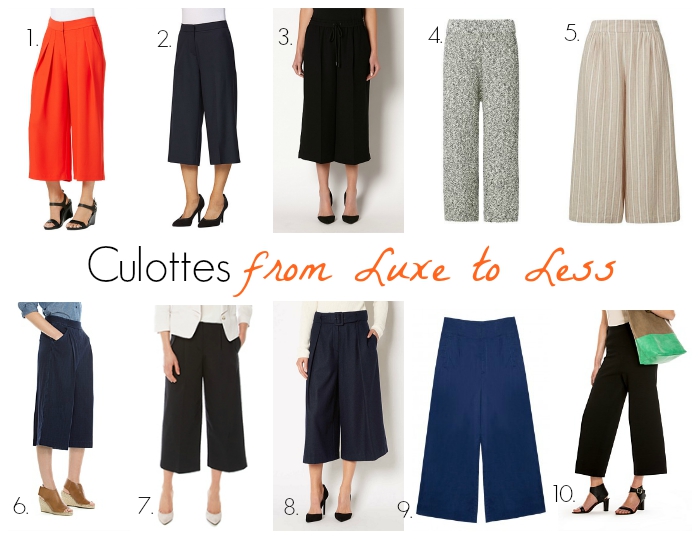
In branding, visual identity is everything. For the culotte, the “logo” is the silhouette itself. High-end brands have used the exaggerated wide leg and cropped hem to signal a specific corporate identity: the “Creative Director” or the “Modern Professional.” By emphasizing clean lines, architectural structure, and high-quality fabrics like wool crepe or heavy silk, brands have decoupled the culotte from its “frumpy” past. This visual repositioning allows the garment to function as a signature piece for brands that want to be seen as intellectual, minimalist, and forward-thinking.
Case Studies in Brand Dominance: Who Owns the Culotte Space?
In any product category, different brands vie for “ownership” of the silhouette through distinct value propositions. Analyzing how high-street and haute couture brands approach the culotte reveals the diversity of modern marketing strategies.
High-Street vs. Haute Couture: Positioning for Different Demographics
Zara and H&M approach the culotte through the lens of “Agile Branding.” For them, the culotte is a high-turnover item that responds to seasonal trends. Their marketing strategy is built on accessibility and rapid social proof. Conversely, a brand like The Row or Jil Sander treats the culotte as a “Core Brand Pillar.” For these luxury houses, the culotte is an evergreen product that reinforces their brand promise of timelessness and superior craftsmanship. While Zara markets the “look” of the moment, luxury brands market the “longevity” of the investment, illustrating two very different ways to build brand equity around the same garment.
The Minimalism Movement: The Brand Strategy of ‘Quiet Luxury’
The recent rise of “Quiet Luxury” has provided a perfect environment for the culotte to thrive. Brands such as Loro Piana and Brunello Cucinelli use the culotte to communicate “stealth wealth.” Their brand strategy relies on the absence of logos and the presence of impeccable tailoring. In this context, the culotte becomes a vehicle for a brand’s commitment to quality over quantity. By marketing these items through exclusive lookbooks and high-end editorial placements, these brands reinforce a sense of exclusivity. The culotte, because it is slightly more difficult to wear than a standard trouser, acts as a “brand filter,” appealing to a more discerning, high-net-worth consumer who prides themselves on fashion literacy.
Marketing the Unconventional: Communication Strategies for Polarizing Products
The culotte is a challenging product to market because it does not fit the traditional beauty standards of leg-lengthening silhouettes. To overcome this, brands have had to develop sophisticated communication strategies.
Social Media and the Influencer Endorsement Model
The successful “re-launch” of the culotte in the digital age can be largely attributed to influencer marketing. Brands strategically gifted culottes to “tastemaker” influencers who could demonstrate how to style them. This is a classic “Brand Advocacy” play. By seeing the garment on a trusted individual, the consumer’s “perceived risk” is lowered. Brands like Aritzia have mastered this, using social media to create a lifestyle around the culotte, showing it in various contexts—from the boardroom to a weekend brunch. This multi-contextual marketing makes the brand appear versatile and indispensable to the consumer’s daily life.
Overcoming Consumer Friction through Educational Content
One of the biggest hurdles in branding a complex product is consumer hesitation. To combat this, smart brands have moved toward “Content Marketing” as a tool for conversion. Instead of just showing a photo of the product, brands now produce “How to Style” guides, video tutorials, and blog posts. This educational approach serves two purposes: it builds brand authority (positioning the brand as an expert in style) and it removes the friction of “how do I wear this?” By providing the solution to the problem they created (the unconventional silhouette), brands create a deeper, more loyal relationship with their customers.

Conclusion: The Culotte as a Brand Lesson
The journey of the culotte—from a functional Victorian undergarment to a mainstay of contemporary luxury branding—is a testament to the power of strategic positioning. It demonstrates that with the right narrative, a clear visual identity, and a targeted marketing strategy, even the most polarizing product can become a symbol of status and sophistication.
For brand strategists, the culotte offers a vital lesson: a product’s value is not inherent in its physical form, but in the story a brand chooses to tell about it. By leaning into heritage, embracing disruptive design, and leveraging the power of “Quiet Luxury,” fashion houses have ensured that the culotte remains a relevant and highly profitable component of their brand portfolios. As consumer tastes continue to shift toward comfort and individuality, the “culotte brand” is well-positioned to remain a dominant force in the global fashion economy.
aViewFromTheCave is a participant in the Amazon Services LLC Associates Program, an affiliate advertising program designed to provide a means for sites to earn advertising fees by advertising and linking to Amazon.com. Amazon, the Amazon logo, AmazonSupply, and the AmazonSupply logo are trademarks of Amazon.com, Inc. or its affiliates. As an Amazon Associate we earn affiliate commissions from qualifying purchases.