
The humble pizza, a dish so universally loved it transcends cultural boundaries and dietary preferences, presents an extraordinary case study in branding. Far from being a simple food item, “pizza” has become a powerful brand in itself, with countless permutations vying for consumer attention and loyalty. This article delves into the multifaceted branding strategies employed by the pizza industry, exploring how companies, from global giants to local pizzerias, leverage design, marketing, and identity to capture the hearts and wallets of pizza enthusiasts worldwide.
The Foundation: Crafting a Recognizable Pizza Identity
At its core, successful pizza branding begins with establishing a distinct and appealing identity. This isn’t just about a logo; it encompasses the entire sensory and emotional experience associated with the brand.

Visual Identity: More Than Just a Red and White Logo
The visual elements of a pizza brand are paramount in creating immediate recognition and desirability. This goes beyond a simple logo; it’s about the entire aesthetic.
Logo Design: The Heart of the Brand’s Face
The logos of pizza brands are often designed to evoke warmth, community, and deliciousness. Think of the iconic red and white color schemes, often featuring stylized fonts that suggest handcrafted quality or a playful, approachable persona. For instance, Domino’s iconic red and blue tile logo, while simple, has become instantly recognizable globally, representing speed and convenience. Pizza Hut’s distinctive red roof motif evokes a sense of comfort and familiarity, a home for pizza lovers. Even independent pizzerias often invest in unique logos that reflect their specific niche, whether it’s a rustic, hand-drawn design for a Neapolitan-style establishment or a bold, modern graphic for a contemporary pizzeria. The choice of font, color palette, and imagery all contribute to the brand’s overall message and appeal.
Packaging and Presentation: The Unboxing Experience
The way pizza is packaged and presented plays a critical role in its branding. Pizza boxes are not merely containers; they are mobile billboards. Brands invest in eye-catching designs that reinforce their identity, often featuring vibrant imagery of pizzas, brand slogans, or even interactive elements like games or puzzles. The unboxing experience, from the sturdy feel of the box to the first glimpse of the perfectly topped pie, is an integral part of the brand promise. For premium or artisanal pizza brands, packaging might emphasize eco-friendliness, handcrafted aesthetics, or the quality of ingredients, further differentiating them in a crowded market. The smell of warm pizza escaping the box is a powerful sensory trigger, and the visual appeal of the pizza itself, often enhanced by careful arrangement of toppings, is the final touch that solidifies the brand’s appeal.
Sensory Branding: Tantalizing Taste and Aroma
While visual cues are important, the ultimate test of a pizza brand lies in its taste and aroma. Branding efforts must extend to delivering a consistently delicious product that aligns with the brand’s promise.
The Flavor Profile: Consistency and Innovation
Whether a brand champions its signature sauce, its unique cheese blend, or its distinct crust style, the flavor profile is a cornerstone of its identity. Established brands like Papa John’s emphasize their “better ingredients, better pizza” slogan, highlighting the quality of their tomatoes and cheese. Little Caesars, on the other hand, built its brand around affordability and convenience with its “Hot-N-Ready” concept, a flavor profile that prioritizes accessibility and immediate satisfaction. Innovative brands might focus on gourmet toppings, unique flavor combinations, or specific regional styles, catering to a more discerning palate. The consistency of this flavor profile across all locations and over time is crucial for building trust and repeat business.
Aroma Marketing: The Scent of Success
The aroma of freshly baked pizza is a powerful marketing tool in itself. Pizzerias often strategically employ this, whether through open kitchens that allow the scent to waft through the dining area or through clever packaging that releases the aroma upon opening. This olfactory trigger can evoke nostalgia, hunger, and a sense of anticipation, directly impacting consumer perception and desire. Even delivery services benefit from this, as the enticing smell that accompanies the arrival of a pizza amplifies the excitement of the meal.
Reaching the Consumer: Marketing and Storytelling in the Pizza Arena
Beyond product and visual identity, effective branding relies on strategic marketing and compelling storytelling to connect with consumers on an emotional level.
Advertising and Promotion: Creating Desire and Urgency
Pizza brands employ a diverse range of advertising and promotional tactics to capture market share. These often target specific consumer needs and desires, from family dinners to quick lunches to late-night cravings.
Mass Media Campaigns: Broad Appeal and Brand Reinforcement
From television commercials to radio spots, mass media campaigns are used to build broad brand awareness and reinforce key brand messages. These ads often highlight the emotional benefits of pizza – togetherness, comfort, celebration – as much as the product itself. Think of the nostalgic commercials that evoke family gatherings around a pizza or the energetic ads promoting a new, exciting flavor. The consistent presence of these campaigns keeps the brand top-of-mind for consumers when they’re considering their next meal.
Digital Marketing and Social Media: Engagement and Community Building
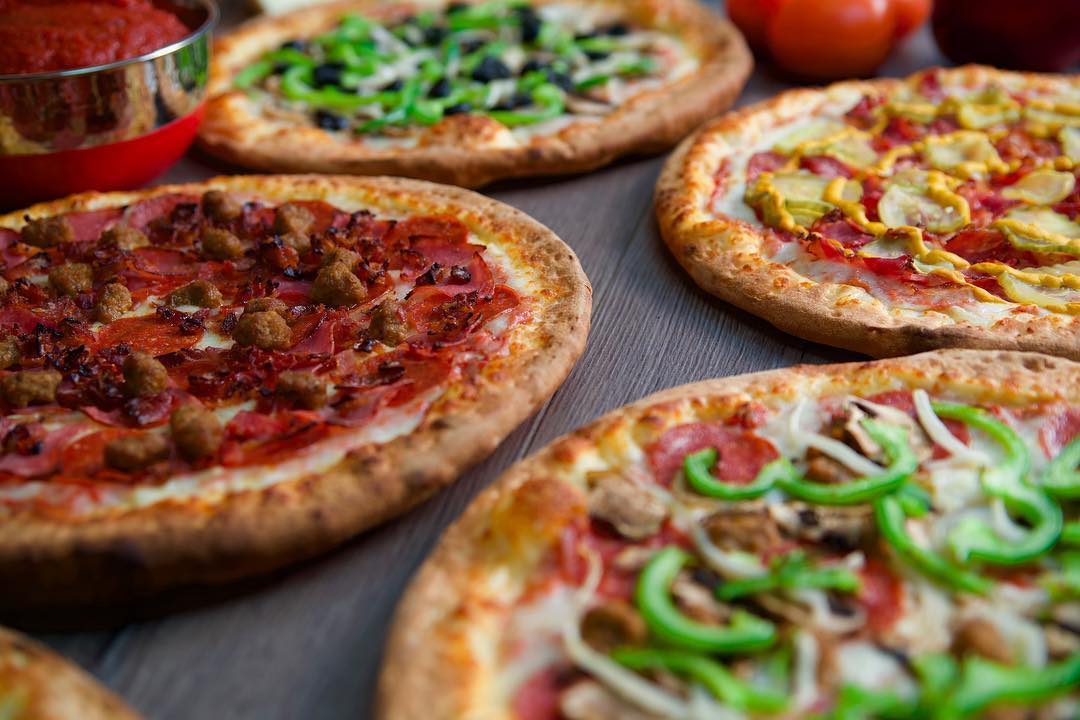
In the digital age, social media platforms have become vital for pizza brands. Engaging content, user-generated content campaigns, and targeted online advertising allow brands to connect directly with their audience. This includes running contests, sharing mouth-watering photos and videos, responding to customer feedback, and even leveraging influencer marketing to showcase their offerings. The ability to foster a community around the brand through social media can lead to increased loyalty and advocacy. Promotions like limited-time offers, coupons, and loyalty programs are also heavily promoted through these digital channels, creating a sense of urgency and incentivizing purchases.
Brand Storytelling: Beyond the Slice
Great pizza brands don’t just sell pizza; they sell an experience, a feeling, or a set of values. Storytelling is a powerful tool to achieve this.
Origin Stories and Heritage: Building Authenticity
Many pizza brands, especially artisanal ones, leverage their origin stories and heritage to build authenticity and connect with consumers seeking genuine experiences. Whether it’s a family recipe passed down through generations, a commitment to traditional Neapolitan methods, or a story of immigrant entrepreneurship, these narratives add depth and character to the brand. This resonates with consumers who are increasingly looking for more than just a transaction; they want to feel a connection to the brand’s values and history.
Community and Social Responsibility: Building a Positive Image
Brands that actively engage with their local communities or demonstrate a commitment to social responsibility often build a stronger, more positive brand image. This can involve sponsoring local sports teams, donating to charities, or implementing sustainable practices. These actions align with the values of many consumers and create a sense of shared purpose, fostering goodwill and loyalty that extends beyond the pizza itself. For example, a brand that highlights its use of locally sourced ingredients taps into a consumer desire for transparency and support for local economies.
Evolution and Differentiation: Staying Relevant in a Competitive Market
The pizza market is incredibly dynamic, with new players and evolving consumer preferences constantly emerging. Effective branding requires continuous adaptation and strategic differentiation.
Niche Branding: Catering to Specific Tastes and Demographics
Not all pizza brands aim for universal appeal. Many thrive by carving out specific niches, catering to particular tastes, dietary needs, or demographic groups.
Health-Conscious Options: The Rise of Wholesome Pizza
As consumer awareness around health and wellness grows, brands are responding with healthier pizza options. This includes offering whole wheat crusts, gluten-free alternatives, plant-based cheeses, and a wider array of vegetable toppings. Brands that successfully position themselves as healthier choices tap into a significant and growing market segment. This might involve using terms like “fresh,” “natural,” or “wholesome” in their messaging and showcasing the vibrant, healthy ingredients used.
Gourmet and Artisanal Pizza: The Pursuit of Quality
On the other end of the spectrum, gourmet and artisanal pizza brands focus on high-quality ingredients, unique flavor profiles, and elevated dining experiences. These brands often emphasize their craft, their culinary expertise, and the origin of their premium ingredients. Their branding appeals to consumers who are willing to pay a premium for a superior taste and a more sophisticated pizza experience. This could involve detailed descriptions of imported cheeses, handcrafted doughs, or carefully curated topping combinations.
Experiential Branding: Creating Memorable Moments
Beyond the product itself, brands are increasingly focusing on creating memorable experiences that enhance the customer journey.
The Dining Experience: Ambiance and Service
For brick-and-mortar pizzerias, the dining experience is a critical component of their brand. This includes the restaurant’s ambiance, the attentiveness and friendliness of the staff, and the overall atmosphere. A lively, family-friendly environment will appeal to a different demographic than a chic, modern setting designed for date nights. The goal is to create an environment that complements the pizza and leaves a lasting positive impression.
Delivery and Convenience: The Digital-First Approach
For brands that heavily rely on delivery, the convenience and efficiency of their service are key branding elements. Seamless online ordering platforms, accurate delivery times, and well-trained delivery personnel all contribute to a positive brand experience. The ease with which a consumer can get a hot, delicious pizza delivered to their door is a powerful branding differentiator in today’s fast-paced world. Apps that offer real-time tracking and personalized order history further enhance this convenience-driven brand promise.
In conclusion, the branding of pizza is a complex and dynamic art form. From the initial visual appeal of a logo to the nuanced storytelling behind a family recipe, every element plays a role in shaping consumer perception and driving market success. The brands that understand the emotional connection people have with pizza, and effectively translate that into a consistent and appealing identity, are the ones that will continue to capture “what a lotta pizza” consumers’ attention and cravings for years to come.
aViewFromTheCave is a participant in the Amazon Services LLC Associates Program, an affiliate advertising program designed to provide a means for sites to earn advertising fees by advertising and linking to Amazon.com. Amazon, the Amazon logo, AmazonSupply, and the AmazonSupply logo are trademarks of Amazon.com, Inc. or its affiliates. As an Amazon Associate we earn affiliate commissions from qualifying purchases.