
The question of where a Tesla is made is no longer a simple matter of identifying a single factory floor in California. In the span of a little over a decade, Tesla has evolved from a niche Silicon Valley startup into a global powerhouse, redefining the very concept of automotive manufacturing. To understand where a Tesla is made is to understand the “Machine that builds the Machine”—a philosophy that treats the factory itself as a high-tech product, subject to the same iterative software updates and hardware optimizations as the cars themselves.
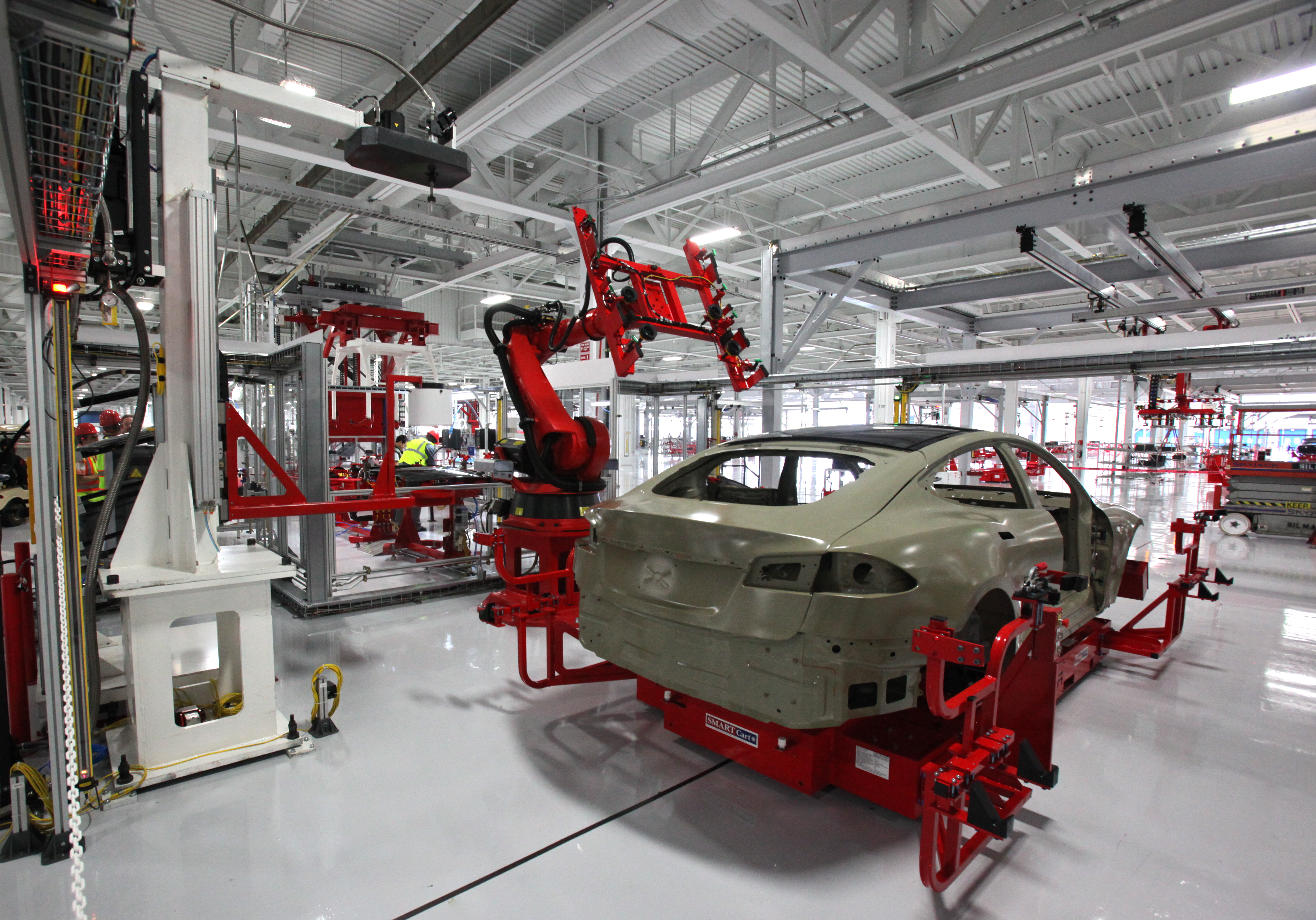
Today, Tesla’s manufacturing footprint spans continents, utilizing a decentralized yet highly integrated network of “Gigafactories.” These facilities are not merely assembly plants; they are centers of material science, robotics, and artificial intelligence. From the original hub in Fremont to the ultra-efficient lines in Shanghai and the cutting-edge architectural feats in Berlin and Texas, the story of Tesla’s production is the story of modern technology scaling at an unprecedented rate.
The Blueprint of Innovation: How Tesla Reimagined the Factory as a Product
In the traditional automotive world, factories are often viewed as static infrastructure—monuments to a design finalized years prior. Tesla, however, approached manufacturing through the lens of a software company. For Tesla, the factory is a versioned product (e.g., Giga Berlin is a “newer version” of Giga Shanghai). This tech-centric approach has allowed the company to bypass many of the inefficiencies that plague legacy automakers.
Vertical Integration and In-House Development
A defining characteristic of where a Tesla is made is the level of vertical integration within the facility. Unlike most manufacturers who rely on a sprawling web of third-party tier-one suppliers for everything from seats to software, Tesla brings the majority of its tech stack in-house. In many of its factories, Tesla manufactures its own battery packs, designs its own high-performance electric motors, and even develops the proprietary alloys used in the vehicle’s frame. This integration allows for a rapid feedback loop: if an engineer identifies a way to improve a component, the change can be implemented on the production line in days rather than months.
Software-Defined Manufacturing
The “where” of Tesla production is also governed by a unified digital nervous system. Tesla’s factories utilize a bespoke Manufacturing Execution System (MES) that tracks every nut, bolt, and battery cell in real-time. This software-defined approach allows the company to monitor the health of robotic arms, optimize the flow of autonomous guided vehicles (AGVs) on the factory floor, and ensure that every vehicle leaving the line is a perfect digital twin of its design specifications.
The Fremont Factory: The Silicon Valley Origins of Modern EVs
The story of Tesla’s physical manufacturing begins in Fremont, California. While Tesla now operates across the globe, the Fremont factory remains the heartbeat of its North American operations. Interestingly, this site was once the New United Motor Manufacturing, Inc. (NUMMI) plant, a joint venture between Toyota and GM. Tesla’s takeover of this facility in 2010 marked the transition from the internal combustion era to the era of the high-tech electric vehicle (EV).
Transitioning from Traditional Auto to High-Tech Hub
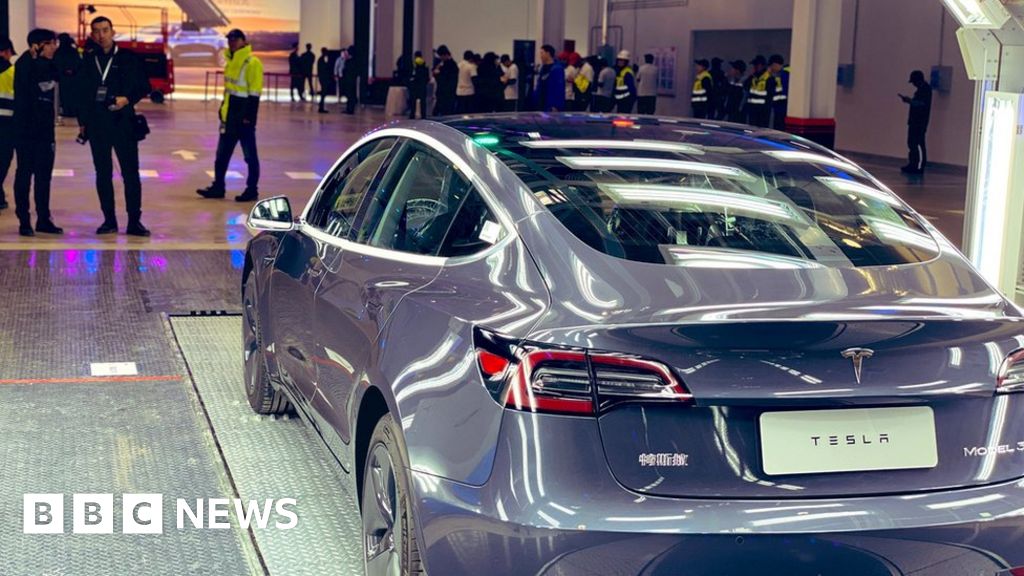
Fremont was the testing ground for Tesla’s most ambitious technological leaps. It was here that the Model S and Model X were born, proving that electric cars could be both luxury items and high-performance machines. The facility had to be gutted and retrofitted with advanced robotics that could handle the unique requirements of EV production, such as the installation of massive battery trays and the precision calibration of Autopilot sensors.
Overcoming “Production Hell” via Automation
Fremont is also famous in tech circles for being the site of “production hell” during the Model 3 ramp-up. This period was a pivotal moment in manufacturing history, as Tesla attempted to achieve “alien dreadnought” levels of automation. While the company eventually realized that human dexterity was still necessary for certain tasks, the lessons learned at Fremont regarding robotic limits and the “unboxed” assembly process paved the way for the hyper-efficient designs of future Gigafactories. Today, Fremont remains one of the highest-output automotive plants in North America, acting as a bridge between Tesla’s experimental roots and its mass-market future.
The Gigafactory Era: Scaling Technology Across Continents
As demand for sustainable energy grew, Tesla moved beyond retrofitted plants to purpose-built “Gigafactories.” The term “Giga” refers to the scale of energy production, but it has come to represent a new standard in industrial technology. Each new location is an evolution of the previous one, incorporating advancements in structural engineering and battery chemistry.
Giga Nevada and the Battery Tech Breakthrough
Located in Sparks, Nevada, Giga Nevada was the first of its kind. Built in partnership with Panasonic, this facility focused on the “fuel” of the 21st century: lithium-ion cells. By housing battery production and vehicle component assembly under one massive roof, Tesla drastically reduced the logistical costs and carbon footprint of its supply chain. The technology developed here—specifically the high-density 2170 cells—allowed Tesla to achieve the range and performance metrics that currently lead the industry.
Giga Shanghai: The Pinnacle of Lean Tech Execution
Giga Shanghai represents Tesla’s most impressive feat of rapid scaling. Built in less than a year, this factory serves as the primary export hub for Europe and Asia. Technically, Shanghai is a marvel of lean manufacturing. It utilizes a simplified production line optimized for the Model 3 and Model Y, leveraging China’s advanced industrial robotics ecosystem. The “where” in this case is a strategic tech play, placing Tesla at the center of the world’s largest EV market and its most robust battery supply chain.
Giga Berlin and Giga Texas: Next-Gen Casting and Structural Batteries
The newest members of the fleet, Giga Berlin-Brandenburg and Giga Texas, represent the cutting edge of Tesla’s manufacturing tech. These factories introduced “Megacasting”—the use of massive Giga Press machines that can cast the entire front and rear underbody of a car as a single piece of aluminum. This replaces hundreds of individual parts and welds, reducing weight and increasing structural integrity. Furthermore, these sites are the pioneers of the “structural battery pack,” where the battery cells themselves act as a structural element of the car’s chassis, further optimizing the vehicle’s weight-to-performance ratio.
Hardware and AI Integration in the Production Line
What truly differentiates where a Tesla is made from any other automotive plant is the integration of Artificial Intelligence and advanced robotics into the very fabric of the assembly process. Tesla’s factories are increasingly becoming autonomous systems in their own right.
Industrial Robotics and the Unboxed Process
In traditional assembly, a car body moves down a long line, and parts are added sequentially. Tesla is moving toward an “unboxed” process, particularly highlighted in its plans for future platforms. This involves working on separate vehicle sub-assemblies simultaneously and only joining them at the final stage. This tech-heavy approach requires extreme precision from industrial robots, which must align large, complex modules with sub-millimeter accuracy—a task managed by advanced vision systems and high-speed actuators.
Quality Control through Computer Vision and Neural Networks
Tesla utilizes the same expertise found in its Autopilot team to improve factory quality. Throughout the manufacturing process, high-resolution cameras equipped with computer vision monitor the assembly. These neural networks can detect a paint defect, a misaligned panel gap, or a faulty weld faster and more accurately than any human inspector. By treating the factory floor as an environment for data collection, Tesla continuously trains its manufacturing algorithms to reduce waste and improve the final product’s reliability.
The global map of Tesla manufacturing is a testament to the company’s identity as a technology leader. From the suburban sprawl of Fremont to the industrial heartlands of Germany and China, each Tesla is a product of a sophisticated, software-driven ecosystem. As the company continues to expand into new territories, the “where” will continue to evolve, but the “how” will remain rooted in a relentless pursuit of technological perfection and manufacturing efficiency. In the end, a Tesla isn’t just made in a factory; it is born from a global laboratory of innovation.
aViewFromTheCave is a participant in the Amazon Services LLC Associates Program, an affiliate advertising program designed to provide a means for sites to earn advertising fees by advertising and linking to Amazon.com. Amazon, the Amazon logo, AmazonSupply, and the AmazonSupply logo are trademarks of Amazon.com, Inc. or its affiliates. As an Amazon Associate we earn affiliate commissions from qualifying purchases.