
In the ever-evolving landscape of the entertainment industry, few artists have managed to cultivate a brand as distinct and enduring as P!nk. Her stage name, a vibrant and memorable moniker, has become synonymous with a powerful persona, a defiant attitude, and an undeniable musical force. But beyond the explosive performances and anthemic hits, lies a deeper question for those interested in the mechanics of personal branding: what is the real name behind the P!nk phenomenon, and how did this chosen identity contribute to her massive success? This exploration delves into the strategic choices that have shaped P!nk’s brand, examining how her real identity has been artfully woven into her public persona to create a captivating and commercially potent entity.
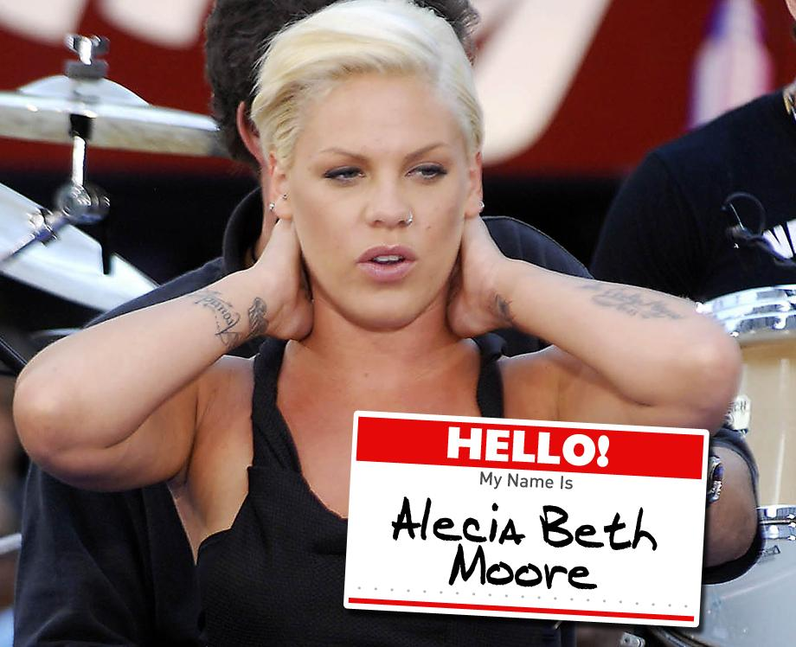
The Genesis of a Brand: From Alecia Moore to P!nk
Every successful brand, whether a product or a personality, has a foundational story. For P!nk, this story is rooted in her birth name, Alecia Beth Moore, and the evolution of her stage persona. Understanding this transition is crucial to grasping the deliberate and often insightful branding decisions that have propelled her career.
From Alecia Moore to the “Pink Panther” Inspiration
Born on September 8, 1979, in Doylestown, Pennsylvania, Alecia Moore’s early life was marked by a burgeoning passion for music and a rebellious spirit that would later become a hallmark of her public image. While many artists adopt stage names for purely aesthetic reasons, P!nk’s choice is reportedly tied to a more personal and perhaps even slightly embarrassing origin. The widely accepted narrative is that the name “Pink” stemmed from her childhood nickname, “Pinky,” a moniker given to her by her friends, allegedly due to her tendency to blush easily and turn “pink.” Another prominent theory links the name to the character “Pink Panther” from the classic film series, a character known for its mischievous and somewhat unconventional nature.
While the exact genesis might be a blend of these influences, the immediate impact of adopting “P!nk” was significant. It offered a departure from the more common and perhaps less distinctive “Alecia Moore.” The alteration to “P!nk,” with the exclamation mark, further injects a sense of energy, urgency, and a touch of aggression, perfectly aligning with the edgy, in-your-face musical style she was developing. This wasn’t just a name change; it was the first calculated step in constructing a distinct brand identity.
The Strategic Shift: Crafting a Persona
The transition from Alecia Moore to P!nk was more than just a name change; it was the beginning of a carefully crafted persona that resonated with a generation seeking authenticity and a departure from manufactured pop perfection. In an era often dominated by polished, saccharine pop stars, P!nk emerged as a breath of fresh, albeit sometimes abrasive, air.
Her early career, particularly with the release of “Can’t Take Me Home” (2000), showcased a more R&B-influenced sound. However, it was with the follow-up album, “Missundaztood” (2001), that the P!nk brand truly solidified. This album was a watershed moment, featuring hits like “Get the Party Started” and “Don’t Let Me Get Me.” These songs, and the accompanying visual aesthetics, embraced a raw, authentic, and slightly rebellious image. She was the girl next door, but the one who wasn’t afraid to speak her mind, dye her hair unconventional colors, and engage in acrobatic performances that defied expectations. This was a deliberate strategy to differentiate herself and appeal to an audience that valued individuality and unvarnished expression. The brand was built on being unapologetically herself, albeit an amplified and stylized version.
The Power of the P!nk Brand: Authenticity and Resilience
The longevity and success of the P!nk brand are deeply intertwined with its core tenets of authenticity, resilience, and a refusal to conform. These qualities have not only endeared her to millions but have also allowed her to navigate the often-treacherous waters of the music industry with remarkable grace and power.
Embracing Imperfection as a Brand Differentiator
In a world saturated with curated social media feeds and unattainable ideals, P!nk’s brand thrives on its embrace of imperfection. She has consistently used her platform to discuss her struggles, her insecurities, and her personal growth. This raw honesty creates a powerful connection with her audience, who see themselves reflected in her vulnerabilities. Her music often tackles themes of heartbreak, self-doubt, and overcoming adversity, resonating deeply with listeners who are navigating similar challenges.
This commitment to authenticity is a powerful branding tool. It moves beyond a superficial image and creates a genuine emotional connection. Fans aren’t just buying into a pop star; they’re buying into a relatable human being who is willing to share her authentic self. This approach fosters immense loyalty and allows the brand to evolve organically alongside the artist. Unlike many manufactured pop personas that can feel brittle and prone to collapse under scrutiny, P!nk’s brand is built on a foundation of genuine experience and resilience.
Resilience as a Core Brand Value
The P!nk brand is synonymous with resilience. Throughout her career, she has faced criticism, shifts in musical trends, and the inherent pressures of the entertainment industry, yet she has consistently bounced back, stronger and more determined than ever. Her music often serves as an anthem for perseverance, empowering listeners to overcome their own obstacles. Songs like “So What” and “Raise Your Glass” are not just catchy tunes; they are declarations of defiance and self-belief.
This consistent message of resilience strengthens her brand by providing a consistent and inspiring narrative. It positions her not just as an entertainer but as a role model for tenacity. This unwavering spirit has allowed her to remain relevant for over two decades, adapting her sound and image while staying true to her core values. The P!nk brand is not about fleeting trends; it’s about enduring strength and the power of the human spirit.
The Brand Beyond the Music: P!nk’s Marketing and Identity
While P!nk’s music is undoubtedly the cornerstone of her brand, her marketing and public persona have been equally instrumental in shaping her global appeal. Her visual identity, her media presence, and her endorsements all contribute to a cohesive and powerful brand narrative.
Visual Identity and Performance Art
From her signature vibrant hair colors and edgy fashion sense to her breathtaking aerial performances, P!nk’s visual identity is an integral part of her brand. Her music videos are often mini-films that explore complex themes, showcasing her theatricality and artistic vision. Her live shows are legendary for their high-energy acrobatics, elaborate staging, and raw emotional delivery. This commitment to a dynamic and visually stunning performance elevates her concerts from mere musical events to immersive experiences.
This visual storytelling reinforces the core tenets of her brand. The athleticism and daring nature of her performances speak to her resilience and defiance, while the often-colorful and unconventional aesthetic aligns with her rebellious spirit. This carefully curated visual language ensures that the P!nk brand is instantly recognizable and consistently communicates her unique persona. It’s a brand that demands attention and delivers an unforgettable experience.
Strategic Media Engagement and Advocacy
P!nk has masterfully navigated the media landscape, using her platform to advocate for causes she believes in and to engage with her fans on a more personal level. She is known for her candid interviews, her witty social media presence, and her willingness to speak out on social and political issues. This direct engagement fosters a sense of community and allows fans to feel a closer connection to the artist behind the brand.
Her advocacy for LGBTQ+ rights, animal welfare, and women’s empowerment further solidifies her brand as one of authenticity and social consciousness. By aligning her personal values with her public persona, P!nk has built a brand that is not only commercially successful but also ethically grounded. This strategic engagement with her audience and her willingness to use her voice for good contribute to a deeper, more meaningful connection that transcends the ephemeral nature of celebrity. The P!nk brand is about more than just selling records; it’s about inspiring change and fostering a sense of belonging.

The Enduring Legacy of the P!nk Brand
In conclusion, the question of “what’s Pink’s real name” leads us down a fascinating path of personal branding and strategic identity construction. Alecia Beth Moore, the individual, has successfully transmuted into P!nk, an iconic brand that embodies authenticity, resilience, and a fierce individuality. Her journey is a testament to the power of a well-defined and consistently executed personal brand in the competitive entertainment industry.
The P!nk brand is a masterclass in how an artist can leverage their true self, with all its imperfections and strengths, to create a connection that resonates deeply with a global audience. From the deliberate choice of a distinctive stage name to the consistent messaging of empowerment and resilience, P!nk has meticulously built an identity that is both commercially successful and personally authentic. Her legacy is not just in her chart-topping hits but in the enduring impact of a brand that inspires millions to embrace their own unique voices and to stand tall, even when the world tries to bring them down. The P!nk brand is a vibrant, enduring testament to the power of being unapologetically oneself in a world that often demands conformity.
aViewFromTheCave is a participant in the Amazon Services LLC Associates Program, an affiliate advertising program designed to provide a means for sites to earn advertising fees by advertising and linking to Amazon.com. Amazon, the Amazon logo, AmazonSupply, and the AmazonSupply logo are trademarks of Amazon.com, Inc. or its affiliates. As an Amazon Associate we earn affiliate commissions from qualifying purchases.